This guide covers a workflow that moves from project parameters to generated floor plans, 3D perspective views, exterior design exploration, and site context visualization, using AI tools in place of preliminary CAD and rendering work.
This guide covers a workflow that moves from project parameters to generated floor plans, 3D perspective views, exterior design exploration, and site context visualization, using AI tools in place of preliminary CAD and rendering work.
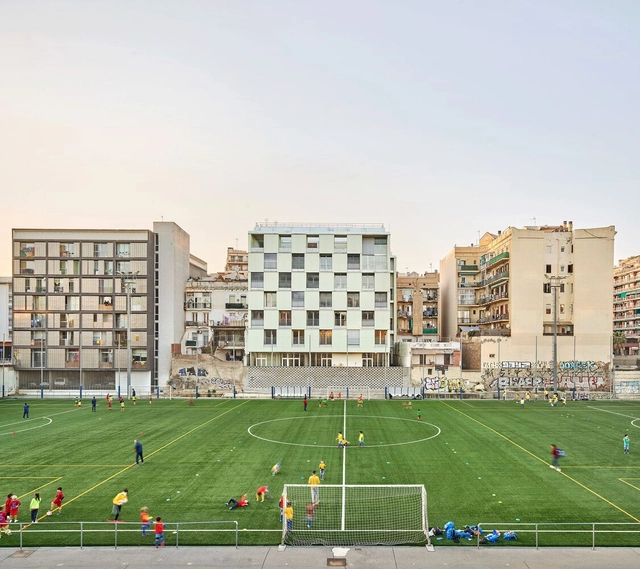
Is there a future for our cities if we do not transition to a sustainable way of life? For some time, urban sustainability has adopted a perspective focused more on climate change than on a holistic vision that incorporates society and the way we live in community.
What new ways of living are we experiencing amidst social, economic, and ecological shifts? Ultimately, we must bring to the table examples from different parts of the world to understand the latest trends in how we live in our cities.
We want to hear from you—not only about examples of co-living, cooperatives, and any new type of social housing you consider a benchmark, but also your thoughts on the matter. Selected comments from the form below will be published in an upcoming article.

99+Imaginaris invited renowned architects from around the world to speculate on the future of Barcelona. Within the context of the Model Festival, curators Eva Franch i Gilabert and Josep Maria Montaner, alongside the design, coordination, and exhibition design by the Enric Miralles Foundation, brought together a wide-ranging series of sketches, ideas, visions, and models—from an edible Barcelona by Areti Markopoulou to a Barcelona of inflection points by Zaida Muxí.
The resulting exhibition catalog is a diverse archive of drawn manifestos—a document that allows us to review and debate future ways of living in the city. The curatorial text for 99+Imaginaris, along with the individual visions of its contributors, is presented below.

Born on July 17, 1897, Julia Guarino Fiechter became the first woman to earn an architecture degree in Uruguay, in 1923. Although she was originally from Éboli, in the Italian province of Salerno, she grew up and spent her entire professional life in Uruguay. After graduating from the Faculty of Architecture at the Universidad de la República, she also worked as a draftsperson and educator.

Brazilian architects Mário Rubem Costa Santana and Rafael Lamary Silva Santos received a special mention in the Children's House competition in Senegal, organized by the Kaira Looro organization. The competition sought proposals for a "space aimed at preventing child malnutrition" in Sub-Saharan Africa.

The 13th International Architecture Biennial enters its final week of activities—ending on Sunday, July 17—and brings very special attractions for those who have already visited or have yet to experience the Biennial.
Between July 8 and 17, the event features debates, conferences, short film screenings, a cycling tour, and much more, in this first in-person edition since the pandemic. The exhibition has been running since May 27 at Sesc Avenida Paulista and Centro Cultural São Paulo.

In urban planning discourse, advocacy for public transit is as widely agreed upon as it is frequently repeated. Proposals such as transit-oriented development (TOD), which advocates for coordinating urban density with transit corridors, have gained traction over recent decades. They have moved from academia into the recommendations and case studies of institutions like the World Bank, into political platforms and official documents, and are already visible in various urban interventions worldwide—from Curitiba to Toronto, and particularly in Asia.

For another episode in the series on Social Interest Housing (HIS), Arquicast has selected a crucial chapter of our recent history: the Minha Casa Minha Vida Program (MCMV). The episode discusses the foundations of the so-called housing deficit, the program's progress, and its shortcomings.

A direct consequence of global warming, heatwaves have become increasingly devastating and frequent with each passing summer. The most recent of these has been sweeping across Europe for days, worsening in western nations, such as Belgium and the United Kingdom. The melting runway surface at Luton Airport and the fires in the village of Wennington, London, and in Calatayud, southwestern Spain, are just some of the incidents that underscore the critical scale of this crisis.

Since 2011, the Aromeiazero Institute has been promoting the "Bike Parada não Rola" (A Stationary Bike Doesn't Roll) campaign. The initiative partners with residential building managers to identify abandoned bicycles in condominium bike racks.
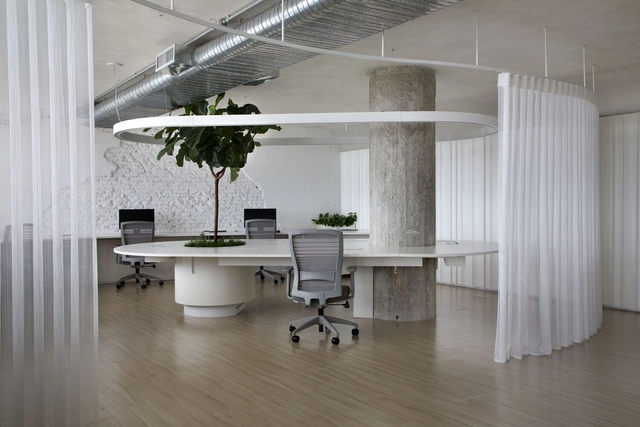
"Less is more!", "ornament is a crime", are some of the modern phrases that shaped the western architectural language in the last century and still continue to be a strong influence when thinking about spaces. Minimalism, even if it is hardly carried out within its original essence, still tends to value emptiness, aesthetic cleanliness and the purism of space.

Women Architects and Urban Planners Day was established in 2020 by the Council of Architecture and Urbanism of Brazil (CAU/BR) to reaffirm its commitment to promoting gender equality across all its spheres and in its relationship with society. According to a survey by CAU/BR in its 2019 Yearbook, women represent 63% of architects and urban planners, a proportion expected to increase in the near future. Among professionals aged 30 and under, that number rises to 75% women compared to 25% men.
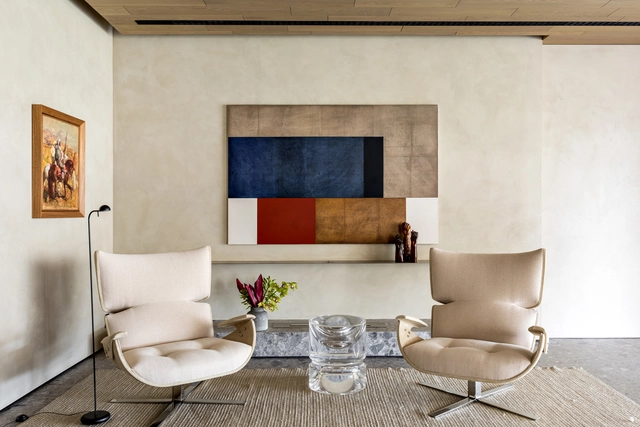
The determination of focal points in the environments offers dynamism, personality and activates internal and external environments from the enhancement of decorative objects or construction elements. Here are some examples for you to understand what it is and how to use it in the design and decoration of your home.

Around the world, people continue to adapt to new ways of working, making the search for suitable furniture and equipment for both home and work environments more relevant than ever. At the same time, finding options that balance personal aesthetics and style with functionality is essential.
Herman Miller, a global leader in innovative design and furniture solutions, has announced the launch of an office chair inspired by the iconic Eames Shell chair. Design firm Studio 7.5 and Herman Miller have teamed up once again to reveal their latest collaboration: the Zeph chair.

Cities and communities around the world are stepping up to reduce greenhouse gas (GHG) emissions and prevent the most dangerous impacts of climate change. Typically, strategies focus on reducing emissions in sectors such as transportation, energy, housing, and waste. Yet, there is another sector that many communities have overlooked in their climate plans: trees and forests.


Periodically, we have witnessed how the coasts of Quintana Roo have suffered from severe sargassum algae blooms, representing a major problem for local residents who, year after year, dedicate themselves to exhaustively cleaning the beaches during the April-August season. Various media outlets have reported that the cause of the sargassum is still unknown; however, some theories link it to climate change and variations in the Atlantic Ocean. Currently, the non-governmental organization Red de Monitoreo del Sargazo de Quintana Roo (Quintana Roo Sargassum Monitoring Network) monitors sargassum presence in the region. According to its latest alert level system, there are 22 locations with an excessive presence of this macroalgae, and the same number considered abundant.

In a new interview episode, Arquicast speaks with one of the most renowned and established practices in Brazilian architecture. In 2022, aflalo/gasperini arquitetos celebrates 60 years of a practice that has evolved alongside the nation's architecture. A commitment to building performance is central to their work, as is their pursuit of the most advanced technology to support sustainable design—an approach validated by several of their older projects that have gone on to receive international certifications.

An ideal address implies convenience, meeting basic needs for goods and services within a short walk. Breakfast at the base of the building, a quick run to the pharmacy, pulling a cart overflowing with fruit, heading down on Saturday for a haircut, walking the dog in the corner plaza. The health of a city depends on the presence of people walking in public spaces, fostering a sense of community, safety, civility, and the capacity to meet basic consumption needs. And the street-level storefront along this walk is a vital catalyst.

The Spanish-Mexican architect Félix Candela is one of the world's most renowned twentieth-century architects, celebrated for a career that explored reinforced concrete through experiments resulting in his famous cascarones (thin-shell structures)—structural and design elements that support many of his works, such as the Cosmic Rays Pavilion at UNAM in Mexico City (1951); the Palmira Chapel in Cuernavaca (1958); the Los Manantiales Restaurant in Xochimilco (1958); and the Palacio de los Deportes for the 1968 Olympic Games in Mexico City.
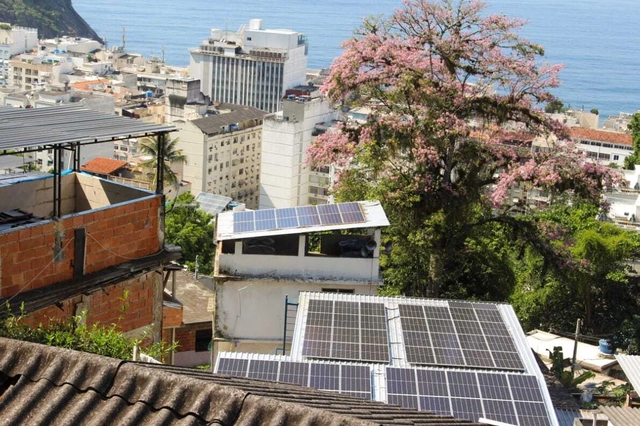
An initiative in the Rocinha community in Rio de Janeiro will provide professional training for residents in the solar energy market and install two photovoltaic plants in the community (at Acadêmicos da Rocinha and Igreja Batista), directly benefiting the NGOs Rocinha Recicla and Pedrinho Social through local energy generation.
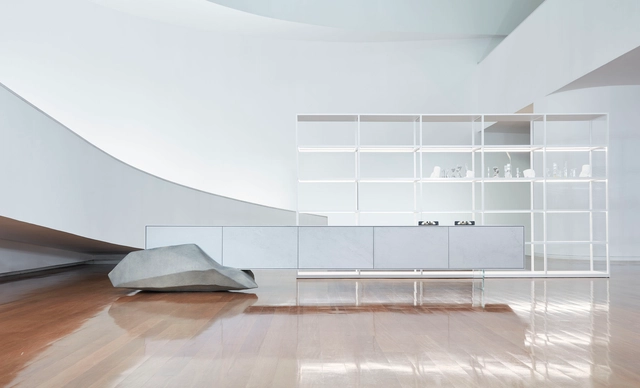
"Light and movement allow us to achieve anything that is recognized as beautiful." This quote by Álvaro Siza Vieira, the universally acclaimed Portuguese architect, captures his philosophy. His work guides the relationship between built space and its surroundings, creating true works of art that prioritize nature. In furniture design, the approach can be similar. The intervention can indulge in the status of art, redefining meaning and joining new dialogues as if framed in a museum setting.
Driven by this provocation, Dell Anno presents an approach for its 2022 campaign that further strengthens its DNA of connecting architecture, art, and fashion. Titled Singular Dell Anno, the campaign draws a parallel with the sublime work of the Portuguese architect, paying tribute to his legacy of simplicity and architectural sophistication, which earned him global recognition and made him a major architectural influence today.
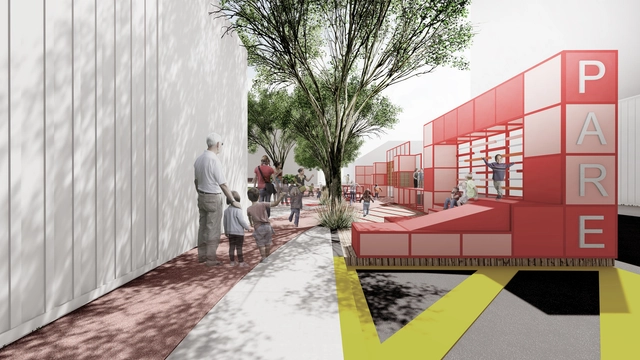
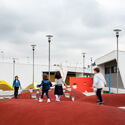
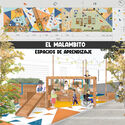
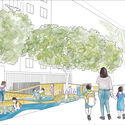
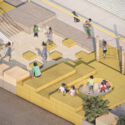
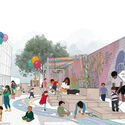
During the International Festival of Urban Interventions (FIIU), the finalists and winners of the 'Public Spaces for Early Childhood' competition were announced. Organized by Ocupa Tu Calle and Lima Cómo Vamos as part of the Pact for Public Spaces, the initiative was held in strategic alliance with the Bernard van Leer Foundation and Urban95. The competition aimed to design two public spaces in the districts of Barranco and Miraflores in Lima, Peru, utilizing an early childhood-centered approach.
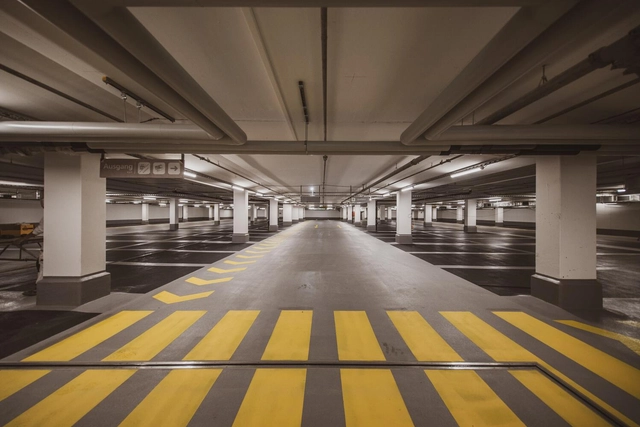
Tie-in sales are one of the major consumer rights issues and are typically banned in most market economies. They occur when a seller conditions the sale of one product or service on the purchase of another. In Brazil, the Consumer Defense Code, under Article 39, Subsection I, expressly condemns this practice. Meanwhile, Law 12,529/2011, which structures the Brazilian competition defense system, establishes in Article 36, Subsection XVIII, that tie-in sales constitute an infraction against the economic order.
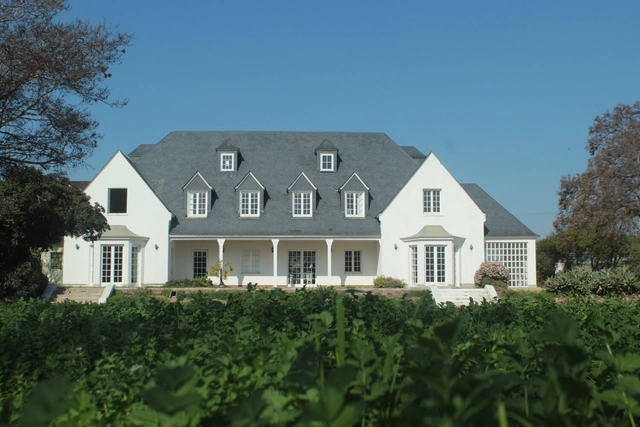
In 2016, in the commune of Limache in Chile's Valparaíso region, tunnels connecting to various parts of the city—including the CCU brewery—were discovered beneath a hatch in the gardens of the landmark Eastman Mansion. Prompted by uncertainty over why they were built, an investigation was launched, with the findings behind the project's origins finally revealed in 2021.
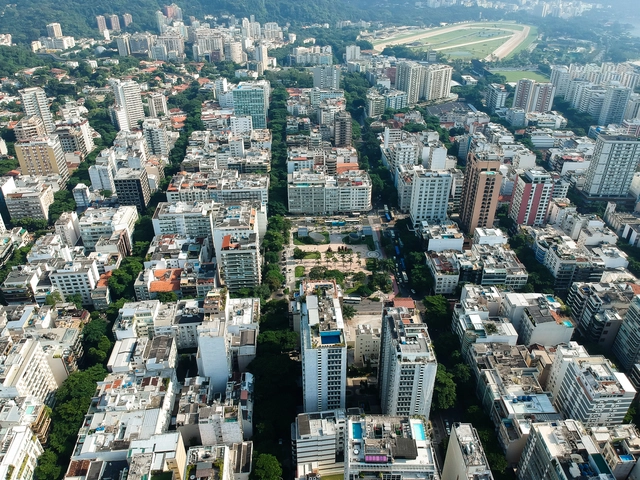
In an effort to improve air quality and the health of Rio's residents, the Rio de Janeiro City Hall is launching the Low Emission District. Measures to reduce greenhouse gas emissions will be implemented across an area of just over two square kilometers in the city center.
The district's implementation will be carried out in phases through 2030. The first phase, which is currently underway, consists of revitalizing 35,000 square meters of public space in the city center and monitoring air quality and GHG emissions. It is expected to be completed in 2024.