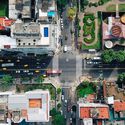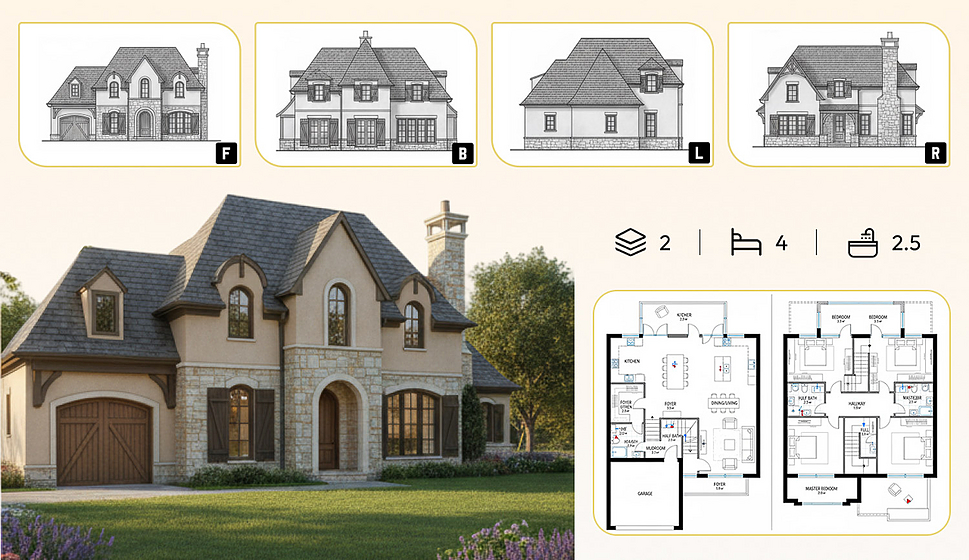
This guide covers a workflow that moves from project parameters to generated floor plans, 3D perspective views, exterior design exploration, and site context visualization, using AI tools in place of preliminary CAD and rendering work.
This guide covers a workflow that moves from project parameters to generated floor plans, 3D perspective views, exterior design exploration, and site context visualization, using AI tools in place of preliminary CAD and rendering work.

Stone and marble continue to establish themselves as essential materials in architecture and design, for both interiors and exteriors worldwide. CHC offers a curated selection designed to create spaces with a timeless, elegant character. Discover how to incorporate marble and stone into your projects to add a touch of modern style.
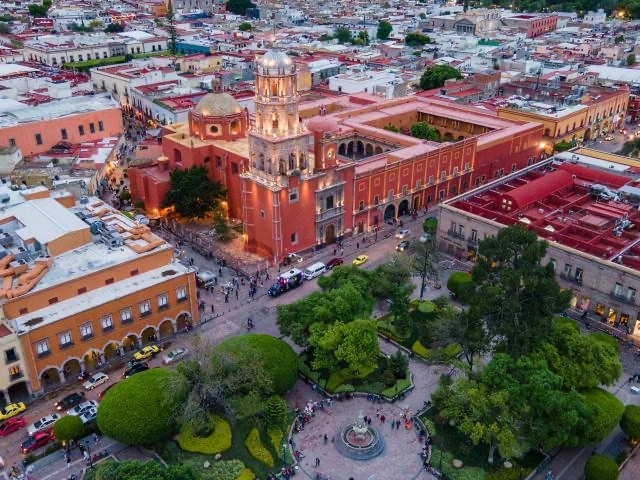
As the world rapidly urbanizes, cities are becoming home to a new generation of leaders and changemakers. Youth are at the center of this transformation, especially in regions like Africa, Asia, and the Americas. On Monday, October 7, the United Nations Human Settlements Programme (UN-Habitat) invites everyone interested in sustainable urban development to celebrate World Habitat Day, which this year centers on the theme "Engaging youth to create a more inclusive urban future."

Choosing between vinyl and laminate flooring is no longer necessary, as resilient hybrid flooring combines the best features of both materials. Kiwi is a natural flooring made of 80% wood, utilizing a premium impregnation technology that makes it 100% waterproof. This product features 80% wood, while the remaining 20% is composed of plant-based resins. Consequently, it is 100% PVC-free, making it an entirely eco-friendly choice.
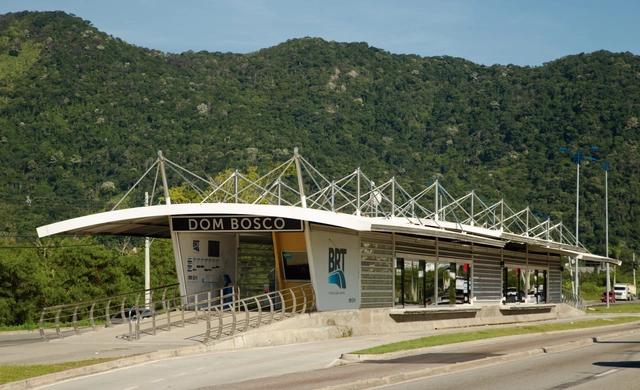
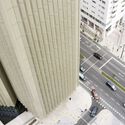
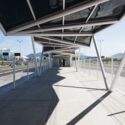
Jozé Candido is an architect and urban planner from Rio de Janeiro with extensive experience in the public sector, particularly in transportation. His design for the BRT (Bus Rapid Transit) stations in Rio de Janeiro was recognized as a "Gold Standard BRT" in 2013 by the ITDP. The BRT is a public transit system that crosses the city in the center-west direction and was implemented in Rio de Janeiro between 2012 and 2024.
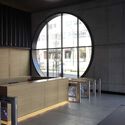
Urban mobility architecture and its infrastructure — stations, terminals, pedestrian overpasses, etc. — are spaces of collective, daily use for the population of Brazilian metropolises. Aiming to expand knowledge and repertoire regarding these spaces, this interview explores the technical, political, and logistical challenges faced during the design and implementation of the BRT in the city, as well as the legacy of Jaime Lerner. The following interview highlights the impact of this project on urban development, transit modal integration, and the role of architecture in the functionality and sustainability of transportation systems.
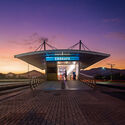
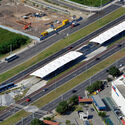

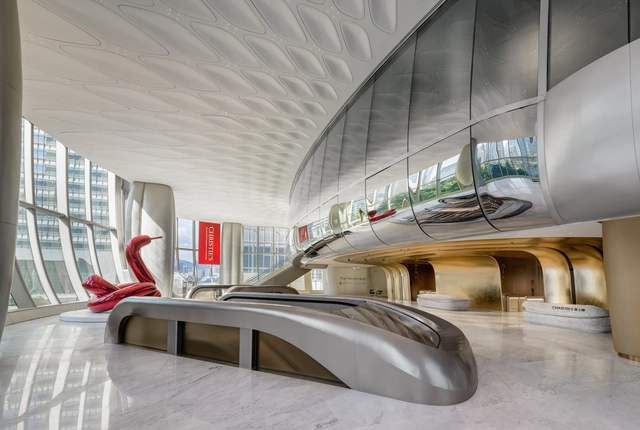
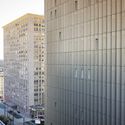
In Central, the bustling hub of Hong Kong's commercial, financial, cultural, and entertainment activities, what kind of synergy can emerge between a landmark skyscraper and a world-renowned art auction house? Can they break free from the traditional convention-center framework of art auctions to pioneer an entirely new spatial and operational model? Christie’s, one of the world's oldest art auction houses, has made a bold and successful attempt at its new Asia-Pacific headquarters in Hong Kong's landmark building, The Henderson—
The design strategy and spatial features of the new Asia-Pacific headquarters center on four key elements:
1. Large-scale motorized movable walls
2. Automated lighting and smart building control systems
3. A vertical gallery
4. Open-plan workspaces
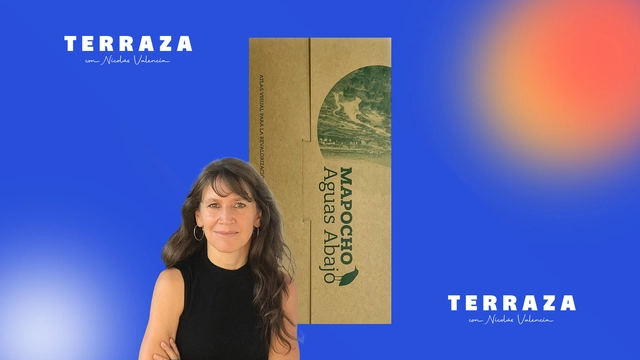
On this week's episode of the TERRAZA podcast, Nicolás Valencia speaks with Chilean architect Sandra Iturriaga about the book Mapocho Aguas Abajo (Ediciones ARQ), a publication developed by the Mapocho 42K Lab at the Pontificia Universidad Católica de Chile that proposes revaluing the heritage and landscape of the downstream stretch of the Mapocho River in Santiago, Chile.
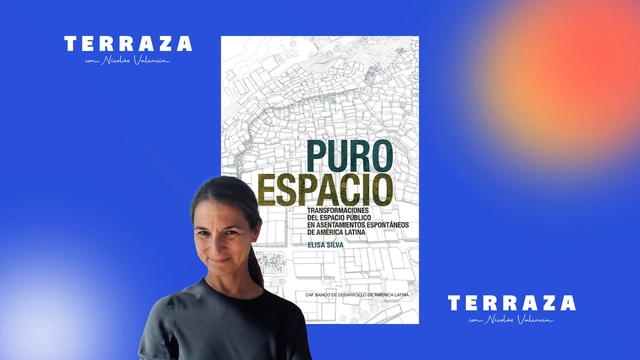
This week on the TERRAZA podcast, Nicolás Valencia talks with Venezuelan-American architect Elisa Silva about her book, "Pure Space: Public Space Transformations in Latin American Spontaneous Settlements" (Actar Publishers), an analysis of a series of public space interventions in communities across Mexico, Colombia, Venezuela, Brazil, Argentina, Peru, and Chile.
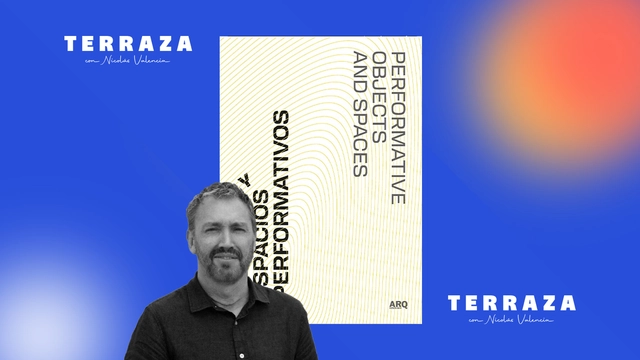
Nicolás Valencia talks this week on the TERRAZA podcast with Chilean architect Rodrigo Tisi about his book Objetos y espacios performativos (Ediciones ARQ), research that examines key moments to observe, explain, and establish the possibilities of certain performance practices in academia and creative environments.
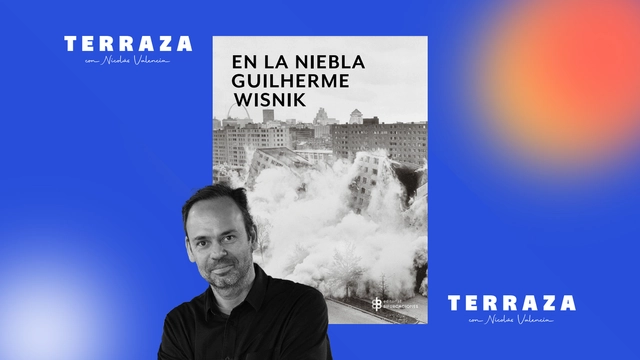
This week on the TERRAZA podcast, Nicolás Valencia talks with Brazilian architect and critic Guilherme Wisnik about his book En la niebla (Editorial Bifurcaciones), a series of essays where fog serves as a metaphor for the state of uncertainty in today's world, weaving together contemporary debates on space, art, and politics.
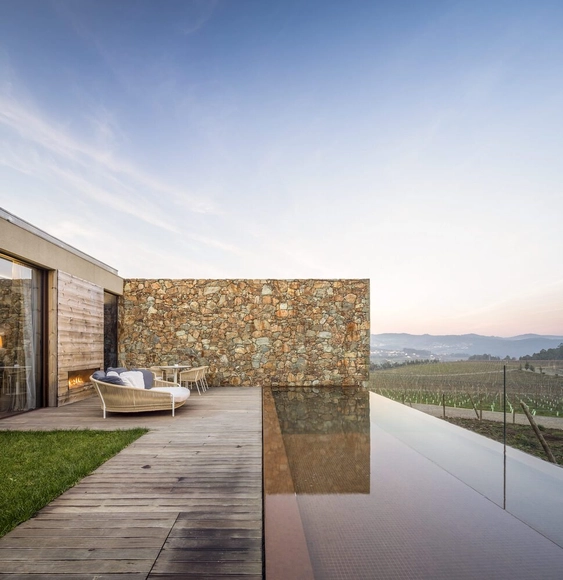
No País dos Arquitectos is a podcast created by Sara Nunes, who also runs the architectural film production company Building Pictures. The podcast aims to profile the professionals, projects, and stories behind landmark contemporary Portuguese architecture. With just over 10 million inhabitants, Portugal is a highly intriguing country in this professional field, and its architectural output far exceeds what its small population and territorial scale might suggest.
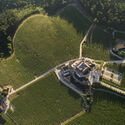
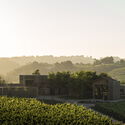
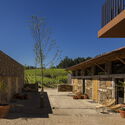
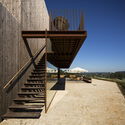
In this episode of the sixth season, Sara talks with architect Fernando Coelho of the firm FCC Arquitectura about the Monverde Rural Hotel project, located in Quinta da Lixa. Listen to the conversation and read an excerpt of the interview below.
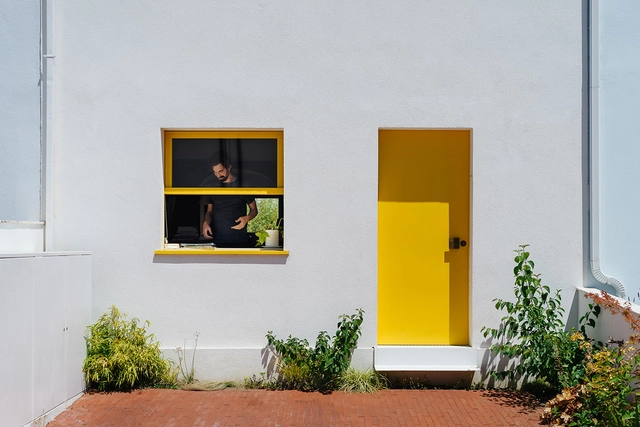
Doing more with less is an urgent architectural imperative. This is especially true in our recent global context, where environmental concerns are compounded by economic and social crises in various parts of the world. Within this landscape, the firm Branco Del Rio Arquitectos has been developing its practice since its founding in Coimbra in 2014. Established during a period of instability in Portugal, the office is the result of Paula del Rio and João Branco's pursuit of a simple architecture that seeks to address contemporary demands as objectively as possible.
In less than ten years of activity, the firm has garnered competition awards and international recognition, and was recently selected as one of ArchDaily's Best New Practices of 2023. We had the opportunity to speak with the architects about their experience with architectural rehabilitation, their collective housing projects, and their practice characterized by an economy of means.
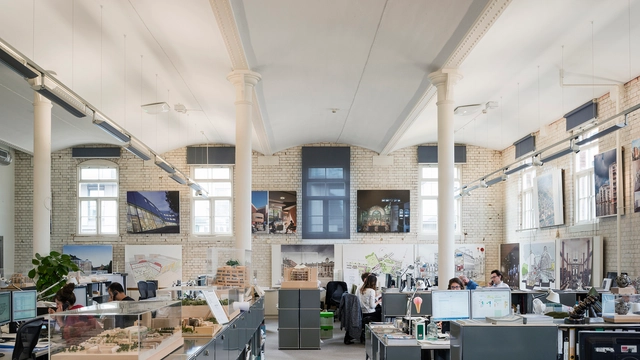
In the field of architecture, the challenges are multifaceted, including long working hours, low pay, inequality, and a lack of transparency. Yet, focusing solely on these negative aspects is often insufficient, if not simplistic. It is crucial to reflect on how we address these issues in our daily practice—promoting ethical decision-making, fostering teamwork and collaboration, and facilitating adaptation and innovation. While projects and clients often take center stage, we rarely delve deeply into the culture, work environments, routines, and dynamics of architecture firms.
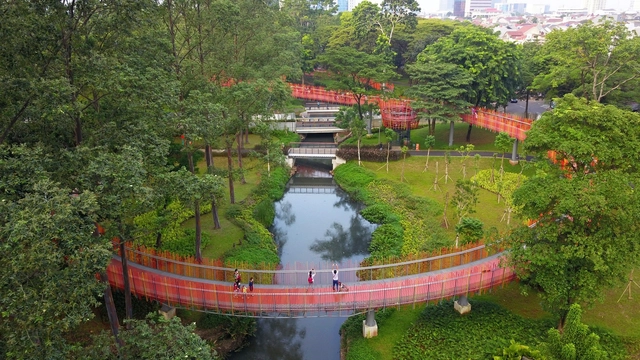
In another episode on quality of life and connection with nature, Arquicast explores a topic that has become even more relevant in recent times: public open spaces in cities, with a focus on precious, revitalizing green spaces—urban parks and plazas. In an increasingly urbanized world, the search for places to connect with nature has become essential. The discussion is enriched by two special guests: Luciana Jesus, an architect, urban planner, and leader of the Urban Landscape and Inclusion research group at the University of Vila Velha; and Klaus Chaves Alberto, a PhD in urbanism and researcher in the field of health, well-being, and quality of life at the Federal University of Juiz de Fora.
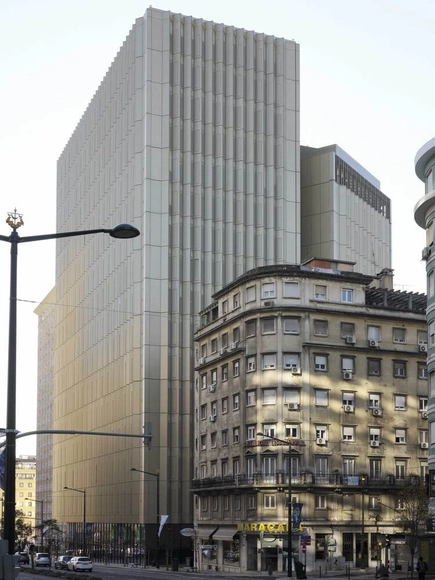
No País dos Arquitectos is a podcast created by Sara Nunes, who also runs the architectural film production company Building Pictures. The podcast aims to profile the professionals, projects, and stories behind landmark contemporary Portuguese architecture. With just over 10 million inhabitants, Portugal is a highly compelling country in this professional field, and its architectural output far exceeds what its population or territorial scale would suggest.
In this episode of the sixth season, Sara talks with architect Patrício Barbas, from the firm Barbas Lopes Arquitectos, about the FPM 41 project. Listen to the conversation and read part of the interview below.
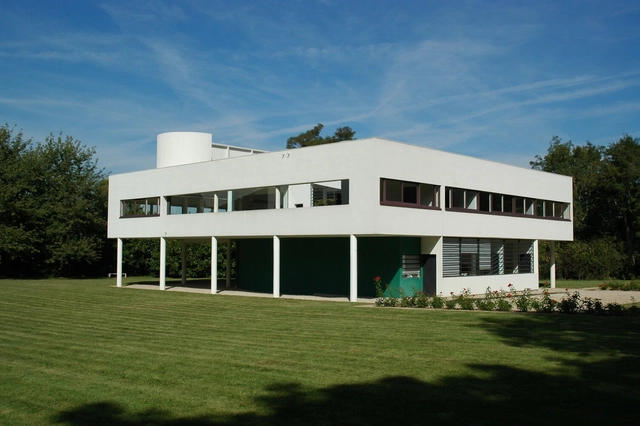
In another episode dedicated to architectural landmarks, Arquicast centers on the iconic Villa Savoye, a milestone in the history of 20th-century modernist architecture. Guest PC Lourenço offers an in-depth analysis of this architectural icon and its paradigms, providing an insightful look into its enduring significance and influence. The episode is also available in video format, allowing viewers to follow the discussion alongside photos and technical drawings of the building.
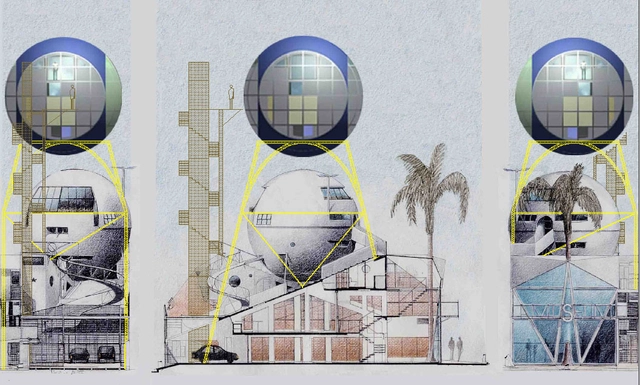
Arquicast speaks with one of Brazil's most intriguing and renowned architects, Eduardo Longo. Describing any professional's body of work is a complex task, but it is especially challenging when discussing a figure like Longo, whose career is defined by a rejection of the established principles of his time, consistently seeking innovation and experimentation in architecture.
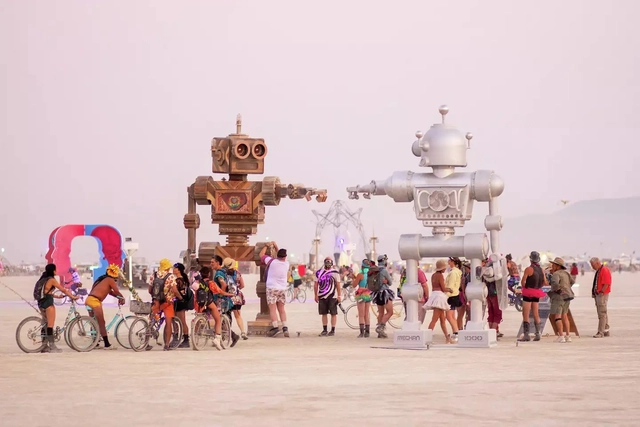
Episode 213 of Arquicast explores the fascinating field of event architecture, highlighting the importance of designing spaces that transform simple occasions into memorable experiences. The robust resurgence of the event market after two challenging years during the pandemic reflects the human need to celebrate, share joy, and escape the daily routine. Behind these memorable experiences, however, are event architects and designers, whose attention to detail and creativity shape the success of every occasion.
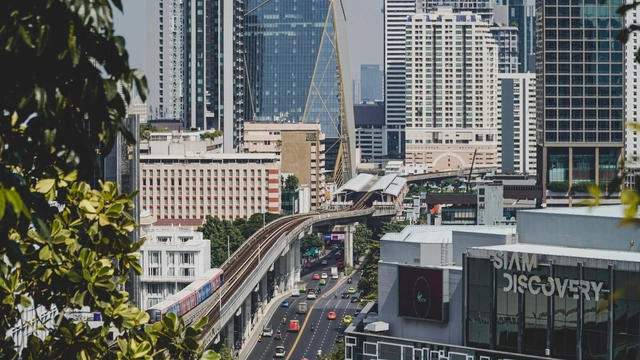
Cities occupy just 3% of the Earth's land surface, yet they account for most of the world's energy consumption and carbon emissions. Many are also highly vulnerable to climate change and natural disasters due to their high population densities and interconnected infrastructure. To prevent the worst impacts of climate change—including human, social, and economic losses—making cities more resilient and prepared for a changing climate is crucial. Yet, recent studies indicate we are still far from achieving this.
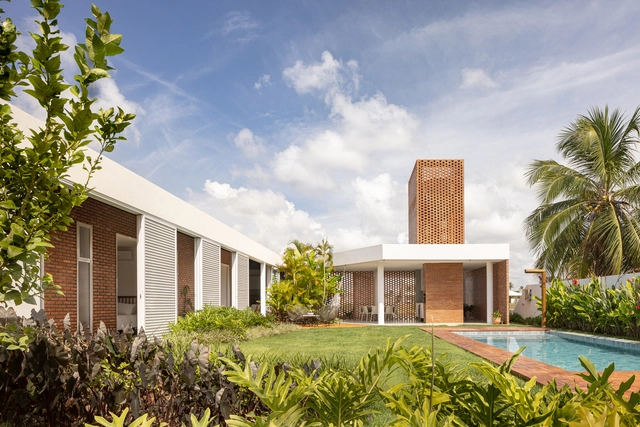
Review the best of architecture from the past week according to our readers and editors, featuring this selection of the most read articles, most visited projects, and most popular products on ArchDaily Brasil.
To make sure you don't miss the best of each week, subscribe to our weekly newsletter and receive these and other updates on architecture, cities, and the built environment directly in your inbox.
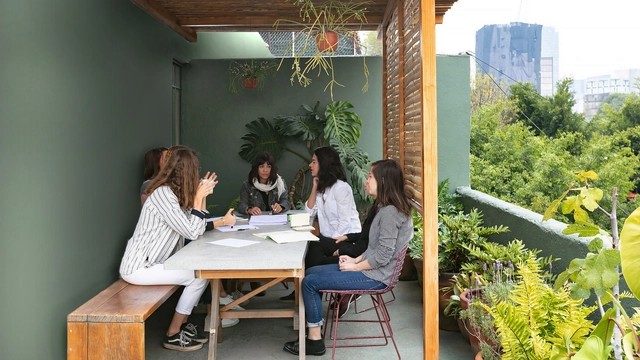
In this episode of Arquicast, a conversation with architects Liz Valente and Larissa Fioravante revisits the topic of work environments in architecture, bringing a new perspective to some of the discussions addressed in episode 214. The momentum for this "part 2" came from provocative comments from the audience, which prompted a deeper and more diverse reflection on the daily life of the profession. The participants shared their personal career paths, shaped by internships, experience in offices, the classroom, and even personal ventures.
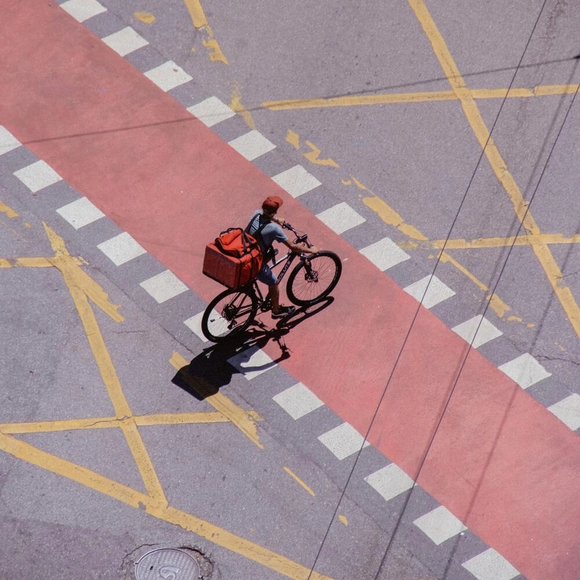
Bike lanes, with their distinct paths and dedicated signage, have increasingly shaped the urban landscape of many cities around the world. Their impacts range from reducing vehicular traffic to promoting healthier and more sustainable lifestyles. Episode 212 of Arquicast addresses this crucial topic, featuring architect and transportation engineering expert Janaína Amorim, a partner at Metrics Mobilidade. The discussion explored global best practices, design and architectural trends, and the impact of bicycle infrastructure on public health.
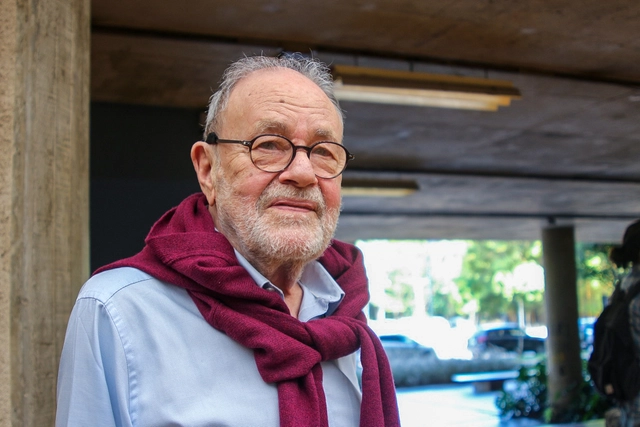
Sérgio Ferro is a Brazilian architect, artist, historian, and architectural critic who, due to his political activism during the military dictatorship, was imprisoned and exiled to France in the 1970s. Throughout his career, he has observed and intervened in the production spaces of civil construction, developing a critique of the production of plastic arts and architecture based on the construction process and its agents: the construction site, technologies, materials, and the builder.
In a historical context dominated by Eurocentric and male references, Ferro, along with architects Rodrigo Lefèvre and Flávio Império, formed Arquitetura Nova, a group that proposed debates centered on architectural production, the social role of the architect, and the relations of production on the construction site, challenging hegemonic thinking and practices, whether in design practice or academia. Following his exile, unable to practice as an architect, he dedicated himself to teaching at the École Nationale Supérieure d'Architecture de Grenoble.
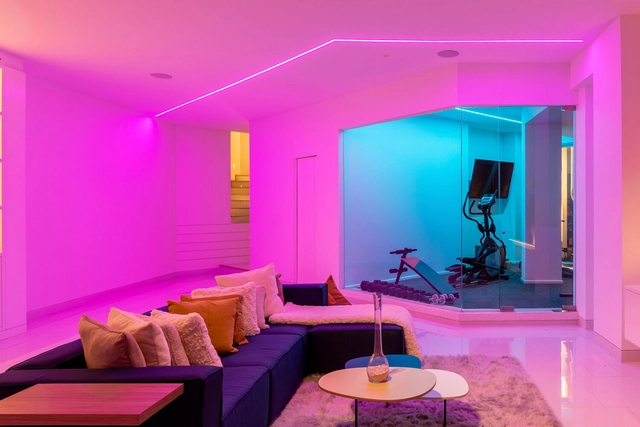
The history of light has undergone various transformations over the centuries; its intrinsic relationship with architecture itself has sparked expressions and critiques that, beyond serving as a tool to illuminate the inhabited world, directly influence how we perceive it and how the built environment is produced. Every lighting project is directly tied to its own understanding of quality, class, interpretation, intention, and meaning.
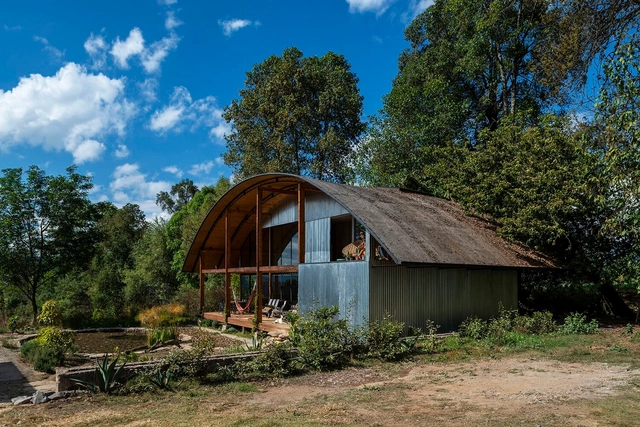
Agencia Social de Paisaje is a Mexico City-based practice driven by the conviction that landscape is a vital tool for designing new horizons. Drawing on logical and natural systems, they create coherent, functional, and holistic environments that foster a deep connection to place and its inhabitants. They are part of ArchDaily's Best New Practices of 2023.