This guide covers a workflow that moves from project parameters to generated floor plans, 3D perspective views, exterior design exploration, and site context visualization, using AI tools in place of preliminary CAD and rendering work.
This guide covers a workflow that moves from project parameters to generated floor plans, 3D perspective views, exterior design exploration, and site context visualization, using AI tools in place of preliminary CAD and rendering work.
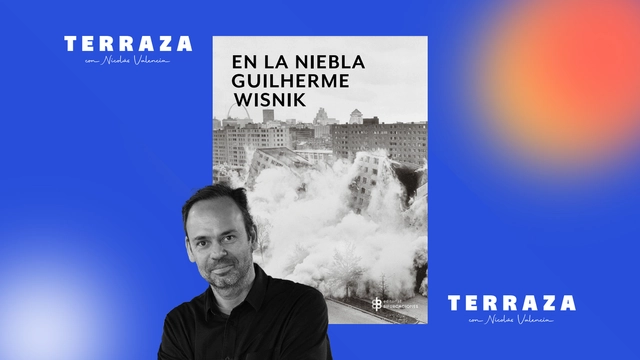
This week on the TERRAZA podcast, Nicolás Valencia talks with Brazilian architect and critic Guilherme Wisnik about his book En la niebla (Editorial Bifurcaciones), a series of essays where fog serves as a metaphor for the state of uncertainty in today's world, weaving together contemporary debates on space, art, and politics.
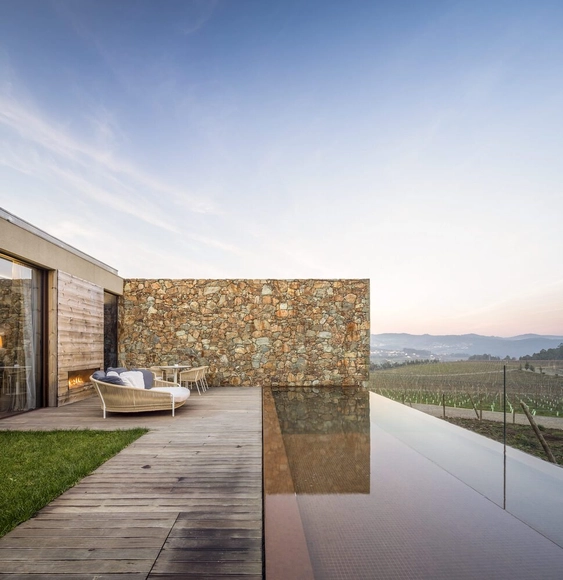
No País dos Arquitectos is a podcast created by Sara Nunes, who also runs the architectural film production company Building Pictures. The podcast aims to profile the professionals, projects, and stories behind landmark contemporary Portuguese architecture. With just over 10 million inhabitants, Portugal is a highly intriguing country in this professional field, and its architectural output far exceeds what its small population and territorial scale might suggest.
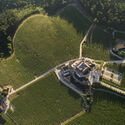
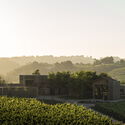
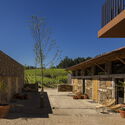
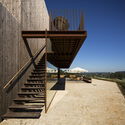
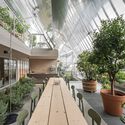
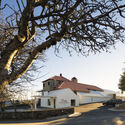
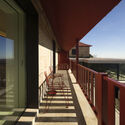
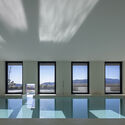
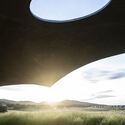
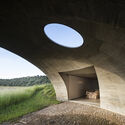
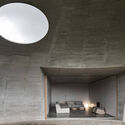
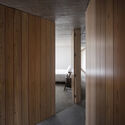
In this episode of the sixth season, Sara talks with architect Fernando Coelho of the firm FCC Arquitectura about the Monverde Rural Hotel project, located in Quinta da Lixa. Listen to the conversation and read an excerpt of the interview below.
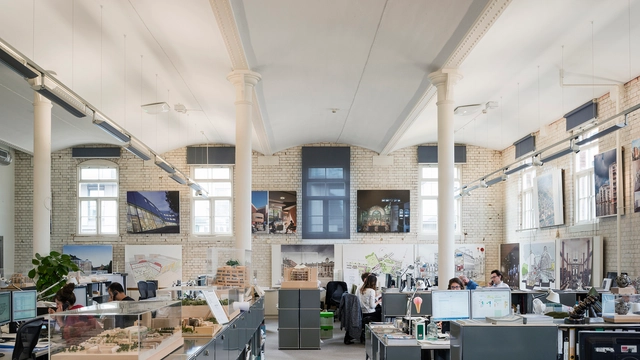
In the field of architecture, the challenges are multifaceted, including long working hours, low pay, inequality, and a lack of transparency. Yet, focusing solely on these negative aspects is often insufficient, if not simplistic. It is crucial to reflect on how we address these issues in our daily practice—promoting ethical decision-making, fostering teamwork and collaboration, and facilitating adaptation and innovation. While projects and clients often take center stage, we rarely delve deeply into the culture, work environments, routines, and dynamics of architecture firms.
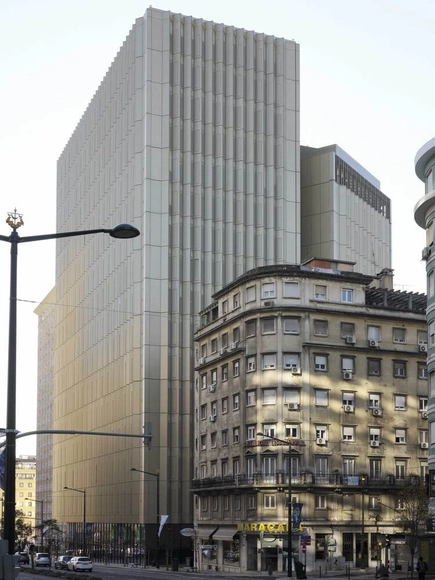
No País dos Arquitectos is a podcast created by Sara Nunes, who also runs the architectural film production company Building Pictures. The podcast aims to profile the professionals, projects, and stories behind landmark contemporary Portuguese architecture. With just over 10 million inhabitants, Portugal is a highly compelling country in this professional field, and its architectural output far exceeds what its population or territorial scale would suggest.
In this episode of the sixth season, Sara talks with architect Patrício Barbas, from the firm Barbas Lopes Arquitectos, about the FPM 41 project. Listen to the conversation and read part of the interview below.

Episode 213 of Arquicast explores the fascinating field of event architecture, highlighting the importance of designing spaces that transform simple occasions into memorable experiences. The robust resurgence of the event market after two challenging years during the pandemic reflects the human need to celebrate, share joy, and escape the daily routine. Behind these memorable experiences, however, are event architects and designers, whose attention to detail and creativity shape the success of every occasion.
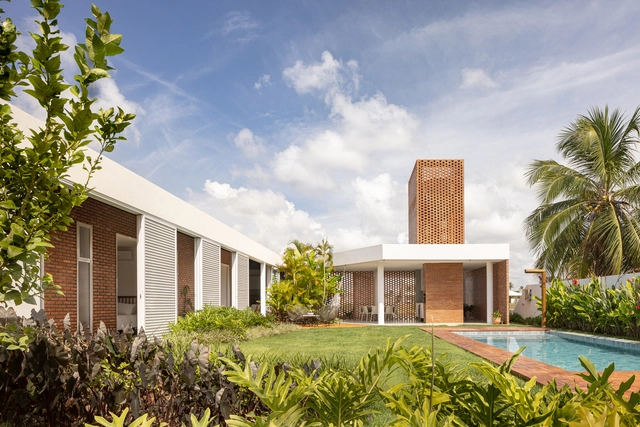
Review the best of architecture from the past week according to our readers and editors, featuring this selection of the most read articles, most visited projects, and most popular products on ArchDaily Brasil.
To make sure you don't miss the best of each week, subscribe to our weekly newsletter and receive these and other updates on architecture, cities, and the built environment directly in your inbox.
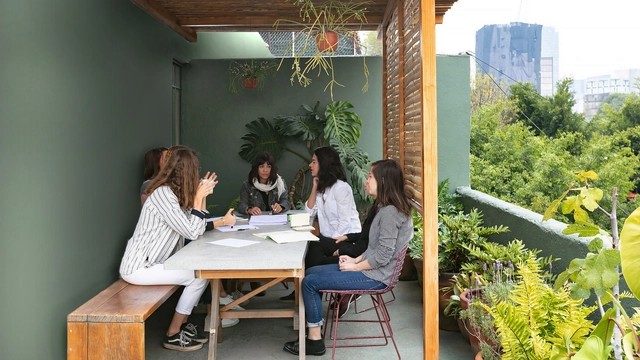
In this episode of Arquicast, a conversation with architects Liz Valente and Larissa Fioravante revisits the topic of work environments in architecture, bringing a new perspective to some of the discussions addressed in episode 214. The momentum for this "part 2" came from provocative comments from the audience, which prompted a deeper and more diverse reflection on the daily life of the profession. The participants shared their personal career paths, shaped by internships, experience in offices, the classroom, and even personal ventures.
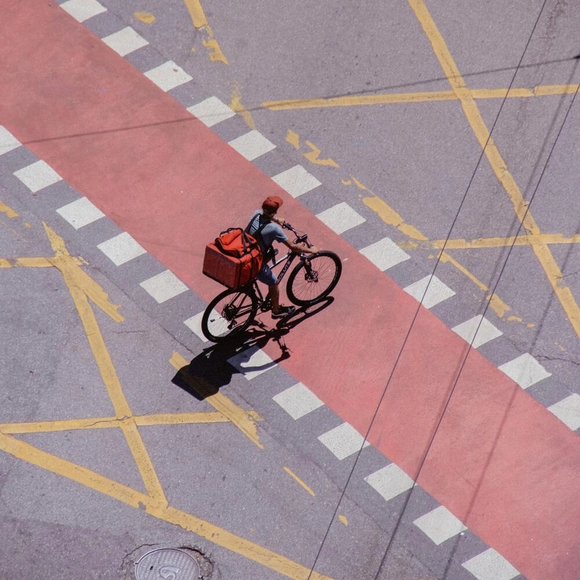
Bike lanes, with their distinct paths and dedicated signage, have increasingly shaped the urban landscape of many cities around the world. Their impacts range from reducing vehicular traffic to promoting healthier and more sustainable lifestyles. Episode 212 of Arquicast addresses this crucial topic, featuring architect and transportation engineering expert Janaína Amorim, a partner at Metrics Mobilidade. The discussion explored global best practices, design and architectural trends, and the impact of bicycle infrastructure on public health.
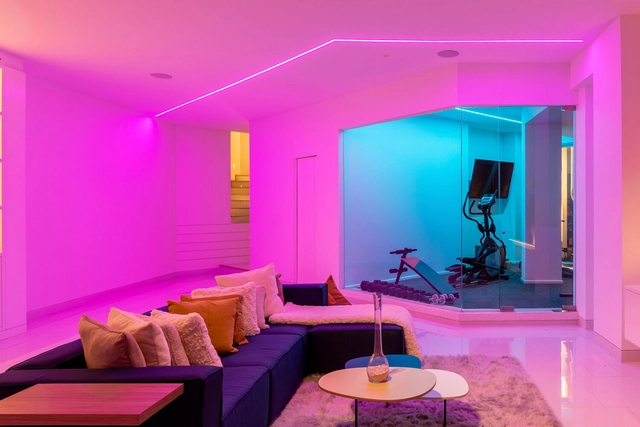
The history of light has undergone various transformations over the centuries; its intrinsic relationship with architecture itself has sparked expressions and critiques that, beyond serving as a tool to illuminate the inhabited world, directly influence how we perceive it and how the built environment is produced. Every lighting project is directly tied to its own understanding of quality, class, interpretation, intention, and meaning.
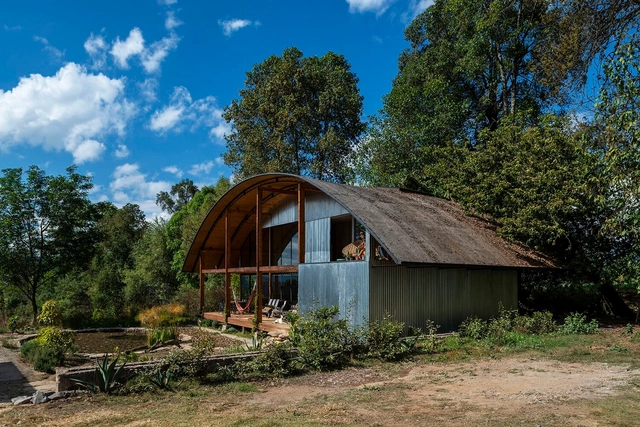
Agencia Social de Paisaje is a Mexico City-based practice driven by the conviction that landscape is a vital tool for designing new horizons. Drawing on logical and natural systems, they create coherent, functional, and holistic environments that foster a deep connection to place and its inhabitants. They are part of ArchDaily's Best New Practices of 2023.
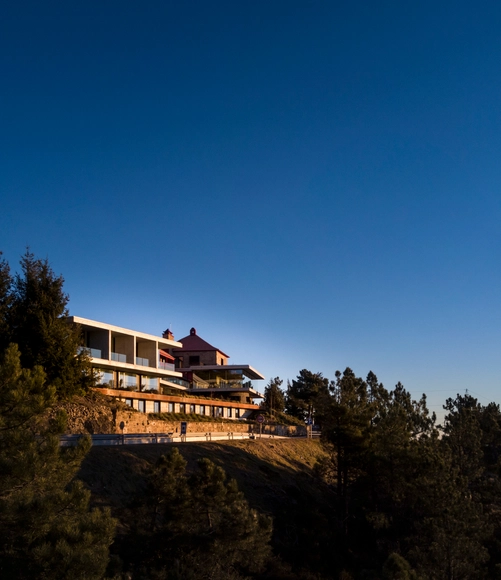
No País dos Arquitectos is a podcast created by Sara Nunes, who is also responsible for the architectural film production company Building Pictures. The podcast aims to get to know the professionals, projects, and stories behind benchmark contemporary Portuguese architecture. With just over 10 million inhabitants, Portugal is a highly intriguing country within this professional field, and its architectural output far exceeds what its population or territorial scale would suggest.
In this episode of the sixth season, Sara talks with architects Patrícia Marques and Paulo Costa of Site Specific Arquitectura, about the project Casa de São Lourenço – Burel Panorama Hotel. Listen to the conversation and read part of the interview below.
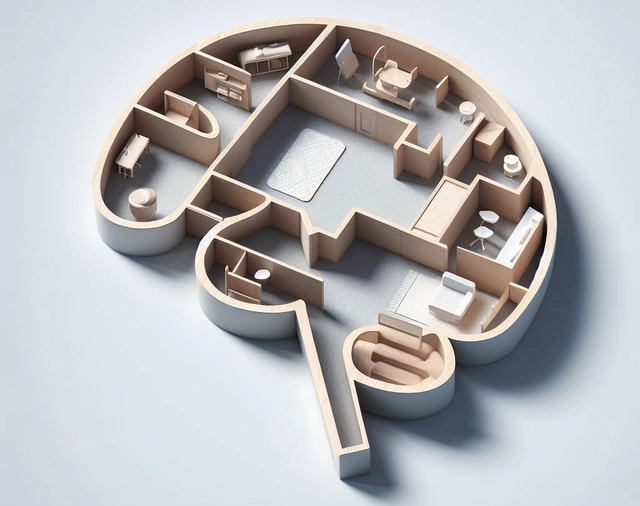
Neuroarchitecture is a discipline that has gained prominence in architecture and interior design circles in recent years. It seeks to bridge the fields of architecture and neuroscience, with the goal of creating spaces that positively impact our well-being and behavior. Arquicast invited two experts in the field, Nicole Ferrer and Lori Crizel, to discuss the concept of neuroarchitecture, current trends in professional training, its scientific foundation, and the ethical and future implications of this approach.
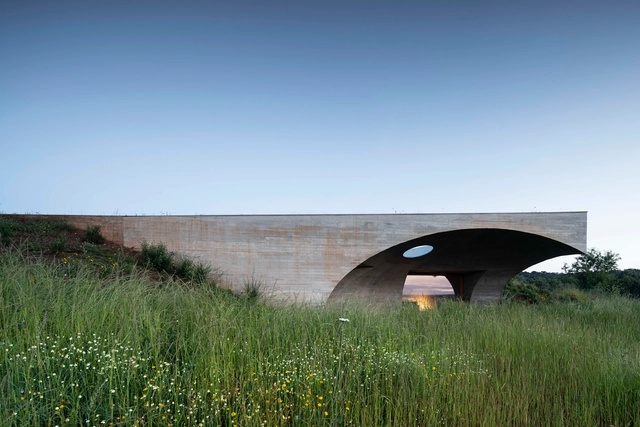
No País dos Arquitectos is a podcast created by Sara Nunes, who is also responsible for the architectural film production company Building Pictures. The podcast aims to profile the professionals, projects, and stories behind leading contemporary Portuguese architecture. With just over 10 million inhabitants, Portugal is a highly compelling country in this professional field, and its architectural output far exceeds its population or territorial scale.
In the first episode of the sixth season, Sara talks with Manuel Aires Mateus of the firm Aires Mateus about the House in Monsaraz. Listen to the conversation and read part of the interview below.
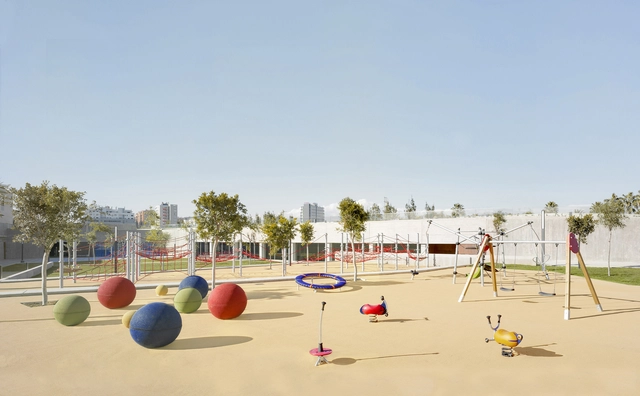
Play represents a key opportunity for children to acquire skills and knowledge in a natural and engaging way. Among the key innovations in early childhood and primary education, play stands out as a central axis of the learning process, serving as a fundamental pedagogical principle to achieve educational goals. Combining play with outdoor learning fosters exploration, experimentation, sensory stimulation, and motor development during childhood.
Featuring diverse materials, designs, and dynamics, the playground equipment represented by Urbanplay fosters open, spontaneous interactions, providing children with spaces to take risks, explore, and connect with nature.
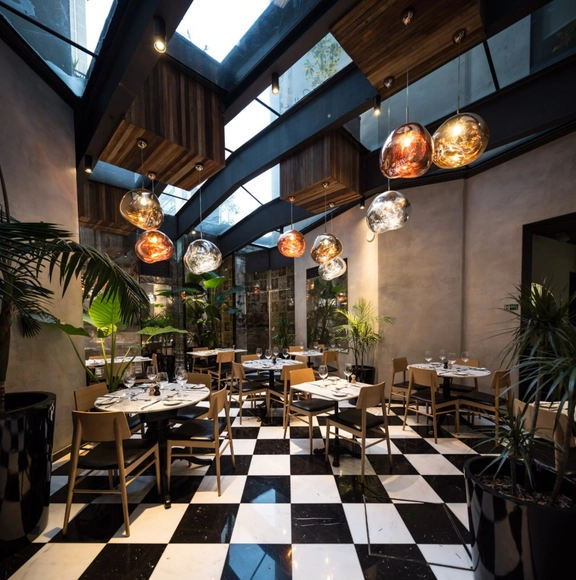
Hotel Magnolia, designed by architect Cazú Zegers and built in 2013 in Santiago, Chile, has been featured for the fourth consecutive year in the Condé Nast Traveler Readers' Choice Awards, ranking among the Top 20 Hotels in South America.

As part of a new collaboration between Mexican firms Dellekamp Arquitectos and Rojkind Arquitectos, Casa Roca is presented in Puerto Los Cabos, San José del Cabo, Mexico. Inspired by the rock formations at the site's summit, the project features a radial layout carefully organized in response to its topography. Sited on a 5,000 m² lot, the 1,200 m² house organizes its program along the natural landscape, minimizing its footprint and establishing a close relationship with nature as the core living experience.
Some symbols transcend language barriers, easily recognized and understood across different cultures—such as restroom icons, the medical cross, and, more recently, the universal Wi-Fi symbol. Among these ubiquitous graphics is the "recycling" logo, conceived in 1971 by architect and designer Gary Anderson while he was a student at the University of Southern California. The symbol features three clockwise arrows forming a triangle, representing industry, consumers, and recycling, respectively.
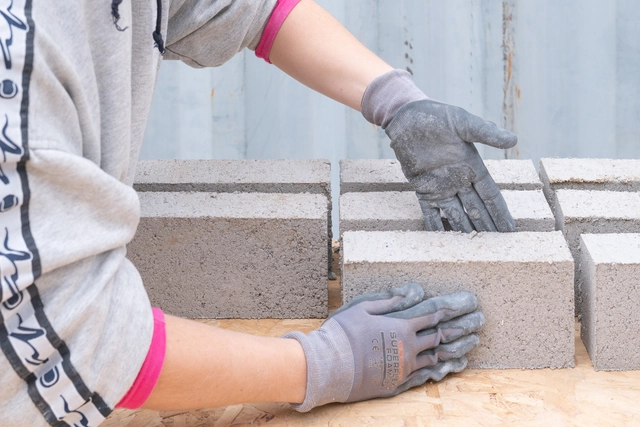
Reintegrating what is typically discarded as waste back into the production cycle is a core tenet of the circular economy. This concept is particularly relevant to the construction industry, which has historically relied on resource extraction and destruction to sustain itself. Because the brick is synonymous with building anew, nothing embodies the circular concept quite like it. Innovators have risen to the challenge, devising solutions that transform waste into high-value resources, producing building blocks from raw waste materials ranging from seaweed and plastic to human hair. These innovations not only address pressing environmental concerns but also fundamentally redefine how we construct and inhabit our spaces. In this article, we highlight seven initiatives turning waste into valuable building blocks.
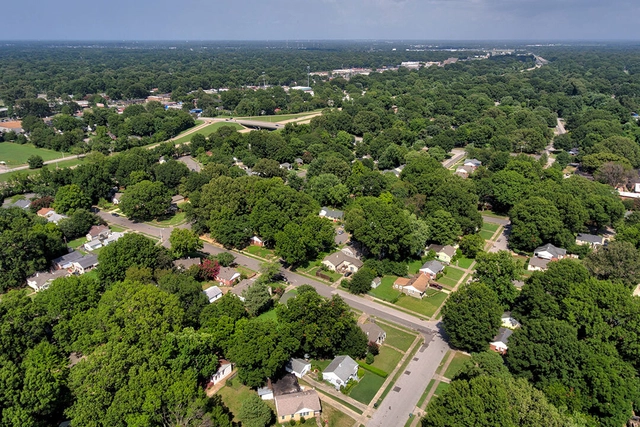
On a recent trip to the United States, looking out the airplane window while taking off from Tampa, Florida, I was struck by the pristine green landscape of the American suburb. Neatly organized rows of seemingly identical trees blanketed the flat terrain like a green carpet. To some, this abundance of green might look like a dream of environmentally integrated sustainability.
Nothing could be further from the truth. The American suburb, based on the outdated concept of the “garden city,” was designed to favor the automobile, low-density single-family housing, and single-use zoning. This model virtually rules out active transportation (walking or cycling) and makes mass transit—which relies on density and walkability—wholly unviable.
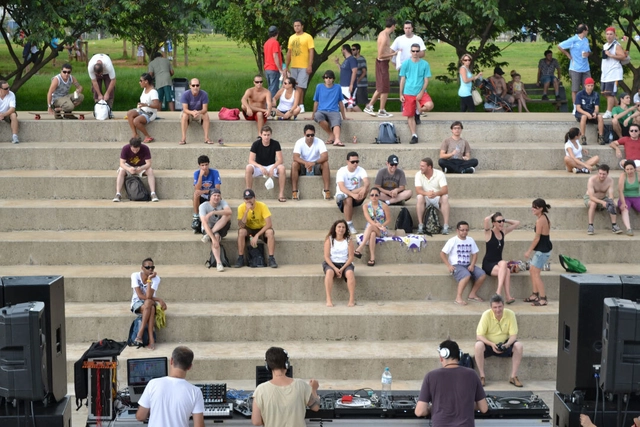
A few days ago, on a beautiful, sunny Sunday in the middle of winter, my wife and I decided to take our two young children to visit Villa-Lobos Park, in the far west of the city of São Paulo, nearly on the border with Osasco.
It is not a park we visit often nowadays, but it undoubtedly holds a special place in our personal history. She grew up in Cotia; I, in Osasco. Both cities lie in the western part of the São Paulo Metropolitan Area, and the park was perhaps the main public space relatively close to our homes during our childhood and youth. We even have photos from when we first started dating in 2013, capturing idle moments—sometimes stretched out on a broad green lawn, other times embracing under a blossoming tree.
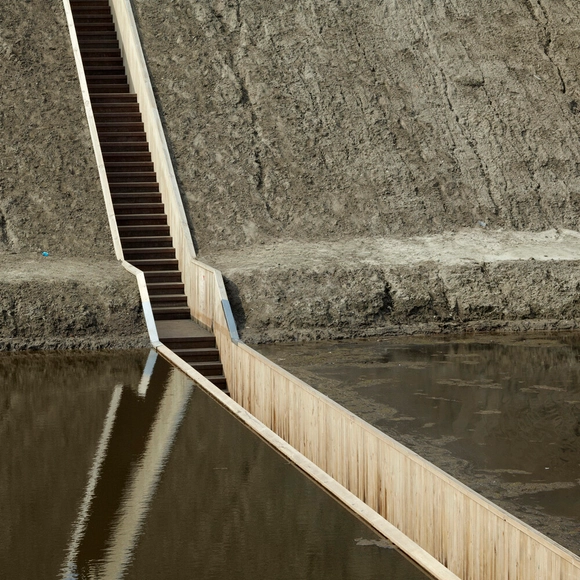
It is increasingly common to observe how current generations, characterized by greater respect and awareness of the environment, seek new ways to interact with nature while assuming a deep responsibility to protect it. Accordingly, the future of architecture is closely tied to the ability to balance these desires and obligations, particularly in the design of natural public spaces.
By integrating subtle paths and walkways, public space design can open up access for people of all ages and abilities. Combined with a natural material palette, architects and designers can create spaces that complement their surroundings. Yet, however beautiful these natural areas may be, making them safe and suitable for visitors can have detrimental effects on the environment. Consequently, design and material selection must be approached mindfully and with care.
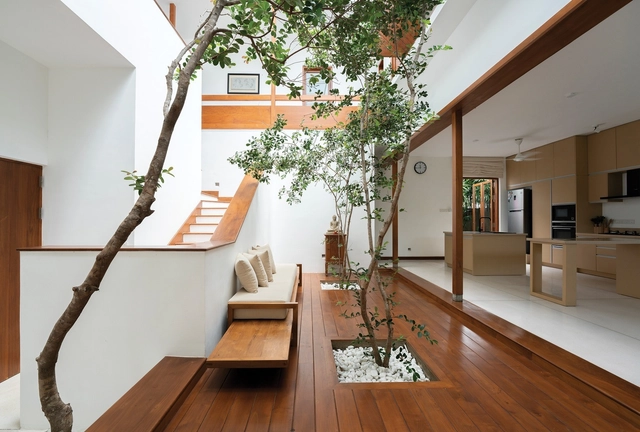
Residential architecture plays a vital role in people's lives, influencing their quality of life and well-being. To design environments that are truly tailored to the biopsychosocial needs of each user, it is essential to incorporate the principles of neuroscience applied to architecture. In this regard, Rudolf Steiner's Seven-Year Cycles theory offers a valuable conceptual framework for understanding the different phases of life and their implications for home design. This article addresses the stages of the architectural project, from briefing to execution, highlighting the relevance of cognitive and behavioral neuroscience concepts—such as priming, framing, nudging, wayfinding, salutogenic design, and biophilic design—in light of the Seven-Year Cycles theory.
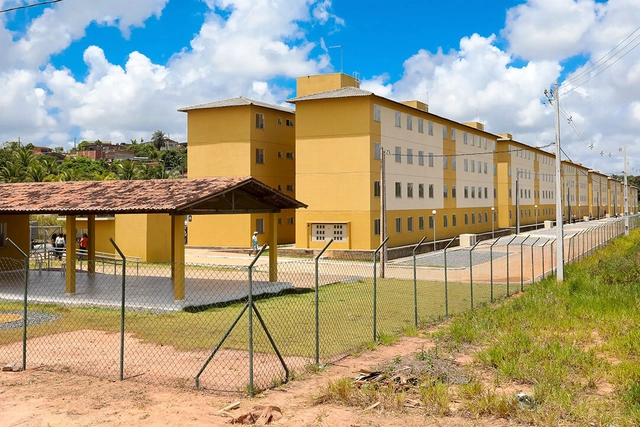
I suspect many readers here experience the same, shall we say, “predicament” as I do: as soon as we step outside our “bubble,” advocating for urban design principles that seem obvious to us — such as eliminating fences and walls, and promoting public access, visual permeability, mixed-use zoning, and active frontages — inevitably runs into the same obstacle: the lack of public safety.
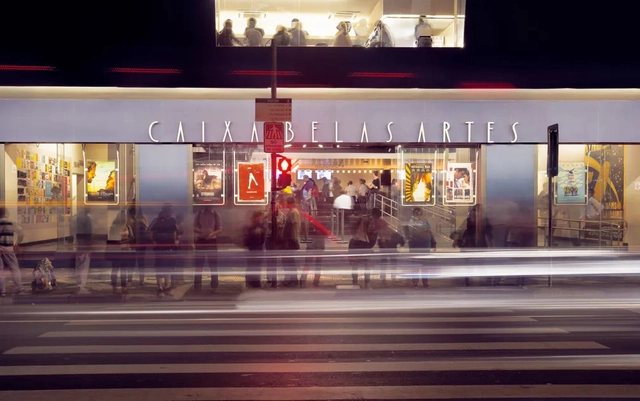
In the 1940s, as director of the Division of Studies and Heritage Listing at IPHAN, Lucio Costa sent his staff into the field to identify the cultural heritage scattered across Brazil, waiting to be discovered.
“Who,” “when,” and “how” were the questions his assistants had up their sleeves. Supposedly, they were meant to reveal the characteristics of the analyzed assets, in order to then categorize them as worthy or unworthy of heritage listing.
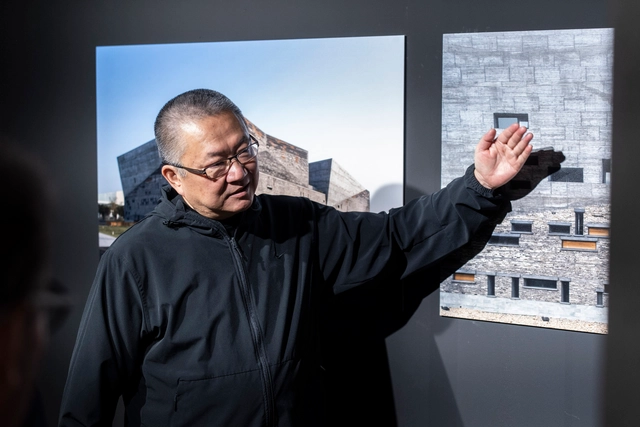
In October 2023, the Mugak International Architecture Biennial of the Basque Country opened its fourth central exhibition in the city of San Sebastián, Spain, the result of a collective dialogue between key figures from the architectural and artistic worlds. Positioned as one of the leading architectural events of the Atlantic Arc, this public meeting point engages with the trends and concerns of our time.
Running through February 2024 with free admission at the Basque Country Architecture Institute, the reflective exhibition "Habitar el Cambio" (Inhabiting Change) is structured around the concepts of "rebuilding, rehabilitating, and rethinking," responding to the current climate of complexity and crisis across economic, health, ecological, and social spheres.