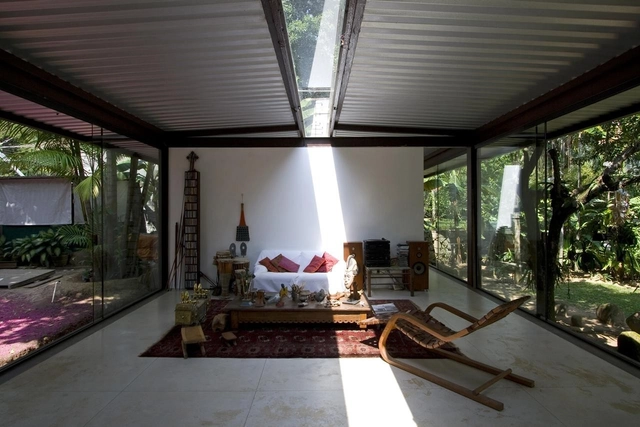
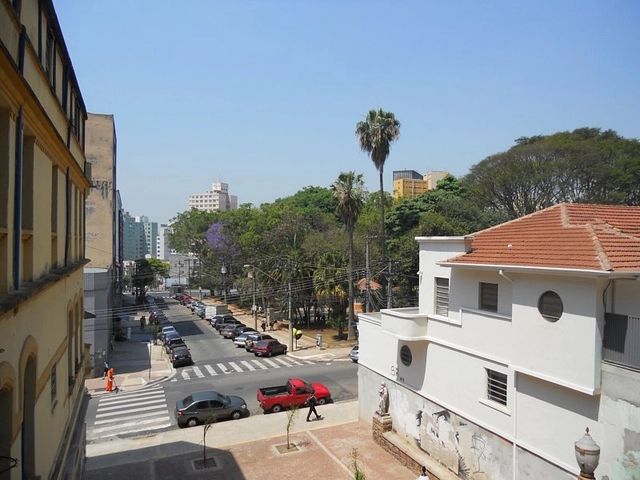
In recent years, the term mobility has increasingly appeared in the media, likely driven by the establishment of the National Urban Mobility Policy (PNMU) in January 2012 and the requirement to develop Urban Mobility Plans. However, the term often loses its meaning when it becomes synonymous with transportation. Indeed, it does, as these two words do not share the same definition. Mobility is not limited to transportation.
https://www.archdaily.com/1114802/mobility-is-not-synonymous-with-transportationWRI Brasil
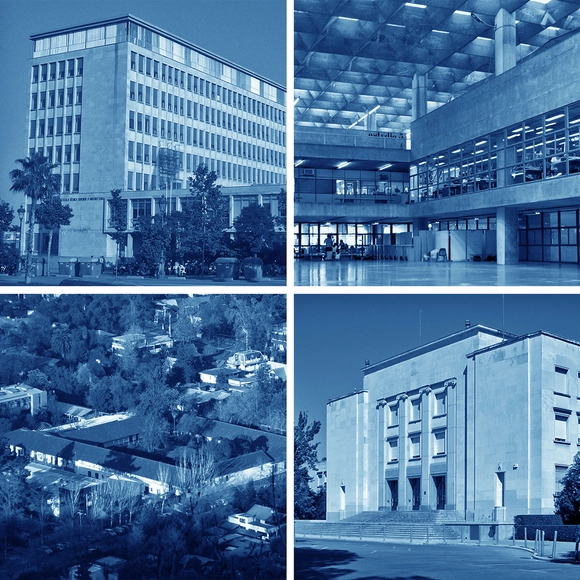
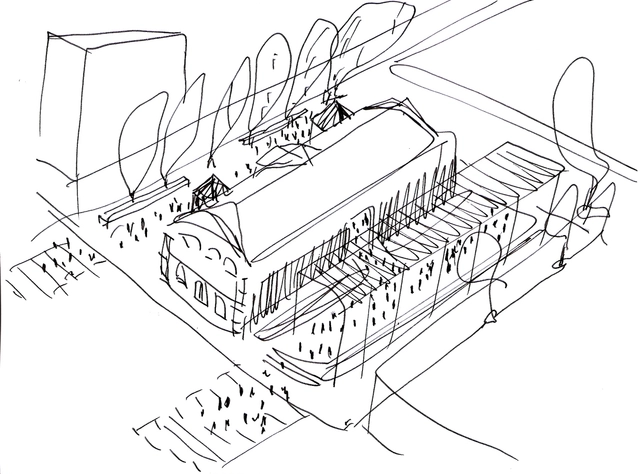
The "Amenidades Urbanas" public initiative addresses co-production based on outreach and participation, responding to the challenge of connecting "different natures" within a single system: a sector in Caracas fragmented by large-scale infrastructure projects.
The first phase of these built urban interventions consists of diverse actions aimed at reactivating civic spaces. These new dynamics seek to redefine the street as a space for dialogue and mediation, occupying neglected voids and reclaiming the city's original human scale.
Read on to learn more about the project in the words of its authors.
The reality of many Brazilian cities is so challenging that it would make many mayoral candidates hesitant to take on the task of public administration. With this in mind, and aiming to bring political and urban discussions to children and teenagers, the Brava Foundation, in partnership with the Wilson Center's Brazil Institute, developed Cidade em Jogo, a free app reminiscent of the famous game SimCity, yet featuring problems and challenges typical of Brazilian cities.
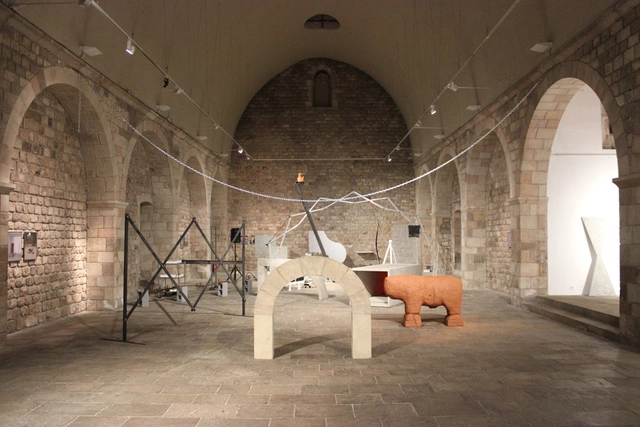
Fundación Arquia has published a new issue of its digital magazine Arquetipos, featuring an interview with sculptor and artist David Bestué, conducted by architect Moisés Puente with photography by José Hevia. The issue also includes articles on Olympic urban planning, the relationship between architecture and sculpture in the work of Chillida, Enric Miralles, Sert, Kiesler, and much more.
In the interview, titled "Language as Object," David Bestué (Barcelona, 1980) discusses how he approaches architectural space in his work, the influence of artists such as Dan Graham, Robert Smithson, Gordon Matta-Clark, and Juan Muñoz, and his interest in the formal qualities of work by architects Enric Miralles and Carme Pinós (the "local modern").
More than 50,000 people visited the Casa da Arquitectura – Portuguese Center for Architecture during its first year in the rehabilitated Real Vinícola block, in Matosinhos. To celebrate this first anniversary, the institution is organizing three days of free activities for everyone on November 16, 17, and 18.
Featuring guided tours, conferences, talks, presentations, book launches, and concerts, Casa da Arquitectura's anniversary program offers about 30 events for all audiences, including families and children. The block's outdoor space will also host various artistic performances.
Lake Verea is composed of Francisca Rivero-Lake Cortina (Mexico City, 1973) and Carla Verea Hernández (Mexico City, 1978). They have worked as a duo since 2005. Their practice focuses on experimenting with photographic techniques and formats to achieve a personal and intimate perspective. They live and work in Mexico City and around the world. Their research interests center on the portraiture of architecture and the architecture of portraiture, the search for modern ruins, and the emotional interpretation of the spatial journey.
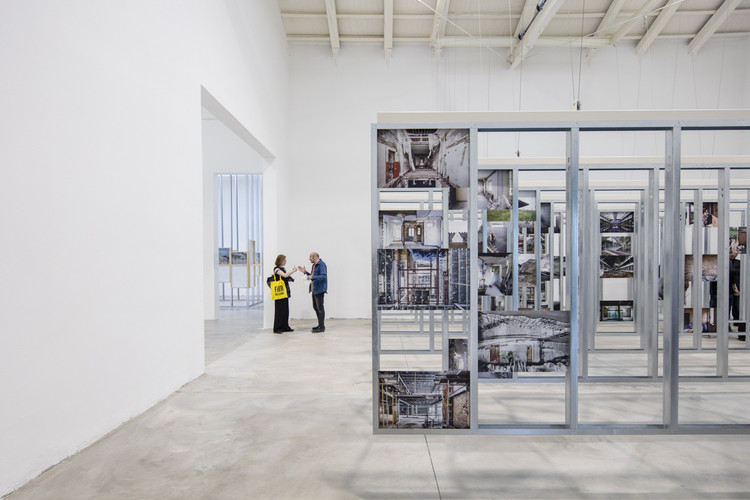
Their latest contribution is a series commissioned by Gabriela Etchegaray for the 16th International Architecture Exhibition of the Venice Biennale. Featured in the Mexican Pavilion, “Echoes of a Land,” they conceive architectural portraits through an intimate approach, using fragments to compose a narrative where the architectural subject is personally reinterpreted.
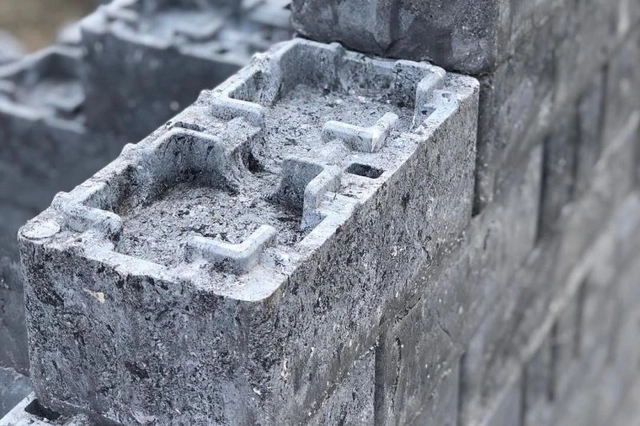
One of the most traditional festivals in Brazil's South region, Oktoberfest has launched a sustainability-focused initiative. In addition to serving thousands of liters of draft beer, the event's 2018 edition will support the environment by transforming plastic cups used during the 19-day festival into bricks and furniture for community gardens.
Dubbed "Oktober Consciente" (Conscious Oktoberfest), the initiative was created by the Instituto Gigantes da Ecologia (IGE), a non-profit civil association based in Blumenau, Santa Catarina. The project aims to raise awareness and promote environmental best practices among attendees of what is considered one of the largest German festivals in the world.
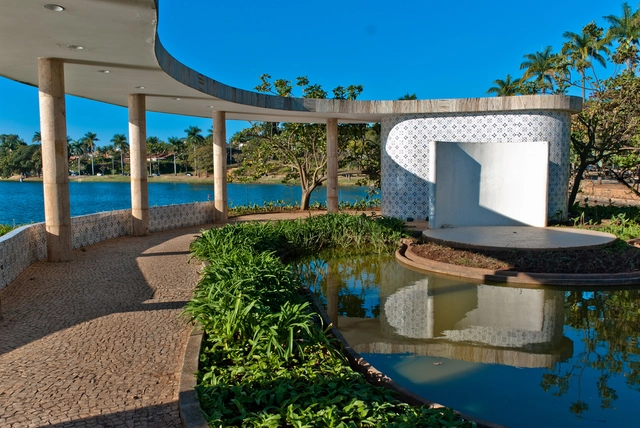
The Municipal Cultural Foundation of Belo Horizonte has launched a call for proposals to occupy the Casa do Baile, designed by Oscar Niemeyer in Pampulha. Submitted proposals must address the themes of architecture, urbanism, and design.
Bauru Railway Station. Photo: Rafael Kage/Flickr. Image via HAUS
At the height of the railways in the mid-20th century, the state of São Paulo had around 500 railway stations. With the end of long-distance passenger train services during the 1980s and early 1990s, much of this heritage was abandoned, and those structures that escaped looting and vandalism eventually collapsed due to a lack of maintenance. Today, fewer than 50% of these stations remain standing, according to the Brazilian Association of Railway Preservation (ABPF).
Playful experiences have long been a subject of research and experimentation for professionals across diverse fields. Interested in establishing a serious, committed dialogue around a lighthearted subject—which has yielded highly compelling initiatives across various disciplines over time—these practitioners prompt a debate on the potential of tools that foster experiences of pleasure, imagination, fun, and, in many cases, childhood.
In the field of architecture, notable projects have leveraged play as a design strategy. A key example of this approach is the Apollo Schools by Dutch architect Herman Hertzberger. These buildings, aligned with an avant-garde approach to primary education, materialize design principles from a pedagogical proposal centered on the playful and collective nature of children's learning.
These are the best universities in 2018 to study architecture in Spain and Latin America. Image
On Wednesday, February 28, Quacquarelli Symonds (QS) released the 2018 edition of its annual ranking of the world's best universities. In the field of architecture, the Massachusetts Institute of Technology (MIT) in the United States once again leads the list for the fourth consecutive year.
In Latin America and Spain, the ranking has shifted once again compared to 2017: a Mexican university has broken into the top five, while Spain has expanded its representation at the expense of Brazilian institutions. Furthermore, two universities have entered the regional ranking in this edition. Discover the top institutions below!
On February 10, the Akademie der Künste (Academy of Arts) in Berlin opened the Spanish photography exhibition UNFINISHED, which won the Golden Lion at the 2016 Venice Biennale.
Spain is one of the countries where the economic crisis has most severely affected architectural practice. Many publicly and privately funded buildings were under construction when the crisis hit, and a large number of them were left unfinished.
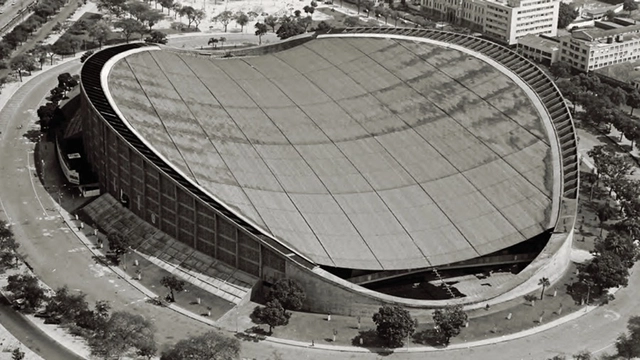
Pavilhão de São Cristóvão. Image Cortesia de Bernardes Arquitetura
With a professional career marked by prolific production and research, not only in architecture but across a range of other interrelated fields, Sérgio Bernardes began working at a very young age, founding his first model-making workshop at thirteen. At fifteen—even before entering architecture school—he designed his first project, the Eduardo Baouth residence in Itaipava, Rio de Janeiro, for family friends. Beyond architecture, he also ventured into other fields, such as woodworking.
In 1948, he graduated from the School of Architecture at the University of Rio de Janeiro, at a time when Brazilian modernism was gaining prominent international recognition, following the country's participation in the 1939 New York World's Fair and after Brazilian modernist works were exhibited at MoMA in 1943. Even before completing his degree, Sérgio secured his first architectural publication, featuring his Petrópolis Country Club project in the magazine L’Architecture d’Aujourd’hui.
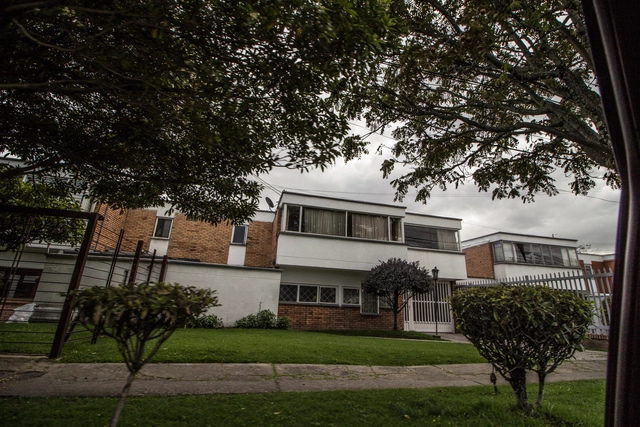
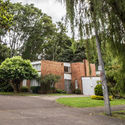
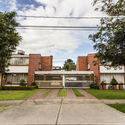
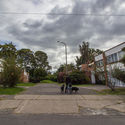
Walking the streets of Bogotá, one is inevitably captivated by the mix of artistic currents across every block. The diverse constructions reflecting history, the passage of time, and the survival of houses and buildings in the face of the city's imminent spatial shifts create a sort of architectural palimpsest—where some structures are repurposed and spaces are renovated, yet the imprint of history endures.
Indeed, the Niza Antigua neighborhood was one of the districts declared a cultural heritage site. Designed by architect Willy Drews in the 1960s, its location—at the time far from Bogotá's financial and commercial center—prompted a series of shifts in the lifestyles of its residents, while the absence of fences and the proximity between houses fostered a strong sense of community among neighbors.
Coin honoring Eduardo Souto de Moura. Image via Banco de Portugal. Publicity
A commemorative coin honoring architect Eduardo Souto de Moura will be put into circulation this week in Portugal. As part of the "Portuguese Architecture" series of thematic coins issued by the Banco de Portugal, the coin, which has a face value of 7.50 Euros, will be available to the public starting this Wednesday, December 12, at Banco de Portugal treasuries and credit institutions.
Bixiga, one of São Paulo's most traditional neighborhoods, has gained significant historical and tourist importance over the years, thanks to its cantinas, street festivals, and vibrant cultural scene. However, many of the neighborhood's other layers and histories are harder to discover and access. Recognizing these numerous attractions, heritage sites, and the overall complexity of the area, and believing in the importance of walking, the NGO SampaPé! has launched the "Bixiga a Pé!" map, which highlights Bixiga's diverse historical and cultural layers for those exploring the neighborhood on foot.
During the recent Architecture Month in Mendoza, we had the opportunity to learn more about the work of architect Adolfo Mondejar and their studio. We were particularly struck by their graphic style and how they use sketching as a communication tool to abstract key aspects of their projects and designs. Axonometric views, the use of color for emphasis, and loose lines shape the visual landscape of the architect's travels and projects.
Located 2,600 meters above sea level is the so-called “green lung” of the city of Bogotá. This is Simón Bolívar Central Park, recognized as the most important and largest in the Colombian capital. Geared toward recreation, sports, and cultural events, this space is located in the locality of Barrios Unidos, making it easily accessible to most residents and tourists. On this day, December 15, 1991, its official inauguration took place.
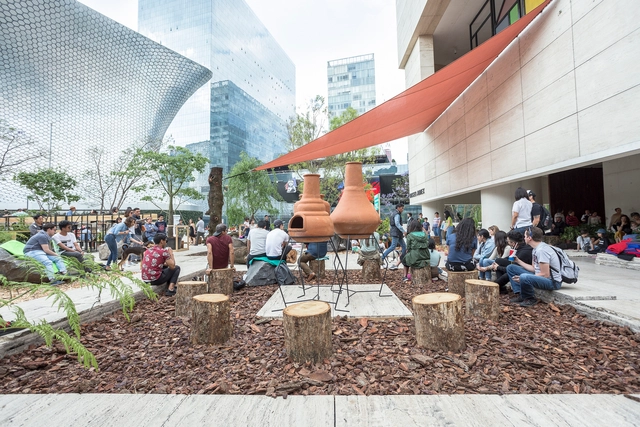
Museo Jumex presents 'Propuestas para una plaza', a collaborative project by artists Fritz Haeg (United States, 1969) and Nils Norman (United Kingdom, 1966). This temporary installation, commissioned as part of the series 'Ágora: un anteproyecto para la utopía', will invite the public to imagine and participate in an alternative vision of the museum's plaza.
Fernando Guerra, one of the most prolific photographers in the field of architecture, is set to be the subject of a documentary directed by Sara Nunes and produced by Portugal's Building Pictures. The Flying Photographer, the film's working title, is drawn from a dedication by Álvaro Siza, an architect whose works and life Guerra has been extensively documenting.
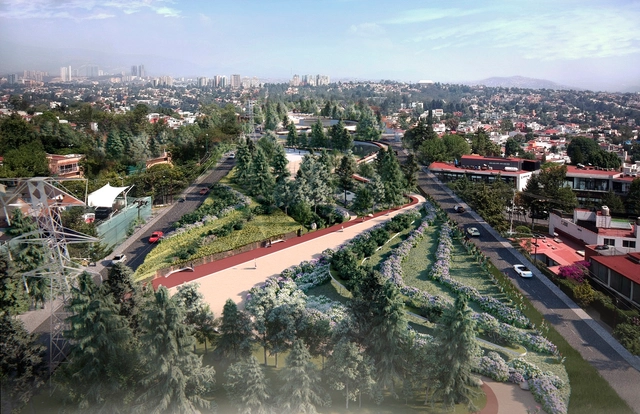
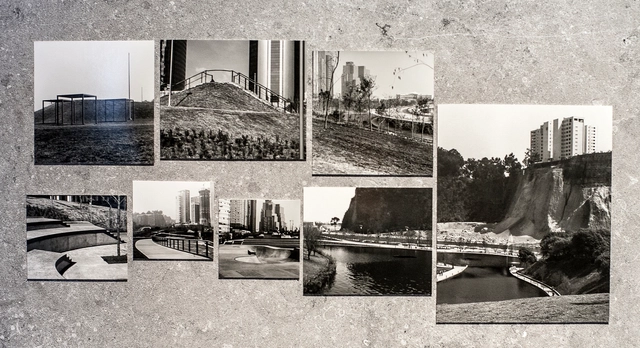
Designed by the Mexican firm RA!, the HXQ Linear Park project is an urban intervention located on the eastern side of the municipality of Huixquilucan, State of Mexico, where three parks are currently fragmented by ravines, streets, and underutilized spaces. The park is divided into three distinct zones—Tecamachalco, La Herradura, and Bosques de Minas—all connected by the high-voltage power lines around which the parks were originally created. Over time, rugged topography and busy roadways have isolated these areas, turning them into desolate, unsafe, and neglected spaces.
Alfred Willer, a Czech architect who built his career in Brazil, has his story told in the feature-length documentary Red Trees [Red Trees], directed by his daughter, designer Marina Willer. After making its world premiere at the 2017 Cannes Film Festival and opening in theaters in New York, Los Angeles, and Miami, the documentary will have its national premiere on March 29.
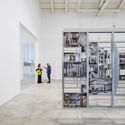
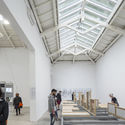
Carla Juaçaba is an architect working in Rio de Janeiro, where she designs diverse spaces through a practice that emphasizes the unique and vibrant Brazilian context.

.jpg__José_Alberto_Bastidas.jpg?1539798976)
















.jpg?1545014447&format=webp&width=640&height=580)