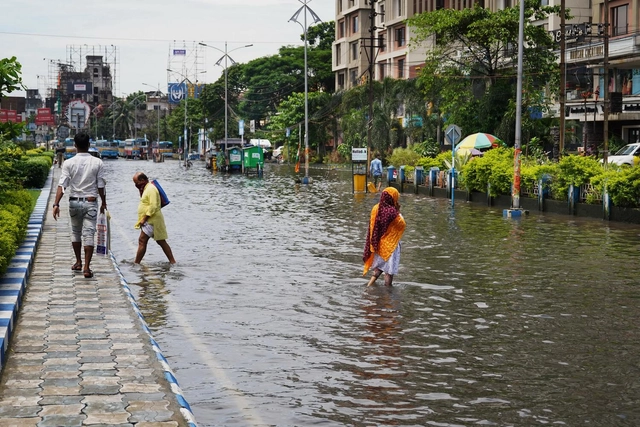
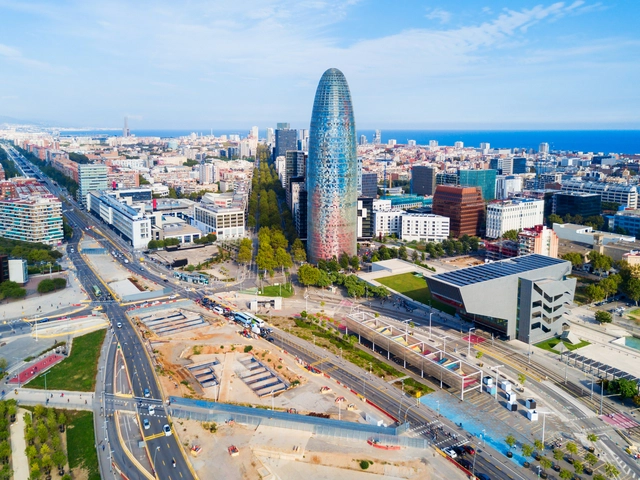
We have less than seven years to halve greenhouse gas emissions if we want to limit global warming to 1.5°C, the threshold scientists consider necessary to avoid some of the most dangerous impacts of climate change. In 2022, floods, droughts, and severe heatwaves claimed thousands of lives and affected millions worldwide, offering a glimpse of what to expect if we fail to take climate action. Since cities account for more than 60% of global emissions and are home to more than half of the world's population, changing how we manage the urban environment must be at the center of our efforts to curb the climate crisis.
https://www.archdaily.com/1136102/5-climate-actions-cities-must-prioritize-starting-in-2023Rogier van den Berg e Leo Horn-Phathanothai
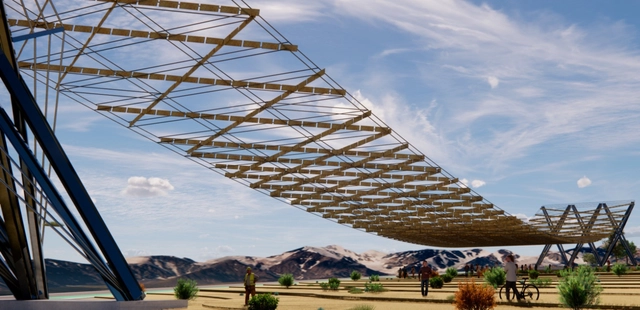
Pérgola y Plaza de Acceso diseñada por Solano Benítez. Image Cortesía de BID
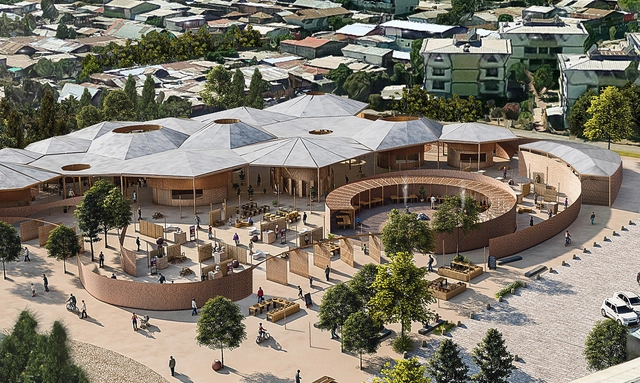
As perimeter walls are dismantled, a new layout is taking shape on the runway of Mendoza's former airfield. This adaptive reuse initiative, driven by the Inter-American Development Bank (IDB) and the municipal government, seeks to repurpose the vacant 72-hectare site to explore and develop a more open, inclusive, and carbon-neutral city. The master plan focuses on strategies addressing environmental and climate sustainability, efficient energy, water, and sanitation management, housing, mobility, and accessible public spaces, alongside social inclusion and local development. The plan envisions the integration of infrastructure, parks, green spaces, commercial and dining uses, a technology and innovation hub, and the development of new single-family and collective housing models: "the housing of the future."
The official presentation of the project to Mendoza government authorities, IDB representatives, students, and other guests took place on the site of the former airfield. For this occasion, renowned Paraguayan architect Solano Benítez was invited to design and construct an entrance pergola for the "city of the future." The structure aligns with the urban project's circular economy framework, blending craftsmanship and prefabrication to "transition from traditional construction dependent on high-embodied-energy systems toward reusing materials with lower energy expenditure," according to IDB architects and urban planners Felipe Vera and Matías Lince. Grounded in exploring the tectonic potential of brick—the quintessential material of Paraguayan construction—Benítez's work focuses on delivering efficient, local architectural solutions that prioritize the intelligent use of materials.
https://www.archdaily.com/1136107/solano-benitez-on-the-city-of-the-future-in-mendoza-to-build-with-the-least-amount-of-matter-and-energyFabian Dejtiar + Paula Pintos
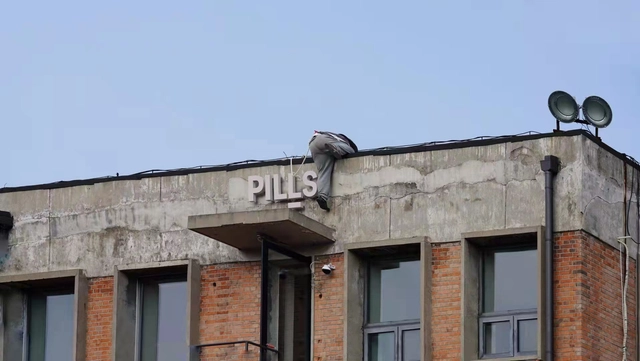
PILLS is a Beijing-based research studio for architecture. Our practice primarily encompasses speculative endeavors in architectural and interior design, installation and exhibition design, urban and landscape design, as well as cross-media production and cultural dissemination. Spanning installations to public buildings, and cultural projects to commercial developments, PILLS actively delivers diverse urban and architectural design services while simultaneously leveraging various media to drive the production of contemporary architectural culture.
The studio’s architectural, research, and art projects are widely recognized within the discipline. Our work has been showcased at major international exhibitions, including the Venice Biennale of Architecture, Lisbon Architecture Triennale, Oslo Architecture Triennale, Seoul Biennale of Architecture and Urbanism, Helsinki Design Week, Shenzhen-Hong Kong Bi-City Biennale of Urbanism\Architecture (UABB), Shanghai Urban Space Art Season (SUSAS), Beijing Art Biennale, National Exhibition of Fine Arts, Shanghai Power Station of Art (PSA) Emerging Curators Project, Hyundai Motorstudio Beijing Youth Curator Program, Get It Louder, the "Nine-Tiered Pagoda" exhibition at Shenzhen Pingshan Art Museum, and "A New Generation of Working Methods" at the Synaesthetic Museum. The studio’s projects have also won numerous accolades, including First Prize in the Fairytales Competition, First Prize in the Jacques Rougerie Competition, and the Academic Committee Award at the Shenzhen-Hong Kong Bi-City Biennale of Urbanism\Architecture (UABB).
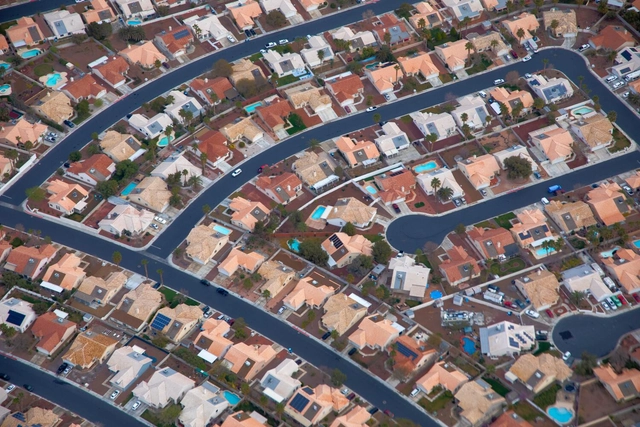
Zoning is the primary tool for urban regulation adopted worldwide. It consists of dividing urban territory into a series of zones, establishing permitted uses for each and setting parameters for the structures that can be built on each lot. In theory, zoning pursues two main objectives: preventing nuisances generated by specific uses and limiting development density to the capacity of existing infrastructure.
From fire in prehistoric caves to street lighting in smart cities, lighting has evolved steadily alongside technological advancements. In recent years, however, it has begun to transform even more significantly in terms of design and functionality, driven by a growing awareness of its impact on the environment and human health.
Founded in 2002 by a group of architects with diverse academic backgrounds from both China and abroad, Verse Design has been deeply engaged in exploring various scales of design for over twenty years, including urban design, architectural design, community making, and residential product systems. Through years of practice, the firm has developed a systematic and continuous design logic and methodology. From programming and planning to urban design, and from schematic design to detail control, a "craftsman's spirit" permeates every phase of our work. We are dedicated to the process of identifying problems, refining solutions, and executing them, maintaining an exceptionally high standard for project implementation and completion. Our primary project types include cultural tourism resort towns, resort hotels, as well as cultural and community lifestyle amenities.
Verse Design maintains a boutique team size and a flat management structure, offering architects a highly autonomous working atmosphere. Here, you will engage in multi-dimensional, full-lifecycle projects ranging from early-stage programming and urban design to architectural design and detailing. We look forward to welcoming like-minded, exceptional architects to join us and grow together with Verse Design.
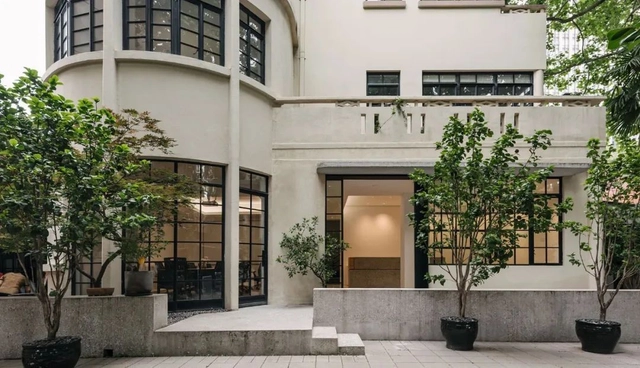
The firm's office is located in a historic garden villa at the intersection of Zhaojiabang Road and Wulumuqi Road in Shanghai. It is conveniently situated just 50 meters on foot from Zhaojiabang Road Station (Metro Lines 7 and 9), offering an easily accessible and comfortable working environment.
As part of the XXVI Arquisur Congress “Turns of Architecture,” held from October 11 to 13 at the Faculty of Architecture, Design and Urbanism of the University of the Republic of Uruguay, the winners of the 2023 edition of the Arq. José Miguel Aroztegui Award for Architecture Students, the Arquisur Research Award, and the Arquisur Outreach Award were announced.
https://www.archdaily.com/1136116/discover-the-winners-of-the-2023-arquisur-awardsClara Ott
To calculate the amount of CO2 emitted by each country, the traditional method considers emissions from each sector of a nation's economy using a “bottom-up” approach, relying on data collected on the ground. However, a new approach to answering this question utilizes satellite data from NASA.
The relationship between architecture and its various mediums of representation, reproduction, and publicity is nothing new. Drawings, blueprints, and photographs published in books, magazines, and newspapers have historically been an integral part of the profession's trajectory. Over the last decade, with the rise of social media—particularly platforms centered on visual communication—architects have adopted these tools in myriad ways, incorporating them into their professional practice. Yet while these networks can produce and popularize content for diverse audiences, does architecture risk becoming a hostage to its own representation in this era of engagement?
With 55% of the world's population living in cities, the concept of circular economy is increasingly prominent in discussions on architecture and urbanism. The goal of circularity is to reduce the environmental impact of the current production and consumption model through the efficient use of material resources and waste reduction. But how can this idea actually be applied to cities?
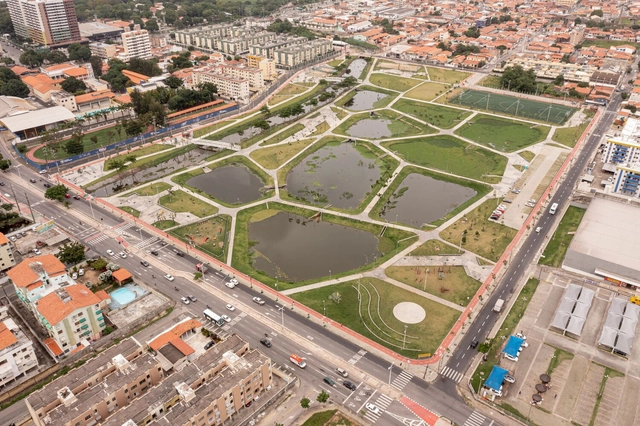
This February 2 marks another World Wetlands Day, held under the theme revitalize and restore degraded wetlands. The 2023 theme highlights that "if done correctly, these sites can offer the same benefits as the original natural wetland."
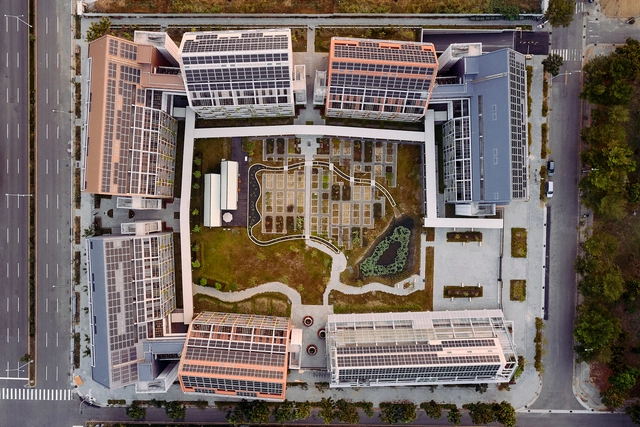
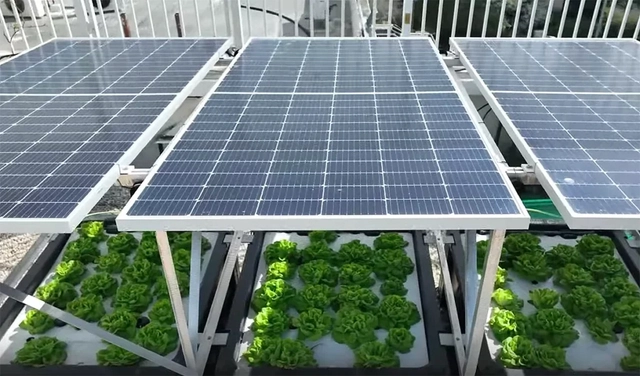
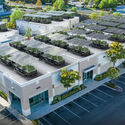
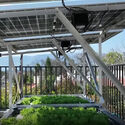
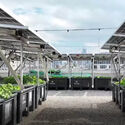
Bringing greenery and, in many cases, vegetable cultivation into urban areas yields countless benefits for city dwellers. Green roofs offer a solution for transforming underutilized areas into true natural oases, helping to mitigate urban heat islands, absorb rainwater, improve air quality, control noise levels, and attract biodiversity.
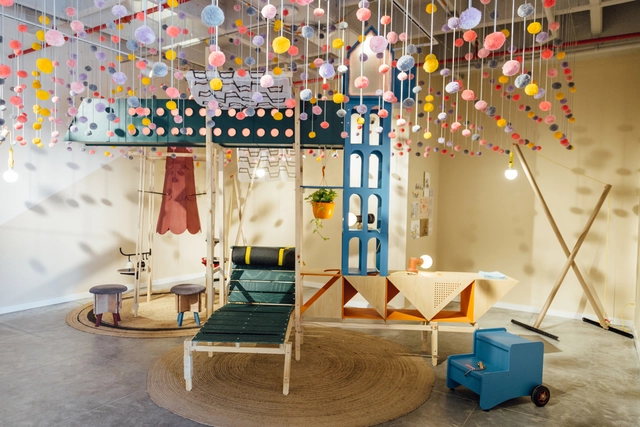
Instalación LAGUNA. Image Cortesía de Diego González Albarrán
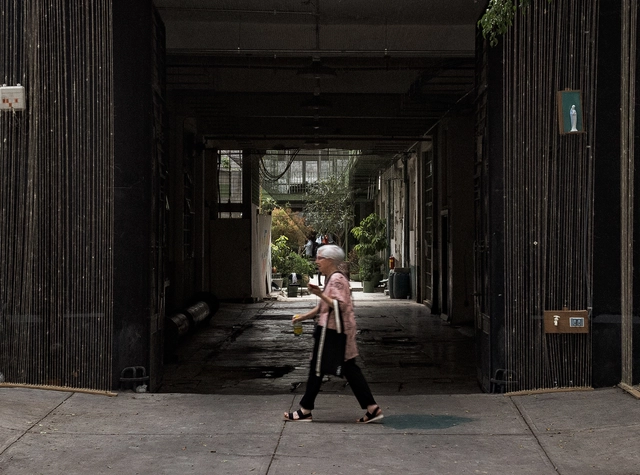
The Doctores neighborhood (Mexico City) is a complex territory; understanding it requires observing the interrelations between objects in space, rather than space and the objects in themselves. Formerly known as Colonia Hidalgo and later renamed after its streets, it has undergone multiple processes of transformation and appropriation over time, ranging from the construction of its first homes during the viceregal period to the spatial and social shift brought about by the 1985 earthquake.
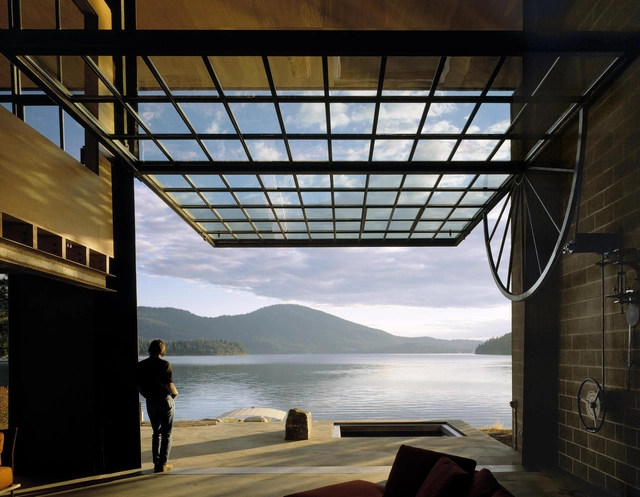
Seattle-based Olson Kundig is a prime example of how a firm's design approach is shaped by geography and culture. Founded by Jim Olson (Jim Olson) in 1966, the firm now comprises hundreds of employees and four other partners, including Tom Kundig. The practice boasts a wide and diverse portfolio. In lectures and interviews, Kundig frequently discusses how his upbringing in a region with a rich history of mining and logging influenced his industrial and rational aesthetic, his use of durable, low-maintenance materials, and his keen focus on craftsmanship. At the same time, an imaginative approach that emphasizes kinetic elements and blurs the boundaries between indoors and outdoors is a hallmark of many of the firm's designs. This is often achieved through the integration of manual, hand-operated devices that allow users to physically activate the building, connecting them to the environment, the architecture, and its kinetic mechanisms.
Facing the challenges of aligning development demands with sustainability policies, researchers from FGV EAESP (São Paulo School of Business Administration), alongside the international non-governmental organization ICLEI (Local Governments for Sustainability) and other partners, have created the Green and Blue Infrastructure Guide. The objective is to provide a step-by-step guide on how to make cities sustainable, focusing on improving local governance across three key factors: food, water, and energy.
https://www.archdaily.com/1135874/green-and-blue-infrastructure-guide-shows-how-to-make-cities-sustainableArchDaily Team
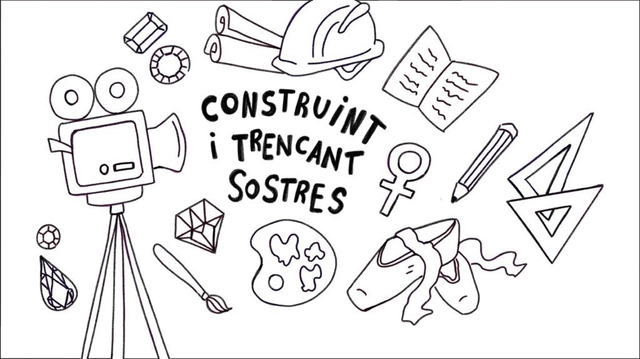
“Construyendo y rompiendo techos” / Laia Ollé Ramos - Instituto Gabriel Ferrater i Soler de Reus. Image Cortesía de Fundación Mies van der Rohe
To mark International Women's Day, the high school research projects awarded the Lilly Reich Grant for Equality in Architecture were presented at the historic Barcelona Pavilion, designed by Mies van der Rohe and Lilly Reich for the 1929 Barcelona International Exposition. In addition, the call for applications for the new 2023/2024 edition has been opened.
This year, we celebrate the fifteenth edition of our Obra del Año (Building of the Year) award: the highest recognition in the Spanish-speaking architectural world, with winners selected by public vote. Starting today, Thursday, March 9, you and all of our readers will be responsible for choosing the projects built during 2022 that inspired us and now faithfully represent the identity of our local contexts.
Since 2015, the renowned Concéntrico International Architecture and Design Festival of Logroño has fostered dialogue between the city, its heritage, and contemporary architecture, inviting citizens to reflect on the urban environment. For its ninth edition, taking place from April 27 to May 2, 2023, the festival has announced its participating architecture and design teams.
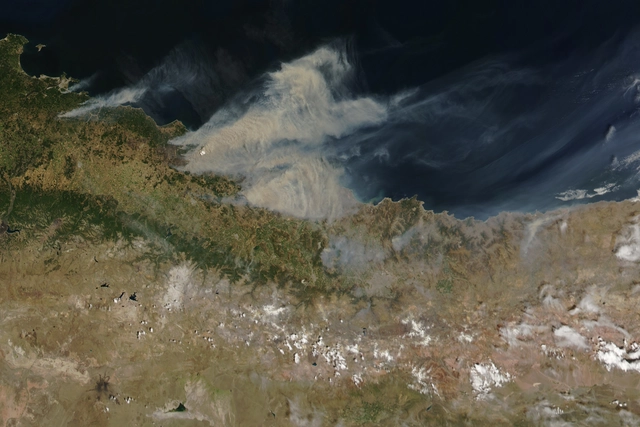
Satellite image of the wildfires in south-central Chile in 2017. Image via Wikimedia. Author: NASA images by Jeff Schmaltz, LANCE/EOSDIS Rapid Response. Public Domain
This February began with social media ablaze following wildfires in central and southern Chile. This has become a recurring concern in recent years due to their scale and frequency. To date, nearly 3,000 affected individuals and almost 1,100 destroyed homes have been reported across various areas of Ñuble, Biobío, and La Araucanía, according to data compiled by the news outlet La Tercera.
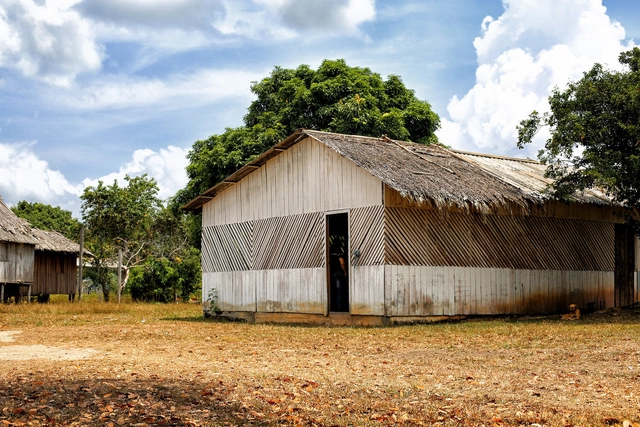
Conceição do Igarapé do Lago do Maracá Quilombo - Amapá 09/17/2017 - Meeting and dining space for the community. Photo: Anderson Menezes/Amazônia Real. Via Flickr. CC BY 2.0 License
Applications are now open for the Heritage Education Projects call launched by the National Institute of Historic and Artistic Heritage (Iphan). The initiative will provide R$ 2 million to establish partnerships between Iphan, civil society organizations, and public entities at all levels of government, which can submit proposals ranging from R$ 200,000 to R$ 250,000. Applications are open until September 25.
https://www.archdaily.com/1135988/iphan-launches-reais-2-million-call-for-proposals-for-cultural-heritage-education-projectsArchDaily Team
"Fábrica de afectos" is an exhibition by Antonio Yemail on view at the Policroma Gallery in Medellín until February 17, 2023. The exhibition is the result of a long-term process involving various case studies on the relationship between cats and humans. Yemail has spent over a decade researching a specific architecture for elusive beings, spanning research, academia, practice, and exhibitions with a combined scientific-architectural and artistic approach.
Chile is looking to reactivate and add new cable car projects to address urban mobility in its cities. At the end of January 2023, economist and politician Carlos Montes, the current Minister of Housing and Urban Development, alongside Carlos Ponce, director of the Santiago Metropolitan Park, officially presented the new Pío Nono Cable Car project. Currently under construction, this one-kilometer, three-station line—to be named Zoológico Nacional, Chile Nativo, and Plaza México—aims to provide an alternative transport option to the summit of San Cristóbal Hill.
From April 20 to 30, Barcelona will once again host the Model Festival, an event that aims to transform the city into a platform for emerging architectural and design talent, as well as global thought leaders. Founded in 2022 by the Ajuntament de Barcelona and managed this year by the Fundació Mies van der Rohe, the festival aims to create a space of exploration and inspiration for all citizens, turning the city's streets into a laboratory for architectural and urban experimentation and dissemination. It will once again feature the artistic direction of Eva Franch i Gilabert, alongside a broad team of architects, curators, and more than 50 local institutions and organizations selected through an open call.