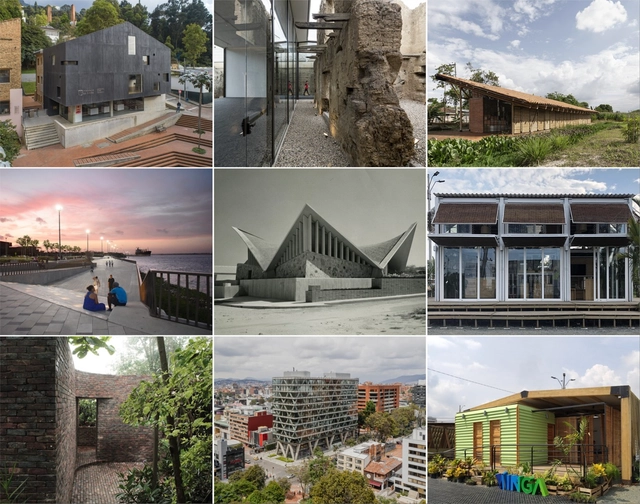
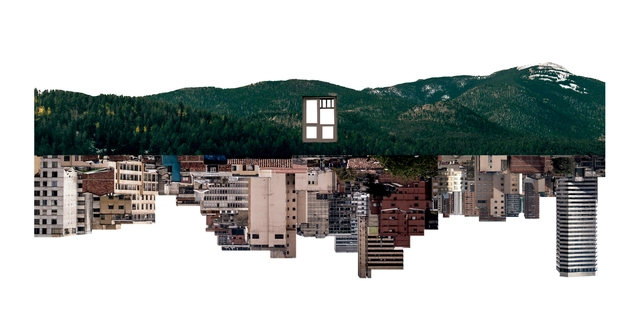
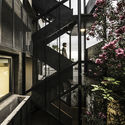
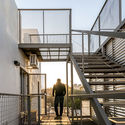
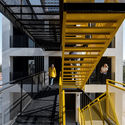
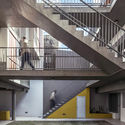
The Colombian Society of Architects (SCA) has announced the finalists for the 27th Colombian Biennial of Architecture and Urbanism (BICAU XVII) across all categories. The selected projects, which you can explore below, will receive either an Honorable Mention or be named winners of their respective categories; the winner of the National Architecture and Urbanism Prize will also be chosen from among them.
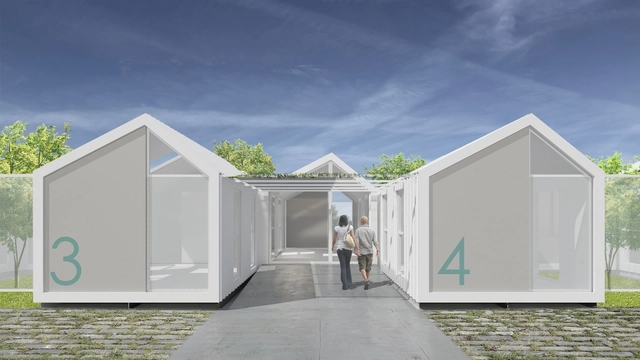
Following recent global events surrounding the crisis caused by the COVID-19 virus and its impact, we have witnessed the creation of numerous sanitary camps, field hospitals, and retrofitted halls, indoor arenas, and exhibition centers. These facilities aim to care for the hundreds of patients expected as infections continue to grow exponentially.
To mark 170 years of architectural education in Chile, the Faculty of Architecture and Urbanism at the University of Chile inaugurated the Wind Pavilion, a temporary installation designed by architect Domingo Arancibia.
https://www.archdaily.com/1124127/the-wind-pavilion-and-online-talks-mark-the-celebration-of-170-years-of-architectural-education-in-chileArchDaily Team
Historically, architecture is a discipline that for many years was a male-dominated territory, until in 1939, María Luisa Dehesa became the first Mexican female architect. Yet, despite the perception that gender parity has been achieved in the education of architects in Mexico, the concept of masculinity (which can be exercised by both men and women) continues to permeate architecture. This is reflected in design processes, in the figure of the "unreachable architect," in a sense of competitiveness, in hierarchical structures, and, in the most unfortunate cases, in the notion that women design interiors while men design *real* architecture.
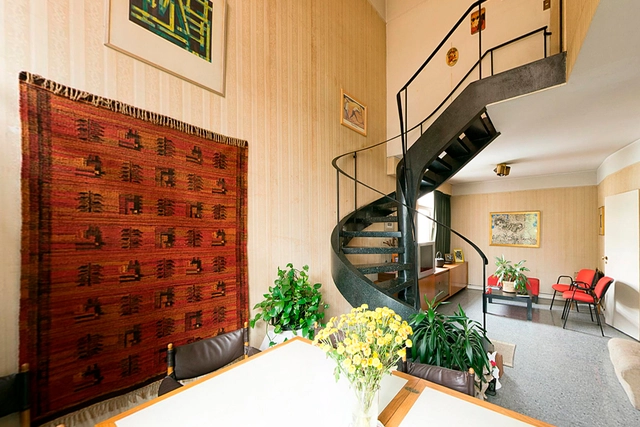
Edificio los Eucaliptus. Captura extraída del modelo digital. Image Cortesía de Arquitectura Moderna 360º / @arquitecturamoderna360
Lately, virtual technology has become a crucial resource to support users and students worldwide. Courses, training programs, and books have successfully transitioned to digital formats to ensure the continuity of educational, training, and leisure activities. Understanding this shift, the Arquitectura Moderna 360 project has created a free-access web database that functions as a digital catalog or log, compiling various three-dimensional models, 360° panoramic photos, and VR of representative works of the Modern Movement in Argentina. This allows users from anywhere in the world to immerse themselves in the interior spaces of iconic buildings that have played a significant role in the country's architectural history.
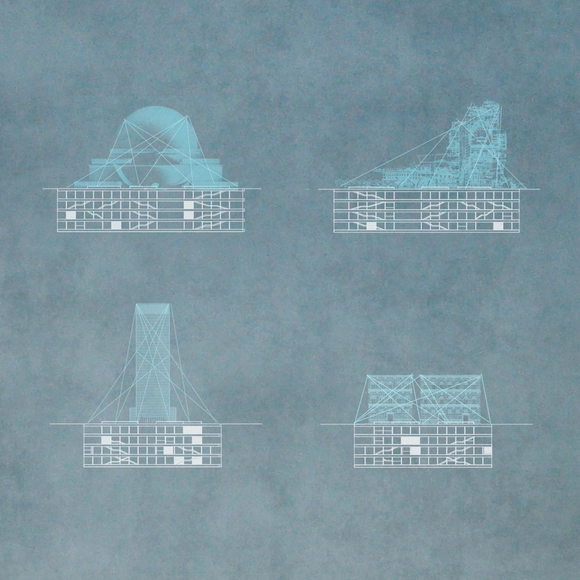
Posibles proyecciones. Image Cortesía de Estudio TAC
The winners of the Berlin Architecture Museum International Ideas Competition have been announced. The open call invited students and young architects from around the world to design an Architecture Museum for the city of Berlin—a building whose primary mission is to disseminate architectural culture and to transmit and generate knowledge about the discipline, while honoring the immense value of Berlin's architectural and urban heritage.
Eduardo Useche, director of the Arquitectura para Aliens podcast, presents excerpts from the transcript of a discussion he moderated, reframing the vision and stance of the architect. Focusing on the uncertain future following the COVID-19 pandemic, the discussion brought together leading representatives of the various associations safeguarding the role and responsibility of professionals and academic institutions linked to architecture. In this pandemic context, construction is one of the hardest-hit sectors, largely because construction sites are not run by contagion-free machines—at least for now.
Videos
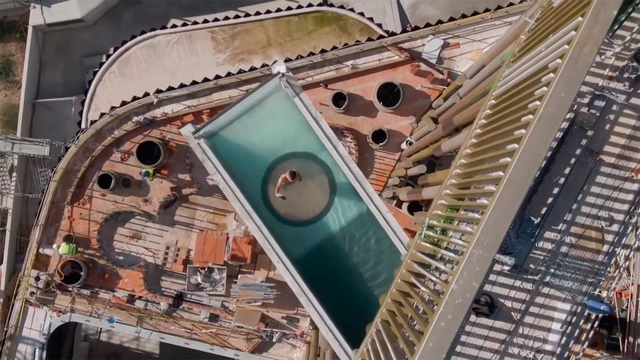
Video capture Odiseo: totem and urban oasis courtesy of Clavel Arquitectos
Clavel Arquitectos is behind the design and construction of Odiseo, a building designed to function as an urban oasis and leisure center in Murcia, Spain. The most striking feature from the exterior is what will be Europe's largest cantilevered pool—and the second largest in the world.
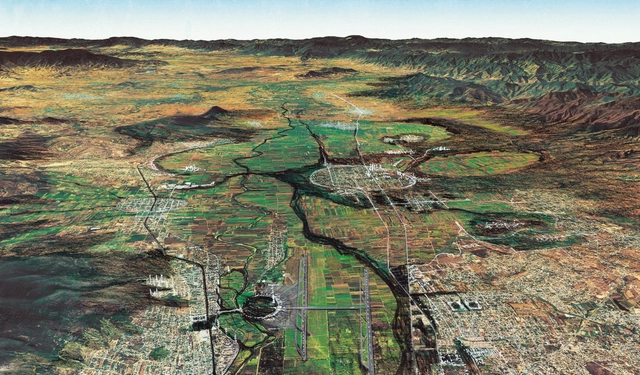
Figure 13. Archaeology map of the Dehesa del Generalife. Remains of ancient buildings and infrastructures. (Source: R&D&I Project of the University of Granada under the title "Patrimonio y Paisaje Cultural. Revalorización de la identidad histórica y cultural de la Dehesa del Generalife de la Alhambra: Instrumentos de registro y procesos de reconocimiento", 2014). Image via Revista rita_
This article by Juan Domingo Santos and Carmen Moreno Álvarez was originally published in the 8th issue of rita magazine under the title "Identidades del territorio Alhambra. Instrumentos de registro y procesos de reconocimiento de un paisaje cultural" (Identities of the Alhambra Territory: Instruments of Registry and Processes of Recognition of a Cultural Landscape) and is part of a joint dissemination collaboration. The following text presents research that proposes a series of measures to record, analyze, and disseminate the cultural values of the Dehesa del Generalife—a territory continuous with the monumental complex of the Alhambra, rich in archaeological, architectural, landscape, environmental, and ethnological resources.
https://www.archdaily.com/1124108/identities-of-the-alhambra-territory-record-and-recognition-of-a-cultural-landscapeJuan Domingo Santos y Carmen Moreno Álvarez
Oaxaca is one of Mexico's thirty states, renowned for a rich culture that has shaped a territory celebrating its roots. Located in the country's southeastern region, it borders the Pacific Ocean and is known for its indigenous communities, where Zapotec and Mixtec cultures predominate. In addition, Oaxaca is home to a vibrant public life where streets, pedestrian walkways, and plazas frame a diverse range of political, religious, and popular activities. This has drawn the attention of various projects and research initiatives seeking to highlight this social effervescence.
Climate change is an issue that has gained increasing traction in public and professional discourse over recent years, driven by a clear urgency to research, document, and mitigate environmental damage through multidisciplinary strategies that raise awareness of our current reality. Organizations such as the UN have issued a global call to action to adopt measures that end poverty, protect the planet, and ensure that all people enjoy peace and prosperity.
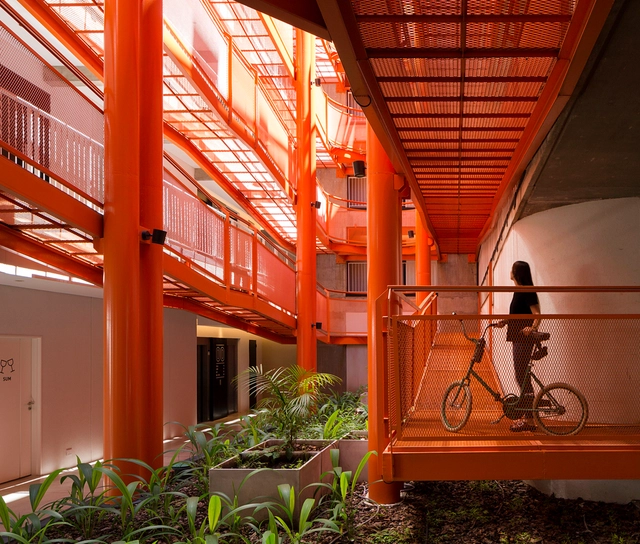
In collective housing projects, apartments, and residential complexes, design intentions regarding spatial qualities and atmospheres typically focus on the spaces where residents spend most of their time: the interiors of the housing units and, when available, common areas like gyms or multipurpose rooms. Circulation spaces, by contrast, are often treated merely as “transitional areas,” meaning they frequently address functional requirements rather than spatial experiences.
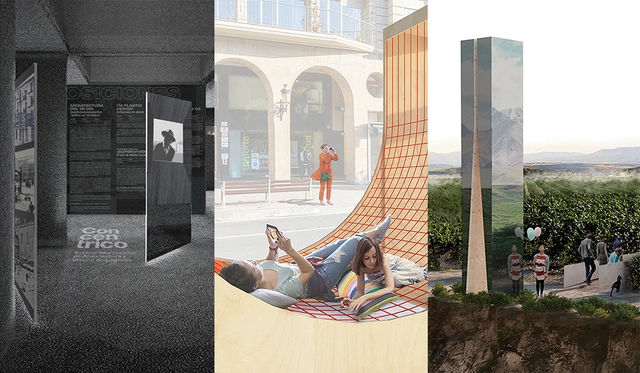
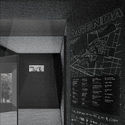
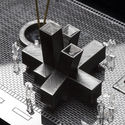
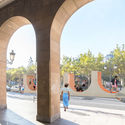
Concéntrico 06 is the Logroño Architecture and Design Festival, open to all citizens and visitors, which invites them to discover and rediscover key spaces in the city's historic center.
The winners of the National Ideas Competition for the renovation of the Downtown Campus of the School of Architecture, Urbanism and Design of the National University of Córdoba have been announced. Organized by the Provincial College of Architects, the call invited architects from across the country to develop proposals for the programmatic and spatial reconfiguration of the FAUD UNC Downtown Campus in Argentina, repurposing the building for activities related to culture, research, outreach, and postgraduate studies.
The 2020 FAD Awards, one of the most important architecture accolades on the Iberian Peninsula, have announced the winning projects of their latest edition.
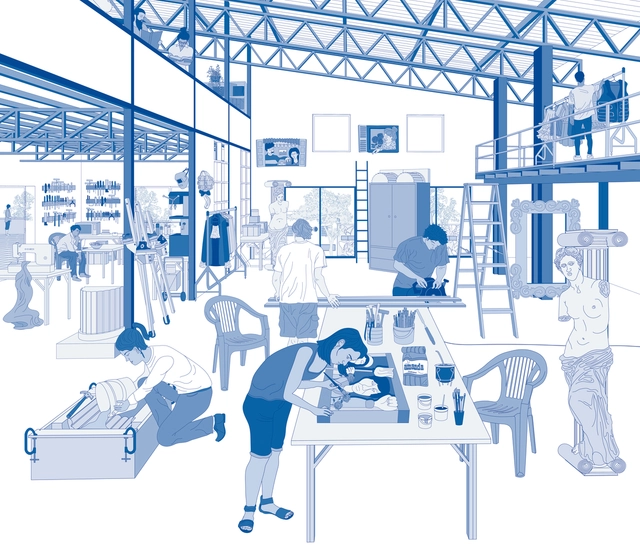
“The architectural configurations where the cultural development of a city takes place—workshops, recording studios, rehearsal rooms, factories, homes, and offices—are often private, invisible, and restrictedto the general public.” Based on this premise, Urban Backstages—an exploration by the organization Theatrum Mundi that represents the first stage of the pilot project Making Cultural Infrastructure—seeks to reveal what the areas dedicated to the production of art, design, and crafts in the City of Buenos Aires are like, shedding light on how the region's cultural practices are conceived and developed “behind the scenes.”
It appears that the humanitarian crisis has triggered a myriad of actions, rarely seen under normal circumstances, where human life, health, and the economy are prioritized equally. As urban activities grind to a halt, we once again isolate and alienate ourselves; yet, this situation feels strangely familiar. Almost seamlessly, we turn our lives over to technology, detaching ourselves from the physical conditions of our existence to make quarantine more bearable within spaces of telecommuting, virtual classes, chats, and social networks.
https://www.archdaily.com/1124100/architecture-of-a-crisis-the-pandemic-and-virtual-spacesJulián Jerez V.
While public awareness and regulations on how to reduce, reuse, and recycle municipal solid waste (MSW) on a daily basis have gained momentum, this is not yet the case for construction and demolition waste (CDW). This waste is primarily generated from the development of new projects; the rehabilitation, repair, and retrofitting of existing buildings; and site preparation and demolition processes, spanning from the scale of a single house to an entire city. This represents not only the loss of a massive volume of concrete, brick, steel, and manufactured products, but also the missed opportunity to salvage historic relics.
We want to offer our readers the opportunity to openly share their opinions and experiences regarding the recycling of this waste. If we were all fully aware of the environmental impact generated by the extraction, production, and commercialization of materials—only for them to ultimately end up as trash—would it change the way we design? Would our practices change?
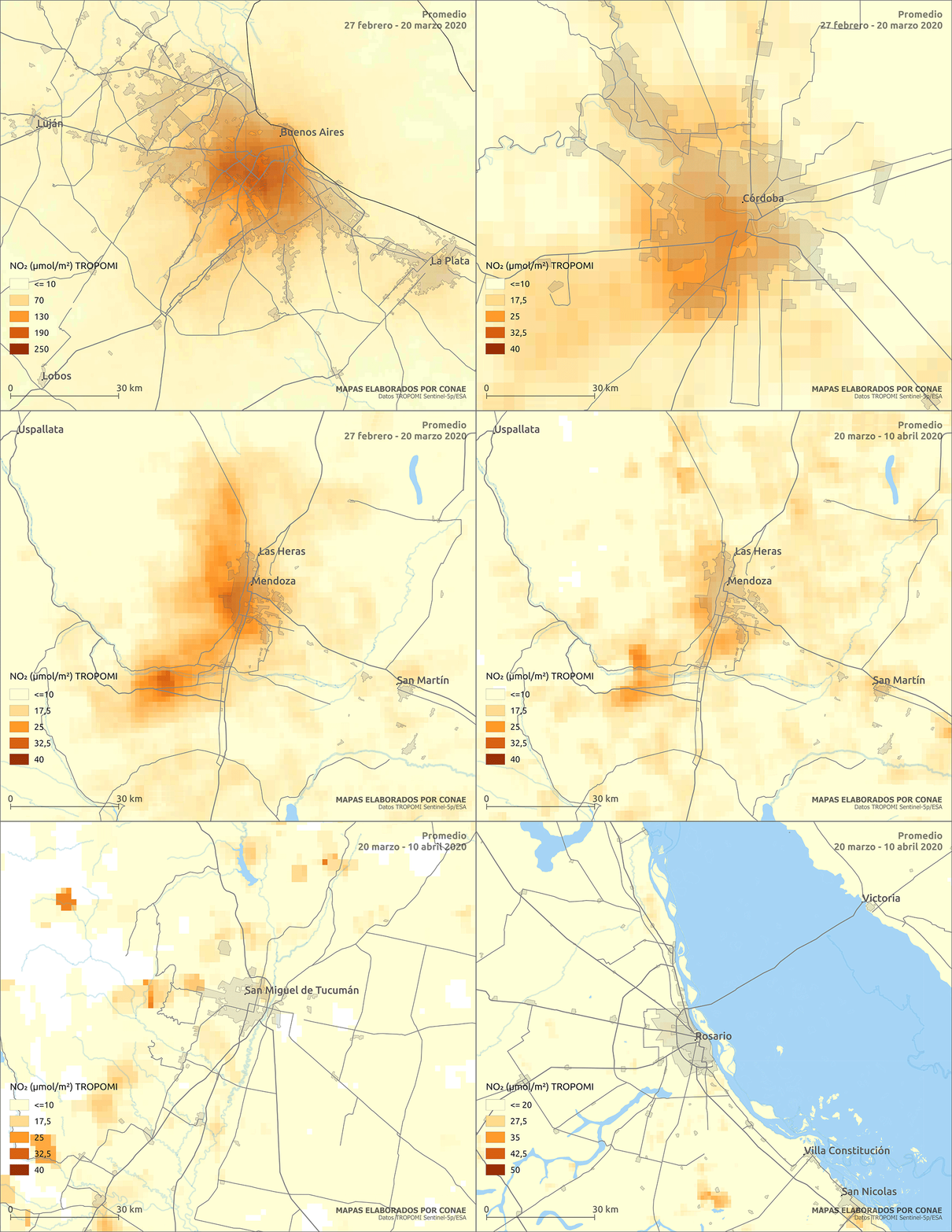
The levels of air pollution reached by major urban centers around the world in recent years reveal the troubled relationship we have maintained—and continue to maintain—with our environment. The gravity of the issue lies in the fact that this not only affects the overall balance of the planet, but according to the World Health Organization, the current state of the atmosphere also causes, through the simple act of breathing, the death of around seven million people each year. Shortly after governments in various countries announced measures to prevent the spread of the coronavirus—lockdowns and isolation—numerous studies began to show an unexpected and promising trend: air pollution levels in many cities began to drop significantly within days of the measures being announced due to reduced traffic and a decline in industrial emissions.
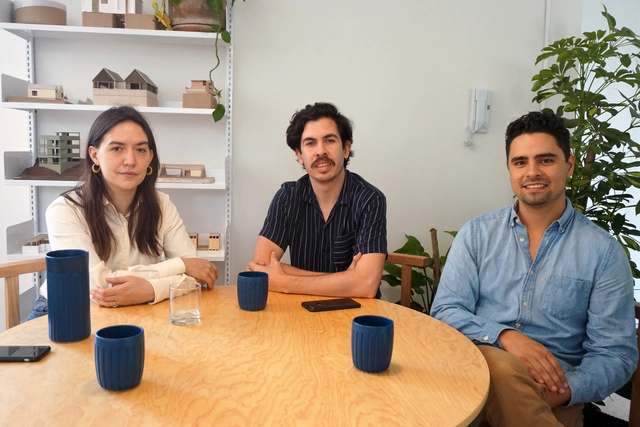
In this exclusive interview with ArchDaily, Ilse Cárdenas, Diego Escamilla, and Juan Luis Rivera—who, along with Regina de Hoyos, make up the firm PALMA—discuss the history of their practice and its evolution over the years, reflecting on how their personal and professional interests shape the way they inhabit and create architecture.
The Bamboo Pavilion, a project designed by Mexican architect Lucila Aguilar as part of Design Week 2020, is inspired by the search for spaces that connect directly with the earth. It consists of a series of bamboo structures that create a new space in the plaza of the 'Espacio CDMX' gallery. The pavilion's shape follows the flow of organic forms, combined with a 100% biodegradable, permeable material made in Mérida from natural rubber.
https://www.archdaily.com/1124090/lucila-aguilar-builds-bamboo-pavilion-for-design-week-mexico-2020ArchDaily Team
The ECOM Rosario (Metropolitan Coordination Agency) is a voluntary association of municipalities and communes, an institutional space for the planning, coordination, and promotion of public policies with regional impact, organized on the basis of a strategic partnership among 26 localities. It is essentially an organ for driving the formulation, development, and execution of projects at a metropolitan scale, established with the goal of supporting balanced and integrated territorial development in the Metropolitan Area of Rosario (AMR), Argentina.
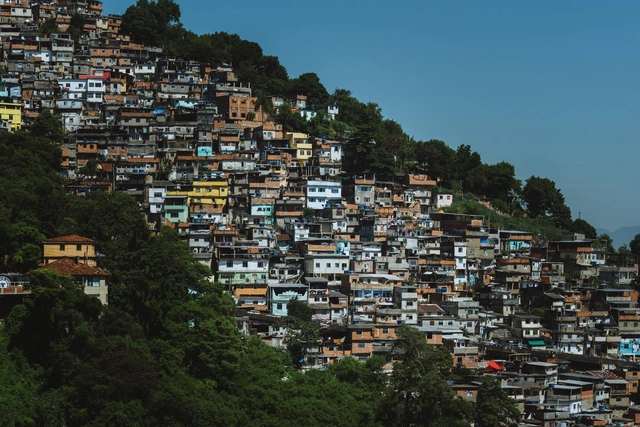
The Mapa Corona nas Periferias, a digital initiative by the Marielle Franco Institute and the Favela em Pauta channel, is now live. The digital map highlights solidarity initiatives combating COVID-19 in socially vulnerable areas such as favelas, communities, quilombos, or rural hinterlands.