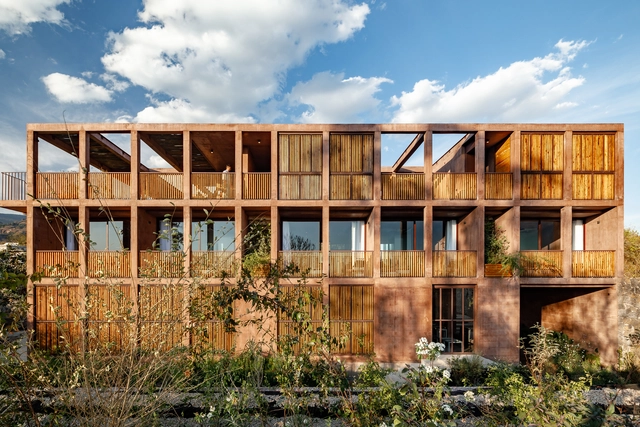
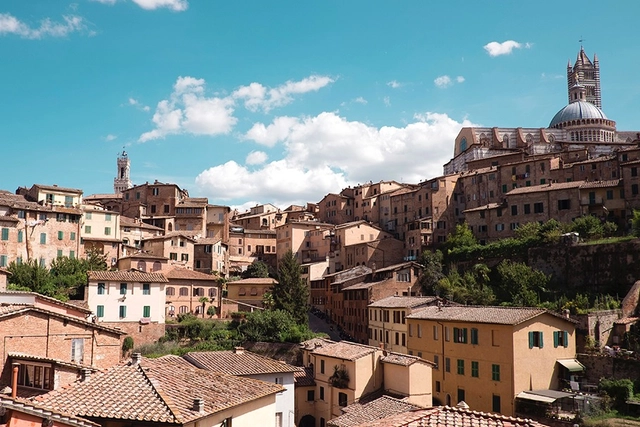
The state of Guanajuato is located in the north-central region of Mexico, bordering the states of Zacatecas, San Luis Potosí, Querétaro, Michoacán, and Jalisco. Covering an area of 30,607 km², it is one of the country's most populous regions. Its most prominent municipalities include León, Irapuato, Celaya, Salamanca, and San Miguel de Allende. The latter, designated a UNESCO World Heritage Site in 2008, is characterized by its Baroque and Spanish architecture. Additionally, this city is home to the Parroquia de San Miguel Arcángel, built from the region's characteristic pink cantera stone.
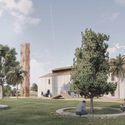
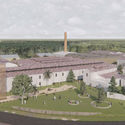
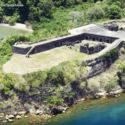
The winners of the Microscapes - Tactical Micro-Gardens competition have been announced. This international call, organized by the Intendencia Departamental de Río Negro (Uruguay) and the Inter-American Development Bank, invited architects, designers, landscape architects, artisans, citizens, entrepreneurs, and any other interested parties to propose installations to revitalize one of the central spaces of the Fray Bentos industrial complex.
The Tomie Ohtake Institute and AkzoNobel continue to map contemporary architectural production, highlighting, for the seventh consecutive year, significant projects built within the current Brazilian landscape. The relationship to the urban context, the commitment to the site and sustainability, as well as design and construction inventiveness, are the core criteria guiding the 7th Tomie Ohtake Institute AkzoNobel Architecture Prize.
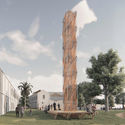
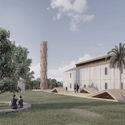
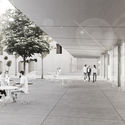
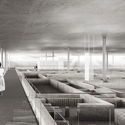
The winners of the competition for Projects to enhance the archaeological site of the Andalusi suburb of Arrixaca and the San Esteban Garden in Murcia (Spain) have been announced. Organized by the Ministry of Development, the call invited participants to devise proposals to protect the valuable Arrixaca Archaeological Site while creating a new public space for the community.
In the year that the nation's capital turns 60, the Council of Architecture and Urbanism of the Federal District (CAU/DF) is launching the CAU/DF Seal - Architecture of Brasília. The initiative celebrates the modern architecture of the Plano Piloto Urban Ensemble, highlighting the city's non-monumental architecture. The goal is to recognize the historical value of these buildings and their authors—who are often little known by the general public—as well as to promote best practices in building conservation and maintenance that have preserved the architectural language of the Modern Movement.
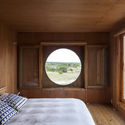
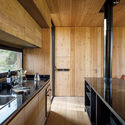
From prefabricated modules that sit lightly on the landscape to projects built on-site and integrated into their surroundings, in Uruguayan projects, wood emerges as a highly capable resource for addressing the wide array of requirements associated with residential construction. Whether used as structure, cladding, or furniture, and paired with concrete, stone, brick, or metal, wood offers endless applications. These possibilities enable the materialization of diverse approaches to the projects' exterior language and expression, while also elevating spatial quality and generating distinct interior atmospheres.
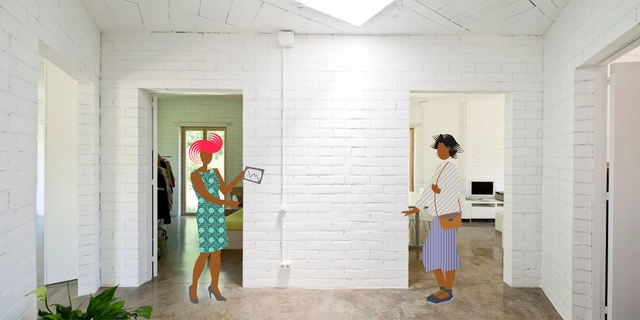
Have you ever had to convince your friends or family that an exposed brick wall can be more appealing than a plastered, white-painted one? Or that exposed building systems can offer significant advantages when it comes to maintenance? Do we connect better with a smooth backdrop for hanging art than with the textures of exposed materials?
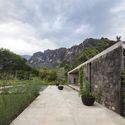
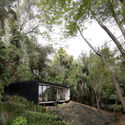
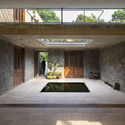
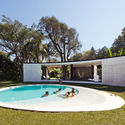
Tepoztlán is a region located in the state of Morelos, in the south-central part of the country, bordered by the states of Guerrero, Puebla, the State of Mexico, and Mexico City. Spanning an area of 242.646 square kilometers, it is one of the 111 Pueblos Mágicos (Magical Towns) designated to boost tourism by highlighting the unique attributes of each destination.
Musicologist, journalist, radio broadcaster, and music producer Zuza Homem de Mello is the third guest on Studio Casa, an interview series produced by Casa da Arquitectura - Portuguese Center for Architecture.
Videos
"Ya no estoy aquí" dirigida por Fernando Frías. Image Cortesía de Netflix
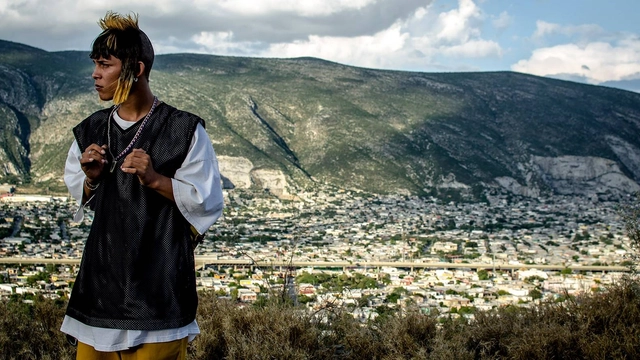
Directed by Mexican filmmaker Fernando Frías and winner of the Morelia International Film Festival, “I’m No Longer Here” (“Ya no estoy aquí”) is a film that has been widely discussed across various disciplines. It highlights the specific values and struggles of a territory while transcending borders to showcase the most human and global aspects of our shared world.
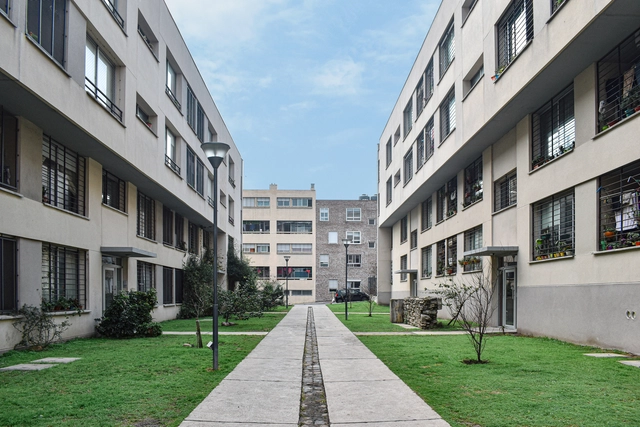
Team 10 and the 3 Pioneers: First Generation –Housing cooperatives in Uruguay are currently the country's most prominent form of cooperativism, though by no means the only one. This model transcends housing, having gained significant momentum in the first half of the twentieth century. For instance, Montevideo's transit company (CUTCSA) began operating as a cooperative in 1937. Specifically, while 843 cooperatives were registered in 1989, by 2017 this number had risen to 3,665 cooperatives across various sectors.
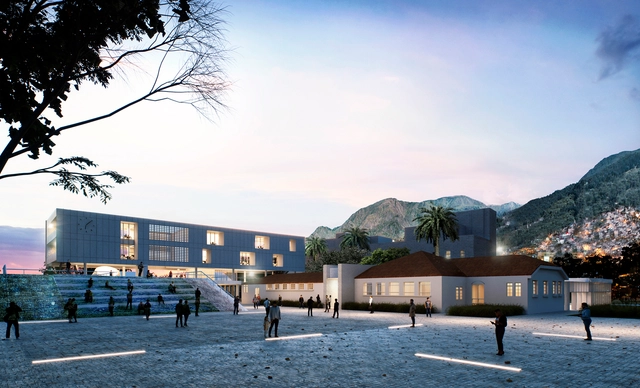
The San Cristóbal local town hall, located in southeastern Bogotá, is currently situated in a mixed-use area of the San Blas neighborhood. It sits in close proximity to a school, a parish church, a community development center, residential complexes, and the local Metropolitan Park.
Despite its privileged location relative to surrounding properties, the town hall building is a designated heritage site. Participants in the public design competition for the new headquarters, organized by the SCA (Sociedad Colombiana de Arquitectos), had to consider all these aspects in developing their proposals. Estudio Territorios was awarded first place, followed by FP Arquitectura in second, and EMS Arquitectura in third. Below, we take a closer look at their proposals.
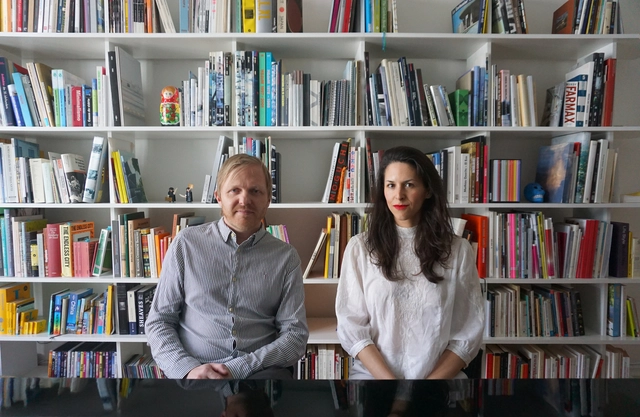
A glance at the portfolio of Miguel De Guzmán and Rocío Romero reveals a duo that successfully captures the breadth of architectural spaces while conveying the underlying concepts. Together, they founded the Madrid- and New York-based photography and film studio Imagen Subliminal , documenting the latest developments in global architecture to allow viewers to experience the energy and creativity driving these projects.
On World Photography Day, we spoke with the duo about the evolution of their work and the role photography plays in both the current and future architectural landscape.
CCTV Headquarters in Beijing. Image courtesy of Caos Planejado
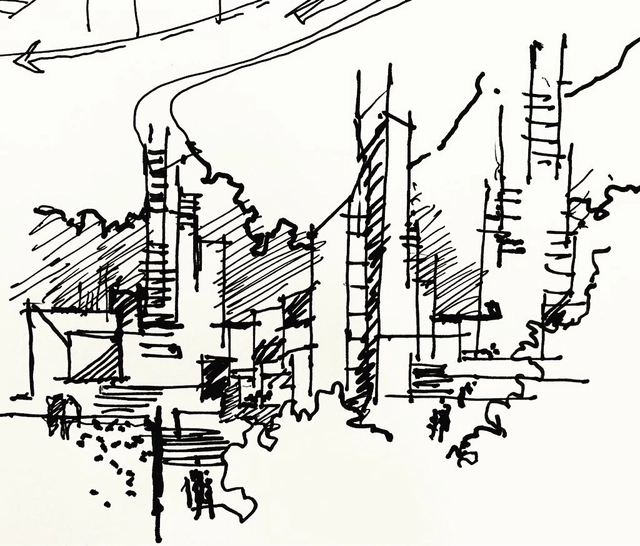
Hundreds of towers repeat across a hazy horizon. Traditional buildings crumble, while others have been rebuilt into tourist shops. Colorful Lamborghinis share sluggish traffic with old taxis, laborers' tricycles, and executives riding yellow bikes from Ofo, the world's largest dockless bike-sharing company. Some pedestrians wear masks to filter the polluted air, others carry shopping bags, others spit on the ground or walk the streets in pajamas. Street vendors are extremely rare, in contrast to the police and military personnel seen on almost every corner.
The city belongs to everyone; it is a reflection of who we are as a society. That is why we must care for it—because it is ours! We have a civic commitment. (Civic, from the Latin civis / City, citizen, from the Latin civitas)
When we were still nomads, we fought our first battles with sticks and stones. The reasons for aggression against members of our own species can vary, ranging from securing resources and territory to seeking revenge or even power. Battles between different tribes have accompanied human evolution on Earth. Ever since the creation of cities, warfare and the combat equipment of each era have been important factors to consider in the planning of urban centers.
https://www.archdaily.com/1124208/how-wars-shaped-our-citiesPaulo Sa Vale
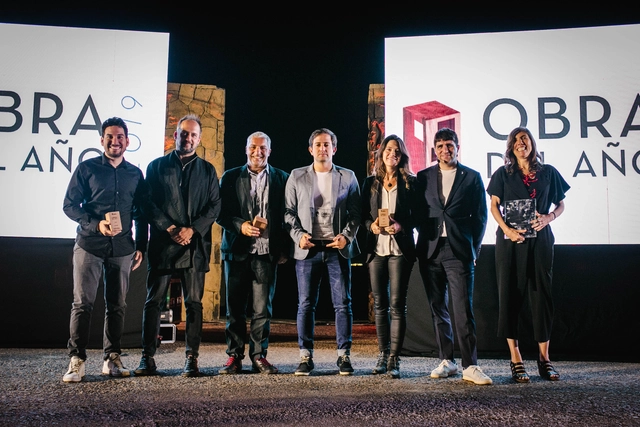
For the eleventh consecutive year, ArchDaily celebrated the best of Latin American architecture, presenting the Building of the Year award to architects Barclay & Crousse (Peru), Felipe Assadi (Chile), and Natura Futura + Frontera Sur Arquitectura (Ecuador). This year, the ceremony took place at the Pablo Neruda Lookout on San Cristóbal Hill, bringing together the architectural community and ArchDaily's main partners.
https://www.archdaily.com/1124207/the-2019-obra-del-ano-awards-were-presented-in-santiago-chilePola Mora
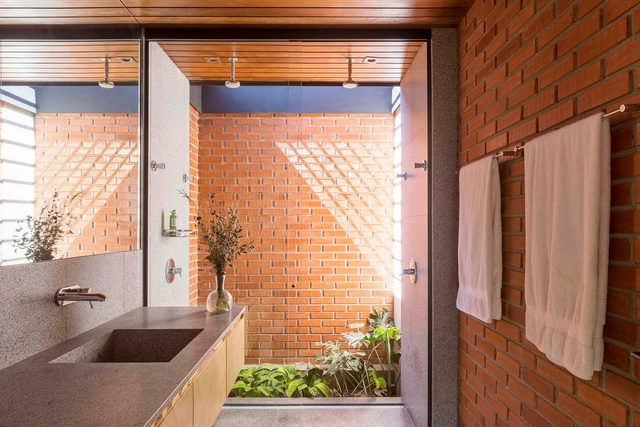
To ensure privacy, windows in bathrooms are typically characterized by their small size and high sills. Yet, natural light, alongside ventilation, plays a crucial role in the health and comfort of these spaces. As a result, seeking a greater incidence of daylight in these interiors expands the design possibilities for their openings.
Adamo Faidencontinues to capture widespread interest, not only for their multifaceted and passionate approaches to contemporary architecture, which consistently extend into the fields of teaching and research. Their building Bonpland 2169 in Argentina was selected by our jury of experts—meaning you, the readers—as one of the winners of the 2020 Building of the Year award.
On this occasion, we spoke with Marcelo Faiden for an in-depth conversation about the role of everyday buildings in transforming our environment, current shifts in how we live and inhabit, the purpose of practicing and teaching architecture today, and future projections for the discipline.
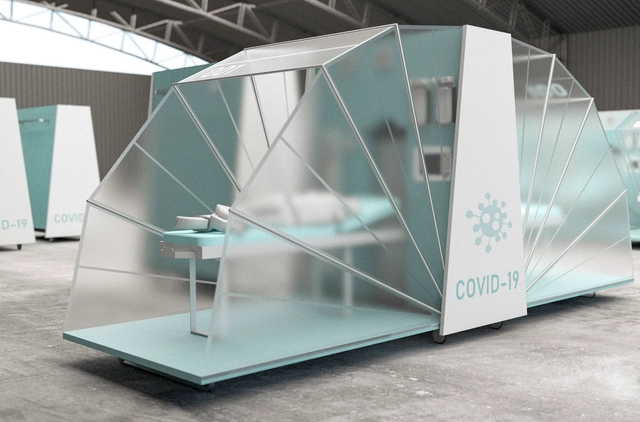
The Architects' Association of the Province of Córdoba has called on architects across the province to collectively contribute ideas to address the current challenges associated with the spread of COVID-19—primarily the lack of adequate healthcare space to treat patients as the disease spreads—seeking to create a space for collective development nourished by the discipline's expertise to offer a response to society through the field of architecture.
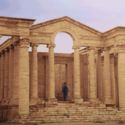
Despite UNESCO's recognition of specific World Heritage sites, many of them remain in constant danger of disappearing due to natural phenomena like earthquakes and human factors such as urbanization. By definition, these landmarks are vital to human history, possessing characteristics that reflect the deepest values of diverse civilizations. Nevertheless, much of the global population has never experienced them in person.
The Maya Train is the federal government's flagship project, formally announced in December 2018. It is planned as a regional train for locals, tourists, and cargo, intended to generate regional economic benefits through tourism. According to the official project brochure, it "is based on a sustainable development model that drives economic growth without depleting the environment" and "promotes a tourism scheme in which visitors travel through local communities, preventing tourist concentration in a single destination," thereby "distributing wealth throughout the peninsula."
During social lockdown, the CNM (National Commission of Monuments, Places, and Historical Assets of the Ministry of Culture), is offering a free online course to discover the great treasures of Argentine architectural heritage, spanning different eras, styles, and regions. Led by renowned experts in each field, the classes will cover a broad overview ranging from the Cueva de las Manos in Santa Cruz Province to modern buildings throughout the country.
In this exclusive interview with ArchDaily, Ingrid Moye and Christoph Zeller, founders of the Mexico City- and Berlin-based firm Zeller & Moye, discuss the history of the practice, as well as how their personal and professional interests have evolved over the years regarding their way of living and making architecture.
.jpg?1599092292&format=webp&width=640&height=580)
.jpg?1599092292)
























_11.44.10.jpg?1595954667&format=webp&width=640&height=580)


_11.44.10.jpg?1595954667)
.jpg?1595343069&format=webp&width=640&height=580)