1. ArchDaily
  2. News

News

Guangzhou Job Openings | O-office Architects: Project Architect, Architect, Assistant Architect, Media & Research Specialist, Intern

Subscriber Access | 

O-office Architects was founded in Guangzhou in 2007 by He Jianxiang and Jiang Ying. Through research-driven design, the studio seeks to construct a fresh spatial discourse between rapid economic growth and regional culture. Maintaining professional composure and restraint, O-office pursues the widely lost essence of inner space and urban life. Viewing architectural design as tectonic exploration and travel within a generalized metropolis, the firm attempts to establish an integrated design strategy that spans different scales and disciplines. The preservation of urban history and memory in the Pearl River Delta, alongside research into new forms of urban living, has been the focus of the firm's recent design and research efforts. O-office's unique regional practice has garnered widespread attention from professional media both domestically and internationally. Their works and essays have been featured in top academic publications, including The Architectural Review (UK), Architectural Record (US), L'Architecture d'Aujourd'hui (France), CASABELLA (Italy), and Architectural Journal (China), as well as several international volumes on contemporary Chinese architectural research and case studies.

O-office's work has received numerous prestigious international and domestic architecture and design awards, most notably with the Lianzhou Museum of Photography being shortlisted as one of the top three finalists for the 2024 RIBA International Prize. Other accolades include two ARCASIA Gold Medals (in 2022 and 2020), the 2021 RIBA International Award for Excellence, the 2020 Sanlian Humanities City Award (Architecture), a Highly Recommended commendation in The Architectural Review's 2017 New into Old Awards, and a nomination for the 2016 BSI Swiss Architectural Award. In 2015, the firm was named one of the top ten Design Vanguards globally by Architectural Record. In 2020, O-office was selected by the authoritative architecture media outlet Domus as one of the world's 50 best architectural practices of the year.

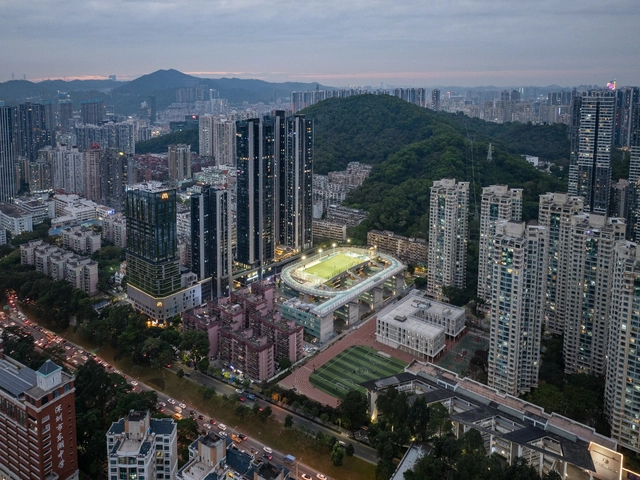
Completed projects by O-office include the Shenzhen Hongling High School Sports & Art Center, Hongling Experimental Primary School, the Duichuan Tea Yards in Gaoming (Foshan), the Shenzhen iD Town Youth Art District, Shenzhen Mingde Academy, and the Lianzhou Museum of Photography. The office has also designed a series of collective housing research and practice projects in collaboration with Vanke (such as the Songshan Lake Residential Complex, Guangzhou Bashe Port Apartment, and Tianhe Chuangxiang Commune), cultural centers in Guangzhou, Beijing, and Shanghai in collaboration with the EMGdotART Foundation, and the Palazzo Zen exhibition pavilion in Venice, Italy, completed in 2014. Ongoing projects currently under development include the Dongjiao Fire Station and Bus Terminal Complex in Liwan (Guangzhou), rural art centers in Linhai (Zhejiang) and Kaiping (Guangdong), and the renovation of Langtou Primary School in Huadu (Guangzhou).


Panoramic Hospitality: The Integration of Landscape, Light, and Comfort in Hotel Design

Subscriber Access | 

In an era of shifting paradigms, contemporary hospitality architecture is rethinking the adoption of new technologies, the incorporation of sustainability and energy efficiency principles, as well as the personalization of user experiences. Redefining the design of both interior and exterior hotel spaces, these projects integrate everything from region-specific climate design strategies to the use of recycled materials and bioclimatic design, all aimed at minimizing environmental impact.

Panoramic Hospitality: The Integration of Landscape, Light, and Comfort in Hotel Design - Image 8 of 4Panoramic Hospitality: The Integration of Landscape, Light, and Comfort in Hotel Design - Image 1 of 4Panoramic Hospitality: The Integration of Landscape, Light, and Comfort in Hotel Design - Image 4 of 4Panoramic Hospitality: The Integration of Landscape, Light, and Comfort in Hotel Design - Image 3 of 4Panoramic Hospitality: The Integration of Landscape, Light, and Comfort in Hotel Design - More Images+ 5

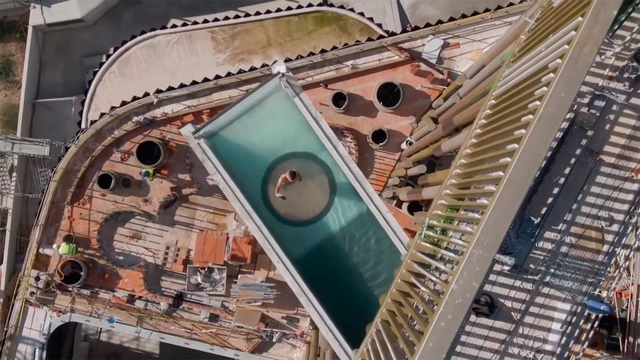
Europe's largest cantilevered pool is being built in Murcia, Spain

Clavel Arquitectos is behind the design and construction of Odiseo, a building designed to function as an urban oasis and leisure center in Murcia, Spain. The most striking feature from the exterior is what will be Europe's largest cantilevered pool—and the second largest in the world.

Identities of the Alhambra Territory: Record and Recognition of a Cultural Landscape

Subscriber Access | 

This article by Juan Domingo Santos and Carmen Moreno Álvarez was originally published in the 8th issue of rita magazine under the title "Identidades del territorio Alhambra. Instrumentos de registro y procesos de reconocimiento de un paisaje cultural" (Identities of the Alhambra Territory: Instruments of Registry and Processes of Recognition of a Cultural Landscape) and is part of a joint dissemination collaboration. The following text presents research that proposes a series of measures to record, analyze, and disseminate the cultural values of the Dehesa del Generalife—a territory continuous with the monumental complex of the Alhambra, rich in archaeological, architectural, landscape, environmental, and ethnological resources.

Community Emergency Module: Modular Hospital System for COVID-19

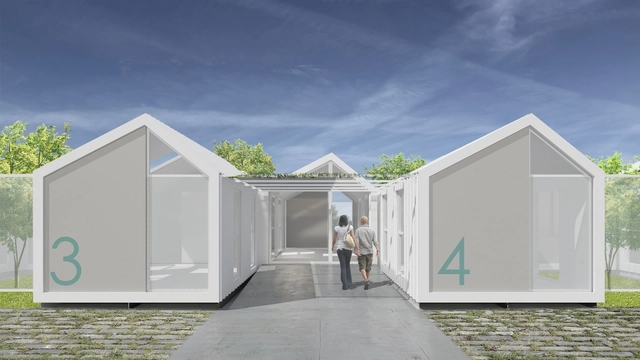
Following recent global events surrounding the crisis caused by the COVID-19 virus and its impact, we have witnessed the creation of numerous sanitary camps, field hospitals, and retrofitted halls, indoor arenas, and exhibition centers. These facilities aim to care for the hundreds of patients expected as infections continue to grow exponentially.

The Wind Pavilion and online talks mark the celebration of 170 years of architectural education in Chile

Subscriber Access | 

To mark 170 years of architectural education in Chile, the Faculty of Architecture and Urbanism at the University of Chile inaugurated the Wind Pavilion, a temporary installation designed by architect Domingo Arancibia. 

Local Housing, a web platform for assisted collaborative self-construction projects

Subscriber Access | 

The NGO Vivienda Local, which works through collaborative self-construction in Chile, has launched a website to monitor the progress and stages of its active projects. The platform is designed to streamline operations and enhance communication between the architects using this methodology and the self-building families.

The Winners of the Competition to Urbanize the Sandú Chico Creek Basin, Uruguay

Subscriber Access | 
The Winners of the Competition to Urbanize the Sandú Chico Creek Basin, Uruguay - Imagen 4 de 4
Primer Premio - Vista Conjunto. Image Cortesía de PARQ Arquitectos

The Winners of the Competition to Urbanize the Sandú Chico Creek Basin, Uruguay - Imagen 1 de 4The Winners of the Competition to Urbanize the Sandú Chico Creek Basin, Uruguay - Featured ImageThe Winners of the Competition to Urbanize the Sandú Chico Creek Basin, Uruguay - Imagen 2 de 4The Winners of the Competition to Urbanize the Sandú Chico Creek Basin, Uruguay - Imagen 3 de 4The Winners of the Competition to Urbanize the Sandú Chico Creek Basin, Uruguay - More Images+ 26

The winners of the Detailed Urban Project for the Partial Urbanization of the Sandú Chico Stream Basin competition have been announced. This public, national call for architectural and urban ideas invited architects to develop morphological guidelines for the planning and development of an unconsolidated sector of the city of Durazno, Uruguay.

What are architects in Mexico doing to combat climate change?

Subscriber Access | 

What are architects in Mexico doing to combat climate change? - Imagen 1 de 4What are architects in Mexico doing to combat climate change? - Imagen 2 de 4What are architects in Mexico doing to combat climate change? - Imagen 3 de 4What are architects in Mexico doing to combat climate change? - Imagen 4 de 4What are architects in Mexico doing to combat climate change? - More Images+ 12

Climate change is an issue that has gained increasing traction in public and professional discourse over recent years, driven by a clear urgency to research, document, and mitigate environmental damage through multidisciplinary strategies that raise awareness of our current reality. Organizations such as the UN have issued a global call to action to adopt measures that end poverty, protect the planet, and ensure that all people enjoy peace and prosperity.

What is the architecture dedicated to the production of art, design, and culture in Buenos Aires like?

Subscriber Access | 

What is the architecture dedicated to the production of art, design, and culture in Buenos Aires like? - Image 1 of 4What is the architecture dedicated to the production of art, design, and culture in Buenos Aires like? - Image 2 of 4What is the architecture dedicated to the production of art, design, and culture in Buenos Aires like? - Image 3 of 4What is the architecture dedicated to the production of art, design, and culture in Buenos Aires like? - Image 4 of 4What is the architecture dedicated to the production of art, design, and culture in Buenos Aires like? - More Images

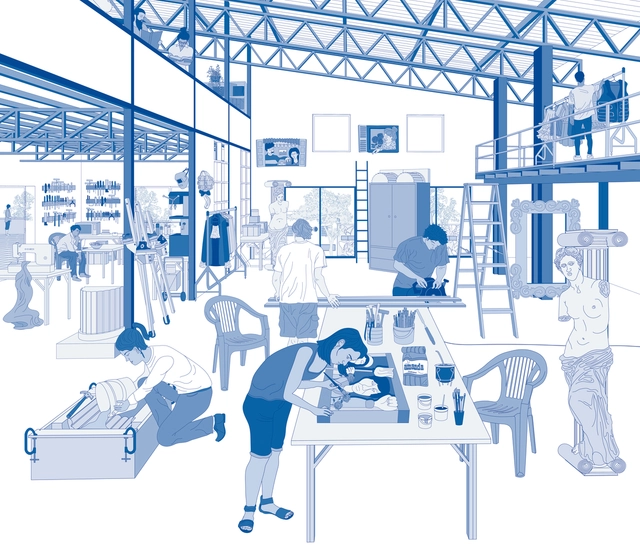
“The architectural configurations where the cultural development of a city takes place—workshops, recording studios, rehearsal rooms, factories, homes, and offices—are often private, invisible, and restricted to the general public.” Based on this premise, Urban Backstages—an exploration by the organization Theatrum Mundi that represents the first stage of the pilot project Making Cultural Infrastructure—seeks to reveal what the areas dedicated to the production of art, design, and crafts in the City of Buenos Aires are like, shedding light on how the region's cultural practices are conceived and developed “behind the scenes.”

Architecture of a Crisis: The Pandemic and Virtual Spaces

Subscriber Access | 
Architecture of a Crisis: The Pandemic and Virtual Spaces - Featured Image
© Virada Sustentável [Flickr] under license CC BY-SA 2.0

It appears that the humanitarian crisis has triggered a myriad of actions, rarely seen under normal circumstances, where human life, health, and the economy are prioritized equally. As urban activities grind to a halt, we once again isolate and alienate ourselves; yet, this situation feels strangely familiar. Almost seamlessly, we turn our lives over to technology, detaching ourselves from the physical conditions of our existence to make quarantine more bearable within spaces of telecommuting, virtual classes, chats, and social networks.

The Winners of the Competition to Renovate the School of Architecture at the National University of Córdoba, Argentina

The winners of the National Ideas Competition for the renovation of the Downtown Campus of the School of Architecture, Urbanism and Design of the National University of Córdoba have been announced. Organized by the Provincial College of Architects, the call invited architects from across the country to develop proposals for the programmatic and spatial reconfiguration of the FAUD UNC Downtown Campus in Argentina, repurposing the building for activities related to culture, research, outreach, and postgraduate studies.

The Winners of the 2020 FAD Awards: The Best Works of New Iberian Architecture

Subscriber Access | 

The 2020 FAD Awards, one of the most important architecture accolades on the Iberian Peninsula, have announced the winning projects of their latest edition.

Construction and Demolition Waste: Are We Recycling the Right Way?

Subscriber Access | 

While public awareness and regulations on how to reduce, reuse, and recycle municipal solid waste (MSW) on a daily basis have gained momentum, this is not yet the case for construction and demolition waste (CDW). This waste is primarily generated from the development of new projects; the rehabilitation, repair, and retrofitting of existing buildings; and site preparation and demolition processes, spanning from the scale of a single house to an entire city. This represents not only the loss of a massive volume of concrete, brick, steel, and manufactured products, but also the missed opportunity to salvage historic relics.
We want to offer our readers the opportunity to openly share their opinions and experiences regarding the recycling of this waste. If we were all fully aware of the environmental impact generated by the extraction, production, and commercialization of materials—only for them to ultimately end up as trash—would it change the way we design? Would our practices change?

On Personal Narratives in Architectural Illustration

Subscriber Access | 

On Personal Narratives in Architectural Illustration - 1 的图像 4On Personal Narratives in Architectural Illustration - 2 的图像 4On Personal Narratives in Architectural Illustration - 3 的图像 4On Personal Narratives in Architectural Illustration - 4 的图像 4On Personal Narratives in Architectural Illustration - More Images+ 2

Historically, architecture is a discipline that for many years was a male-dominated territory, until in 1939, María Luisa Dehesa became the first Mexican female architect. Yet, despite the perception that gender parity has been achieved in the education of architects in Mexico, the concept of masculinity (which can be exercised by both men and women) continues to permeate architecture. This is reflected in design processes, in the figure of the "unreachable architect," in a sense of competitiveness, in hierarchical structures, and, in the most unfortunate cases, in the notion that women design interiors while men design *real* architecture.

Virtually tour the interiors of Modernist houses and apartments in Argentina

Subscriber Access | 

Lately, virtual technology has become a crucial resource to support users and students worldwide. Courses, training programs, and books have successfully transitioned to digital formats to ensure the continuity of educational, training, and leisure activities. Understanding this shift, the Arquitectura Moderna 360 project has created a free-access web database that functions as a digital catalog or log, compiling various three-dimensional models, 360° panoramic photos, and VR of representative works of the Modern Movement in Argentina. This allows users from anywhere in the world to immerse themselves in the interior spaces of iconic buildings that have played a significant role in the country's architectural history.

The 39 Finalists of the XXVII Colombian Biennial of Architecture and Urbanism

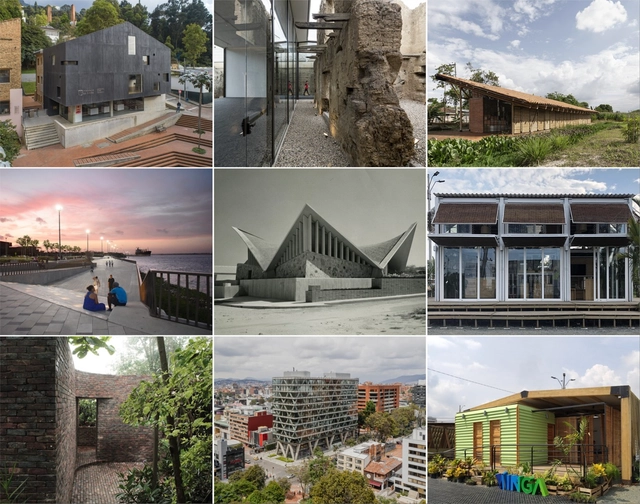
The Colombian Society of Architects (SCA) has announced the finalists for the 27th Colombian Biennial of Architecture and Urbanism (BICAU XVII) across all categories. The selected projects, which you can explore below, will receive either an Honorable Mention or be named winners of their respective categories; the winner of the National Architecture and Urbanism Prize will also be chosen from among them.

Territorial Planning in Rosario: Strategies for the Articulation of a Metropolitan Area

Subscriber Access | 

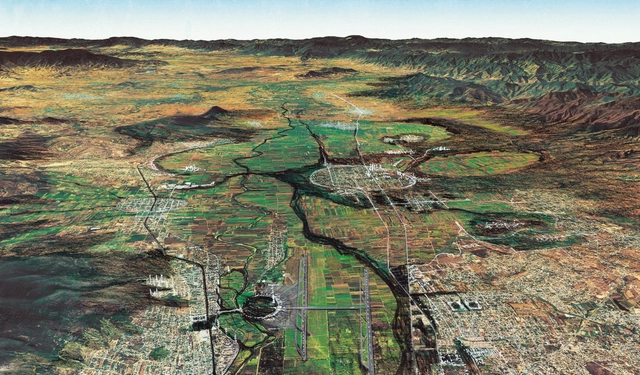
The ECOM Rosario (Metropolitan Coordination Agency) is a voluntary association of municipalities and communes, an institutional space for the planning, coordination, and promotion of public policies with regional impact, organized on the basis of a strategic partnership among 26 localities. It is essentially an organ for driving the formulation, development, and execution of projects at a metropolitan scale, established with the goal of supporting balanced and integrated territorial development in the Metropolitan Area of Rosario (AMR), Argentina.

Download the Mexican series 'Oaxaca' by Armando Quintana for Escalalatina for free

Subscriber Access | 

Oaxaca is one of Mexico's thirty states, renowned for a rich culture that has shaped a territory celebrating its roots. Located in the country's southeastern region, it borders the Pacific Ocean and is known for its indigenous communities, where Zapotec and Mixtec cultures predominate. In addition, Oaxaca is home to a vibrant public life where streets, pedestrian walkways, and plazas frame a diverse range of political, religious, and popular activities. This has drawn the attention of various projects and research initiatives seeking to highlight this social effervescence.

Meet the winners of the CONCÉNTRICO 06 competitions

Meet the winners of the CONCÉNTRICO 06 competitions - Imagem 1 de 4Meet the winners of the CONCÉNTRICO 06 competitions - Imagem 2 de 4Meet the winners of the CONCÉNTRICO 06 competitions - Imagem 3 de 4Meet the winners of the CONCÉNTRICO 06 competitions - Imagem 4 de 4Meet the winners of the CONCÉNTRICO 06 competitions - More Images+ 29

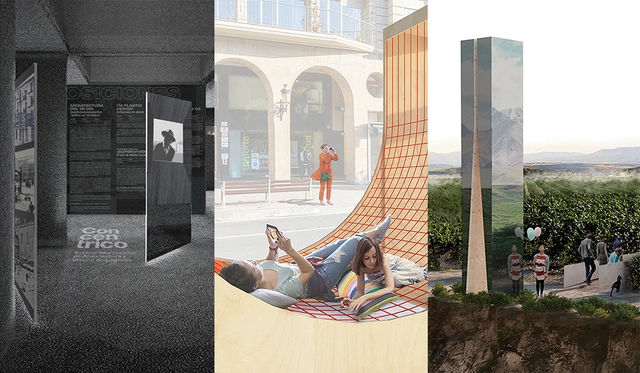
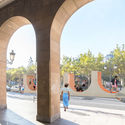
Concéntrico 06 is the Logroño Architecture and Design Festival, open to all citizens and visitors, which invites them to discover and rediscover key spaces in the city's historic center.

Did the lockdown reduce air pollution? The case of Argentina's major cities

Did the lockdown reduce air pollution? The case of Argentina's major cities - Image 1 of 4Did the lockdown reduce air pollution? The case of Argentina's major cities - Image 2 of 4Did the lockdown reduce air pollution? The case of Argentina's major cities - Image 3 of 4Did the lockdown reduce air pollution? The case of Argentina's major cities - Image 4 of 4Did the lockdown reduce air pollution? The case of Argentina's major cities - More Images+ 12

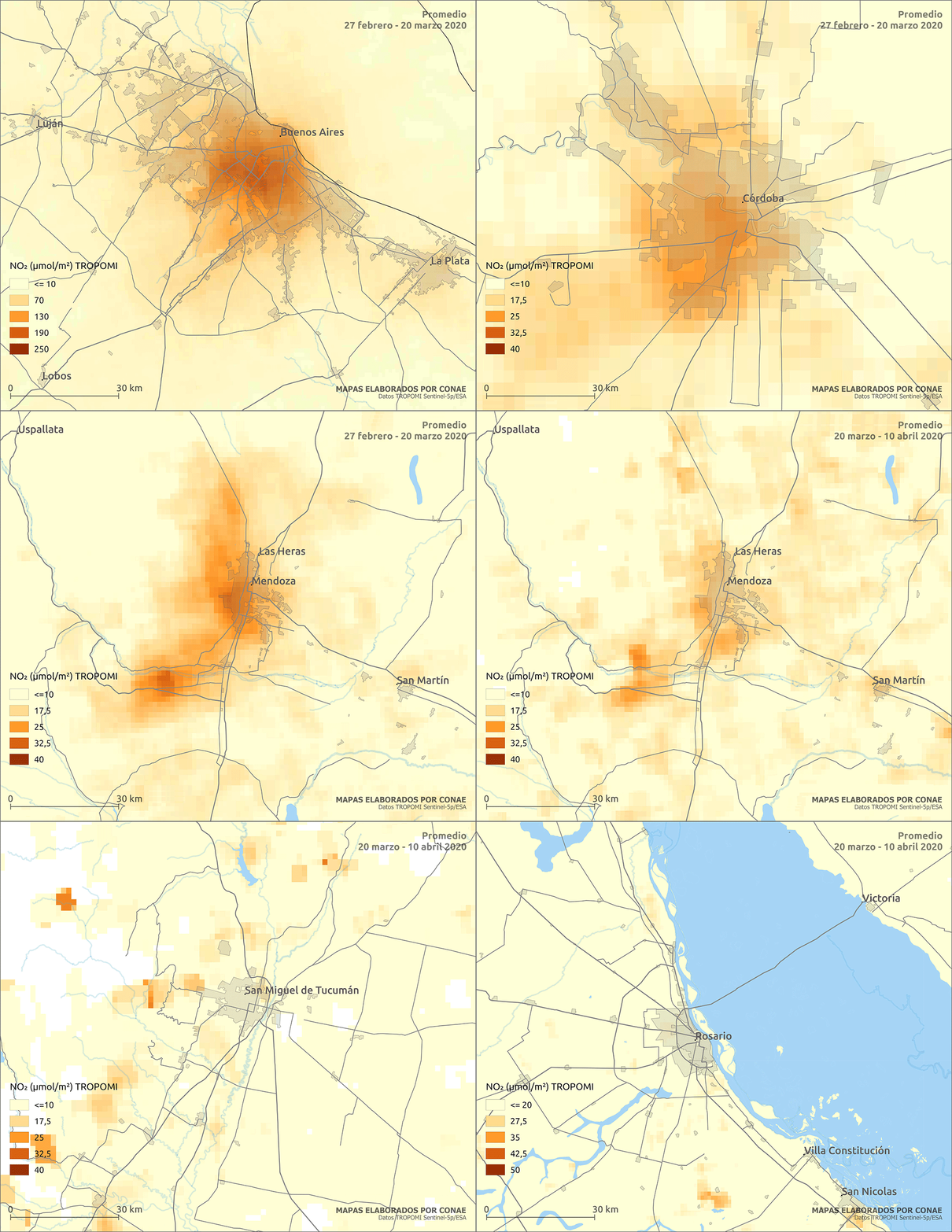
The levels of air pollution reached by major urban centers around the world in recent years reveal the troubled relationship we have maintained—and continue to maintain—with our environment. The gravity of the issue lies in the fact that this not only affects the overall balance of the planet, but according to the World Health Organization, the current state of the atmosphere also causes, through the simple act of breathing, the death of around seven million people each year. Shortly after governments in various countries announced measures to prevent the spread of the coronavirus—lockdowns and isolation—numerous studies began to show an unexpected and promising trend: air pollution levels in many cities began to drop significantly within days of the measures being announced due to reduced traffic and a decline in industrial emissions.

PALMA: “For us, publishing architecture is about documenting and showing the process”

Subscriber Access | 

PALMA: “For us, publishing architecture is about documenting and showing the process” - Imagem 1 de 4PALMA: “For us, publishing architecture is about documenting and showing the process” - Imagem 2 de 4PALMA: “For us, publishing architecture is about documenting and showing the process” - Imagem 3 de 4PALMA: “For us, publishing architecture is about documenting and showing the process” - Imagem 4 de 4PALMA: “For us, publishing architecture is about documenting and showing the process” - More Images+ 1

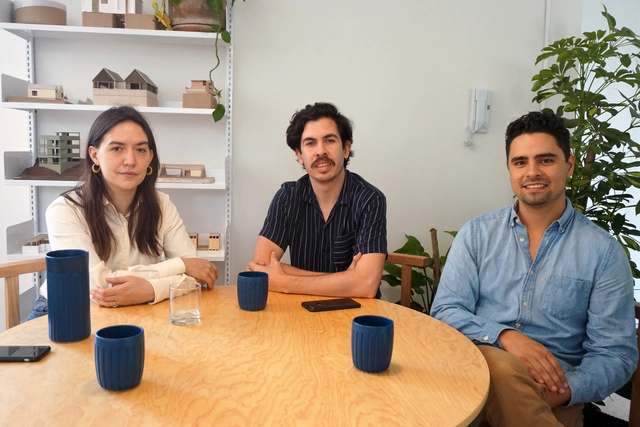
In this exclusive interview with ArchDaily, Ilse Cárdenas, Diego Escamilla, and Juan Luis Rivera—who, along with Regina de Hoyos, make up the firm PALMA—discuss the history of their practice and its evolution over the years, reflecting on how their personal and professional interests shape the way they inhabit and create architecture.

List of abandoned buildings in Latin America

Subscriber Access | 

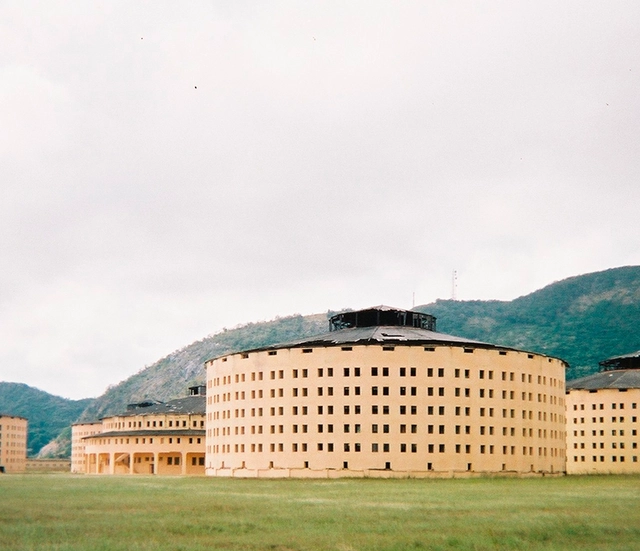
Natural disasters, mass migrations, economic crises, or simply the passage of time can leave significant architectural works—and even entire towns—abandoned to decay, losing their habitability either partially or completely. Recognizing that these buildings form part of our recent history, a growing number of photographers, historians, and urban explorers (urbex) are venturing out in search of these modern ruins.

"The Ethics of Dust" by Jorge Otero-Pailos, Preserving the Invisible History of Buildings and Monuments

Subscriber Access | 

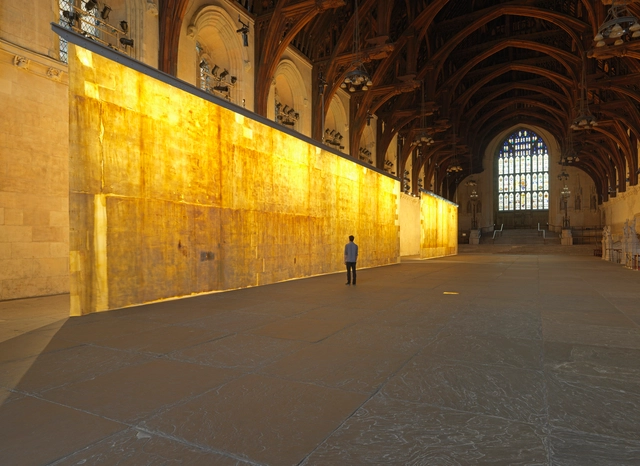
"I am interested in how we transition as people from one phase of life to another, and as cultures from one historical period to another. Transitions are often difficult, maybe even frightening." With this introduction, we can expect the work of artist-architect Jorge Otero-Pailos to offer a different perspective, particularly in how we understand the passage of time in architecture throughout history.

Below, he shares photographs of his series "The Ethics of Dust," which highlights the cleaning of dust and pollution residue from renowned historical buildings and monuments—making the invisible visible.

You've started following your first account!

Did you know?

You'll now receive updates based on what you follow! Personalize your stream and start following your favorite authors, offices and users.