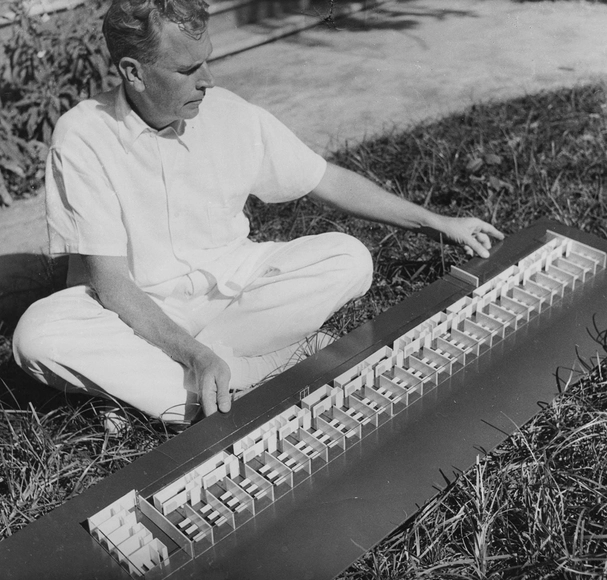
Discussions of Amancio Williams's architecture typically focus on his built work—the tangible side of his profession. Yet beyond being a great architect, he was a researcher, creator, avant-gardist, and visionary. Constantly studying the technical possibilities of his era, he approached his theoretical development and architectural thinking as if the field were a laboratory.
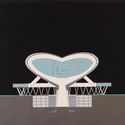
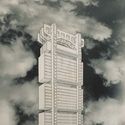
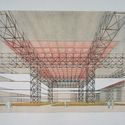
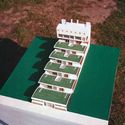
This is evident in the projects Williams developed for dwellings in space (1942), the hall for plastic spectacle and sound in space (1942), the Buenos Aires airport (1945) the suspended office building (1946) and the first city in Antarctica (1980), which we explore below.









.jpg?1556847358 "Pueyrredón 1101 Building / Estudio Pablo Gagliardo. Image © Ramiro Sosa")
.jpg?1556847671 "Pueyrredón 1101 Building / Estudio Pablo Gagliardo. Image © Ramiro Sosa")




_11.37.22.jpg?1553103497&format=webp&width=640&height=580)


.jpg?1563469230&format=webp&width=640&height=580)