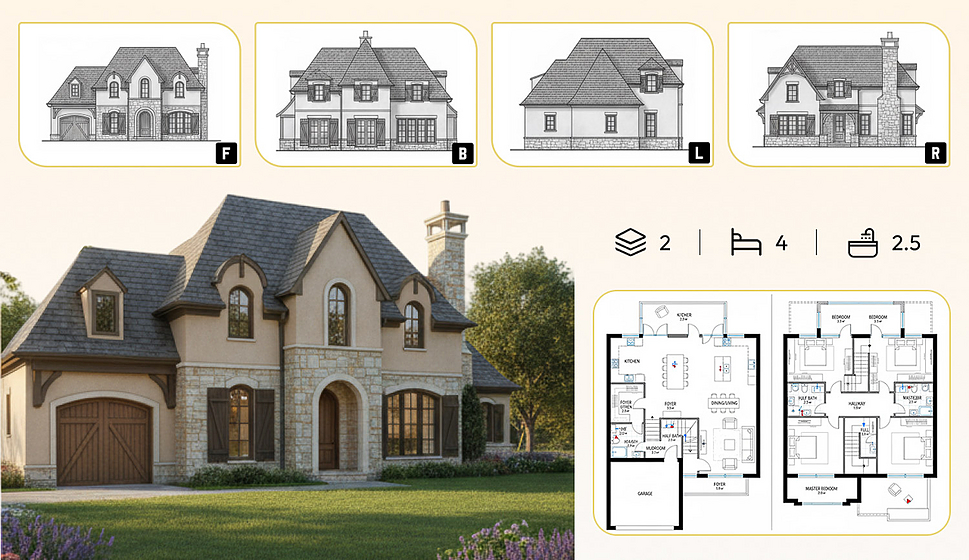
This guide covers a workflow that moves from project parameters to generated floor plans, 3D perspective views, exterior design exploration, and site context visualization, using AI tools in place of preliminary CAD and rendering work.
This guide covers a workflow that moves from project parameters to generated floor plans, 3D perspective views, exterior design exploration, and site context visualization, using AI tools in place of preliminary CAD and rendering work.

2018 was a busy year for ArchDaily Brasil. We had the opportunity to publish a wide range of content—articles, news, and projects—specially curated for you, our daily reader. Beyond our platform, our Instagram account served as a daily hub for sharing content through stories, IGTV, and, above all, the dozens of photographs shared each week.
With nearly 150,000 followers on our Brazilian profile (@archdailybr) who follow us daily and show their support for the best architectural photography of projects by Brazilian and Portuguese architects, we decided to put together a year-end roundup of the 15 most-liked photos. Check out the list below!
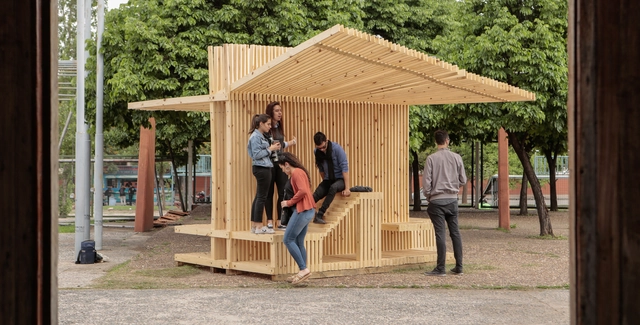
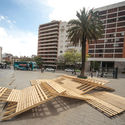
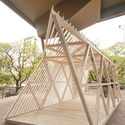
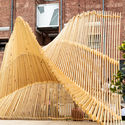
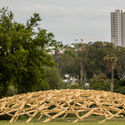
Jointly organized by the Cámara de la Madera, Mueble y Equipamiento de Córdoba (CAMMEC) and the Faculty of Architecture, Urbanism, and Design at the Universidad Nacional de Córdoba, the 'Toco Madera XL' workshop emerged within the framework of the Second Design Biennial in Córdoba, Argentina, with the primary goal of promoting the use of wood.
Nine teams made up of more than 200 students and 50 professors designed installations using this material exclusively, which were then placed in various public spaces across the city. The initiative sought to showcase and highlight the regional timber industry, positioning the city as a benchmark for local and international design.
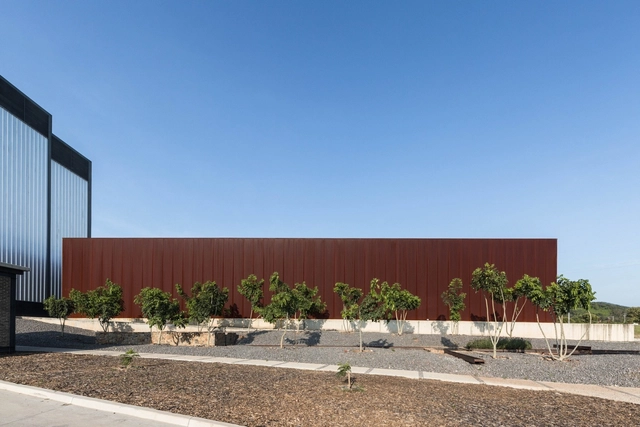
The Architectural Review Emerging Architecture award has been held annually since 1999. It aims to recognize architects at a key stage of their careers, placing them on a global stage and promoting their work worldwide. Previous winners include Sou Fujimoto, Thomas Heatherwick, Sean Godsell, Jürgen Mayer H, Anna Heringer, Shigeru Ban, Li Xiaodong, and Mexican architect Frida Escobedo, designer of the 2018 Serpentine Pavilion.
This year's jury is composed of Spanish architect Ángela García de Paredes of Paredes Pedrosa (1999 AR Emerging Architecture Award winner), Indian architect Gurjit Singh Matharoo (2010 AR House Award winner), and Ronald Rietveld of RAAAF (2013 AR Emerging Architecture Award winner).
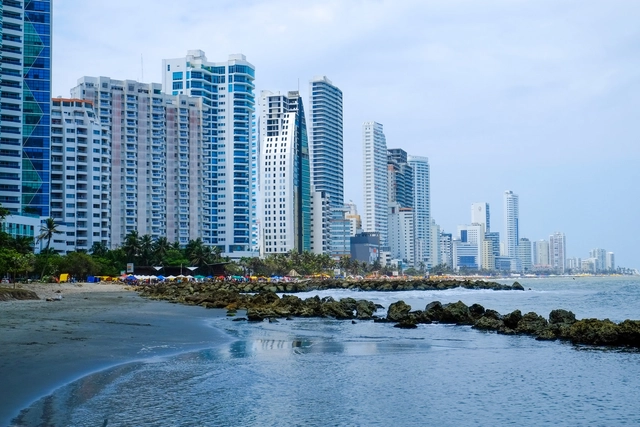
On April 27, 2017, the collapse of the Blas de Lezo II building brought to light numerous construction projects in Cartagena that violate building permits, hold forged licenses, or lack the necessary permits altogether. The tragedy claimed the lives of 21 workers and left more than 30 injured. Only then did an agreement between the Cartagena Mayor's Office and the Inspector General's Office (Procuraduría) establish a normalization plan to curb irregularities in the city's construction sector.
According to the diagnostic report, by late October 2017, 124 properties were identified as unlicensed or built using fraudulent permits. However, the controversy surrounding building permit irregularities in Cartagena resurfaced that same month when a complaint was filed against the ongoing construction of the Aquarela multi-family residential project.
The new award, a partnership between the Tomie Ohtake Institute and Leroy Merlin, has extended its submission deadline. Until August 10, university students of any discipline can submit design projects related to products, furniture, fashion, interiors, landscaping, web, graphics, services, and other fields, under the theme SHARE.
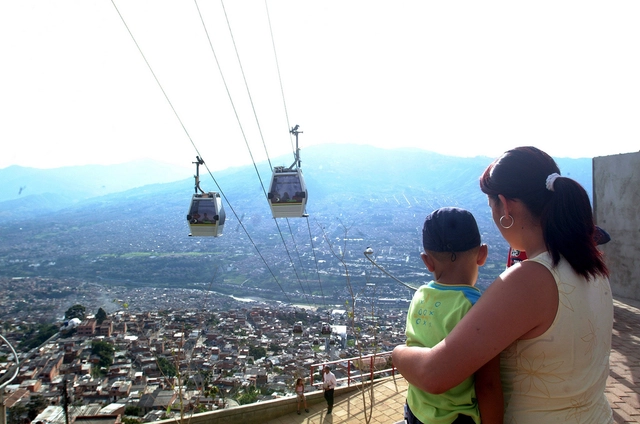
Some urban changes go deeper than the surface. These are transformative projects with the power to generate an impact far greater than aesthetic or infrastructural updates. They are initiatives that positively influence the economy, the environment, and the host community—in unexpected or even unprecedented ways.

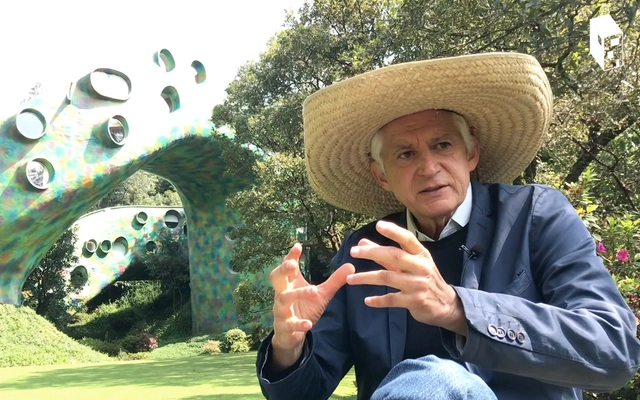
Javier Senosiain is a Mexican architect and graduate of the UNAM Faculty of Architecture whose work focuses on researching and developing organic architecture through a deep immersion in the geographical qualities of specific sites. As he notes, his work seeks to create far more human spaces by understanding how we move through and inhabit our environments. His practice draws on the research of internationally renowned architects such as Frank Lloyd Wright, Hundertwasser, and Gaudí; nevertheless, he prioritizes regional materials and solutions tailored to the specific needs of Mexico. His portfolio includes projects such as the Organic House, Nido de Quetzalcóatl, and the Amiba House in São Paulo, among others.
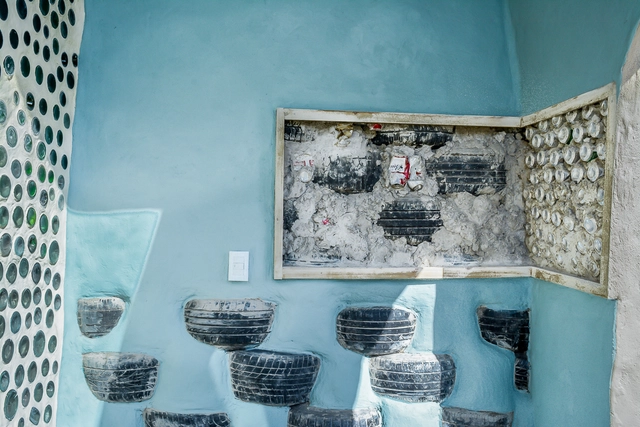
On April 19, Argentina's first sustainable public school was officially inaugurated in the town of Mar Chiquita.
The project was realized under the Una Escuela Sustentable program, an initiative by the Uruguayan organization Tagma that aims to build a symbolic regional network—with a sustainable public school in every Latin American country—in partnership with Garbage Warrior Michael Reynolds and his team at Earthship Biotecture.
Below, the organizers outline the seven core principles and the construction process of this project.

On August 30, the press conference for the 2018 Beijing Design Week - 751 International Design Festival was held at the Geyuan space in Beijing's 751D·PARK. Wang Yudong, General Manager of Beijing Design Week, and Zhang Junyuan, General Manager of 751D·PARK Cultural Development Co., Ltd., delivered opening remarks. The event was attended by Per Boesgaard, Sector Counselor for Sustainable Urban Development at the Royal Danish Embassy, Bart Hofstede, Cultural Counselor of the Dutch Embassy, and over 40 Chinese and international media representatives.
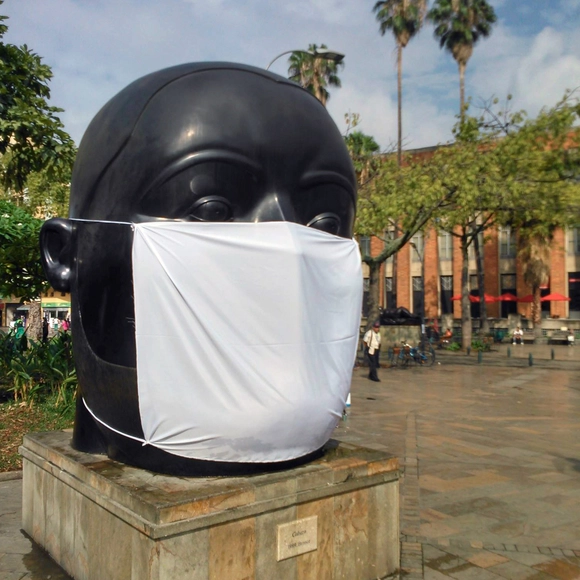
On March 6, environmental pollution in Medellín, Colombia, triggered the highest alert levels. For three days, industrial production and driving restrictions (locally known as pico y placa) have been tightened. According to specialists consulted by the local newspaper El Tiempo, meteorological conditions are expected to make the situation “most critical” in two weeks.
In light of situations like this, air quality monitoring and control have taken on greater importance in Colombia. This is especially critical given that one in eight deaths worldwide is caused by air pollution, according to figures from the World Health Organization (WHO). In Colombia, 10,527 deaths and 67.8 million cases of related symptoms and illnesses occurred in 2015, as reported in 2017 by the National Planning Department following a study on the health costs of environmental degradation.
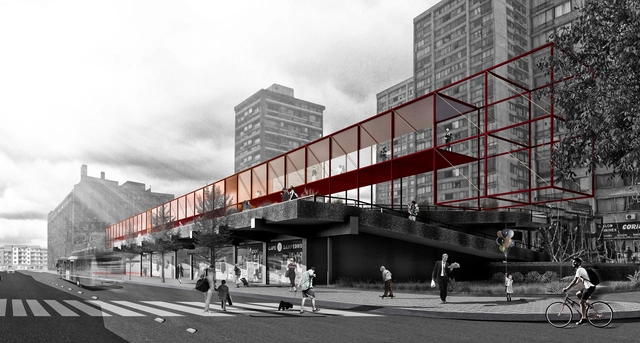
The Architecture and Landscape Ideas Competition for the Pasarelas San Borja and Surroundings announced its winning proposals during an event held on Thursday, September 6, at the National Headquarters of the Chilean Association of Architects (Colegio de Arquitectos de Chile). The main objective of the competition was to recognize, through a qualified and representative jury accredited by the sponsors, the best urban design ideas that help define intervention criteria and generate proposals for the San Borja neighborhood.
A total of 86 interdisciplinary teams registered for the competition, with 34 proposals successfully submitted and evaluated. The jury awarded first, second, and third place, along with three honorable mentions. Additionally, a Neighborhood Mention was awarded to two projects highlighted by the Neighborhood Advisory Commission during the evaluation process.
Discover the winning projects below:
Afastado de Quem Fala is a diptych short film about Adega Baía da Arruda, a project by the Portuguese-Swiss studio Barão-Hutter, built on Pico Island in 2017.
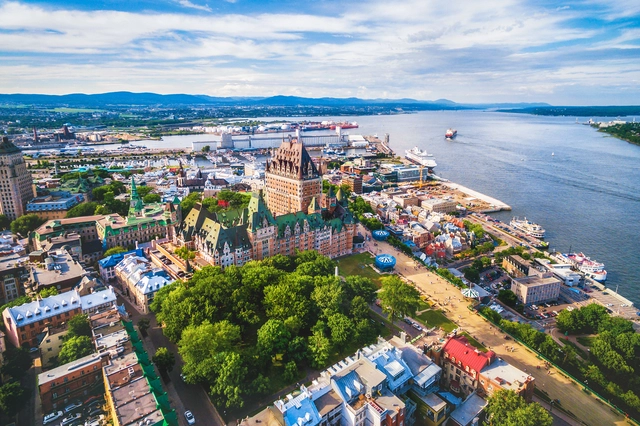
The measure is based on the principle that it makes no sense to continue applying the same rules to two such different types of vehicles.
Mayor Valérie Plante has promised improvements to the city's cycling infrastructure. Her ideas align closely with those of Councilor Marianne Giguère, who is responsible for sustainable development and transportation. Giguère believes that, under current laws, the message to cyclists is that they must be just as cautious as drivers, “even though you [the cyclist] pose much less of a danger.”
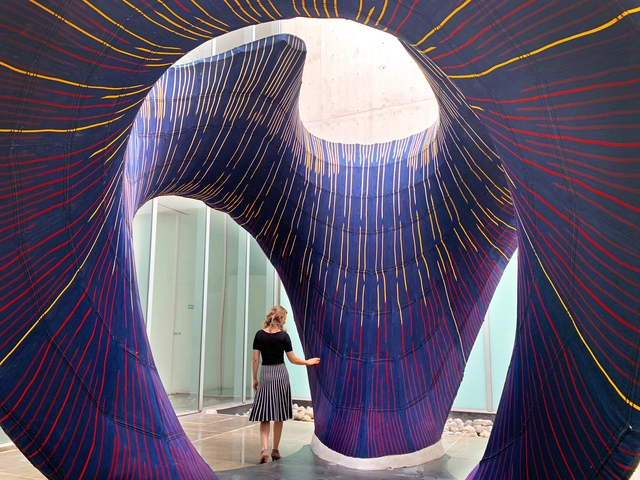
As part of Zaha Hadid Architects' first exhibition in Latin America, the Museo Universitario de Arte Contemporáneo (MUAC) in Mexico City is hosting an experimental structure that pays tribute to Mexican architect and engineer Félix Candela. "Design as Second Nature" showcases several projects by architect Zaha Hadid through models, audiovisual materials, paintings, and photographs, exploring her practice's creative process and highlighting the importance and complexity of design as the articulating axis of forms and construction processes in her work.
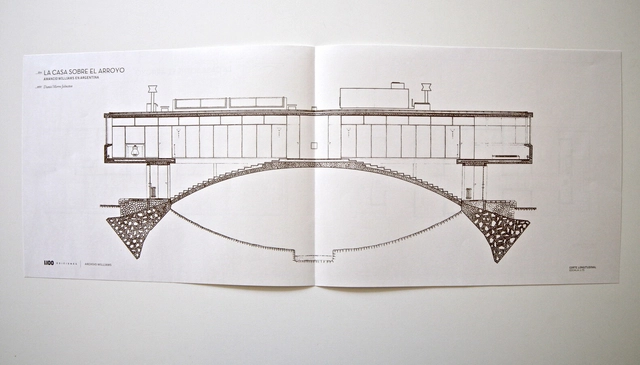
‘The smell of smoke mingled in the air, like poison,’ these captivating opening words already foreshadow a tragic end. The result of an unusual sequence of events, they demonstrate that the threads of fortunate—and unfortunate—circumstances are far more complex to weave and comprehend than a casual observer might think. The chain of stories sequenced by Daniel Merro Johnston in Casa sobre el Arroyo by Amancio Williams —published by Ediciones 1:100— does not merely outline a process and its parallel events; it highlights the singularity of the construction itself, serving as a testament to the complexity, the timelines, and the unforeseen circumstances involved in creating a ‘good’ work of architecture.

We have finally reached the last day of 2018, a year marked by a series of architectural trends, novel proposals presented in competitions, biennials, and architecture fairs, and above all, punctuated by a sea of projects reflecting the concerns of architects proposing new directions for the discipline. Now, after 365 days of many surprises for the world of architecture, it is time to celebrate and give thanks for another year—and what better way to welcome 2019 than to the sound of great music? With this in mind, our editorial team has curated a special selection: featuring the moving sounds of Coldplay and John Lennon, festive beats from Bruno Mars and Alok, and Brazilian classics by Elis Regina and João Gilberto.
Check out the full New Year's Eve playlist below.

When there is a balanced combination of complementary activities in a given neighborhood (meaning a mix of housing, workplaces, commerce, and services), a significant portion of its residents' daily trips can remain short and walkable. Diverse uses, with different peak hours throughout the day, help keep streets busy and safe for longer, stimulating pedestrian and cyclist activity and promoting a lively human environment where people want to live. This also helps balance public transit demand, resulting in a more efficient and sustainable operation over longer periods of the day. People of all age groups, genders, and income levels can safely interact in public spaces.

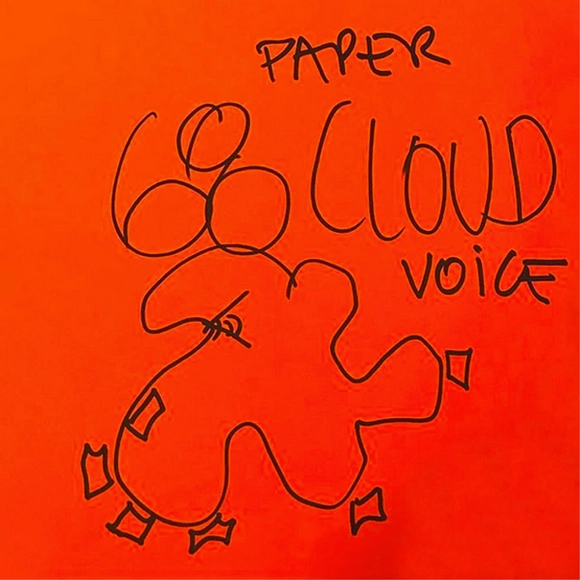
Chilean architect Smiljan Radic, along with Patricio Mardones, are the curators of the exhibition CLOUD '68 - PAPER VOICE, which will be on display from March 14 to May 18, 2018, at the Department of Architecture, ETH Zurich, Hönggerberg in Switzerland.
This exhibition commemorates the 50th anniversary of the social revolution of May 1968, paying tribute to radical European thought and its architecture from 1950 to 1970, which generated diverse perspectives of expression and design forms.
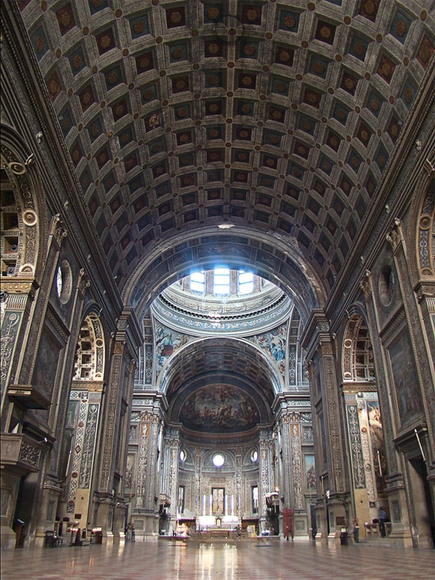
More than a decade ago, I decided to study contemporary architecture while simultaneously teaching history and criticism, with an emphasis on the last century. The thrilling trajectory of architecture during this period is as surprising and prolific as it undoubtedly was during the Renaissance. Names like Gropius, Jeanneret, Mies, Wright, Costa, Niemeyer, Tange, Bonet, Williams, Scharoun, Terragni, or Aalto represent a group of brilliant architects, much like historical figures such as Leonardo, Raphael, Michelangelo, Brunelleschi, Bramante, Tintoretto, Titian, Masaccio, Botticelli, Palladio, Alberti, and Vignola were to their art starting in the fifteenth century. Modernity in architecture and art undoubtedly possesses the character of a revolutionary period, one of monumental contributions and a turning point in history.
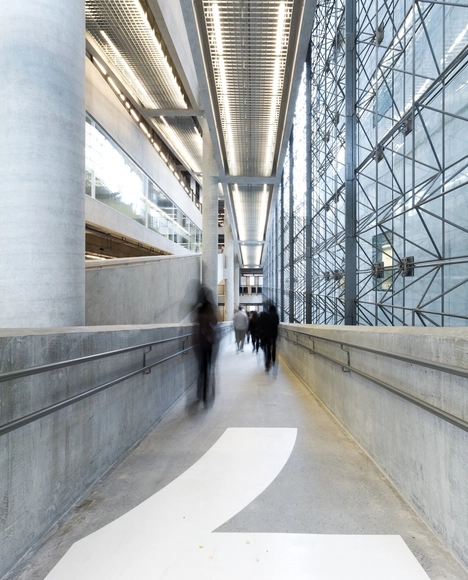
Last Thursday, during the opening of the exhibition featuring the 13 finalist projects – selected from 244 submissions representing 17 Brazilian states and the Federal District – the winners of the 5th Instituto Tomie Ohtake AkzoNobel Architecture Prize were announced.
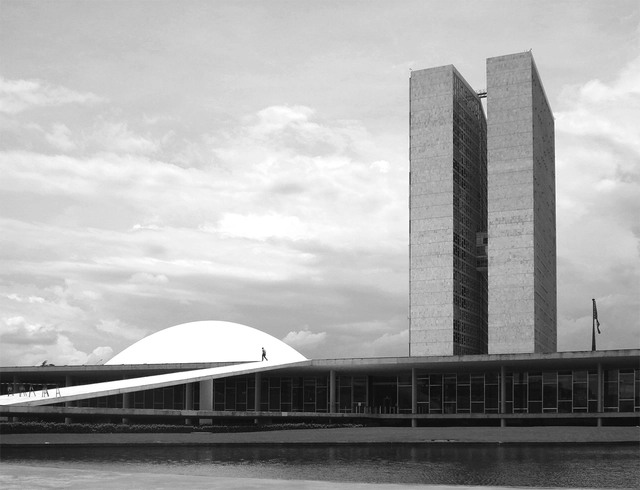
With the votes counted, the first round of the presidential election was not enough to determine the country's next political leader; candidates Fernando Haddad, of the Workers' Party, and Jair Bolsonaro, of the Social Liberal Party, will face off once again in the runoff vote on October 28.
Political differences and ideological discrepancies aside, the next president will have, among many other tasks, the responsibility of providing federal support for the development of Brazilian cities—home to about 87% of the country's population. To contribute to the debate and—if it is ArchDaily's place to do so—help undecided voters make up their minds, we have compiled below the proposals of both presidential candidates for the future of cities, based on their respective government platforms, covering topics such as housing, urban development, infrastructure, sustainability, mobility, and the right to the city.
As we previously reported, the firm Estudio Victoria—led by muralist Dasic Fernández, gallerist Esteban Barrera, and architect Juan Carlos López—was responsible for managing and designing the colorful, 400-linear-meter 'Paseo Bandera.' Inaugurated on December 20, it has transformed an iconic street in downtown Santiago into a bustling pedestrian promenade.
The ArchDaily team spoke with Dasic Fernández, whose work has taken over Santiago's main walls and who is now leaving the gray of Bandera Street behind through tactical urbanism. The interview explores in detail how this unprecedented intervention in Latin America was managed and designed, allowing pedestrians in the capital's downtown to reclaim urban space.
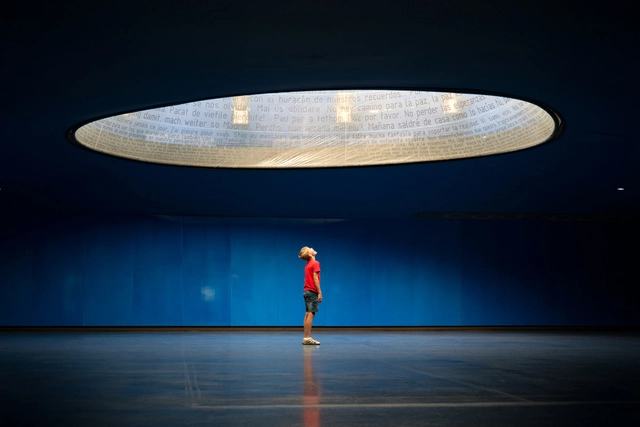
Eleven years after its inauguration, the Madrid City Council has announced a renovation and upgrade plan for the monument to the victims of the March 11 (11-M) terrorist attacks at Atocha Station in Madrid, Spain, as reported by the Spanish newspaper El País.
Designed by Estudio SIC, the monument to the victims of 11-M was inaugurated in 2007, three years after the attacks perpetrated by a terrorist cell on March 11, 2004. The attack consisted of the simultaneous explosion of 10 bombs on four commuter trains, claiming the lives of 193 people and leaving more than 2,000 injured, making it the worst terrorist attack in Spain's history.

Yesterday, July 12, a partial collapse occurred at Plaza Artz Pedregal, a high-end shopping mall in southern Mexico City. Designed by the prominent Mexican architecture firm Sordo Madaleno Arquitectos, the collapsed section appears to be an overlapping cantilevered volume, as seen in social media videos of the incident and renderings released in 2016. The cause of the collapse remains under investigation.