
Founded in 2010, Origin Architect seeks to root its practice in the complexities and conflicts of contemporary reality, drawing from them the power of symbiosis and integration.
Founded in 2010, Origin Architect seeks to root its practice in the complexities and conflicts of contemporary reality, drawing from them the power of symbiosis and integration.
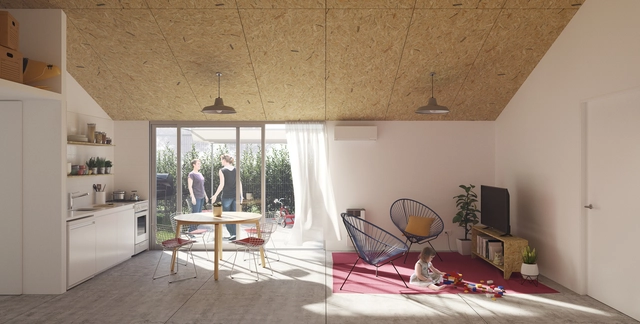
Organized by the Association of Architects of the Province of Buenos Aires (CAPBA) and promoted by the Ministry of Territorial Development and Habitat, the Casa Propia – PROCREAR II Housing Project Competition was launched with the goal of implementing an action plan to facilitate access to permanent housing. This initiative aims to improve the affordability of housing solutions for all social sectors in response to current demand in Argentina.

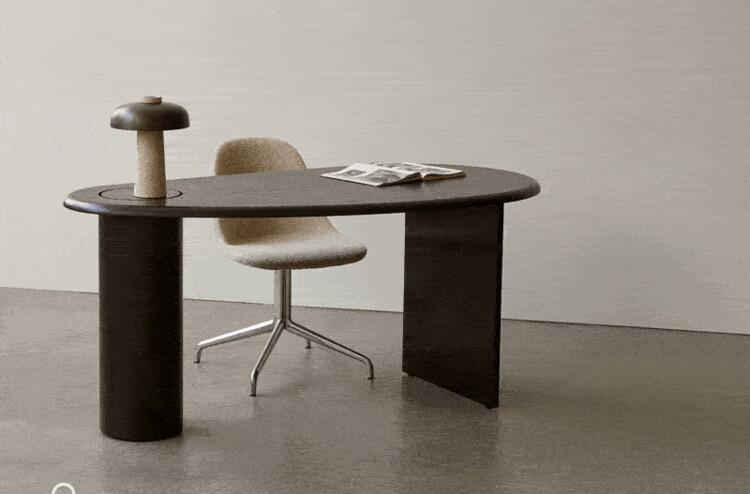
Growing up in the rolling coastal countryside of Dorset in West England, Fred Rigby drew creative inspiration from natural elements—a passion that ultimately shaped his design philosophy. Characterized by organic forms, natural symbolism, and earthy materials, his work fosters a deep connection to nature within indoor environments. Premium Scandinavian design brand MENU collaborated with Rigby to develop their latest office furniture collection as a response to the pandemic-induced shift toward working from home. By integrating the warm, soft, and nature-centric qualities of his work, the collection aims to bring a sense of calm to the anxieties of our time.

Founded in Shanghai in 2016, atelier tao+c’s practice spans diverse scopes and scales—from a single pendant light to an entire neighborhood, from urban micro-residential interiors to rural house renovations, and from street-front retail to youth communities. Alongside their practical work, they focus on research topics such as building adaptive reuse and the domestic settlement of objects in living spaces. Free from the constraints of typology and scale, the studio approaches every design with a focus on scale, construction, proximity and intimacy, and the reconciliation of the past with the immediate present. By reconstructing the exploration and understanding of typology, they seek to reveal the latent possibilities of each site.
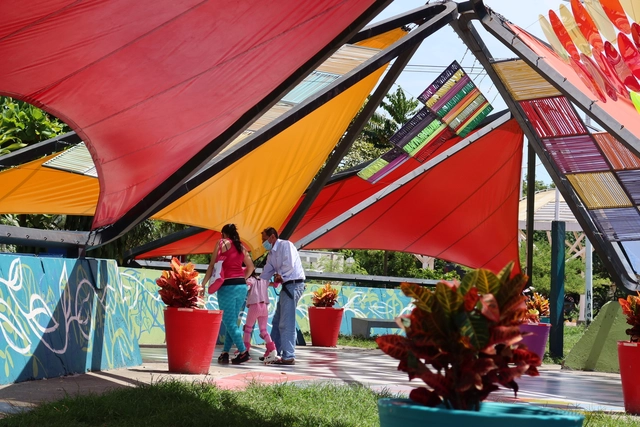
“Despacio” challenges intuitive thinking about cities, life, and the climate. Based in Colombia, this organization seeks to find ways to experience the city at an appropriate pace, moving toward a humane and sustainable urban space. It supports urban climate change mitigation and adaptation through actions in both the public and private spheres, while fostering individual, family, and professional well-being at every stage of life.
“Vivo mi Calle” is one of its participatory initiatives—recently awarded the FIIU 2021 Ocupa Prize—which promotes the right to healthy cities by creating public spaces and safe routes alongside youth. The initiative consists of a series of urban interventions in the city of Cali, carried out in collaboration with local children and adolescents, with the aim of transforming these areas into safe spaces for community gathering, learning, and neighborhood integration.
In the following interview with Natalia Lleras, director of the Vivo Mi Calle project, we discuss the different facets of their work, their recognition, their motivations, and the initiative's future outlook.
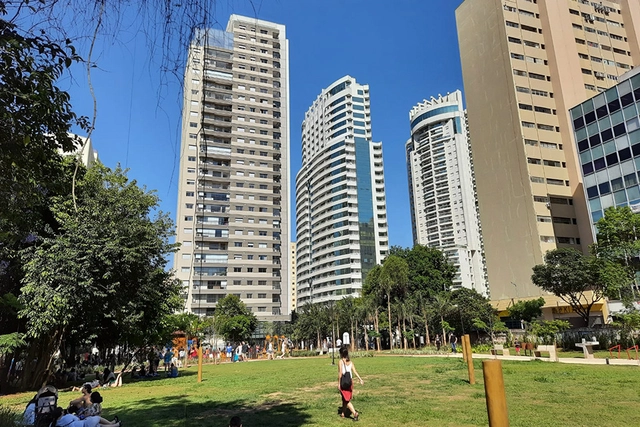
In November 2021, the Mayor Bruno Covas Augusta Municipal Park opened in central São Paulo. Despite the celebrations, the outcome could have been better. The decision to turn the area into a park was the result of a process that dragged on for years between developers planning to build residential and commercial towers on the site, and residents and activist groups advocating for a park on the same plot of land.
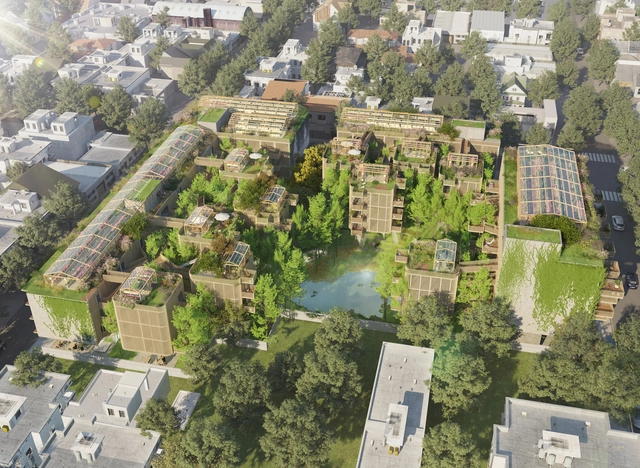
Estudio Planta, led by Irene Joselevich and Ana Rascovsky, proposes a new way of living for older adults. Located near the northern access to the Autonomous City of Buenos Aires, the project is set in the Florida Oeste neighborhood, proposing the construction of an architectural complex designed for the senior population. The goal is to provide a gathering space, a laboratory of ideas, and ultimately, a space for personal development to strengthen community bonds through a variety of activities on the path to enjoying the second half of life.
_16.43.35.jpg?1625522558&format=webp&width=640&height=580)
Fundación Mi Parque in collaboration with Transelec, has developed a manual focusing on the technical and landscaping aspects of pruning urban trees near power transmission lines. This task is identified as an opportunity to move toward building an integrated and sustainable city image.
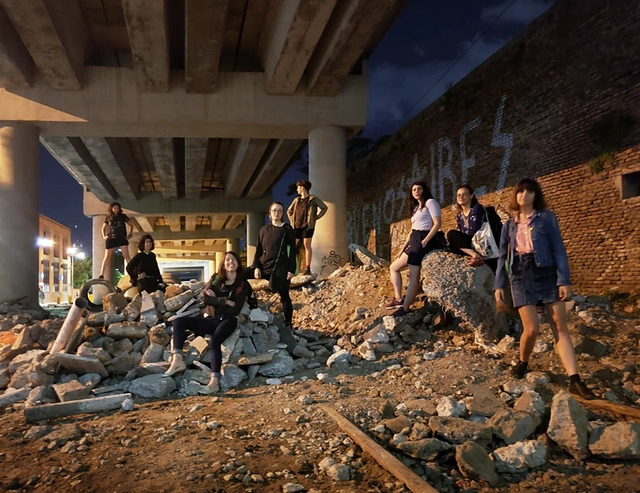
It is well known that since its inception, the field of architecture has been predominantly composed of white, cisgender men, who to this day continue to occupy some of the most prominent positions in both architectural practices and prestigious awards. For this and many other reasons, the struggle to bring visibility to women in architecture has always been present, responding to the specific demands of each era and winning increasingly significant battles. However, inequalities persist, making it a challenging profession for women—and even more so for women of color, Indigenous women, Latinas, and those from disadvantaged economic backgrounds.
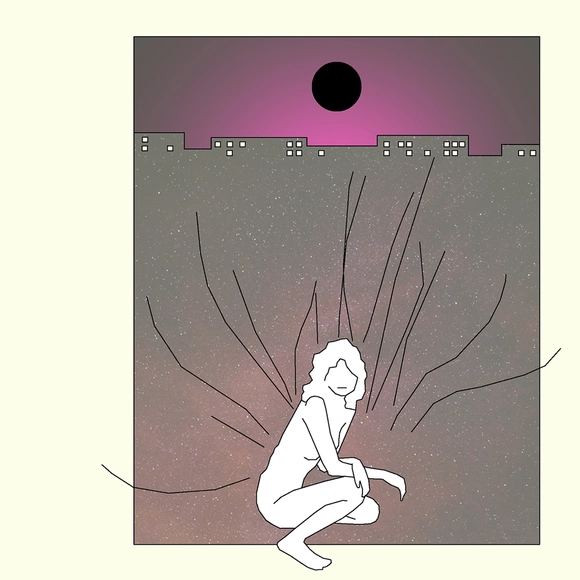
In a world that is physically more connected than ever, yet socially unequal and fragmented, what should be the contribution of architects in the pursuit of more egalitarian, developed, and humane cities and communities? According to the authors of this book, the subject of our conversation in this episode, our practice must necessarily embrace its political dimension.

Established in March 2008, Shanghai RUF Architectural Design Consulting Co., Ltd. (RUF) is the sole branch in China of the Boston-registered US RUF Design Consulting Co., Ltd. The firm specializes in schematic design for high-end residential projects, commercial complexes, industrial parks, hotels, and characteristic small towns.
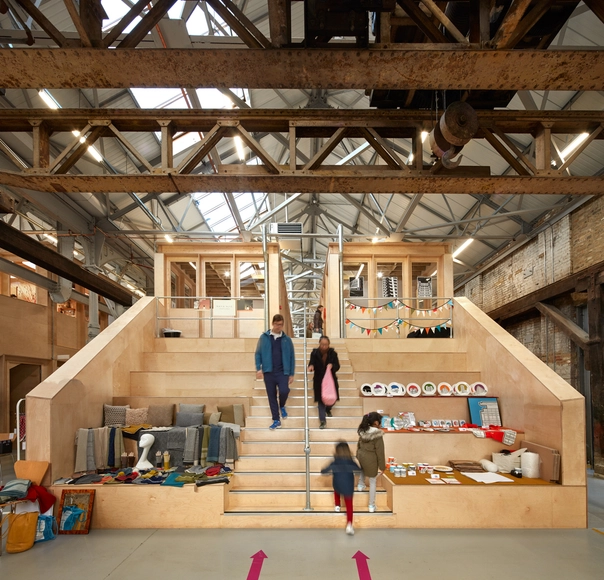
Out of necessity, various building types have changed their use. Churches converted into libraries, abandoned warehouses turned into cultural centers—and while much has been written on the subject, from N. John Habraken's 1970s Open Building concept to Adamo Faiden's contemporary From Mixed-Use to Diff-Use, today we have, more than ever, an engaging global debate surrounding adaptability in housing. Is it truly necessary to dedicate so many square feet to office space when the pandemic proved that most work can be done remotely? This was one of the central questions during the lockdowns of recent years.


The renowned Fritz Höger Award for Brick Architecture announced the winners of its 2020 edition, which recognizes architectural practices from around the world for their outstanding achievements in brick construction. With nearly 600 projects submitted once again and a strong international response, the competition—now in its fifth edition—is one of Germany's most important architecture awards.

What if we told you that fungi could be the future of building materials? The possibilities of mycelium in architecture are becoming increasingly tangible, thanks to its capacity to be molded into everything from furniture and packaging to insulation panels and bricks. It offers excellent acoustic and thermal properties, along with remarkable fire resistance.
In Argentina, this is already a reality. Refugio Fúngico is a recent experimental biotechnological research and development project led by SUPERPRAXIS. It takes the form of a temporary installation in the city of San Carlos de Bariloche, crafted from a biomaterial made from organic waste and mycelium.
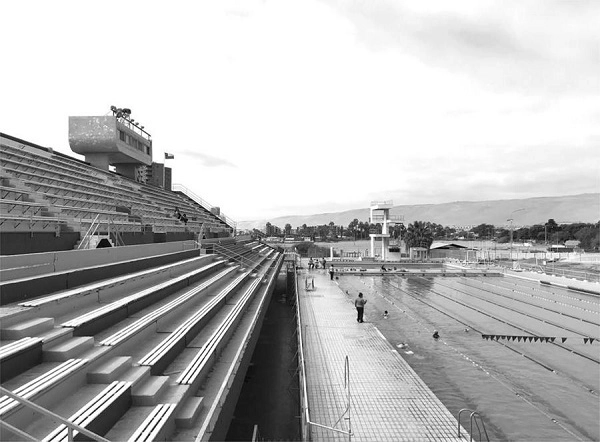
Although the Olympic Pool of Arica, built in 1972 by architect Alicia Meza and former CORMU members Nelson Berthelon and Sergio Román, received widespread national and international recognition at the time, today it is far from being part of the collective imaginary of modern architecture in Chile.
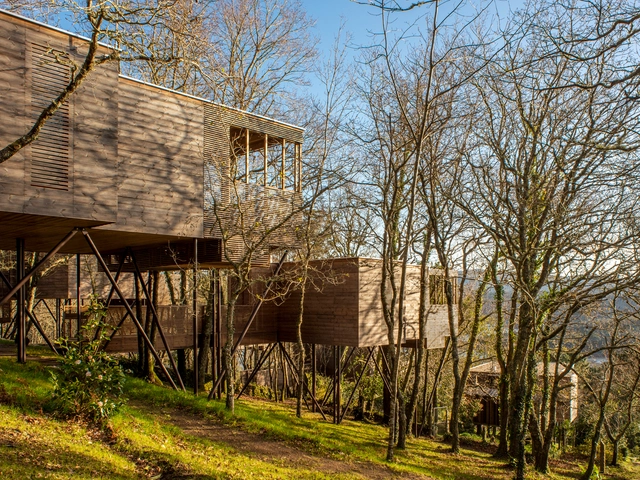
The Albeida Tourism Complex, designed by architects Alfonso Salgado Suárez and Francisco Liñares Túñez, and the new Spatial Planning Guidelines of the Basque Country are the winning projects of the latest edition of the 2020 Architecture and Urbanism Awards, presented by the Superior Council of Colleges of Architects of Spain (CSCAE).
Chilean architect and photographer Pablo Casals-Aguirre has documented the Swiss project Kunstmuseum Basel, designed by architects Christ & Gantenbein in Basel. The project was a finalist for the 2018 Simon Architecture Prize in the Collective Places category.
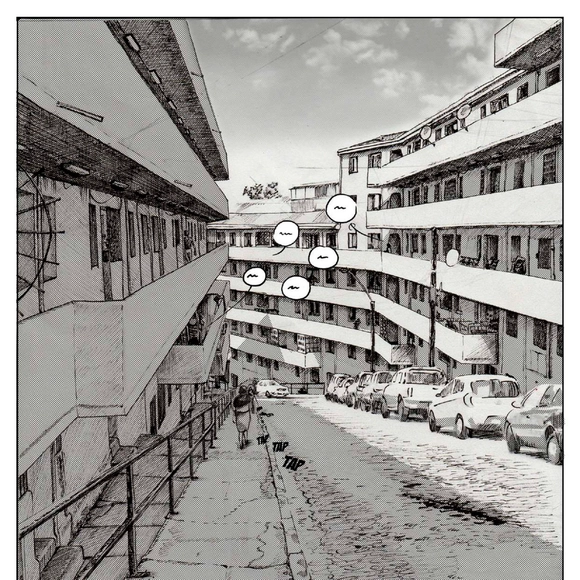
Exploring the relationship between comics and architectural representation, the thesis of Isis Zúñiga Campos invites us on a journey through the “Quebrada Márquez” housing complex, demonstrating how these narratives, built from drawings and images, can convey and represent both ways of inhabiting and the architectural experiences that surround us. Through the use of various graphic tools, drawing characters becomes a fundamental part of understanding how spaces are lived. Indeed, as the author describes, architecture without people is not architecture. While comics still have a long way to go in representing modes of living, in the meantime they reveal the pathways, spaces, and daily uses people create, offering a perspective closer to reality.
Below, the author explains this in detail in her own words.
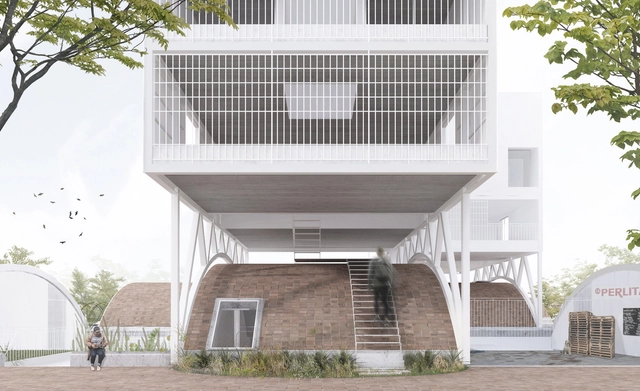
Organized by the Central Society of Architects (SCA) together with Clarín Arq and sponsored by the Argentine Federation of Architecture Entities (FADEA), the Clarín-SCA National Prize for architecture students aims to foster the development of future architects. The competition received individual and group projects completed during the final two years of study in 2020 and 2021.
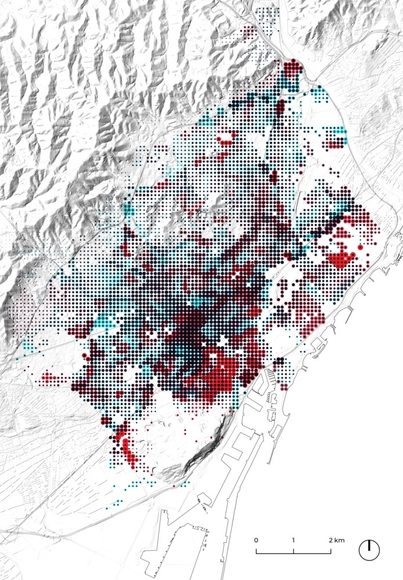
This article compiles key insights from the research on air pollution conducted for Catalonia's participation in the 2021 Venice Biennale. The study was carried out in 2019 by 300.000Km/s under the direction of curator Olga Subirós.
"Domingos Libro" is hosted by Carmelo of Enorme Studio. Every two weeks, he takes a deep dive into forgotten architectural publications, exploring books and magazines from the 1960s, '70s, and '80s that hide the most fascinating backstories.
In this new episode, titled "La Casa de Muñecas" (The Dollhouse), he discusses the 1983 issue of the British magazine Architectural Design titled "Dolls' Houses," and how its editor, Andreas Papadakis, turned the search for a dollhouse for his daughter Alexandra into one of the most unusual and entertaining architectural competitions in history.
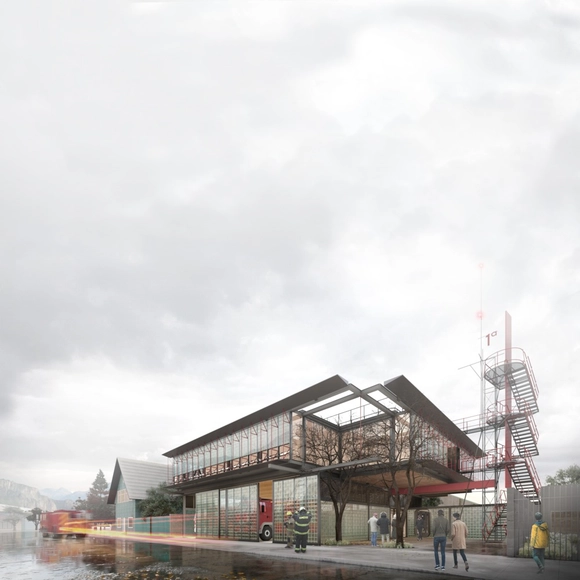
The team led by Cristóbal Tirado and Sebastián Hernández won first place in the public competition for the design of the First Fire Company Station of Coyhaique, located in the Aysén Region, Chile. Launched by the Aysén Directorate of Architecture of the Ministry of Public Works (MOP) in conjunction with the Regional Government, the competition aimed to completely replace the town's First Fire Company Station. The design was required to incorporate high energy efficiency standards while enhancing the urban image of the city of Coyhaique.
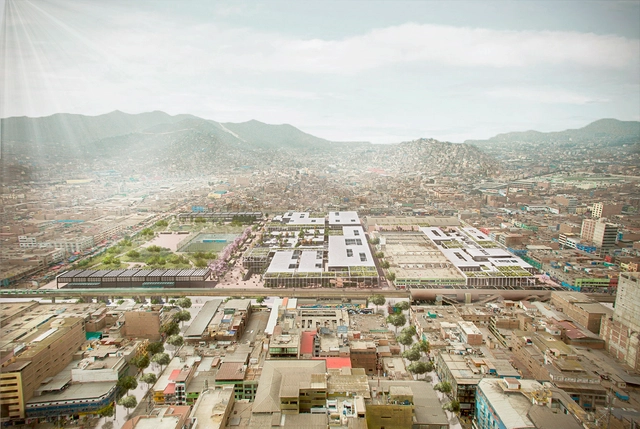
Shaped by the pandemic, how can we address a challenge as complex as the proper functioning of supply markets and street vending? We all know that, in one way or another, we need to reinvent them.

More than 20 spaces and buildings of high architectural, cultural, and heritage value will open their doors, allowing the public to rediscover the architecture and urbanism of Buenos Aires. In its ninth edition, this in-person festival will take place on December 4 and 5, offering unique tours with innovative and accessible activities for all.




.jpg?1615489068 "Participatory architecture that transcends language barriers: Birthing Centers in Los Altos de Chiapas, Mexico. Image © Comunal Taller de Arquitectura")
