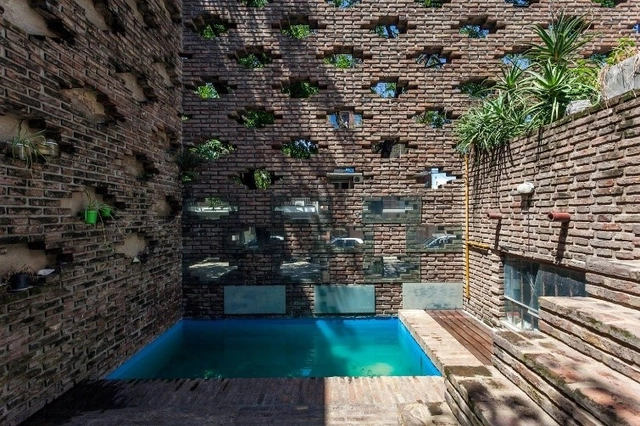
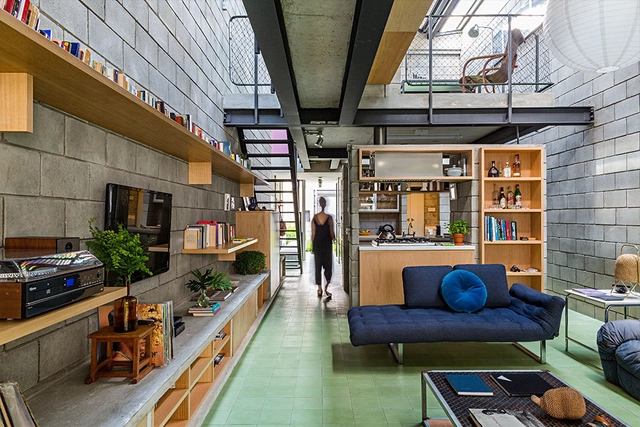
After graduating in 1960, Ruy Ohtake has practiced architecture for over five decades, having worked alongside other major names in Brazilian architecture, such as Vilanova Artigas and Paulo Mendes da Rocha. Until the mid-1980s, his work was characterized by projects closely aligned with what was being produced in São Paulo at the time—a highly Brutalist architecture, defined by a limited material palette and a well-defined vocabulary.
The New Urban Agenda, a document adopted in October 2016 at the United Nations Conference on Housing and Sustainable Urban Development - Habitat III, was recently launched in Portuguese by the United Nations Human Settlements Programme (UN-Habitat) office in Brazil.
Since 2017, the extraction and sale of asbestos has been banned in Brazil by the Supreme Federal Court (STF). However, this ruling did not prevent the state of Goiás from authorizing the extraction of chrysotile asbestos last Tuesday (16). The law stipulates that the extracted material must be used exclusively for export.
Throughout the entire construction process—from the conception of the architectural design to its physical realization—the job site is perhaps where most issues arise. Varying widely in nature, construction setbacks become less frequent the more time is dedicated to the design and planning stages; in other words, the more time invested off-site, the lower the likelihood of major disruptions during construction.
Bulevar e mercado. Image Cortesia de Estúdio Módulo
The City of São Paulo has begun the first phase of interventions to revitalize Largo do Arouche, a busy area in the city's central district. The project includes paving and leveling the square's promenade and installing new street furniture, including benches, bike racks, drinking fountains, bollards, and guardrails.
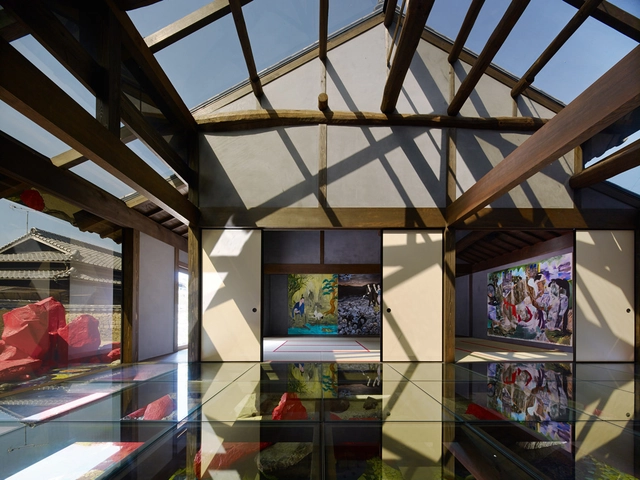
Over the course of a building's history, it may take on functions other than those for which it was originally designed. This is the case, for example, with houses that have become museums—either because they became architectural icons or because they eventually lost their original purpose and underwent renovation to host an exhibition space.
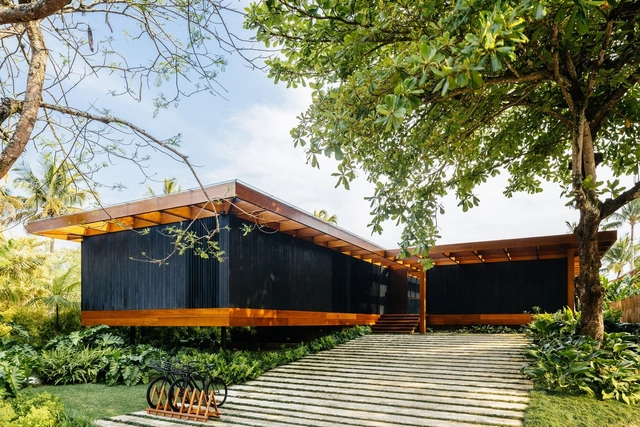
Image credits: Architecture Paste Book (top left), Leonardo Finotti (bottom left), and Manuel Sá (right)
Salvador is a city defined by a geological fault that divides it into two parts: the upper city (Cidade Alta) and the lower city (Cidade Baixa). Since the beginning of its colonization, this elevation change of approximately 80 meters has shaped distinct land-use patterns across the territory, which have evolved alongside the city's growth and expansion. The local landscape, however, is not only defined by this geological fault but also serves as an expression of different layers of history. Brazil's first capital, which celebrated its 470th anniversary this year, has historically embraced diverse architectural styles and movements, including Neocolonial, Baroque, Neoclassical, Eclectic, Modern, and Contemporary.
From revitalizing degraded green spaces to hosting collaborative games, events, and workshops, there are numerous volunteer initiatives capable of transforming a city's landscape and the lives of its residents.
In addition to serving as vital forms of social participation, community collectives and volunteer-driven initiatives facilitate dialogue between public authorities and local communities. This collaboration yields numerous benefits, particularly in reshaping how we interact with our cities.
Energy-efficient projects are becoming increasingly relevant in the fight against climate change, especially considering that the building sector accounts for more than 40% of all electricity consumed in Brazil. While designing with bioclimatic strategies can be a challenge, LabEEE/UFSC, in partnership with the federal government, addressed the question of "how to achieve lower energy consumption and greater indoor comfort for users" by creating a free platform that offers various passive strategies tailored to the characteristics of each Brazilian city.
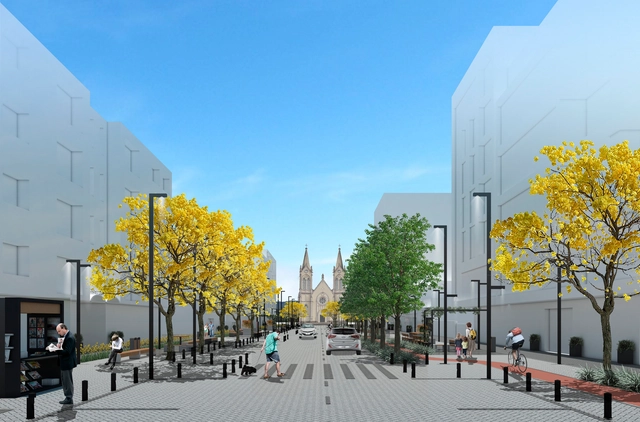
Eixo central. Image Cortesia de bloco B arquitetura
The firm Bloco B arquitetura, led by architects Camilla Ghisleni, Gabriela Favero, and Júlia De Fáveri, in partnership with Laura Rotter's landscape architecture firm Giz de Terra, has won the national competition organized by the municipality of Veranópolis (Rio Grande do Sul) for the urban redevelopment of a stretch of Júlio de Castilhos Street. The objective of the competition was to select "the most appropriate proposal addressing the necessary infrastructure and the improvement of the urban space." Discover the winning proposal below.
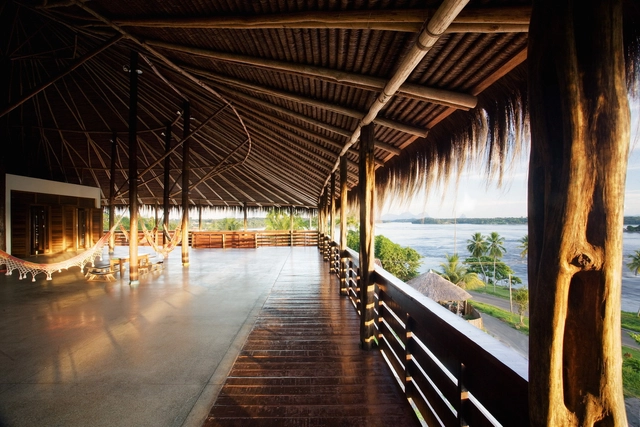
Architects, urbanists, and students in the field have much to learn from the construction models of the first inhabitants of the Brazilian territory, who have long built shelters adapted to their local contexts. Establishing a common set of characteristics for indigenous architectural solutions proves to be a highly superficial approach, as the shapes and dimensions of indigenous ocas or malocas vary depending on the community and the number of people living there. However, by studying the diverse examples of indigenous architecture, it is possible to rethink the notion of “advanced technology” and assimilate sustainable solutions adapted to environmental conditions.
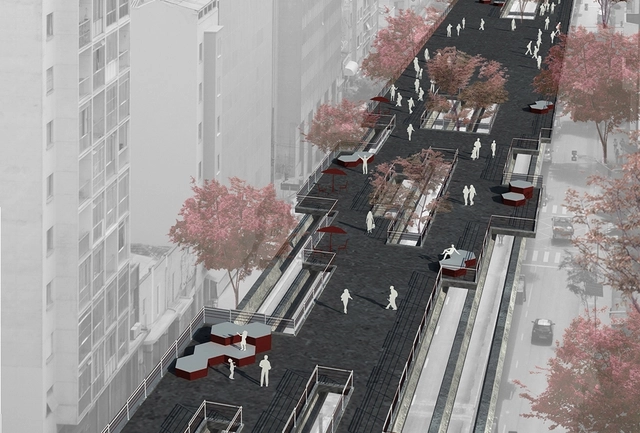
1° Lugar - Vinicius Ferreira de Oliveira, Gabriela Geraldelli Tocalino Silva, Gustavo Catapani Jarra e Mariane Banin de Carvalho. Image Cortesia de Projetar.org
For its 31st competition, organized in partnership with the Associação Parque Minhocão, the Projetar.org portal invited students and young professionals to envision what the Minhocão Park could be. In total, 310 students participated, representing 74 cities, 13 states, and 51 universities.
The International Union of Architects (UIA) has launched a global competition to select the logo for the World Capital of Architecture, whose inaugural host city is Rio de Janeiro. The initiative aims to transform Rio, and future designated capitals, into open and creative platforms to discuss, exchange, and find solutions to urban challenges.
The 12th São Paulo International Architecture Biennale took over two of the most iconic public buildings in the capital of São Paulo. A major exhibition featuring works from various parts of the world remains open until December 8 at the Centro Cultural São Paulo (CCSP), while Sesc 24 de Maio has been occupied by a dozen installations and devices designed specifically for the building and its surroundings.
Here, we present the 10 devices that transformed the space of Sesc 24 de Maio, creating tension and establishing narratives in one of the most intensely used public spaces in downtown São Paulo. The works are divided into the three axes guiding the Biennale: Everyday Tales, Everyday Materials, and Everyday Maintenance.
Who hasn't wished to experience the settings of Tim Burton's Charlie and the Chocolate Factory up close? Adding layers of desire and enchantment, fiction seems to have inspired a series of projects designed specifically for the production, presentation, and sale of chocolate.
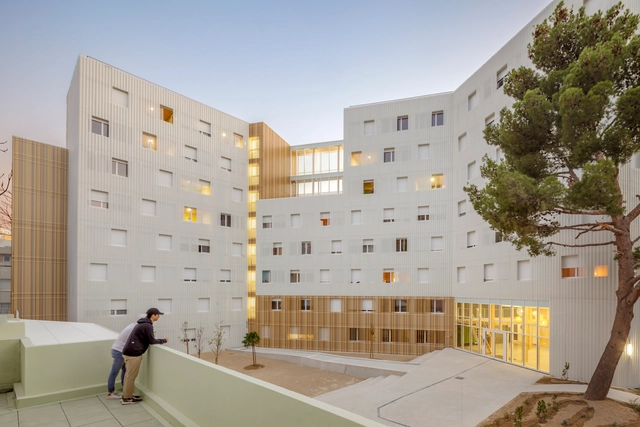
An alternative for students who choose to study away from their hometowns, student housing acts as an extension of educational institutions. Emerging almost concurrently with the first universities, these spaces have evolved over the years to adapt to societal shifts, such as the rise of co-ed dormitories.
From March 12 to 15, 2019, Expo Revestir brought together a vast array of national and international exhibitors along with over 60,000 visiting professionals. As Latin America's largest finishing solutions trade show and a well-established event in the construction and surface materials market, many companies take the opportunity to launch new products and showcase industry innovations.
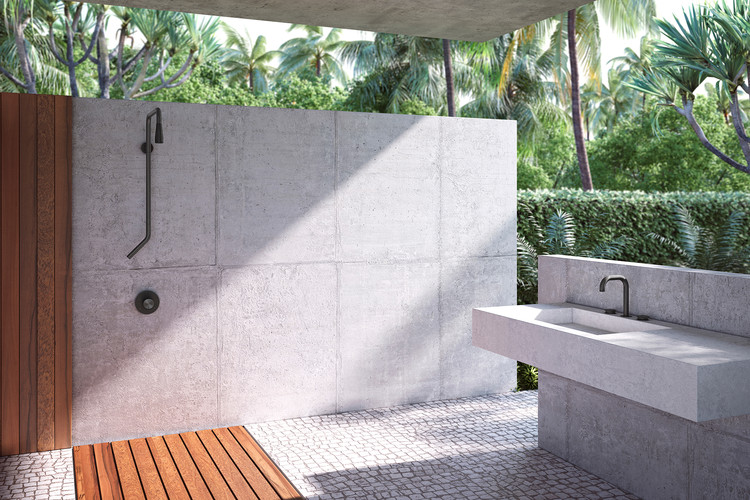
Designing and mastering every part and stage of a project is inherent to the practice of architecture. Here at ArchDaily, we have previously featured architects who have developed designs for furniture and various other objects. Among this year's launches at Expo Revestir, several prominent architects have designed bathroom fixtures. This is the case for Angelo Bucci, Gui Mattos, and Tryptique, among others, in partnership with the manufacturer Docol.
Drone footage shows the debris of the building that collapsed in Fortaleza. Photo: Gustavo Pollizzon/G1
A seven-story residential building collapsed this morning in Fortaleza, Ceará. Located in the upscale neighborhood of Dionísio Torres, the building was over 40 years old and was undergoing renovations. A video recorded yesterday by a resident shows the precarious state of the structure's support columns, with exposed and corroded rebar.
Brodie Vissers / Stocksnap.io. Image Cortesia de Arquicast
This biweekly episode features a lighthearted discussion on a topic of great interest to architects. Inspired by the article published on ArchDaily, "11 Ways to Become a Better Architect (Without Doing Architecture)", we invited journalist Ana Paula Capellano to explore unconventional ways of acquiring general skills that can be applied to the field of architecture and urbanism. We discuss the eleven topics proposed in the text, sharing our personal experiences and, naturally, some lighthearted disagreements.
The XI BIAU - Ibero-American Biennial of Architecture and Urbanism has announced the winners of the Ibero-American Architecture and Urbanism Award. César Ortiz-Echagüe Rubio and Jorge Enrique Scrimaglio were selected from among 38 professionals competing for the award.
One of the constant considerations in residential design is how to divide spaces or define zones based on daily uses and dynamics without compromising the spatial quality of the building. While this exercise is inherent to architectural practice as a whole, when it comes to residential projects—particularly houses—the pursuit of comfort elements like natural light, ventilation, noise control, and privacy gains layers of complexity tied to the wide range of situations a home must accommodate.
Photography Otto Stupakoff via Felipe SS Rodrigues Archive. ImageInstituto Moreira Salles Poços de Caldas - MG, 1990
The research project Aurelio Martinez Flores: The Work of the Mexican Architect in Brazil (1960-2015) investigates the life and architectural career of Mexican architect Aurelio Martinez Flores (1929–2015) from 1960 to 2015, aligning with Latin American architectural history and the growing interest in recovering architects whose careers ran parallel to the mainstream movements in Brazil over the last several decades. Although little known, his work exerts a significant influence on one of the most successful currents of contemporary Brazilian architecture.
https://www.archdaily.com/1121711/do-you-know-the-architect-aurelio-martinez-floresFelipe SS Rodrigues
Estação Júlio Prestes, 1938. São Paulo, Brasil. Image Cortesia de SouthAmerica.travel
Trains are not the primary mode of transportation in South American countries, whether for cargo or passengers. The rail networks across the continent are poorly connected and, even domestically, are largely outdated or in disrepair. Nevertheless, from an era when transportation relied primarily on rail, beautiful railway stations remain, still serving cargo and passenger trains today.

.jpg?1563898173&format=webp&width=640&height=580)


.jpg?1569935943&format=webp&width=640&height=580)


.jpg?1571925498 "Roof of the Socio-Environmental Institute - ISA / Brasil Arquitetura. © Daniel Ducci")


.jpg?1569867443&format=webp&width=640&height=580)