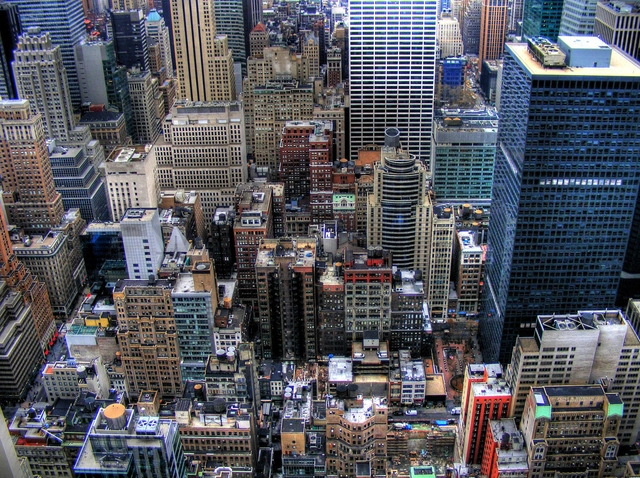
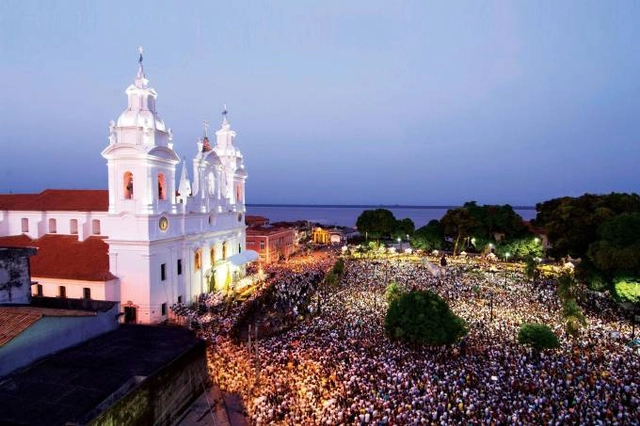
The urbanization of Brazilian cities has been concentrated mainly in recent decades, but the process actually began at the end of the 19th century. Photo: Daniel Hunter/WRI Brasil
What images come to mind when we think of major Brazilian cities? Perhaps traffic jams, pollution, insecurity, and noise. Perhaps crowds of people coming and going. Pedestres. Bicycles. Buses. After all, eight out of ten Brazilians live in urban areas—regions that have undergone rapid urbanization. Over the last six decades, the country's population grew from 70.2 million to 209.3 million, and the proportion of urban dwellers surged from 44% to the current 85%.
https://www.archdaily.com/1122223/the-history-of-brazilian-urbanizationPriscila Pacheco e Laura Azeredo
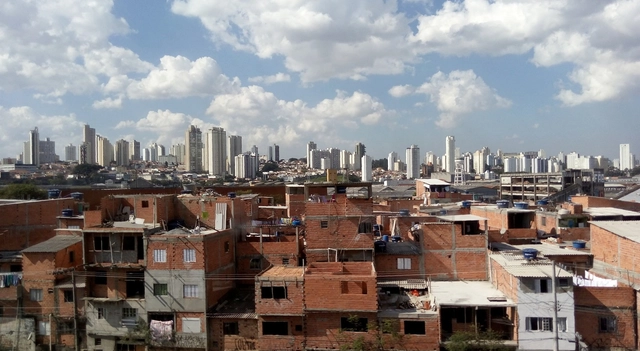
A person living in Moema, a neighborhood with one of the highest income concentrations in São Paulo, lives 20 years longer than someone born in Cidade Tiradentes, in the far east of the capital. Brazil's wealthiest city exposes just how unequal the country is, and how much access to public policies varies depending on where one lives.
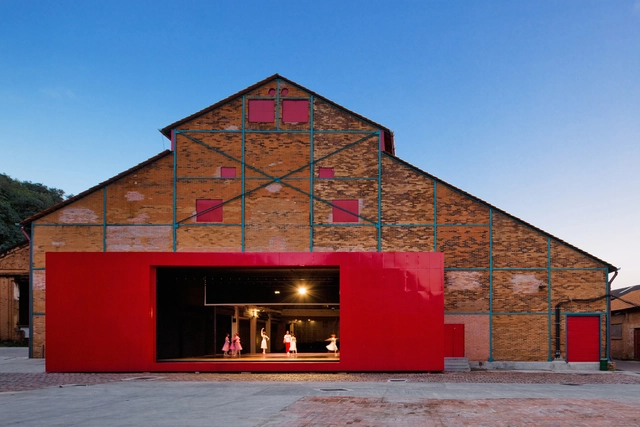
Factories, slaughterhouses, gasometers, convents, water towers, and railway stations are just a few examples of structures that often remain within the urban fabric of cities over time, even after losing their original purpose. Repurposing an existing building for new functions is what has become known as adaptive reuse. While not a contemporary concept, the practice has been widely adopted in recent years as a strategy to manage spaces in a more economical, sustainable, practical, and efficient way.
“Writing is like a city, for which words are a thousand gates.” - Walter Benjamin
No roads or maps lead to them. Yet, many of the cities imagined in literature feel more tangible than real ones, capturing the human imagination with their fantastical sparks. The rich geographical, cultural, and social detail of cities like the famous Macondo, from One Hundred Years of Solitude, frequently places a magnifying glass over the relationship between territory and its inhabitants.
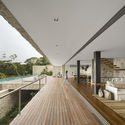
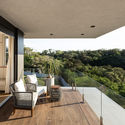
The veranda is one of the architectural elements that most powerfully fosters the connection between interior and exterior spaces. Its precise origins are difficult to pinpoint, as it can be found in vernacular architecture across the East, the Arab world, Europe, and, with particular prominence, Brazil.
The Projetar.org portal has released the results of its 30th competition, which challenged participants to design a Bauhaus campus in Brazil. The project would be located next to the Museum of Modern Art in Rio de Janeiro, where Max Bill envisioned one of Brazil's first design schools, based on the principles of the Bauhaus and its German successor, the Ulm School.
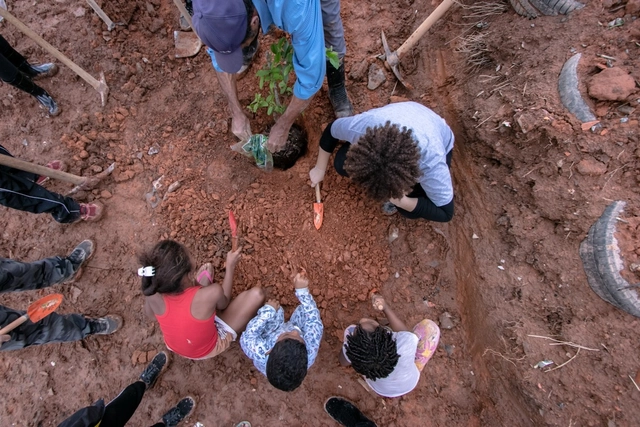
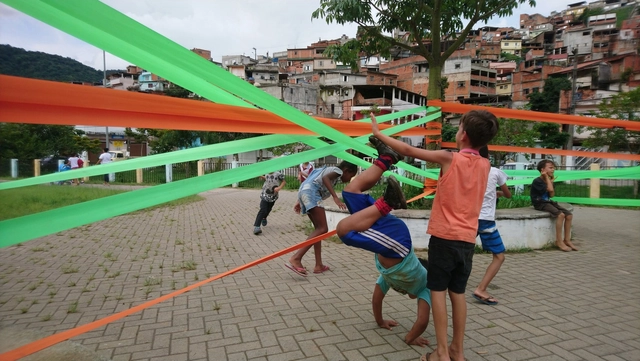
Workshop in Osasco in the Esperança community, planting seedlings for the future plaza. Image: Alberto Ricci, May 2019.
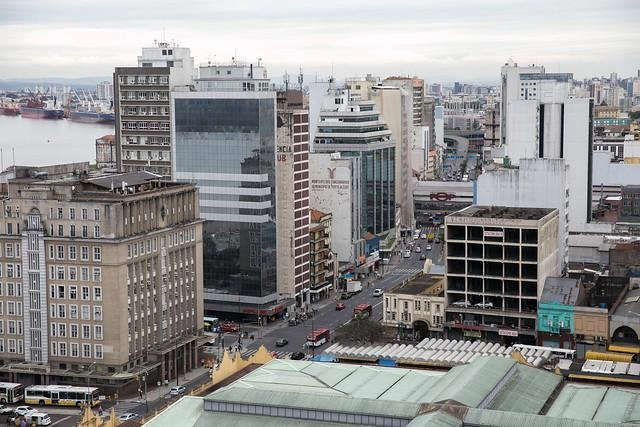
According to data released by the United Nations (UN, 2017), the global population has reached 7.6 billion, with more than half (54%) living in urban areas. In Brazil, according to data from the Brazilian Institute of Geography and Statistics (IBGE, 2010), 84.4% of the population lives in cities.
https://www.archdaily.com/1122284/designing-for-whom-a-necessary-reflectionDébora Sanches e Viviane Manzione Rubio
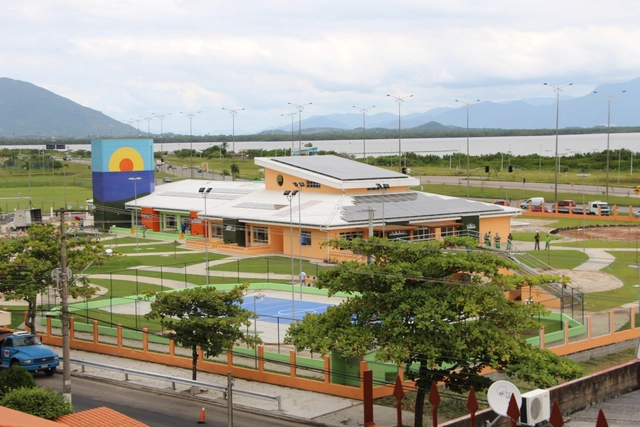
Building certified sustainable public buildings is now a viable reality. At least, that is what the Hassis Daycare project in Florianópolis, designed by architect Rachel Braga, demonstrates. The 1,182-square-meter building is the first of its kind in the world and the first public building in Brazil to receive the highest Leadership in Energy and Environmental Design (LEED) rating: Platinum.
Pacaembu Stadium. Photo: Wally Gobetz, via Flickr. CC BY-NC-ND 2.0 License
On Monday, September 16, the São Paulo City Hall signed the concession of the Pacaembu Stadium to the Patrimônio SP consortium, comprising the engineering firm Progen and the investment fund Savona. The stadium will undergo renovations and is expected to remain closed to the public for the next two years.
The work of the Catalan firm Barozzi Veiga is explored through the tension between tradition and invention in architecture in this article by João Paulo Rapagão, published in partnership with AMAG.
https://www.archdaily.com/1122258/evoking-quatremere-de-quincy-between-tradition-and-the-invention-of-architectureJoão Paulo Rapagão
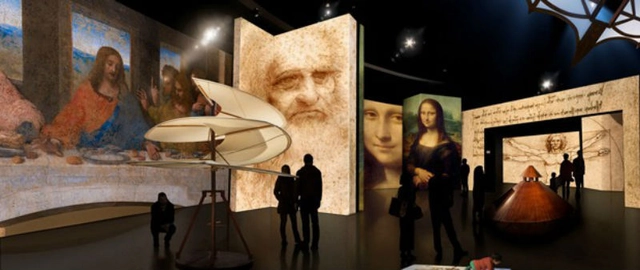
"Leonardo da Vinci - 500 Years" exhibition. Image courtesy of Canada Science and Technology Museum
The new space of São Paulo's Museum of Image and Sound (MIS) will open its doors with an exhibition on Leonardo da Vinci. Scheduled for October of this year, the opening of the museum's new branch, located in the Água Branca neighborhood in São Paulo's west zone, will host the exhibition Leonardo da Vinci – 500 Years.
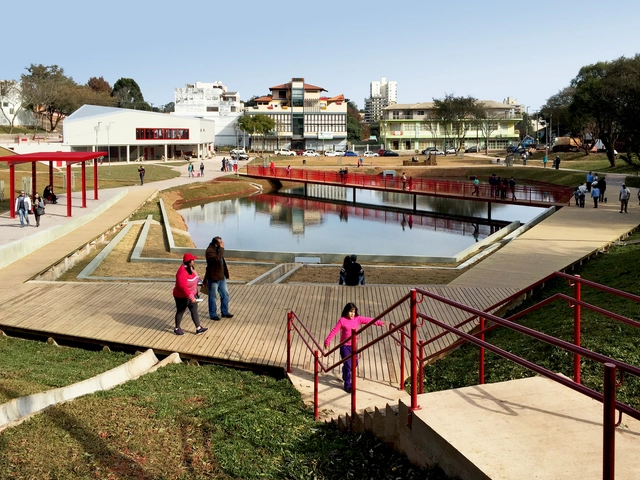
In the 21st century, smart city management will be one of the most influential factors in economic development. Addressing challenges in housing, sanitation, democracy, education, safety, economic development, and quality of life will be at the forefront of the agenda for city leaders.
https://www.archdaily.com/1122274/urban-planning-and-public-spaces-parks-as-tools-for-social-transformationAna Paula Wickert
The City of Camaçari and the Institute of Architects of Brazil – Bahia Department have announced the winners of the national design competition for the public park on Morro da Manteiga. The goal was to select a viable project that provides Morro da Manteiga with a socially inclusive and environmentally healthy use.
An overview of the work of Ruy Ohtake, spanning from his early career as a recent graduate to his current projects, will be featured in two exhibitions in São Paulo. While the Museu da Casa Brasileira exhibits about 40 projects, either built or under construction, curated by Agnaldo Farias, the Instituto Tomie Ohtake showcases his work as a designer, featuring approximately 25 pieces selected by curators Fábio Magalhães, Marili Brandão, and Priscyla Gomes.
Em primeiro plano, a favela da Rocinha. Image Cortesia de CAU/BR
The mayor of Rio de Janeiro, Marcelo Crivella, has signed into law Bill No. 642-A of 2017, authored by former councilwoman Marielle Franco, which establishes free, public technical assistance for the design and construction of social interest housing for families with a monthly income of up to three minimum wages in the state capital.
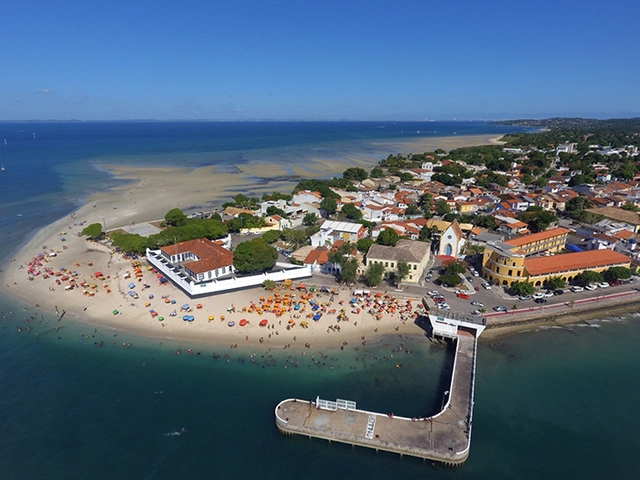
Municípios são territórios guardiões de cultura e identidade. Na foto, Itaparica (SP) / Foto: Wikipedia. Image Cortesia de Portal Aprendiz
Announced in November by Minister of Economy Paulo Guedes, the Mais Brasil Plan includes three Constitutional Amendment Proposals (PEC) aimed at balancing fiscal accounts at the federal, state, and municipal levels. Among them is the dissolution of municipalities that are not financially self-sustaining.
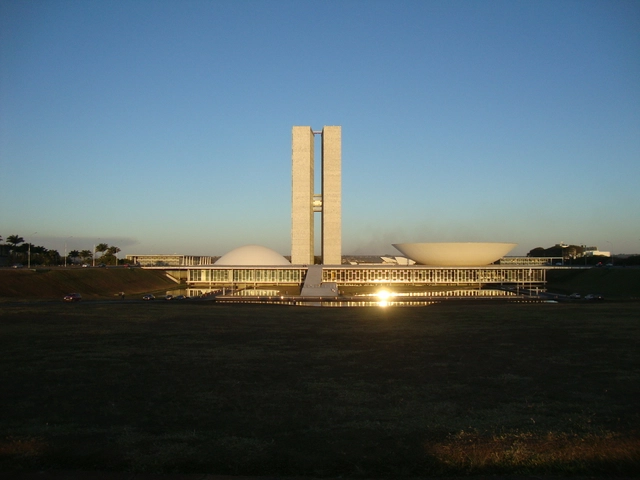
Brasília has always been a subject of interest for architects worldwide. Proof of this is the vast volume of literature published on Brazil's new capital over the nearly six decades since its inauguration.
Regarding Brasília, several questions emerge[1]: Who spoke about the city? Who criticized its construction? How did Brazilians interpret the idea of a new capital? Surveying those who participated in these debates helps clarify the “state of the art” of architectural interpretation in Brazil. Looking ahead, this historiographical perspective aims to raise new questions and foster a critical stance toward the most common readings of Brazilian modern architecture.
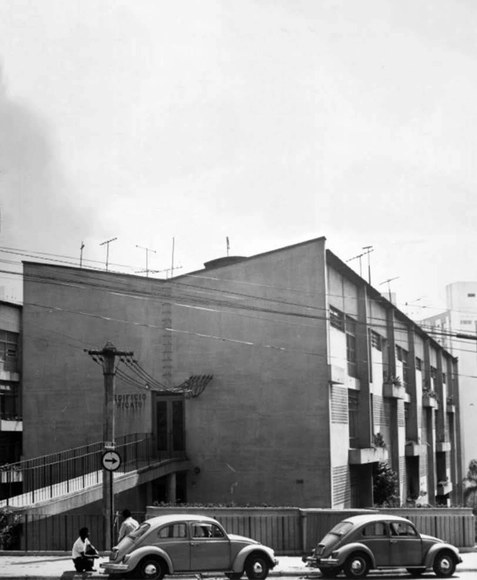
REGINO, A.; PERRONE, R. Eduardo Augusto Kneese de Mello: sua contribuição para habitação coletiva em São Paulo. Risco: Revista de Pesquisa em Arquitetura e Urbanismo (Online), n. 9, p. 56-97, 1 jan. 2009 - Editada.. Image Cortesia de PC3 - Pensamento Crítico e Cidade Contemporânea
Conceived as a large-scale residential development in an expansion zone of São Paulo, the Jardim Ana Rosa Residential Complex began its subdivision design in 1950, in the Vila Mariana neighborhood, facing Largo Ana Rosa. The development, carried out by the Banco Hipotecário Lar Brasileiro, featured the participation of several prominent São Paulo architects of the time, such as Abelardo de Souza, Plínio Croce, Roberto Aflalo, and Salvador Cândia. In its initial version, the project planned for a few buildings bordering Vergueiro Avenue, with most of the area designated for single-family homes.
https://www.archdaily.com/1122290/rationality-of-modulation-and-repetition-in-housing-design-guarapira-and-hicatu-buildingsPC3 - Pensamento Crítico e Cidade Contemporânea
New York. Photo: CJ Isherwood, via Flickr, license CC BY-SA 2.0
The Swiss Federal Institute of Technology in Zurich (ETH Zurich) is offering free online courses on smart cities and future cities. Available through the edX platform, which is shared by institutions worldwide, the courses last ten weeks and are conducted via video.
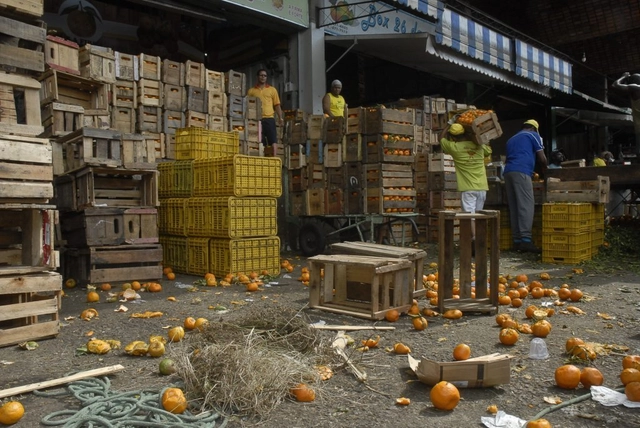
Food waste is a concern for the FAO. Image: EBC, via UN/FAO
The United Nations, through its Food and Agriculture Organization (FAO), launched a publication this month focusing on strategies to integrate nutrition policies into urban planning. The document highlights best practices in reducing food waste, promoting healthy diets, and strengthening local production chains.
Immaterial Heritage is a concept adopted in many countries and international forums as complementary to the concept of tangible heritage in the formulation and implementation of policies to protect and safeguard cultural heritage, from an anthropological and relativistic perspective of culture. Intangible heritage is also used as a synonymous term to designate the symbolic references of the sociocultural processes of invention, transmission, and continuous practice of traditions that are fundamental to the identities of groups, social segments, communities, peoples, and nations.
The city in the construction of the environment: "A place for strangers" or a place that only ceases to be neutral and abstract when painted by each of us? Image by Paulo Pacheco
There is perhaps no concept so generic and comprehensive, yet at once so impersonal and difficult to reach consensus on, as that of the environment (focusing on the United Nations Conference's own definition of environment—the environment as the set of physical, chemical, biological, and social components capable of causing direct or indirect effects, in the short or long term, on living beings and human activities—we immediately find that establishing a stable, common, and assertive conceptual foundation is highly difficult to achieve, let alone universally recognize...)
The Council of Architecture and Urbanism of Brazil, through its Commission for Gender Equity (CTEG), has launched a public survey to collectively build a women's agenda aimed at overcoming challenges in the practice of architecture and urbanism.
Cortesia de Marcella Arruda / A Cidade Precisa de Você
Over the next 20 years, 45% of urban land should consist of public spaces (streets, parks, and plazas), according to UN-Habitat. What will be the quality of these spaces? Which stakeholders will assume responsibility for their management? The movement to reclaim public spaces by city dwellers is gaining momentum both in Brazil and globally. The right to the city is at the forefront of urban discourse, and at its core, many citizens are committing to actively participate in decisions regarding their cities, or even in everyday initiatives to improve public spaces.

.jpg?1546956437&format=webp&width=640&height=580)
.jpg?1546956437)
.jpg?1558532170)