
The veranda is one of the architectural elements that most powerfully fosters the connection between interior and exterior spaces. Its precise origins are difficult to pinpoint, as it can be found in vernacular architecture across the East, the Arab world, Europe, and, with particular prominence, Brazil.
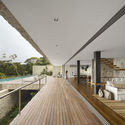
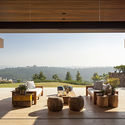

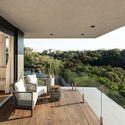

Here, the harshness of the hot and humid climate turned it—as early as the 16th century in bandeirista houses — into an important transitional element between the inside and outside of residential buildings, but also into a living space, sheltered from the sun and, at the same time, open to the breeze. It was later incorporated into quilombola dwellings and, starting in the second half of the 19th century, into half-timbered buildings in German-colonized regions, adapting the Fachwerk construction system to the Brazilian climate.
In Brazilian modernism, the veranda was integrated into architecture in an almost symbiotic relationship, protecting large glass panes from the sun and ensuring both thermal comfort inside the buildings and a space for dialogue between nature and human design.


