Second Place Winner - International Graduation Projects Award 2020
Tamayouz is delighted to invite students of Architecture, Urban Design, Urban Planning, Architecture Technology and Landscape Design worldwide to register and submit their Graduation Projects. An independent international jury will review all entries and will select the winners of Tamayouz International Award. The purpose of this architectural design award is to recognise the excellence in architectural design and education worldwide and showcase excellent architectural examples to promote and provoke architectural debate to share architectural experience and knowledge among young architects and academics.
After hundreds of submissions from 38 countries were evaluated and voted on by 189 CDA members around the world. The winners will be announced during CDA's live presentation award presentation on January 31, 2021.
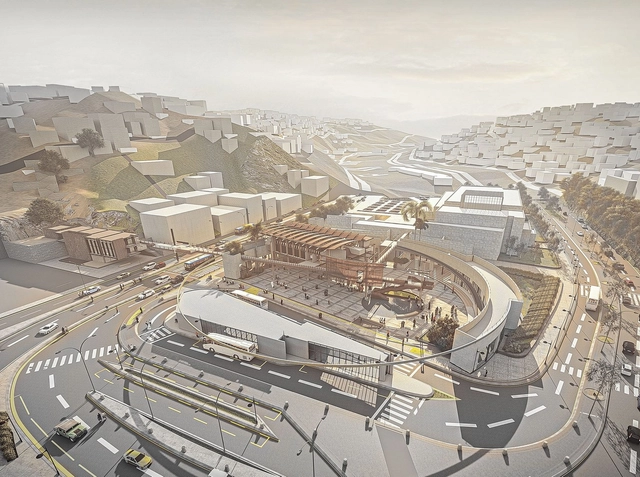
Inspireli Awards - STUDENT ARCHITECTURAL COMPETITION FOR A CONCEPTUAL DESIGN OF THE STU CAMPUS SOLUTION
The goal of the competition is to obtain ideas for a representative center of the Slovak University of Technology (STU) in Bratislava. It should include the STU innovative science center, educational, social, multi-purpose, and leisure spaces such as interiors, exteriors, and part of the rector's workplaces.
The 6th Conference on “Urban Planning and Architectural Design for Sustainable Development” (UPADSD), follows the success of the previous meeting in 2015, 2017, 2018 ,2019 and 2020 The Concept of sustainable development has emerged over the past few decades as a new necessity for urban cities.
Gesamtkunstwerke – Architecture by Arne Jacobsen and Otto Weitling in Germany, poster of the exhibition in Berlin, Germany
The architecture of Arne Jacobsen and Otto Weitling is of outstanding importance for postwar modernism in Germany. At the same time, the quality of their projects has fallen into oblivion. The curators Hendrik Bohle and Jan Dimog would like to close this gap in the public perception with the touring exhibition and the accompanying publication.
Urban Festival is hosted by South African Cities Network (SACN), Civic Tech Innovation Network (CTIN), The Department of Cooperative Governance and Traditional Affairs (COGTA), Open Cities Lab (OCL), Journalism and Media Lab (JAMLAB), Our Future Cities (OFC), ICLEI - Local Governments for Sustainability, and others.
Eight weekly sessions, presented by international academics reflecting on some of the protagonists of the European and Latin American Modern Movement who trained or carried out part of their professional careers between the two continents.
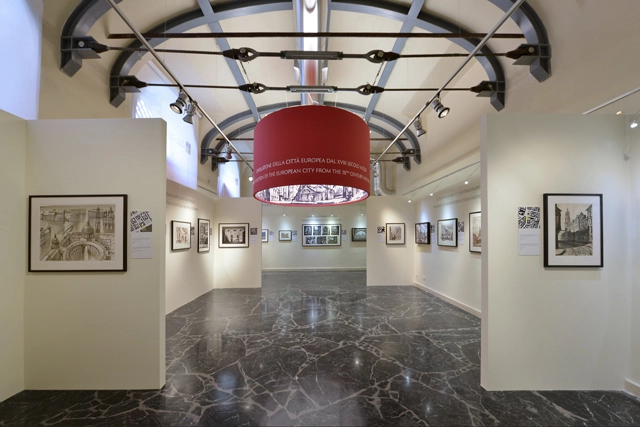
Imprint of the Future. Destiny of Piranesi's City. Exhibition and research by Sergei Tchoban. Photo by Stefano Cirianni
The Istituto Centrale per la Grafica in Rome and the Museum for Architectural Drawing in Berlin present an exhibition by the architect and draughtsman Sergei Tchoban. A native of St Petersburg who has organically absorbed the harmony of this city’s proportionality and similitude, Sergei Tchoban has always striven to understand the laws which govern the development of cities like St Petersburg and the great prototypes in whose image it was created. Is it possible to preserve these cities’ outstanding quality? And is it possible to pursue this quality today, at the current stage of development of architecture? These are the central questions posed in the present exhibition, which marks the 300th anniversary of the birth of Giovanni Battista Piranesi (1720 – 1778). One of the greatest artists of his time, Piranesi succeeded in capturing the development of the European city as a phenomenon which, despite many layers and internal contradictions, is nevertheless harmonious.
This Friday, we are pleased to host French architect Dominique Coulon as our special guest. Through his work, he will explore the importance of playfulness and color in a child's development during their school years.
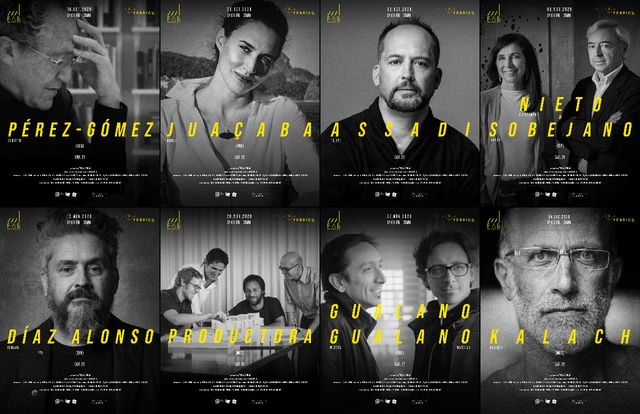
Following the conclusion of the first and second cycles of Viernes de Fábrica, which brought together over 1,000 students, architects, and professors from 20 countries over the course of 20 weeks, the belief that academia must now, more than ever, be linked to social issues to create School+Community projects is reaffirmed. Fábrica de Ciudad extends an invitation to continue exploring new ways to strengthen this exchange. We are pleased to announce the third cycle of Viernes de Fábrica, the final installment of the year, which will take place from October 16 to December 4.
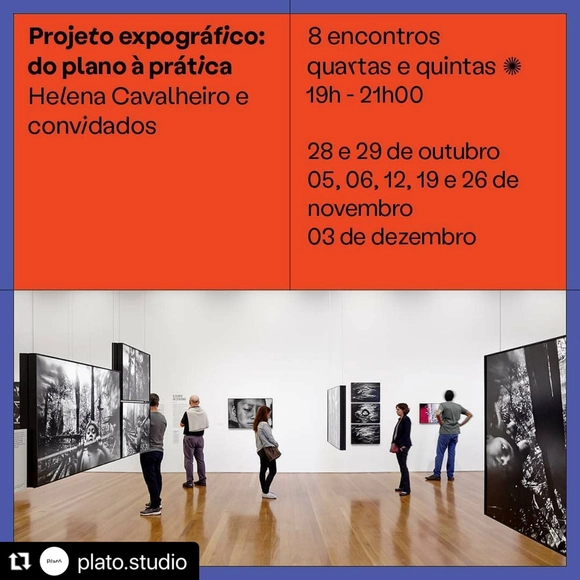
View of the exhibition Claudia Andujar: The Yanomami Struggle (2019), designed by Helena Cavalheiro for the Instituto Moreira Salles in São Paulo. Photo: Ilana Bessler @ilanabessler
What are the conceptual and technical issues that shape an exhibition design project? Who are the agents involved in the process? What are the most commonly used tools and work stages? Although rooted in the realm of architecture, the task of translating an artistic narrative into space has its own particularities.
Aimed at students and professionals interested in working on the development of exhibition architecture projects, the course offers an overview of the practice and its specificities, presented through lectures and design exercises based on real-world situations.
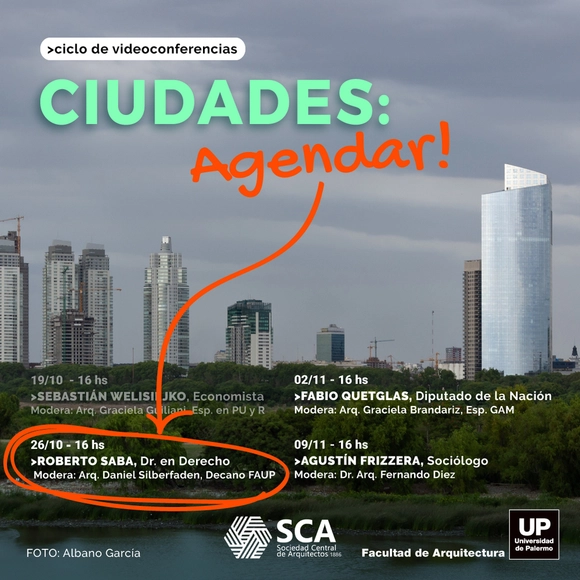
Local policymakers in urban planning must have a better understanding of potential impacts and a more profound reflection to find a solid foundation for acting effectively within their own territory. Co-organized by @sca_socearq and the Faculty of Architecture at @universidaddepalermo, the series features guests from diverse fields of urban culture who are active participants in the ongoing reconstruction of the city.
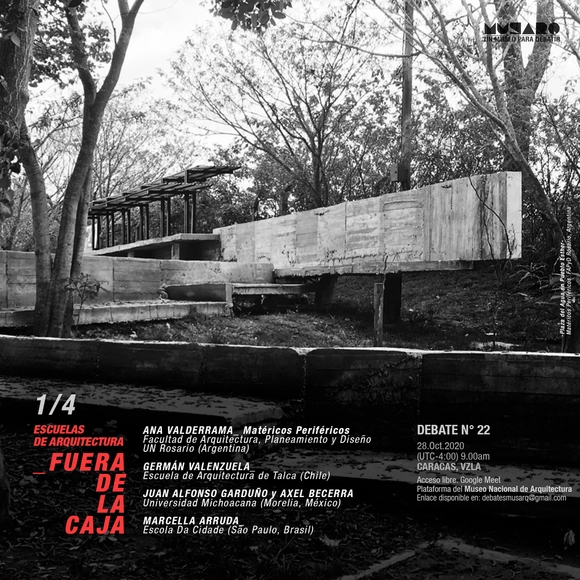
Architecture Schools Outside the Box, debate series
Speakers from Latin America and the world reflect, alongside Venezuelan architects both abroad and within Venezuela, on the exercises conducted within their educational spaces, workshops, and teaching experiences in communities and architecture schools. These "out-of-the-box" approaches depart from conventional teaching, as they embody a defiant attitude toward exploring themes, contexts, and disciplinary problems not typically found in standard curricula.
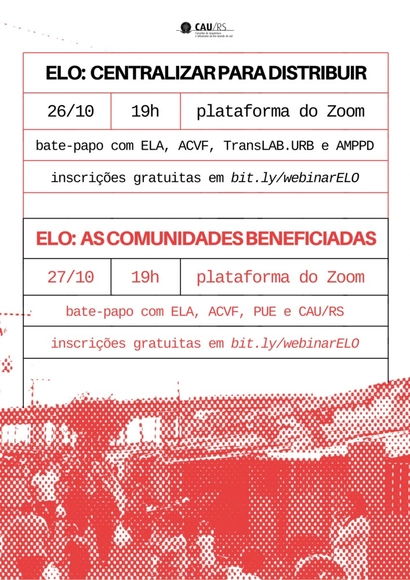
The first phase of the ELO de ação project raised R$31,864.00 through donations from 263 individuals. These funds provided 360 food baskets, 670 masks, and materials to manufacture an additional 800 reusable masks, as well as clothing, books, and supplies, which also benefited local economies. All of this was made possible through the active participation of each partner in decentralized efforts within the communities.
Join ArchDaily's Christele Harrouk, Kim Herforth Nielsen, Founder and Creative Director 3XN, and Kasper Guldager Jensen, Founder GXN for an exclusive conversation about the studio's new monograph “Beyond Buildings".