As competition in the UK becomes tighter, architects are keen to find work overseas, often in such places where the prevailing human rights record has been a growing cause of concern and debate for some time.
Is the question of ethics in architecture a matter where business must be led by pragmatics of the head, rather than emotions of the heart? Or is compromise a defeat?
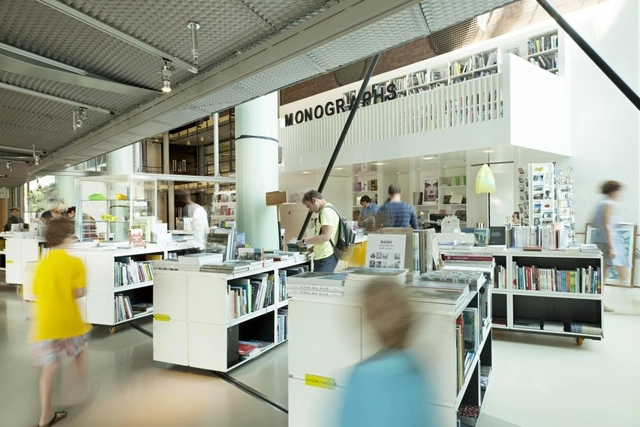
The bookshop of the Netherlands Architecture Institute, with a space dedicated to the architectural monograph. Image via Nieuwe Instituut
It's common to find an architectural monograph (or three) on an architect's bookshelf. Within the pages of these large, heavy, often expensive tomes lie a formalised portfolio of a studio's professional output, interspersed by essays penned by influential writers, thinkers or practitioners. They are sources of both information and inspiration, bringing architecture from around the world into your personal field of vision.
Recent years have seen a vast number of these types of books published on architects and their practices, begging the question: Why a Monograph? Are they simply part and parcel of a studio's creative process, or necessary tools for communication with the wider world? Perhaps more interestingly, what role does the recording of work in this way have for architects in enabling them to take stock and move forward? It will seek to examine how the print monograph has become a staple tool for self-promotion, reflection, and criticism in a world which is leaning towards a gradual digitisation of the discourse.
https://www.archdaily.com/632117/why-has-the-monograph-become-a-default-in-architectural-publishingAD Editorial Team
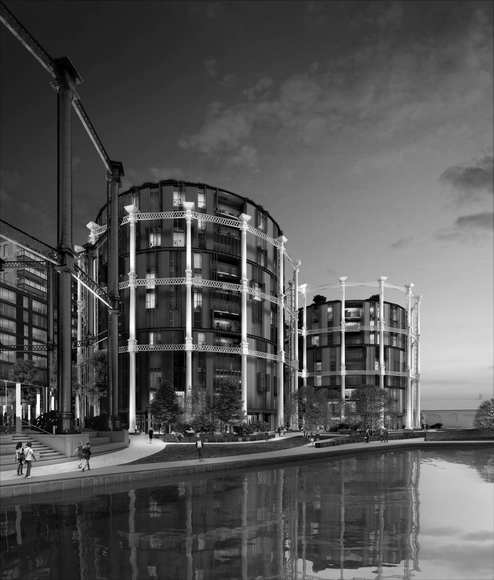
London-based Wilkinson Eyre Architects have revealed plans for a major refurbishment of three 'Siamese' gasholders in King's Cross. The development will see the historic structures restored and repurposed for multi-residential use, and create over 140 apartments. Dismantled in 2001 to allow construction of the Channel Tunnel Rail Link, the Grade II-listed structures are currently undergoing refurbishment by Shepley Engineers in South Yorkshire, after which they will be relocated from their original site as part of a larger masterplan for King's Cross.
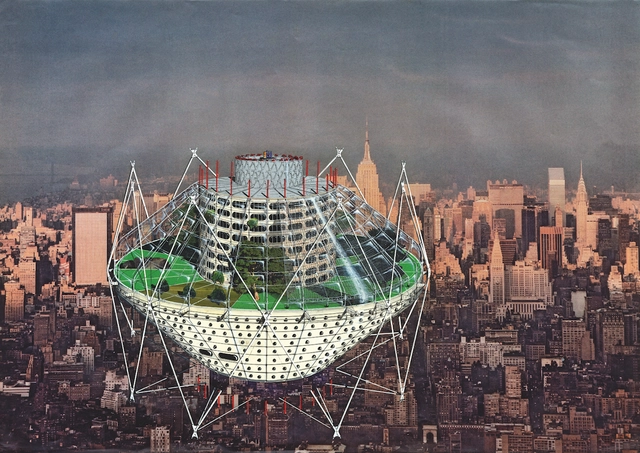
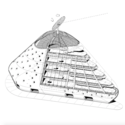
Now on view at London’s Architectural Association, Jan Kaplický Drawings presents work by the Czech architect Jan Kaplický (1937-2009) – a visionary designer with a passion for drawing as a means of discovering, describing and constructing. Through drawing he presented beguiling architectural imagery of the highest order.
The earliest projects date from the early 1970s when, for Kaplický, drawing was essentially a speculative pursuit. Whilst his days were spent working for other architects, during evenings and weekends he designed and drew at home. His architecture at this time was the plan and the finely detailed cross-section. Never satisfied, he constantly developed and honed his graphic language, perfecting the technique of the cutaway isometric which became his trademark.
A preview of Kaplický’s drawings, after the break.
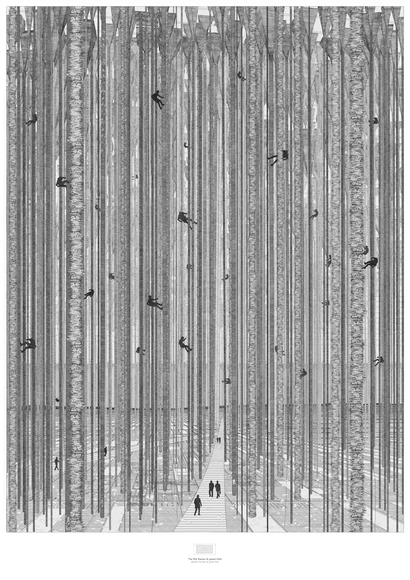
URBAN TALES will showcase three distinct architectural artwork series exploring visions of narrative based city redevelopments. Featuring RIBA Presidents Medal-winning work, these original and engaging threads of imagery from UCL architecture graduates Ned Scott, Nick Elias and Anja Kempa objectify fiction and challenge political reality. The exhibitors question the role of architecture in a changing world and use fictional narratives to design fantastical, but possible, cities. URBAN TALES will kick off with an opening party on Friday, March 6 and remain on view through April 10, 2015 at Carousel London. Read on to learn more.
Rethinking the Urban Landscape, a (free!) exhibition curated by The Building Centre and Landscape Institute, presents a case for a landscape-first approach to city design and regeneration. The show, which is on view at The Building Centre in London until end of February and then tours, focuses on six problematic areas - from environmental issues to financial planning - and shows international projects that, due to the early procurement of landscape architects, deliver unique solutions.