Romullo Baratto

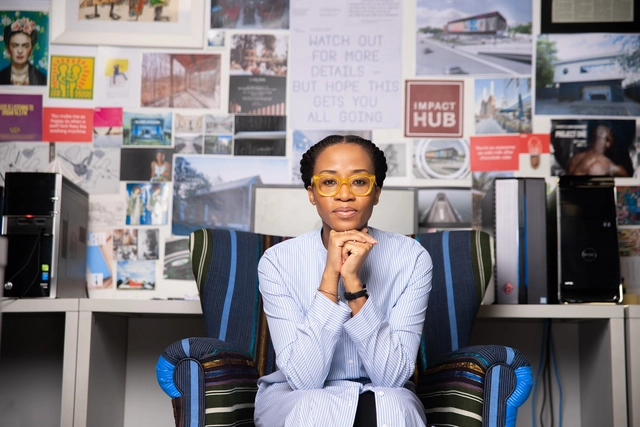
Romullo Baratto is an architect with a PhD from FAUUSP and Managing Editor of ArchDaily. He previously coordinated the editorial team of the 11th São Paulo Architecture Biennial and served as Managing Editor of ArchDaily Brasil, where he led the platform to win the FNA Award—the first time the honor was granted to a media outlet. He collaborated on the editing of the book "Concrete Jungle", published by gestalten, and has curated architecture exhibitions in Brazil, Chile, Denmark, and Italy, as well as delivered lectures and moderated debates in Spain, the United States, and Portugal. His doctoral thesis investigates the urban landscapes of São Paulo through cinema. His work spans academic research and editorial practice, communicating architecture through texts, interviews, lectures, curatorship, and photography. Follow him on Instagram @romullobf.

BROWSE ALL FROM THIS AUTHOR HERE
↓

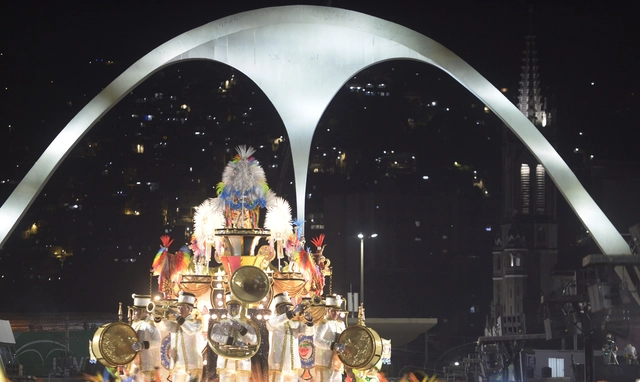
Spaces of Resilience and Culture of Celebration in Rio de Janeiro

Subscriber Access | 

Rio de Janeiro, often called the "Marvelous City," is a vibrant tapestry woven from diverse cultural, historical, and social threads. Its story begins with the indigenous Tupi, Puri, Botocudo, and Maxakalí peoples who originally inhabited the region. The city's name, translating to "River of January," originates from Portuguese explorers who arrived at Guanabara Bay on January 1, 1502, mistakenly believing it to be the mouth of a river.
Meet the 75 Finalists of the ArchDaily 2025 Building of the Year Awards

After two weeks of open voting in the 16th edition of the Building of the Year Awards, our readers have meticulously narrowed down a pool of almost 4,000 projects to a select group of 75 finalists spanning 15 categories. This year's awards honor the pinnacle of design, innovation, and sustainability on a global scale, showcasing an exceptional range of projects within the shortlist. As a crowdsourced award, we take pride in affirming that your selections authentically mirror the current state of architecture, and the caliber of this year's finalists further underscores the excellence and diversity prevalent in the field.

Beyond the Lone Architect: Beatriz Colomina on Gender, Media, and Collaboration

Subscriber Access | 

Architecture has long been framed as the work of singular visionaries, yet Beatriz Colomina, a leading theorist, historian, and curator, challenges this notion, arguing that architecture is inherently a collaborative endeavor. She critically examines how the myth of the lone genius—almost always depicted as male—has erased the contributions of countless women and entire teams involved in the design process. For Colomina, rethinking architecture means recognizing the complexities of collective work and dismantling the historical biases that have shaped the discipline's narratives.

Eileen Gray Through the Lens: Film Sheds Light on the Architect and Her Vision of Modernism

Subscriber Access | 

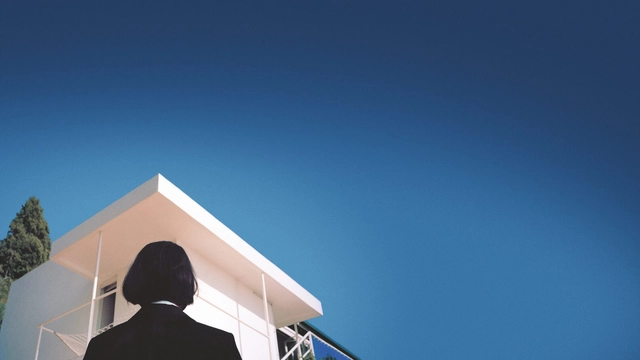
A journey through the legacy of Eileen Gray and her most famous house in the French Riviera, "E.1027 – Eileen Gray and the House by the Sea," by directors Beatrice Minger and Christoph Schaub, invites viewers into the layered legacy of the pioneering Irish architect and her unique vision of modernism. Designed in the late 1920s, the villa not only embodies Gray's architectural genius but also bears the shadow of an uneasy narrative involving Le Corbusier and Jean Badovici. Through their docufiction, Minger and Schaub illuminate Gray's groundbreaking work and critique the prevailing narratives of male dominance in modernist history.

Eileen Gray Through the Lens: Film Sheds Light on the Architect and Her Vision of Modernism - 1 的图像 4Eileen Gray Through the Lens: Film Sheds Light on the Architect and Her Vision of Modernism - 2 的图像 4Eileen Gray Through the Lens: Film Sheds Light on the Architect and Her Vision of Modernism - 3 的图像 4Eileen Gray Through the Lens: Film Sheds Light on the Architect and Her Vision of Modernism - 4 的图像 4Eileen Gray Through the Lens: Film Sheds Light on the Architect and Her Vision of Modernism - More Images+ 2

Exhibition at Casa da Arquitectura celebrates the role of architecture in 50 years of Portuguese democracy

Subscriber Access | 

What has architecture done for democracy in Portugal—and what has the democratic era done for Portuguese architecture? These are the questions guiding the exhibition O que faz falta. 50 anos de arquitetura portuguesa em democracia [What is Needed: 50 Years of Portuguese Architecture in Democracy], organized by Casa da Arquitectura, which celebrates the fifty years since the 1974 Carnation Revolution.

Curated by Jorge Figueira with co-curator Ana Neiva, the exhibition highlights the intimate relationship between architecture and the democratic regime in Portugal, exploring how Portuguese architects contributed to democratic consolidation by transforming the country's public and private spaces over five decades.

Exhibition at Casa da Arquitectura celebrates the role of architecture in 50 years of Portuguese democracy - 1 的图像 4Exhibition at Casa da Arquitectura celebrates the role of architecture in 50 years of Portuguese democracy - 2 的图像 4Exhibition at Casa da Arquitectura celebrates the role of architecture in 50 years of Portuguese democracy - 3 的图像 4Exhibition at Casa da Arquitectura celebrates the role of architecture in 50 years of Portuguese democracy - 4 的图像 4Exhibition at Casa da Arquitectura celebrates the role of architecture in 50 years of Portuguese democracy - More Images+ 4

Research Reveals Disparities in Race and Gender Representation at the Brazilian Pavilion in Venice

Subscriber Access | 

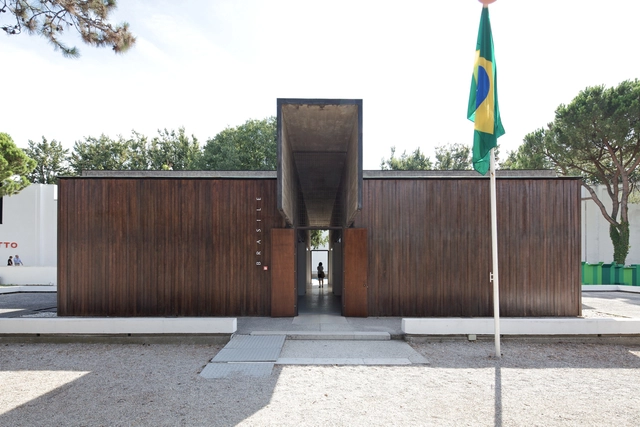
"The history of architecture is incomplete. Not wrong, but incomplete," said Lesley Lokko when announcing The Laboratory of the Future, the theme of the 2023 Venice Architecture Biennale. Echoing the curator's statement, a new study published by Studio Autonoma, led by Paulo Tavares, reveals deep disparities in representation within the Brazilian pavilion at the world's largest architecture event.

Titled Historical Census of the Brazilian Pavilion at the Venice Architecture Biennale (1980-2021), the study reveals a significant discrepancy in the profile of curators and participants over these three decades, with a predominance of white men from Brazil's Southeast region, particularly from São Paulo.

Glass Skin: Film Revisits the History of a Modernist Building That Collapsed in a Fire

Subscriber Access | 

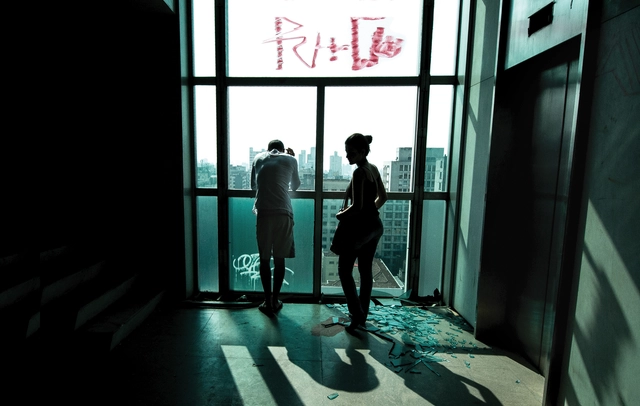
"Drinking Caracu is drinking health." This is what read on the massive blank wall of a building in downtown São Paulo on the morning of May 1, 2018. Hidden for decades, the advertisement for the famous beer brand now loomed before a massive heap of concrete, twisted metal, and shattered glass. This was the rubble to which the iconic Wilton Paes de Almeida Building had been reduced—a modernist landmark designed by architect Roger Zmekhol and the subject of the documentary Skin of Glass, directed by his daughter, Denise Zmekhol.

The film transcends traditional architectural documentation by blending a personal narrative with the political complexities of contemporary Brazil, a country shaped by deep inequalities and erased memories. At the heart of the story is the building itself, considered a landmark of Brazilian modern architecture, which collapsed in 2018 after a tragic fire.

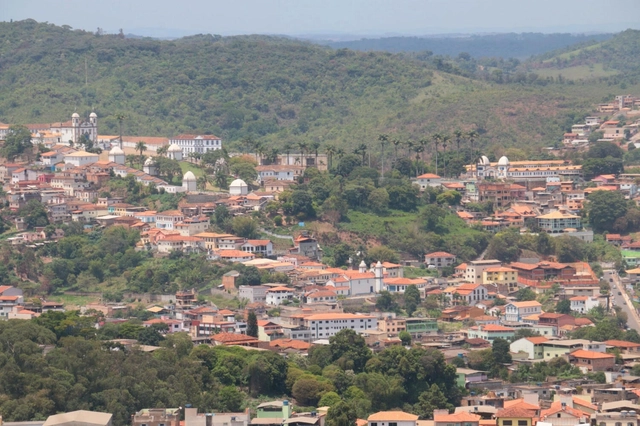
UN-Habitat and Congonhas (MG) host Municipal Cities Conference and public hearing for the Master Plan and Mobility Plan

The residents of the historic city of Congonhas (MG) are invited to plan their future and participate in the development of the National Urban Development Policy through the Municipal Conference of Cities, scheduled for Saturday, June 29, at the City Council.

Designed to welcome input from different sectors of Congonhas' society, the Municipal Conference will address solutions to make the city even more inclusive, democratic, sustainable, and socially just.

Venice: Editor's Spotlight

Subscriber Access | 

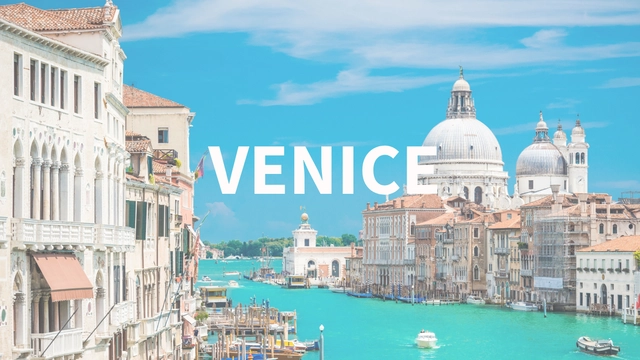
"Every time I describe a city I am saying something about Venice”, said Marco Polo to Kublai Khan in Italo Calvino’s seminal book, Invisible Cities. Once the heart of a powerful maritime republic, Venice indeed houses many cities inside its intricate network of canals, alleys, bridges, and squares. Renowned for its unique architectural beauty, Renaissance history, and cultural significance — and, of course, for being built in the middle of the water — over the past decades, Venice has become one of the most notable victims of overtourism, receiving an estimated 30 million visitors per year.

The figures are astonishing, far outnumbering the 50,000 residents that call Venice home — 120,000 less than its population in the early 1950s, when city dwellers started to drive away, bothered by the permanent noise and overcrowded walkways. 

Tokyo: Editor's Spotlight

“The human invention par excellence.” This is how French sociologist Claude Lévi-Strauss described the city back in the first half of the 20th century. Although his idea can be seen as outdated by more recent narratives, one cannot deny that cities exist because of human action in the landscape. In that sense, Tokyo is perhaps the “most human” expression one can find, as its metropolitan population of 37 million people assures it the top spot among the world’s biggest cities. 

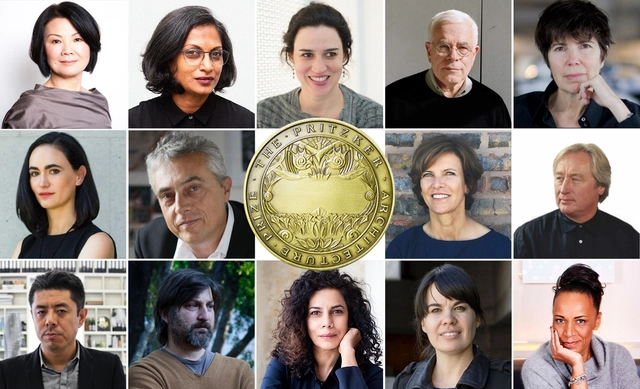
ArchDaily’s Readers Select Who Should Win the 2024 Pritzker Prize

As part of our yearly tradition, we have asked our readers who should win the 2024 Pritzker Prize, the most esteemed accolade in the realm of architecture.

Established by Jay Pritzker and administered by the Hyatt Foundation in the United States, the Pritzker Prize honors living architects, irrespective of nationality, whose architectural contributions "have produced consistent and significant contributions to humanity through the art of architecture."

"Housing makes the difference between life and death": Interview with Helena Roseta

Subscriber Access | 

No País dos Arquitectos is a podcast created by Sara Nunes, who is also responsible for the architectural film production company Building Pictures. The podcast aims to get to know the professionals, projects, and stories behind leading contemporary Portuguese architecture. With just over 10 million inhabitants, Portugal is a highly intriguing country when it comes to this professional field, and its architectural output far outstrips its population or territorial scale.

In this episode of the sixth season, Sara talks with architect Helena Roseta about the future of housing. Listen to the conversation and read part of the interview below.

Gloria Cabral: “Everything Begins With the Wisdom of a Place”

Subscriber Access | 

Born in Brazil and educated in Paraguay, Gloria Cabral is an architect who early on learned that home can be many places—or none at all. Guided by a comprehensive understanding of the geography, culture, and social conditions of the places she designs, she has left her mark on buildings and artistic installations constructed in various locations, from Asunción to Venice.

Besides her interest in the specificities of the places where she operates, Gloria focuses on resource economy and material reuse — a trending theme that Gloria has championed for over fifteen years. We had the opportunity to speak with the architect about her experiences in Paraguay and Brazil, some of her works involving recycled brick, and her insights into architecture and sustainability.

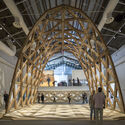
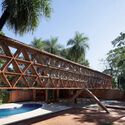
Gloria Cabral: “Everything Begins With the Wisdom of a Place” - Imagem 1 de 4Gloria Cabral: “Everything Begins With the Wisdom of a Place” - Imagem 2 de 4Gloria Cabral: “Everything Begins With the Wisdom of a Place” - Imagem 3 de 4Gloria Cabral: “Everything Begins With the Wisdom of a Place” - Imagem 4 de 4Gloria Cabral: “Everything Begins With the Wisdom of a Place” - More Images+ 10

"Music is an important part of our lives as architects": Interview with Arquitectos Aliados

Subscriber Access | 

No País dos Arquitectos is a podcast created by Sara Nunes, who is also responsible for the architectural film production company Building Pictures. The podcast aims to profile the professionals, projects, and stories behind leading contemporary Portuguese architecture. With just over 10 million inhabitants, Portugal is a fascinating country regarding this professional field, and its architectural output punches far above its population or territorial scale.

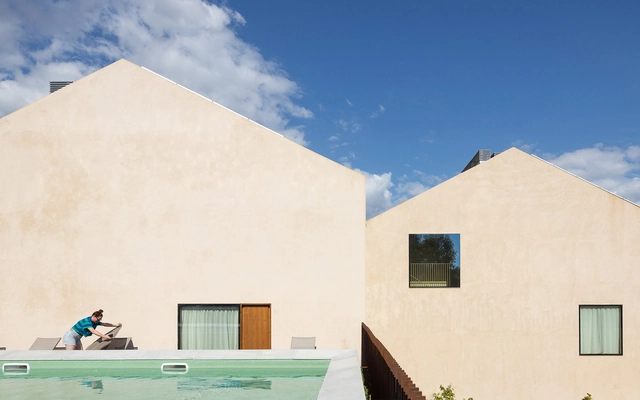
In this episode of the sixth season, Sara talks with architects Susana Leite and Luís Barbosa e Silva, from the firm Arquitectos Aliados, about the design for the Hotel Apartamento e Sala Espetáculos - M.OU.CO. Listen to the conversation and read an excerpt of the interview below.

"Music is an important part of our lives as architects": Interview with Arquitectos Aliados - Image 1 of 4"Music is an important part of our lives as architects": Interview with Arquitectos Aliados - Image 2 of 4"Music is an important part of our lives as architects": Interview with Arquitectos Aliados - Image 3 of 4"Music is an important part of our lives as architects": Interview with Arquitectos Aliados - Image 4 of 4Music is an important part of our lives as architects: Interview with Arquitectos Aliados - More Images+ 11

"We are always designing the future": Interview with Pedrêz

Subscriber Access | 

No País dos Arquitectos is a podcast created by Sara Nunes, who also heads the architectural film production company Building Pictures. The podcast aims to profile the professionals, projects, and stories behind leading contemporary Portuguese architecture. With just over 10 million inhabitants, Portugal is a highly fascinating country within this professional field, and its architectural output punches far outstrips what its population or territorial scale might suggest.

In this episode of the sixth season, Sara talks with architects Matilde Cabral and Francisco Adão da Fonseca, from the firm Pedrêz, about the studio's experimental practice. Listen to the conversation and read an excerpt of the interview below.

"We are always designing the future": Interview with Pedrêz - Imagen 1 de 4"We are always designing the future": Interview with Pedrêz - Imagen 2 de 4"We are always designing the future": Interview with Pedrêz - Imagen 3 de 4"We are always designing the future": Interview with Pedrêz - Imagen 4 de 4We are always designing the future: Interview with Pedrêz - More Images+ 10

Communities, Environment, and New Narratives: the Best Interviews of 2023

In a moment in history when some seek alternatives on other planets and others find refuge in virtual worlds, paradoxically, the future seems to be Earth. This may be one of the significant lessons that 2023 has taught architecture. Understanding this also implies becoming aware that our planet is depleting before our eyes—and a generous portion of this responsibility belongs to the production chains involved in architecture and construction.

If there is still something that can be done to mitigate the climate and environmental crisis in which we find ourselves, it will necessarily involve a revision of all the paradigms that define the industry. It is necessary to change focus and seek other narratives on which to sustain the ways of making architecture on a planetary scale. These ideas resonated in many voices this year, and, at the same time as the possibility of a future for the planet was debated, equal attention was given to the scale, values, and local cultures. The selected interviews here tell stories about the community, environment, cities, practices, and new narratives for architecture in 2023 and beyond.

Tourism Architecture and Its Relationship with the Landscape: Interview with Site Specific Arquitectura

Subscriber Access | 

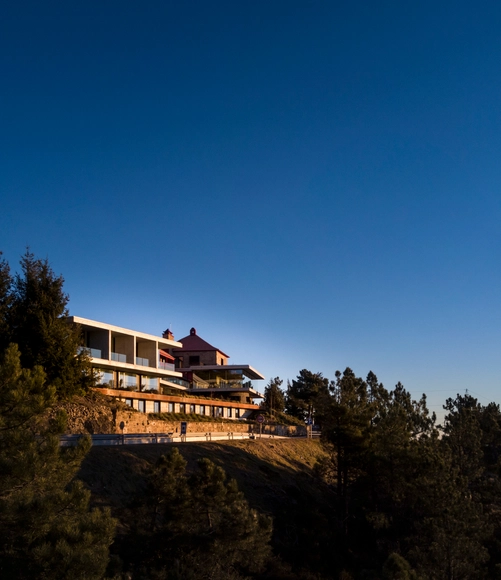
No País dos Arquitectos is a podcast created by Sara Nunes, who is also responsible for the architectural film production company Building Pictures. The podcast aims to get to know the professionals, projects, and stories behind benchmark contemporary Portuguese architecture. With just over 10 million inhabitants, Portugal is a highly intriguing country within this professional field, and its architectural output far exceeds what its population or territorial scale would suggest.

In this episode of the sixth season, Sara talks with architects Patrícia Marques and Paulo Costa of Site Specific Arquitectura, about the project Casa de São Lourenço – Burel Panorama Hotel. Listen to the conversation and read part of the interview below.

Tourism Architecture and Its Relationship with the Landscape: Interview with Site Specific Arquitectura - Image 1 of 4Tourism Architecture and Its Relationship with the Landscape: Interview with Site Specific Arquitectura - Image 2 of 4Tourism Architecture and Its Relationship with the Landscape: Interview with Site Specific Arquitectura - Image 3 of 4Tourism Architecture and Its Relationship with the Landscape: Interview with Site Specific Arquitectura - Image 4 of 4Tourism Architecture and Its Relationship with the Landscape: Interview with Site Specific Arquitectura - More Images+ 11

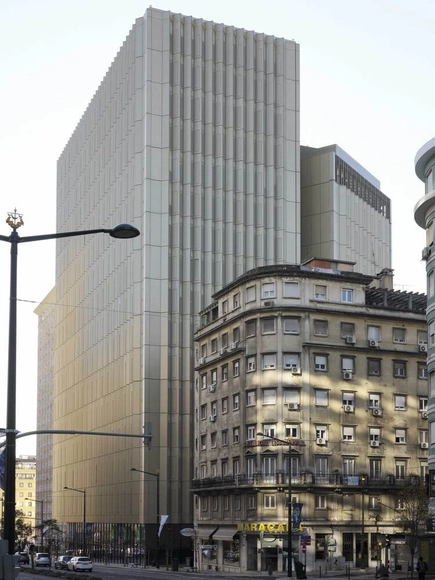
"How do we think about the city from the design of a building?": Interview with Patrícia Barbas

Subscriber Access | 

No País dos Arquitectos is a podcast created by Sara Nunes, who also runs the architectural film production company Building Pictures. The podcast aims to profile the professionals, projects, and stories behind landmark contemporary Portuguese architecture. With just over 10 million inhabitants, Portugal is a highly compelling country in this professional field, and its architectural output far exceeds what its population or territorial scale would suggest.

In this episode of the sixth season, Sara talks with architect Patrício Barbas, from the firm Barbas Lopes Arquitectos, about the FPM 41 project. Listen to the conversation and read part of the interview below.

"How do we think about the city from the design of a building?": Interview with Patrícia Barbas - 1 的图像 4"How do we think about the city from the design of a building?": Interview with Patrícia Barbas - 2 的图像 4"How do we think about the city from the design of a building?": Interview with Patrícia Barbas - 3 的图像 4"How do we think about the city from the design of a building?": Interview with Patrícia Barbas - 4 的图像 4How do we think about the city from the design of a building?: Interview with Patrícia Barbas - More Images+ 15