This week marks the launch of the national advertising campaign by the Council of Architecture and Urbanism of Brazil (CAU/BR), themed "Architecture and Urbanism, a Right for All." Its objective is to highlight the importance of the work of architects and urban planners for society as a whole, including those planning modest renovations and construction projects. As an example, the campaign features the Moradas da Saúde residential complex in Rio de Janeiro, designed by architect and urban planner Demetre Anastassakis.
Romullo Baratto
Romullo Baratto is an architect with a PhD from FAUUSP and Managing Editor of ArchDaily. He previously coordinated the editorial team of the 11th São Paulo Architecture Biennial and served as Managing Editor of ArchDaily Brasil, where he led the platform to win the FNA Award—the first time the honor was granted to a media outlet. He collaborated on the editing of the book "Concrete Jungle", published by gestalten, and has curated architecture exhibitions in Brazil, Chile, Denmark, and Italy, as well as delivered lectures and moderated debates in Spain, the United States, and Portugal. His doctoral thesis investigates the urban landscapes of São Paulo through cinema. His work spans academic research and editorial practice, communicating architecture through texts, interviews, lectures, curatorship, and photography. Follow him on Instagram @romullobf.
BROWSE ALL FROM THIS AUTHOR HERE
↓
Architecture and Urbanism, a Right for All: CAU/RJ Campaign Aims to Expand Access to the Profession
https://www.archdaily.com/1122554/architecture-and-urbanism-a-right-for-all-cau-rj-campaign-aims-to-expand-access-to-the-professionRomullo Baratto
Follow the construction of Álvaro Siza's first building in New York
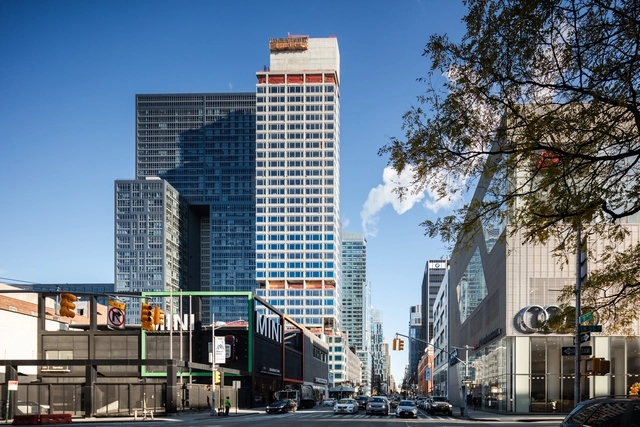
Standing 120 meters tall at the corner of West 56th Street and Eleventh Avenue, the first building by Álvaro Siza in New York is nearing completion. Named 611 West 56th Street, the residential condominium will also feature several amenities for its residents, including a swimming pool, a spa, a gym, a children's playroom, and event spaces.
https://www.archdaily.com/1121932/follow-the-construction-of-alvaro-sizas-first-building-in-new-yorkRomullo Baratto
APCA Announces the 2019 Winners in the Architecture Category
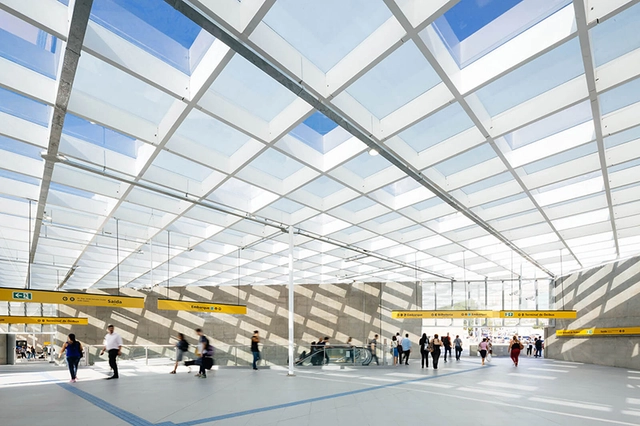
The São Paulo Association of Art Critics (APCA) announced yesterday the list of winners for the 2019 APCA Award. The awards are divided into ten categories, encompassing architecture, visual arts, cinema, literature, fashion, popular music, radio, theater, children's theater, and television.
Since 2010, APCA has included architecture critics, who this year presented seven awards: best architectural work; environmental resistance; promotion of architecture in public debate; appreciation of architectural heritage; career dedicated to public university and academic research; urbanity; and urban appropriation.
https://www.archdaily.com/1122728/apca-announces-the-2019-winners-in-the-architecture-categoryRomullo Baratto
12th International Architecture Biennial of São Paulo Closes with a Series of Lectures at IABsp
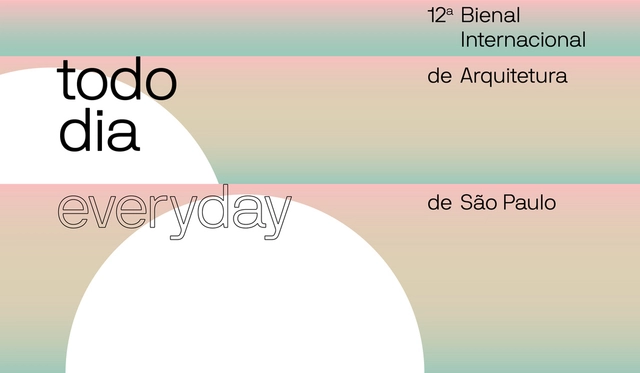
On display through December 8 at CCSP, the 12th International Architecture Biennale of São Paulo is organized by the IAB - São Paulo Department. This Saturday, December 7, the institute marks the close of this edition with discussions on the outlook for the new management cycle. The event takes place at the IABsp headquarters and is free of charge.
https://www.archdaily.com/1121471/12th-international-architecture-biennial-of-sao-paulo-closes-with-a-series-of-lectures-at-iabspRomullo Baratto
Free guide helps calculate the amount of water used in buildings
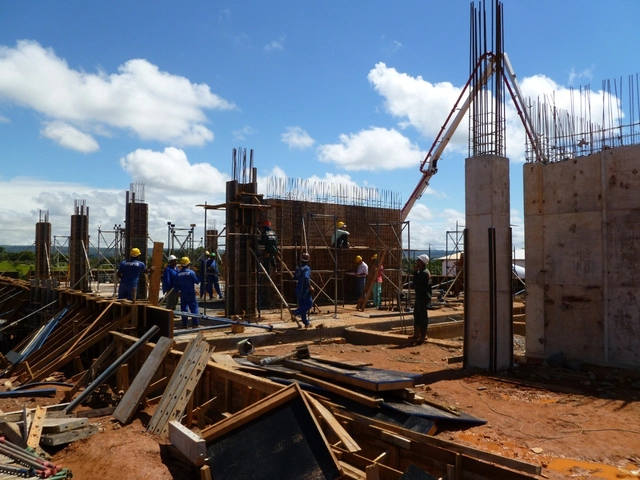
Growing concern over the use of natural resources in architecture has drawn increasing attention from professionals and researchers, pointing toward a future where architects must not only design but also facilitate the decommissioning and recycling of buildings. Against this backdrop, raising awareness about water waste on construction sites has become a major priority—an issue addressed in a recently launched guide by the São Paulo State Construction Industry Association (SindusCon-SP), Caixa Econômica Federal, and the United Nations Development Programme (UNDP).
https://www.archdaily.com/1122410/free-guide-helps-calculate-the-amount-of-water-used-in-buildingsRomullo Baratto
Artist celebrates the most iconic pillars of Brazilian architecture at Art Miami

Artist Patrícia Golombek celebrates some of the most iconic pillars of modern Brazilian architecture in her series of acrylic on canvas paintings titled Brazilian Columns of the 20th Century, on display at the Espace Meyer-Zafra gallery as part of Art Miami.
https://www.archdaily.com/1122842/artist-celebrates-the-most-iconic-pillars-of-brazilian-architecture-at-art-miamiRomullo Baratto
Architect wins mobility award with an app that improves women's safety in cities

The safety app Malalai, created by architect and urban planner Priscila Gama to make cities and various modes of transportation safer for women, was the main honoree of the GOL Novos Tempos award. The award celebrates initiatives aimed at democratizing mobility.
https://www.archdaily.com/1121552/architect-wins-mobility-award-with-an-app-that-improves-womens-safety-in-citiesRomullo Baratto
Spotlight: Lina Bo Bardi

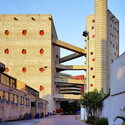
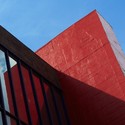
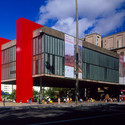
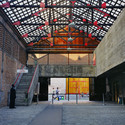
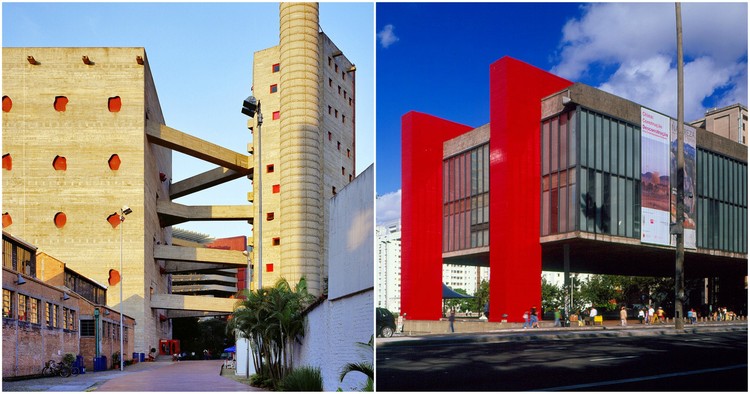
Lina Bo Bardi (December 4, 1914 – March 20, 1992) was one of the most important and expressive architects of 20th century Brazilian architecture. Born in Italy as Lina Achillina Bo, she studied architecture at the University of Rome, moving to Milan after graduation. In Milan, Bo Bardi collaborated with Gio Ponti, and later become editor of the magazine Quiaderni di Domus.
With her office destroyed in World War II Bo Bardi, along with Bruno Zevi, founded the publication A Cultura della Vita. As a member of the Italian Communist Party, she met the critic and art historian Pietro Maria Bardi, with whom she would move permanently to Brazil.
https://www.archdaily.com/575429/spotlight-lina-bo-bardiRomullo Baratto
Discover the projects selected for the 2nd Tomie Ohtake Institute Leroy Merlin Design Award

The Tomie Ohtake Institute has announced the 15 projects selected for the 2nd Tomie Ohtake Institute Leroy Merlin Design Award. This edition's theme, CIRCULAR, prompted proposals and discussions on the word as a form, and as a synonym for displacement, movement, communication, exchange, renewal, and sustainability, among other interpretations.
https://www.archdaily.com/1122217/discover-the-projects-selected-for-the-2nd-tomie-ohtake-institute-leroy-merlin-design-awardRomullo Baratto
Meet the winners of the 2019 IABsp Awards
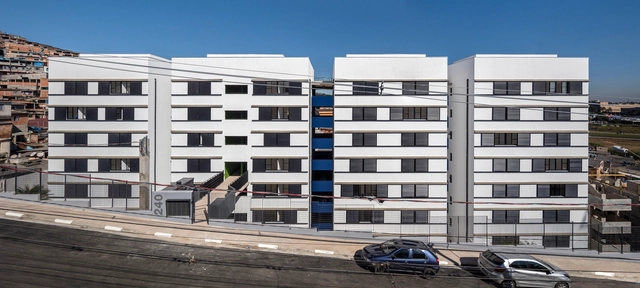
The Institute of Architects of Brazil - São Paulo Department has announced the winners of the IABsp 2019 Awards. Divided into 17 categories that cover social housing, commercial and cultural projects, urban design, and restoration—both built and unbuilt—as well as publications, photography, ephemeral architecture, and student projects, the IABsp 2019 Awards aim to identify the advancements and challenges in contemporary national architecture and urbanism. The initiative recognizes ingenious and significant proposals, particularly those that effectively contribute to the development of technique, knowledge, and the built environment in dialogue with nature, society, economy, and culture.
https://www.archdaily.com/1121389/meet-the-winners-of-the-2019-iabsp-awardsRomullo Baratto
Right to the city: a selection of articles to understand the topic
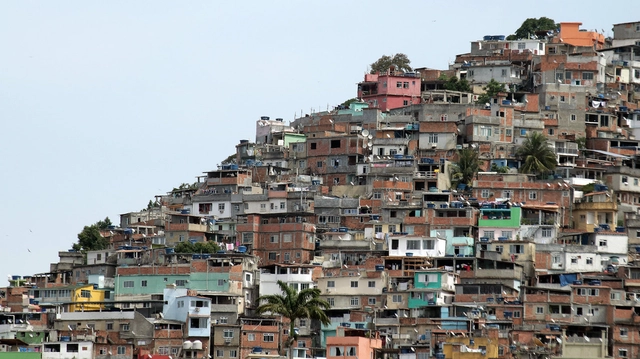
The broad scope of the term Right to the City can make it difficult to grasp, as its complexity demands a broader perspective on urban issues, going beyond the scope of architecture to necessarily encompass social, historical, cultural, economic, political, gender, and racial aspects. The overlapping of these—and several other—variables within the urban landscape can serve as the starting point for understanding the notion of the right to the city.
https://www.archdaily.com/1121382/right-to-the-city-a-selection-of-articles-to-understand-the-topicRomullo Baratto
CAU/RJ and Observatório das Metrópoles launch free online magazine on solidarity housing production
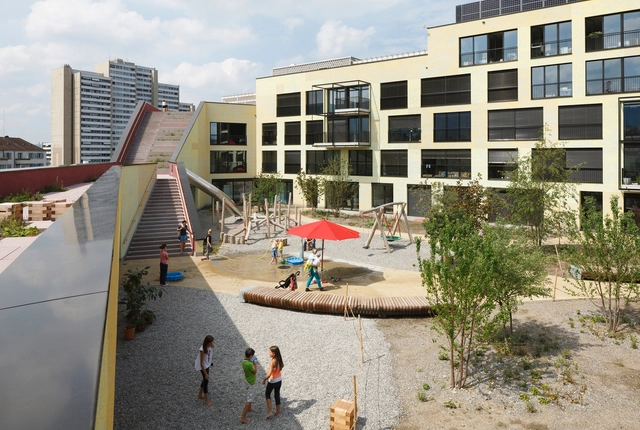
The magazine Solidarity Housing Production: An International Overview was launched on Monday, November 25, at the opening of the National Seminar on Technical Assistance for Social Interest Housing. The publication compiles the main contributions from the event of the same name, held in July 2018. Organized by architects and urban planners Luciana Ximenes and Thais Velasco, the magazine was produced by CAU/RJ and the Observatório das Metrópoles (Ippur/UFRJ).
https://www.archdaily.com/1121256/cau-rj-and-observatorio-das-metropoles-launch-free-online-magazine-on-solidarity-housing-productionRomullo Baratto
Brazilian Senate releases free e-book on sustainable public building design
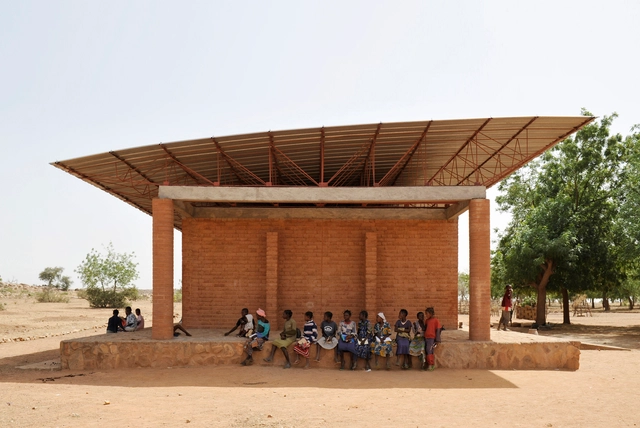
The Federal Senate has made a free e-book on the design of sustainable public buildings available on its official website. Written by Mário Hermes Stanziona Viggiano, the book presents a cultural, economic, environmental, and architectural approach to the conception and design of public-use buildings.
https://www.archdaily.com/1121304/brazilian-senate-releases-free-e-book-on-sustainable-public-building-designRomullo Baratto
Brazilian students awarded in international competition for prefabricated housing project
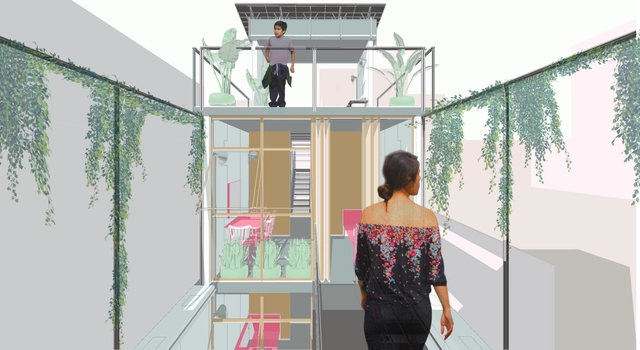
The Brazilian student team, comprising Luiza de Souza Santos, Marcus Barbosa, and Gabriel Thomé de Oliveira from UFMG, was awarded an honorable mention in the SkyCity Challenge 2019 international competition, which aimed to "explore sustainable ways of living, working collectively, and having fun." Learn more about their proposal below.
https://www.archdaily.com/1121432/brazilian-students-awarded-in-international-competition-for-prefabricated-housing-projectRomullo Baratto
Lecture by Paulo Mendes da Rocha at the São Paulo Architecture Biennial

Paulo Mendes da Rocha, the most prestigious Brazilian architect currently in practice, will deliver a lecture as part of the program for the 12th edition of the São Paulo International Architecture Biennial.
https://www.archdaily.com/1108971/lecture-by-paulo-mendes-da-rocha-at-the-sao-paulo-architecture-biennialRomullo Baratto
10 Art and Architecture Installations That Transformed the Landscape of Northern Portugal
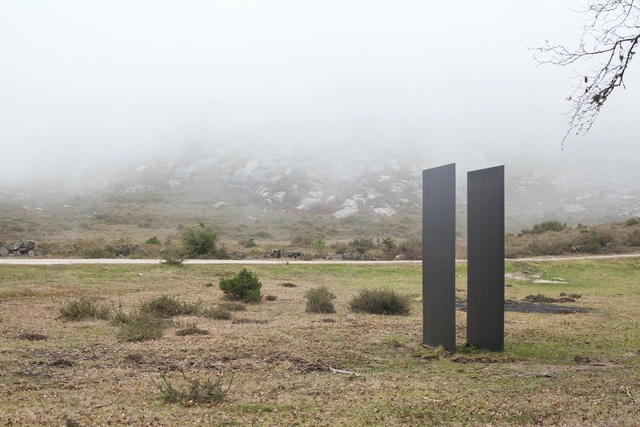
The Alto Minho region in northern Portugal had its landscape transformed by a series of site-specific artistic interventions that were part of the DESENCAMINHARTE program. The initiative aimed to promote artistic creation in the region through a collaborative network designed to foster recognition of its local identity.
https://www.archdaily.com/1121700/10-art-and-architecture-installations-that-transformed-the-landscape-of-northern-portugalRomullo Baratto
Beatriz Colomina on Gender, Collaborative Work, and Disease in Architecture
Architecture theorist, historian, and curator Beatriz Colomina talks about our discipline and its difficulty to accept the work as the result of a collaborative effort. When asked about sexism and gender issues within architecture, Colomina broadens the discussion and tackles the historical myth of architecture as the product of one single, brilliant - and always masculine - mind. A fiction that has obscured the role of a number of women, and whole teams, committed to the design process.
https://www.archdaily.com/928848/beatriz-colomina-on-gender-collaborative-work-and-disease-in-architectureRomullo Baratto
Sphere designed by Oscar Niemeyer is nearing completion in Germany

Brazil's most famous architect, Oscar Niemeyer, kept his office active until his death in 2012 at the age of 104. One of the last projects he designed is nearing completion in Leipzig, Germany. The project is a 12-meter-diameter sphere embedded in the corner of a 19th-century brick building, which will house a cafe and bar for employees of the HeiterBlick and Kirow Ardelt AG railway companies.
https://www.archdaily.com/1122050/sphere-designed-by-oscar-niemeyer-is-nearing-completion-in-germanyRomullo Baratto