Ideasforward aims to provide young creatives worldwide with the opportunity to express their perspectives on the future of society through innovative and visionary proposals. We are an experimental platform seeking progressive ideas that reflect on emerging issues.
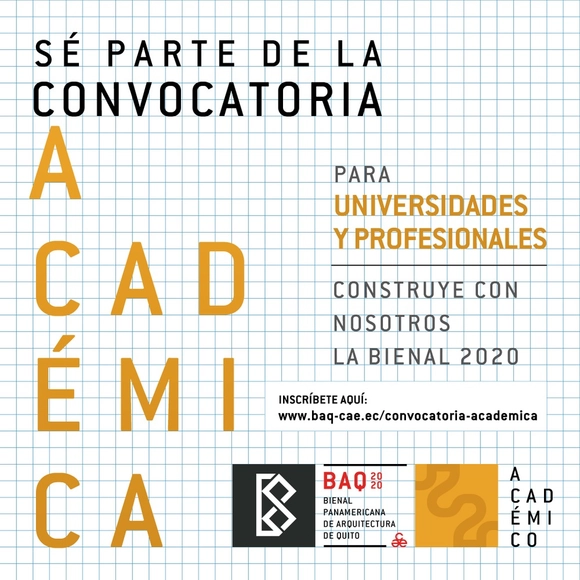
This edition of the Pan-American Biennial of Architecture of Quito (BAQ) proposes a discussion on architecture centered on the notion of transformation. Through a critical analysis of projects that achieve such interventions, the focus will be on studying the transformative capacity of architecture—from the discipline itself toward the environment and the city—questioning existing systems of relationships and exploring new approaches that bridge the gap between the ideal and the real.
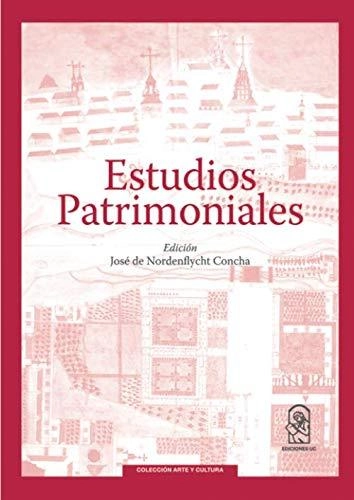
Description via Amazon. Estudios Patrimoniales presents the current state of the debate regarding intellectual production within the multidisciplinary field of our local heritage. Its authors understand heritage as a phenomenon far more complex than a mere topic or discipline. It is a relational phenomenon that occurs in specific cases, requiring reflective practices for a cross-disciplinary discussion that engages the professional responsibility of academic knowledge. Today, when the word "heritage" is hijacked by the common sense of political correctness, activist voluntarism, and the demands of various sectors, this toolkit becomes necessary. It allows us to rethink heritage by understanding its conceptual evolution, thereby promoting new research, referencing intervention projects, and inspiring public policy, so that the term "heritage" can expand its meaning to encompass what our future generations deserve.
This book compiles the most significant texts written by Emilio Tuñón, selected from those published in the CIRCO MRT coop. bulletin. CIRCO was a unique, heterodox publication—now shrouded in myth—that was not for sale and was received monthly by mail by a select few (a few hundred, in reality), including the cream of the architectural intelligentsia.
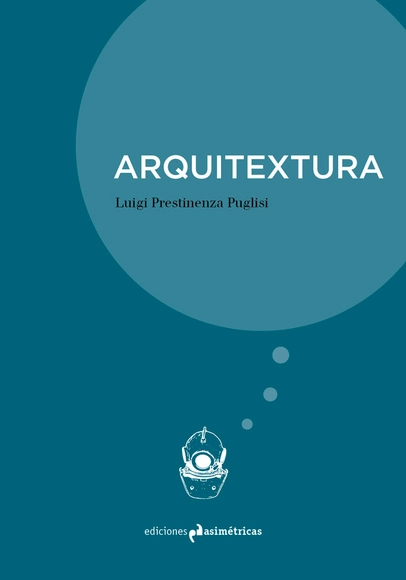
Do you struggle to understand the latest trends in contemporary architecture? Don't worry; few can navigate the landscape of buildings with glossy finishes or envelopes that appear to be in ruins. Moreover, it is difficult to grasp why buildings designed by renowned architects no longer reflect traditional standards of good composition or the Vitruvian triad: firmness, commodity, and delight. In fact, these buildings are often clad in gold leaf, incorporate gargantuan images, are covered in vegetation, or appear to hover above the ground.
Following the success of the 2017 Antalis Interior Design Award, which featured over 500 entries from 29 countries, Antalis is pleased to announce a new edition of the competition.
Laws, norms, standards, rules, regulations, orders, ordinances, protocols, codes. Like any endeavor that unfolds in the public sphere, architecture must submit to laws that exist outside of it, while simultaneously maintaining its cohesion through adherence to laws internal to its own field. However, architecture appears to be more than the mere application of these internal laws or simple submission to external ones.
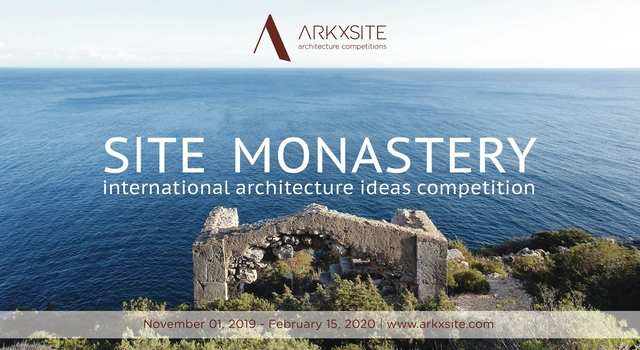
ARKxSITE is pleased to announce the international architecture ideas competition ‘SITE MONASTERY’ for architecture students and young professionals (≤ 40 years old).
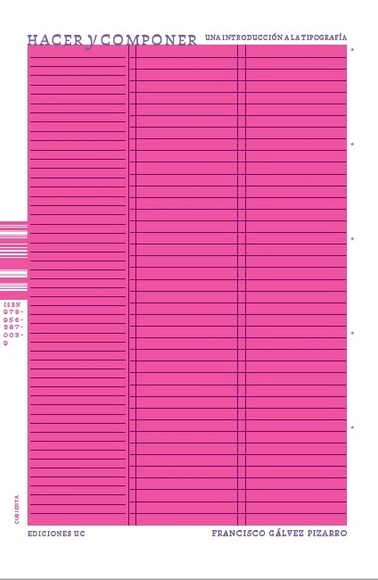
Letters are everywhere, yet we rarely stop to consider their forms or the complexity they conceal. This book serves as a gateway to the fascinating world of typography, offering readers an understanding of the scope and variety of letterforms, the creative challenge involved in their design, and the magic of composing them into a text.
This catalog focuses on the theme of the "Mediterranean house," investigating its operational presence within a specific historical context: the 1950s. This period is characterized by the decisive influence in Spain of two masters of international architecture—Gio Ponti and Alberto Sartoris—whose ideology is rooted in a balanced mediation between tradition and modernity.
Description via Amazon. Through the sketches that make up this book, its author, Rodrigo Pérez de Arce, not only teaches us to look at the city of Valparaíso with fresh eyes but also reveals his affection for the port. His obsession and dedication to exploring the buildings, plazas, and hills are captured in strokes that, in sum, compose the author's perspective and the critical lens he applies to them in his annotations. Ultimately, drawing is presented as a tool for observation. With a record dating back to the early 1970s, the representation and analysis of this critical survey of Valparaíso have continued to deepen and expand. Furthermore, the book presents projects completed by the author in collaboration with other architects, serving as evidence of the strong bond between Rodrigo Pérez de Arce and Valparaíso—a bond this book aims to convey faithfully.
While the first issue of VAD. veredes, arquitectura y divulgación focused on "the beginnings"—those origins and principles that provide, tangibly or symbolically, what seeks to exist—this issue aims to broadly explore the parameters belonging to those origins.
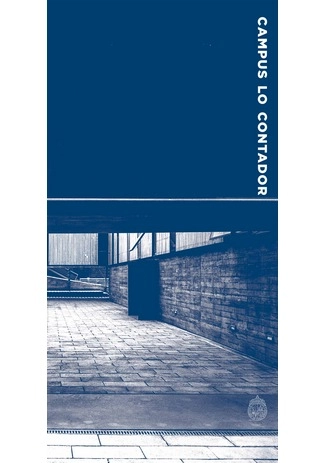
The Lo Contador Campus, home to the Faculty of Architecture, Design and Urban Studies at the Pontificia Universidad Católica de Chile, is a repository of historical traces, urban imprints, and artistic and architectural manifestations that have been layered and deposited in this heritage enclave in Santiago since the late 17th century.
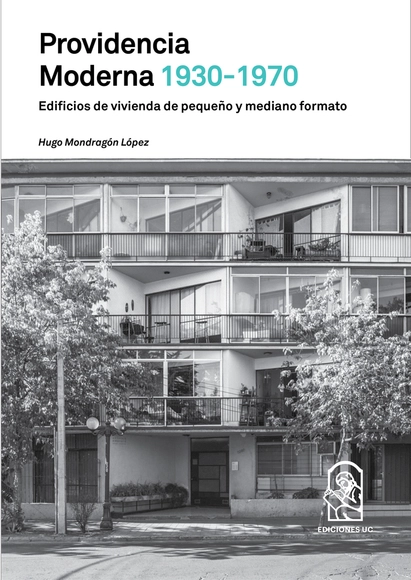
"The interest in the urban condition of thirty-eight small- and medium-scale residential buildings located in the Providencia district—which form a detailed catalog of works completed between 1930 and 1970—demonstrates how significant the architectural proposals of this period were in the creation and formation of the modern city project in Santiago, Chile.
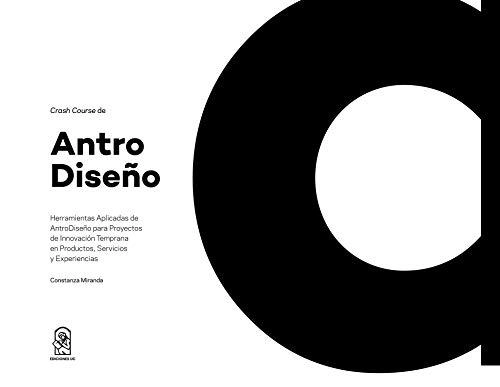
Description via Amazon. We live in an era where design and innovation are at the forefront of conversation, and users are increasingly critical and active participants in decision-making. Design and innovation serve as the primary drivers of organizational change, but what theories underpin their solutions? Users are viewed as the center of the process, but what methodologies are used to incorporate their behaviors and beliefs in a rigorous and dynamic way?
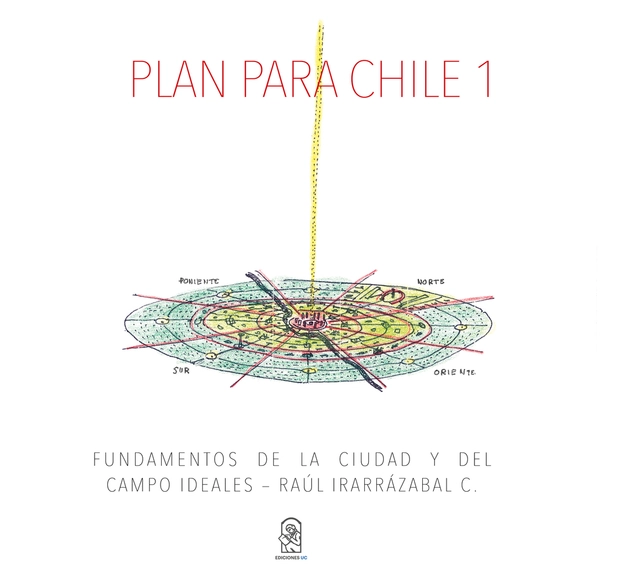
The book series 'Plan para Chile', by prominent Chilean architect Raúl Irarrázabal, consists of three volumes that invite the reader to envision a new urban planning scheme for Chile through an avant-garde, bold, and inclusive lens.
The digital version of the catalog for the XI Ibero-American Biennial of Architecture and Urbanism (XI BIAU) is now available. It includes documentation regarding the XI BIAU Ibero-American Prize awarded to César Ortiz-Echagüe Rubio (Madrid, 1927) and Jorge Enrique Scrimaglio (Rosario, 1937).