Address and identify issues and realities concerning territory and residential habitat. Through photography, we invite you to highlight themes related to:
Address and identify issues and realities concerning territory and residential habitat. Through photography, we invite you to highlight themes related to:

Architectural visualization has been around for centuries, with drawings and paintings depicting finished structures before they were built. In the 1990s, the movement of the industry from paper to CAD saw video added to the mix, with the new ability to produce walk-throughs and fly-throughs from design.
It was only a matter of time before architectural visualization professionals discovered real-time rendering, which can produce finished videos in a fraction of the time of traditional rendering processes. Initially intended for game development, real-time render engines have now reached a level of quality and photorealism that makes them ideal for presenting architectural designs.
With real-time rendering comes an unexpected bonus: new types of presentations for clients. Architectural visualization can now include immersive experiences like virtual reality tours, interactive, game-like projects, and cave automatic virtual environments (CAVEs) to present design in ways never seen before.
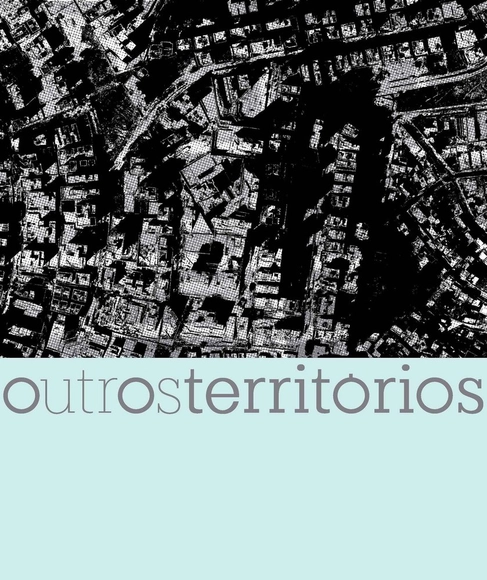
Vazio S/A, Coletivo Aurora and Eduardo de Jesus have launched the open competition Outros Territórios – International Call for Urban Intervention.
Outros Territórios (Other Territories) is a suite of ephemeral interventions proposed for a hilly neighborhood in Belo Horizonte, Brazil called Buritis. The plan envisages an instantaneous transformation of the landscape through the simultaneous occupation of the many stilt systems propping up the hillside buildings.
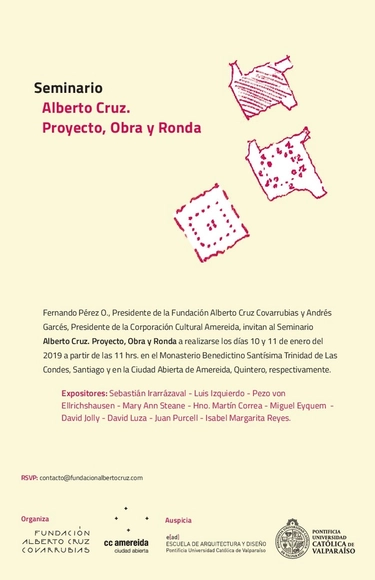
The Alberto Cruz C. Foundation, in collaboration with the Amereida Cultural Corporation, will host a seminar focused on the architectural work of Cruz between 1954 and 1982, which transcends and complements his contribution to the academic and creative spheres.

Do you love to travel? Of course, you do! We’d give away anything just to hit the road. Did you know that around the world, road networks transport 50% of all goods and 70% of total passenger traffic in most countries?
Well, India happens to pride herself for having the second largest road network in the world - almost 5.5 million kilometers of paths.
We’ve got some fabulous scenic routes all over the country and the geographical palette just adds to the beauty. Steady development on our road networks has perked the average urban wanderers into frequenting longer, lovelier routes.
And thus, we need our old reliable watering holes all the more: the stopovers, the eateries, the filling stations to rest, feed, refresh and refuel. Each becoming a vital part of highway infrastructure.
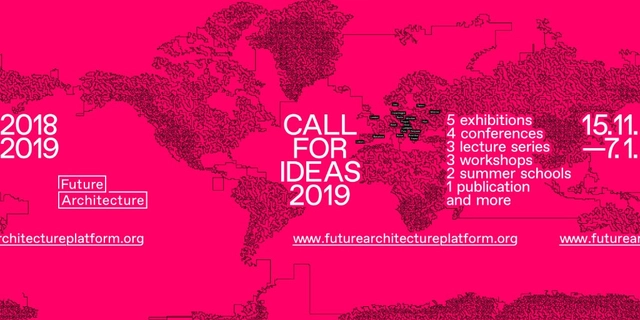
With the 4th Call for Ideas the Future Architecture Platform invites multi-disciplinary emerging creatives who work on transformative projects and ideas for the future of architecture to apply for participation in the European Architecture Program in 2019.
The Future Architecture Platform acts as a key platform for exchange and networking for European architecture and integrates some of Europe’s most important architectural events. The platform enables architecture museums, festivals, producers, publishers, agencies, academic institutions and multi-disciplinary emerging professionals to easily connect and build joint projects.
Open call:

Topic:
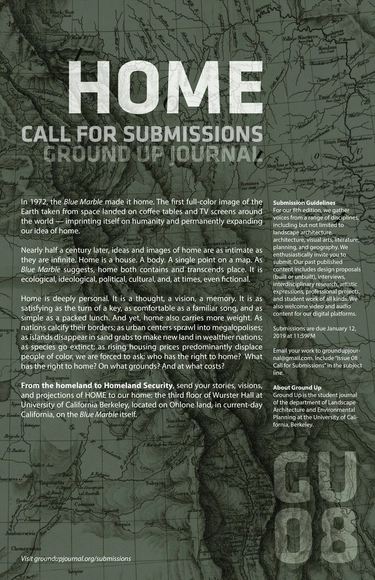
Ground Up, the journal of the Department of Landscape Architecture and Environmental Planning at UC Berkeley, Issue 08 seeks entries that address the idea of HOME.
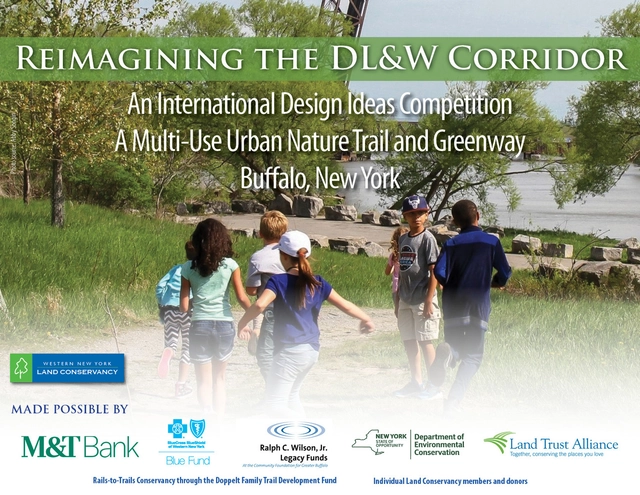
Reimagining the DL&W Corridor: International Design Ideas Competition for a Multi-Use Urban Nature Trail & Greenway in Buffalo, New York
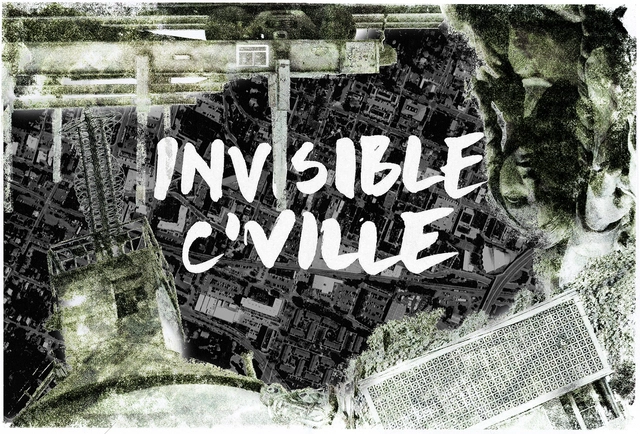
The BDA Prize, an annual design and ideas competition, exists to generate forward-looking ideas to better our community through design and dialogue.
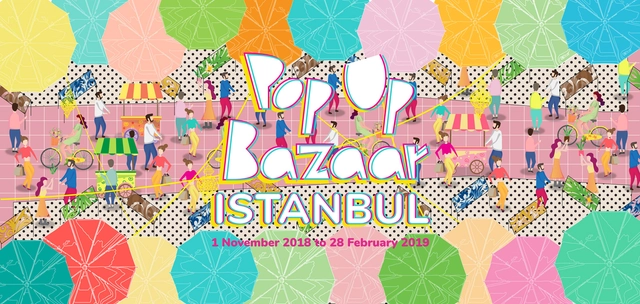
The oriental establishments of the Middle-East, Northern Africa and some parts of Europe all mention the bustling marketplaces in their popular culture. They weren’t just the main centers of trade and business, but were multifunctional entities that contributed to the social and cultural exchange between people and civilizations. These marketplaces were called by different names in different regions and languages; Bazaar in Persian, Souk in Arabic etc. Today, bazaars tend to be found in a city's medina (old quarter) and are often important tourist attractions.

The AIA|DC Urban Design Committee announces the launch of our design competition In/Visible Borders.
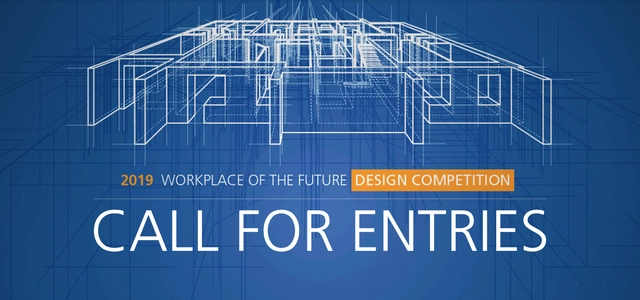
2019 STUDENT DESIGN COMPETITION
WORKPLACE OF THE FUTURE
As a way of giving back to the communities we serve, we are proud to be hosting our 2019 “Workplace of the Future” Design Competition to help support and promote the field of architecture and interior design. We encourage eligible U.S. graduate and undergraduate students* majoring in architecture or interior design within the New York, New Jersey, and Pennsylvania area to use their creativity and innovative ideas to express their vision of the “Workplace of the Future.”
An architect serving as executive director at the Metropolitan Heritage Institute, an architectural photographer with experience throughout Ecuador, an architect and human rights activist, and an architect specializing in professional demolition will be the guests at the first international session of the X FORMAS DE HACER ARQUITECTURA project in Ecuador on Thursday, November 22, at 7:00 PM at TORNO Co Creative.
Known simply as XFORMAS, this is the first international session of the project led in Chile by Fabiola González + Yair Estay (TALLER25) and Nicolás Valencia (ArchDaily), which, in Ecuador, is partnered with the local firm Rama Estudio, led by architects Felipe Donoso, Carolina Rodas, and Carla Chávez.
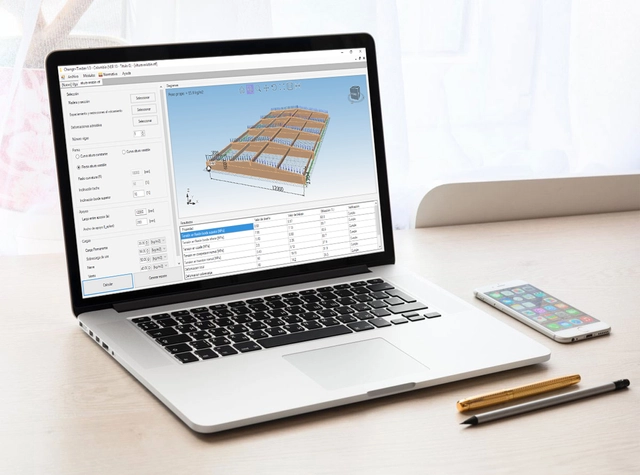
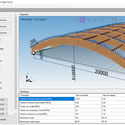
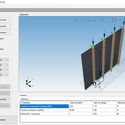
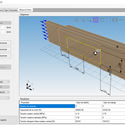
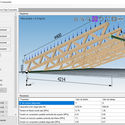
Today, the construction industry faces growing demand for environmentally friendly projects, such as green building certifications and energy efficiency standards. Consequently, raising awareness about the ecological value of timber is essential, as it serves as a renewable alternative to other materials that are more energy-intensive and generate high CO2 emissions.
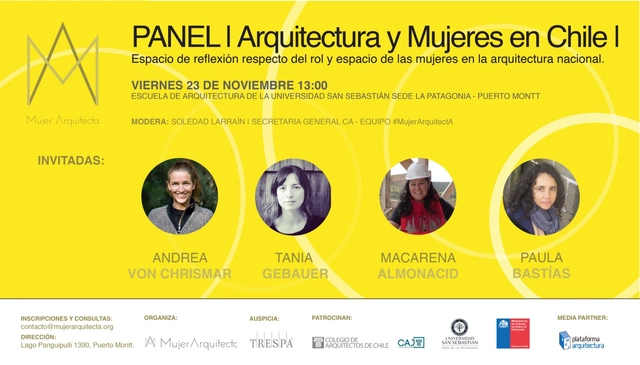
This discussion panel serves as a forum for dialogue, featuring prominent guests who share their experiences in the profession and architectural design. We are pleased to announce that the third edition of the Architecture and Women in Chile panel is heading south!
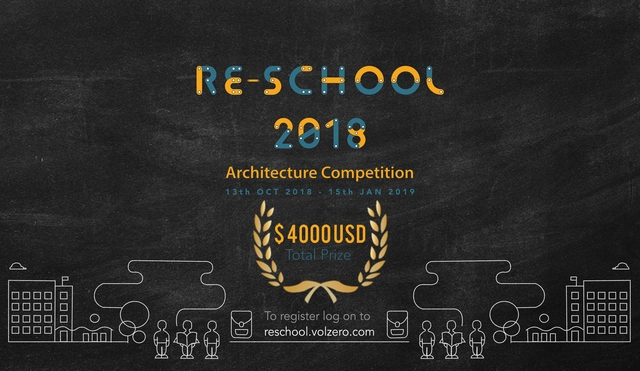
The world is growing at a break-neck speed today and with rapid urbanization, information and technology, it is demanding a constantly changing human intellect. To face these transformations, the upcoming generations need to be moulded in a way that they can cope efficiently with the variations. Education can help initiate this change by altering the mindsets and outlook of people around the world.
Over the last decades, education has evolved into a vital necessity for people belonging to all facets of the ever-changing world. An important agent of social change, education not only helps in molding young minds with values but also guides their intellectual development and boosts the society’s potential for its own progressive transformation. Education can help in the eradication of many social evils such as poverty, poor health, scarcity of food and water, pollution and other stigmas.