
Winners will receive R$3,000 and have their design applied to porcelain or ceramic tiles to be launched at Expo Revestir
Winners will receive R$3,000 and have their design applied to porcelain or ceramic tiles to be launched at Expo Revestir
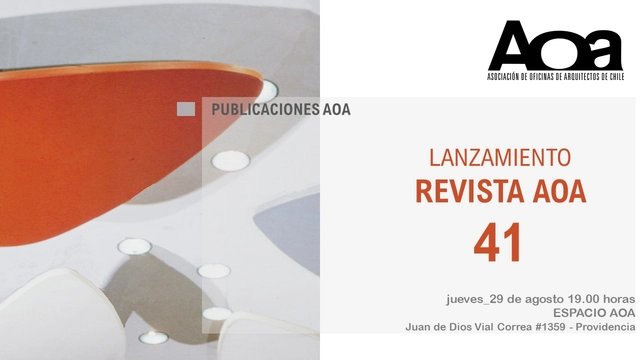
The President of the Association of Architecture Offices (AOA), Ignacio Hernández M., and the Director of AOA Magazine, Yves Besançon P., cordially invite you to the launch of AOA Magazine No. 41. The event will take place on Thursday, August 29, at 7:00 PM at Espacio AOA, located at 1359 Juan de Dios Vial Correa, Providencia.

Description via Amazon. Following the example of music publication, Source Books in Architecture offers an alternative to the traditional architectural monograph. If one is interested in hearing music, he or she simply buys the desired recording. If, however, one wishes to study a particular piece in greater depth, it is possible to purchase the score―the written code that more clearly elucidates the structure, organization, and creative process that brings the work into being. This series is offered in the same spirit. Each Source Book focuses on the work of a particular architect or on a special topic in contemporary architecture and is meant to expose the foundations and details of the work in question. The work is documented through early studies, models, renderings, working drawings, writings, and photographs at a level of detail that allows complete and careful study of a project from conception to completion. The graphic component is accompanied by commentary from the architect and critics that further explore the technical and cultural content of the work.

Description via Amazon. Monotown: Urban Dreams Brutal Imperatives examines the post-industrial transformation and transnational legacy of planned single-industry towns that emerged as a distinctive sociopolitical project of urbanization in the Soviet Union during the 1920s. Monotowns took form through the teleological establishment of industrial enterprises strewn across remote parts of the Siberian hinterland and entailed the relocation of vast populations requiring services, housing, and social and physical infrastructure, all linked to a given town's productive apparatus. Today, having outlasted the political and economic systems that made them viable, many have become shrinking towns with graying populations and obsolete enterprises, even as they are subjected to considerable national investment and commanded to grow in order to catalyze their respective regions. Given this implied imperative for transformation, the work goes on to explore the largely overlooked legacy of the Monotown as a model of urbanization that was deployed upon remote geographies of China and India through Soviet-aided industrial development projects. By exploring the etymology of the Monotown over time in this expanded field, the work establishes a broader yet more specific dialogue about this model's complex legacy and future.
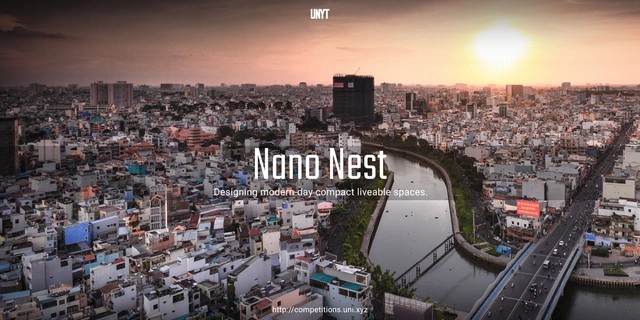
PREMISE
With the growing population, land is constantly seen as a depleting resource and thus has increased real estate prices. Today, the definition of a house has barely boiled down to it being a commodity that constitutes a kitchen, a living area, bedroom and bathroom. This commodity offered is sometimes so inhabitable that it even lacks the basic notion of light and ventilation. Eventually, all the other additional notions of what a house should offer then become secondary. How do we then redefine a modern living space for a space crunch situation that it is not just habitable, but also restores these essential notions that make it a house?
Berlin as we know it – with its centres, residential quarters, and suburbs – marks its 100th anniversary in 2020. A reason to celebrate, but also a spur to think about the future development of the region. After years of stagnation, dynamism is returning to the Berlin-Brandenburg region: population growth, new flows of commuters and goods, new quarters and housing developments, a new rail map, a radically new airport arrangement, and a growing public transport system. Berlin is a metropolis, its integrated hinterland extending far beyond its administrative boundaries. What we need now is a broad public debate ranging from sustainable planning of growth across the region as a whole to the specific role of individual neighbourhoods within the growing metropolis. Both politicians and representatives of business and civil society have repeatedly called for such a debate, and with good reason.

PREMISE
“eSports have joined the big leagues”, a research from Goldman Sachs wrote in a recent report about the new subsection of the video game industry. They estimate that the monthly size of competitive eSports gamers, 167 million as of year-end 2018, will hit 276 million by 2022, basing their forecast on a New Zoo survey. Out of 7700 million world population estimated 2400 million people are playing some form of games in digital media as per a report by Statista.

The biennial Monterey Design Conference (MDC 2019) celebrates its 25th gathering of leading global design figures along the Northern California coast, October 25-27, 2019. Organized the American Institute of Architects (AIA) California, this confab differs from most conferences because attendees can engage in casual conversations with presenters in a relaxed, oceanside setting—mingling over meals, at receptions, or along the beach. The weekend event is held at Asilomar Conference Center in Pacific Grove, CA, the wooded retreat that was designed by 2014 AIA Gold Medal winner Julia Morgan, FAIA.

14th Curitiba Biennial presents Sergei Tchoban for the first time with the concept "Open Borders" by Tereza de Arruda and Adolfo Montejo Navas, the event aims to establish reflection on the relationship between subjects and spaces.

This launch celebrates the 18th edition of Materia Arquitectura magazine, an editorial project from the Faculty of Architecture, Art, and Design at Universidad San Sebastián, directed by Mario Marchant, which centers on the notion of the open project.

The Chicagoland megaregion consists of interconnected cities, highways, and municipalities, all of which grapple with challenges related to housing, water quality, transportation, sustainability, and more. Legat Architects invites you to consider how designers can address these issues.
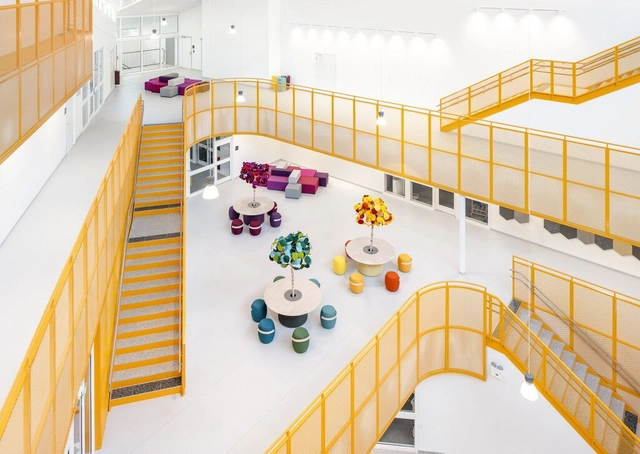
This symposium aims to bring together the community involved in educational facilities and researchers in the field to share advancements in Comfortable and Healthy Learning Environments, fostering an open dialogue with attendees to promote better educational spaces.
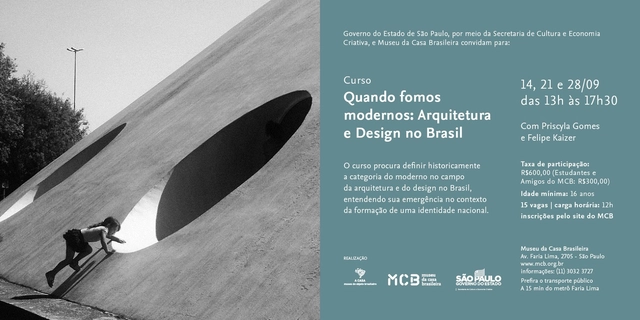
The legacy of Brazilian modernism is currently the subject of intense revisionism and serves as a central reference for many contemporary works, including those that reject its principles. This course seeks to historically define the category of "the modern" within the fields of architecture and design in Brazil, understanding its emergence in the context of the formation of a national identity.
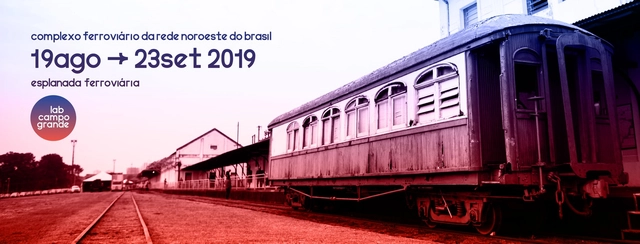
The Campo Grande Ephemeral Urban Laboratory is a series of activities that will temporarily generate interventions and debate alternative visions for the future of the Esplanada Ferroviária territory.

This Forum aims to bring together, over four days in Belo Horizonte, various stakeholders involved in housing issues—architects, planners, public officials, members of municipal housing councils, grassroots movements, government representatives, organizations, and other professionals working in the field, as well as researchers and students. In doing so, it aims to provide a space for multidisciplinary discussion, addressing both theoretical and practical issues related to urban living.
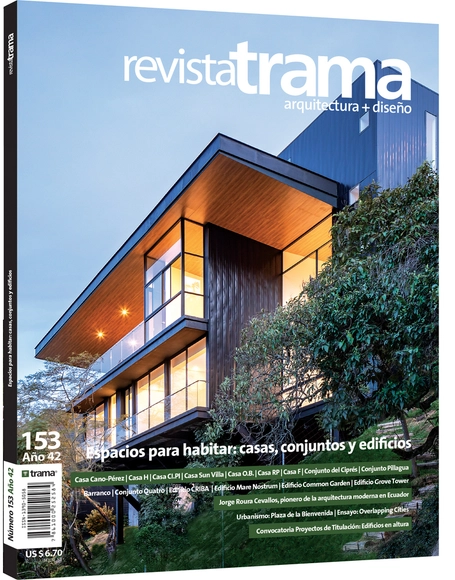
The prominence of the natural landscape and the urban environment in suburban and urban settings is a defining factor in the design of these projects, revealing diverse emphases that offer distinct and compelling perspectives.
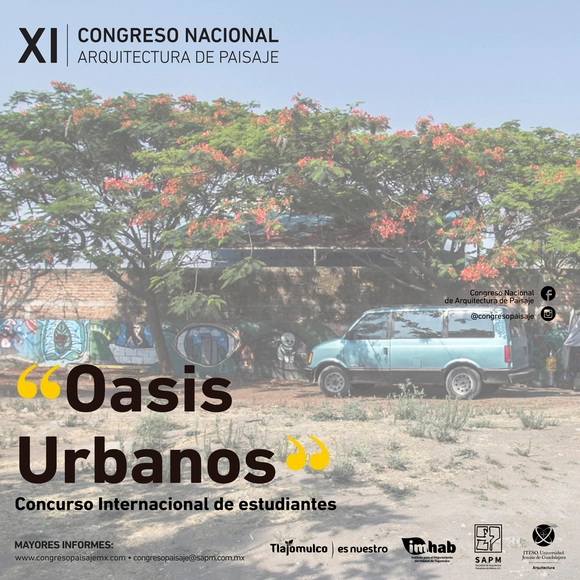
As part of the 11th National Landscape Architecture Congress, the Mexican Society of Landscape Architects, ITESO through its School of Architecture, and the Institute for Habitat Improvement of Tlajomulco invite all undergraduate students currently enrolled in programs related to landscape architecture, architecture, urban planning, and related fields to participate in an international competition centered on the theme "Urban Oases." This theme draws from the congress’s core focus, "Dynamic Landscapes: How to design adaptable and proactive landscapes in the face of increasing urbanization and climate change," which presents significant challenges for creative landscape design.

Description via Amazon. The field of robotics is coming of age. Robotics and artificial intelligence represent the next cutting edge technology to transform the fields of architecture and design. The past decade's surge towards more computationally defined building systems and highly adaptable open-source design software has left the field ripe for the integration of robotics wither through large-scale building fabrication or through more intelligent/adaptive building systems.