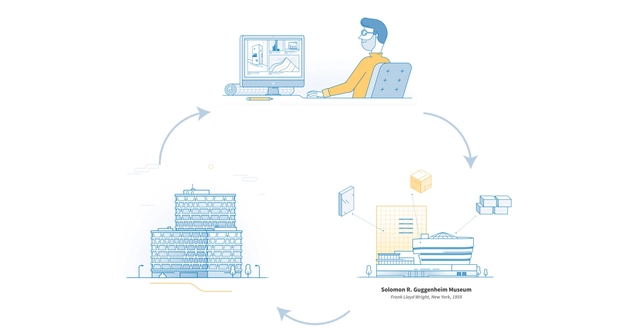
Although creative processes vary widely among professionals, some general aspects can be found in any design method. In general terms, we could say that the Architect's Journey through the Design Process consists of 3 stages: Inspiration, Research and Specification, and Construction. In all of them, the connection with materials and construction products is fundamental. After all, the ultimate objective of architects is to materialize their ideas and give shape to new environments that can withstand the test of time. To increase their knowledge and to make the most of their capabilities at every stage, architects search through various mediums for the best tools and references.
The following will unpack architects' behaviour throughout this creative journey and the different touchpoints with companies and manufacturers at every stage.
https://www.archdaily.com/967616/architects-creative-journey-and-the-connection-with-brandsPola Mora
Social media usage around the world is ever-increasing, and the social distancing inflicted by the pandemic over the last year has dramatically changed its role. Currently, there are around 4.2 billion active social media users - this is more than half the world's population! For this reason, companies are putting efforts into these channels to keep in touch with their customers and even build better connections with them.
https://www.archdaily.com/961845/how-to-promote-your-products-and-materials-through-instagram-storiesPola Mora
Last March, we announced the winners of the 2020 Building of the Year award, which has celebrated the best of architecture built in Latin America and Spain since 2008. As is our tradition, we called upon our expert jury—our readers—to select their favorite buildings published throughout 2019.
In the coming weeks, we will announce the 2021 Building of the Year award. As a prelude to this new chapter, we have organized a series of virtual meetings with each of the 2020 Building of the Year winners to take an in-depth look at the three projects chosen by our readers. We will host the 2020 Building of the Year awards ceremony through a fully digital experience, made possible by the collaboration of our partners, Crest and Fundermax.
https://www.archdaily.com/1102292/take-a-closer-look-at-the-2020-building-of-the-year-winnersPola Mora
The process of building and construction involves many different stages, starting from the very first ideas and drawings, project delivery, until the building is finally ready to be occupied. Throughout this process, the architect will work with the client and a range of different parties, from consultants to contractors and investors. Often, they may also partner with other architecture offices in order to join forces and gain experience.
https://www.archdaily.com/948592/whats-the-collaborative-network-behind-the-process-of-buildingPola Mora
The Technological Development Center (CDT), BIM Forum Chile, and ArchDaily invite all architecture and construction industry professionals to the webinar "Why Validate My BIM Objects with the National Library Standard?" to be held on Tuesday, October 6, at 11:00 AM.
https://www.archdaily.com/1101664/webinar-why-validate-my-bim-objects-with-the-national-library-standardPola Mora
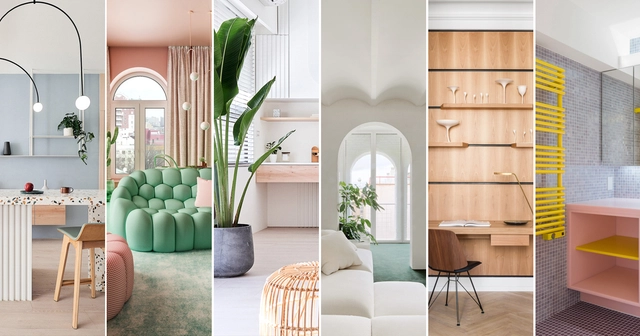
ArchDaily’s featured monthly topic for March was dedicated to Interiors and the articles related to this topic accumulated over 1 million pageviews, surpassing by 240% the number of pageviews achieved in other months in the same semester.
https://www.archdaily.com/945290/interior-design-trends-that-will-shape-the-next-decadePola Mora
The appearance and long-term maintenance of a work of architecture or interior design are heavily dictated by its materiality and the products used. If the selection of materials and products is not precise, the project can be compromised both aesthetically and functionally.
This is why specification is essential to achieving the desired result, and the professionals responsible for this stage must have a broad knowledge of the materials and products available in their region. But is material specification done similarly across all architecture firms? Do the initial and final stages of the project receive the same attention? How close is the relationship between architects and materials, really?
https://www.archdaily.com/1124255/how-do-architects-and-construction-professionals-specify-materials-and-productsPola Mora
The choice of materials and products made by an architect during their design and specification process is key to defining how a project will look after its completion and over time, as it ages. Choosing materials that are not appropriate could result in projects with both aesthetic and functional issues.
This is what makes the specification stage so essential in achieving expected results. During this phase, the professional in charge of specification becomes an essential part of the team and needs to have sufficient knowledge of the materials and products available in their region. But do all architecture offices have the same specification processes? Is the same importance given to this stage of the project as to the initial design phase? How close is the architect’s relationship with the materials really?
https://www.archdaily.com/941827/how-do-architects-and-industry-professionals-specify-different-materials-and-productsPola Mora
How a work of architecture or interior design looks and ages over time is heavily determined by its materials and the products used. If the choice of materials and products is inaccurate, both the appearance and the performance of the project could be compromised.
This is why specification is essential to achieving the desired outcome at a project's completion, and the professional in charge of this stage must have an extensive knowledge of the materials and products available in their region. But is material specification the same across all architecture firms? Is this project phase given the same importance as the initial design phase? How close is the relationship between architects and materials really?
https://www.archdaily.com/1124032/survey-how-do-architects-and-industry-professionals-specify-materials-and-productsPola Mora
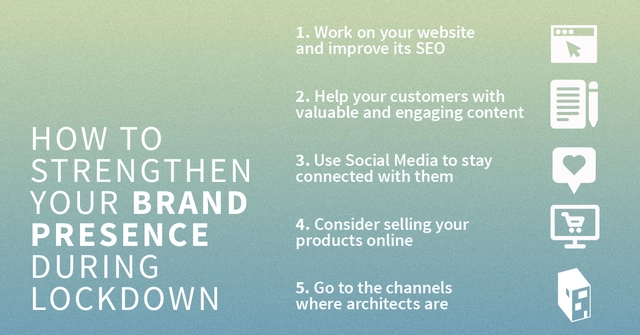
The COVID-19 crisis has created unforeseen circumstances for people worldwide and is having a significant impact on the global economy. Within this crisis, the architecture and building materials industry are not exceptions. The cancelation of trade fairs and architecture events, for example, are driving manufacturers and building products suppliers away from their traditional physical opportunities to meet prospective clients. Many are now being faced with the question; in this complex scenario, how can you promote your products and materials while respecting social distancing and avoiding physical contact with architects and clients?
https://www.archdaily.com/939023/how-to-strengthen-your-online-presence-and-promote-your-architectural-products-during-lockdownPola Mora
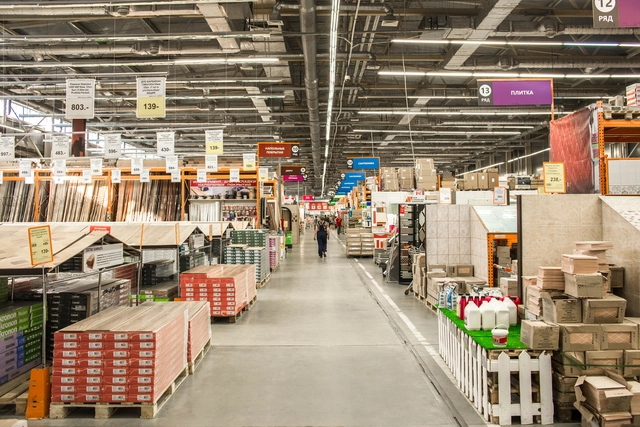
The COVID-19 pandemic, which is currently affecting more than 180 countries worldwide, has fundamentally changed how we interact with everything. Our social and consumption habits are restricted, and we have had to rely on digital tools to maintain distance while attempting to remain operational. In light of this new landscape, concepts such as "home office" and "e-commerce" are becoming commonplace.
A few weeks ago, we examined how architects are adapting to remote work, striving to maintain consistent production from afar. It is easy to see how the initial stages of the design process can be carried out from home, but what happens during the later phases when architects must work on-site, or select and specify the materials and products required for construction?
https://www.archdaily.com/1053290/e-commerce-architecture-and-construction-is-it-possible-to-buy-materials-and-products-onlinePola Mora
The COVID-19 pandemic, which is now affecting more than 180 countries worldwide, has changed how we relate to everything. Our social and consumption practices are limited, and we have had to rely on digital tools to maintain distance while attempting to remain operational. In light of this new landscape, concepts like home office and e-commerce are becoming common.
A few weeks ago, we looked at how architects are adapting to remote work, seeking to maintain adequate production levels from home. It is not hard to imagine that the early stages of the design process can be easily carried out from home, but what happens in the later phases, when the architect must work on-site or select and specify the materials and products necessary for construction?
https://www.archdaily.com/1053295/e-commerce-architecture-and-construction-is-it-possible-to-buy-materials-and-products-onlinePola Mora
The COVID-19 pandemic, which now affects more than 180 countries worldwide, has changed how we relate to everything. Our social and consumption practices are limited, and we have had to rely on digital tools to maintain distance while attempting to remain operational. In light of this new landscape, concepts like "home office" and "e-commerce" are becoming commonplace.
A few weeks ago, we reviewed how architects are adapting to remote work, seeking to maintain adequate production levels from home. It is easy to imagine that the initial stages of the design process can be carried out easily from home, but what happens in the later phases, when the architect must work on-site or select and specify the materials and products necessary for construction?
https://www.archdaily.com/1053298/e-commerce-architecture-and-construction-is-it-possible-to-buy-materials-and-products-onlinePola Mora
The world crisis caused by the Coronavirus has called millions of people to quarantine and socially distance in order to stop the contagion curve. This has resulted in companies being confronted with the challenge of continuing to work remotely, with most of their teams working from home.
https://www.archdaily.com/936691/trends-report-how-architects-are-working-from-homePola Mora
ArchDaily is the most visited architecture website in the world. 2.95 million registered users browse the site on a daily basis, generating millions of clicks, searches, and traffic over our library of thousands of projects, and products, giving us invaluable insights on the most relevant industry trends.
https://www.archdaily.com/933307/trends-report-what-building-materials-are-architects-searching-forPola Mora
During the presentation of the Obra del Año Awards held earlier this month at the Mirador Pablo Neruda, ArchDaily CEO David Basulto shared a series of data with the audience, providing a quantitative and qualitative overview of Chilean architecture in 2019:
“Based on the data we have collected over nearly 12 years, at ArchDaily we have managed to build a highly representative profile of how architecture is designed and built in Chile. I hope this information is useful for creating more and better cities, and for understanding how the digitization of architecture has influenced how we inhabit our cities.”
https://www.archdaily.com/1123440/archdaily-releases-the-state-of-chilean-architecture-reportPola Mora
For the eleventh consecutive year, ArchDaily celebrated the best of Latin American architecture, presenting the Building of the Year award to architects Barclay & Crousse (Peru), Felipe Assadi (Chile), and Natura Futura + Frontera Sur Arquitectura (Ecuador). This year, the ceremony took place at the Pablo Neruda Lookout on San Cristóbal Hill, bringing together the architectural community and ArchDaily's main partners.
https://www.archdaily.com/1124207/the-2019-obra-del-ano-awards-were-presented-in-santiago-chilePola Mora