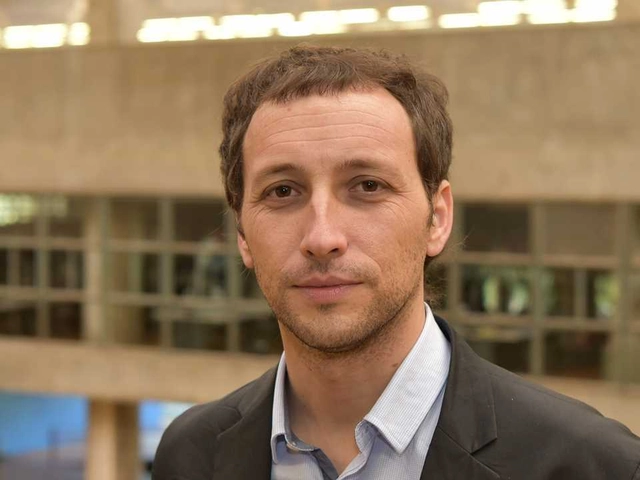
Award-winning architect Nicolas Valencia is the former Head of Editorial at ArchDaily, leading a global editorial team ---- @nicolasvalencia.cl | nicolasvalencia.cl | hellonicolasvalencia@gmail.com
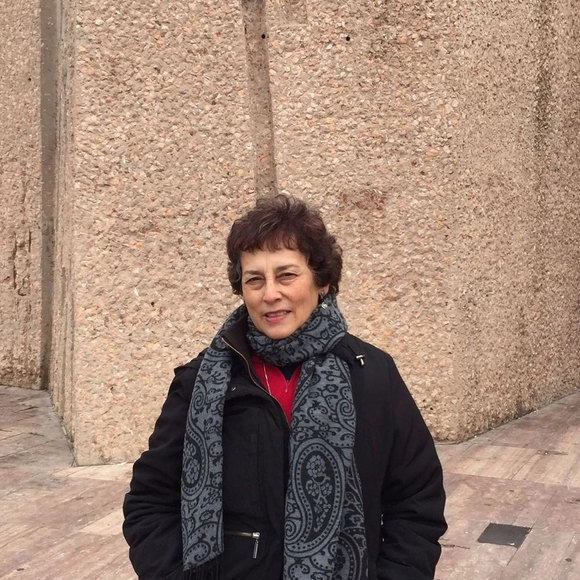
On Monday, April 16, Chilean architect María Isabel Tuca, a prominent academic and professional association leader, passed away in Santiago. In 2000, she became the second female president of the Chilean Association of Architects, following Eliana Caraball in the mid-1980s.
In an interview with the Chilean newspaper El Mercurio after taking office, Tuca recalled that despite the warnings of the nuns at her school ("that was a career only for men," they told her), she chose to study architecture at the University of Chile, graduating in 1965.
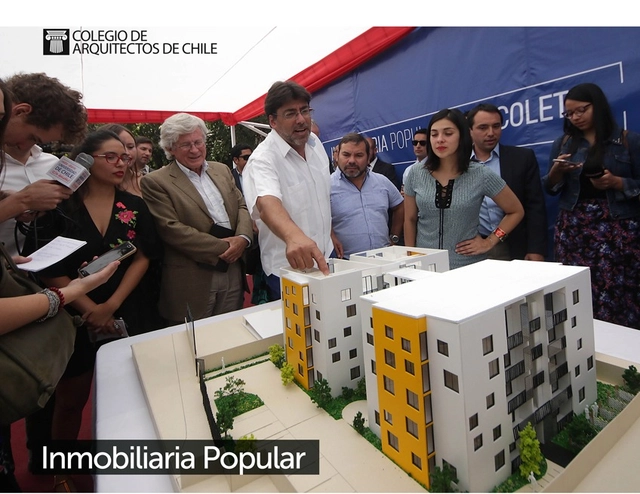
Today, Friday, April 13, starting at 10:00 AM (GMT -3) in Santiago, Chile, the mayor of Recoleta, Daniel Jadue, and 2002 National Architecture Award winner Juan Sabbagh will present the municipal Inmobiliaria Popular (Public Housing) project at the national headquarters of the Architects' Association (Colegio de Arquitectos).
Unveiled in late January of this year, the initiative—unprecedented in Chile—consists of the construction of two five-story buildings with a total of 38 apartments, each measuring 55 square meters, to be rented to vulnerable families in the municipality. Other municipalities in the Chilean capital—Renca, Macul and Las Condes—have already announced they will study replicating the model.
On Sunday, April 1, the 15th edition of the Latin American Social Workshop (TSL) concluded in Peru. This annual workshop brings together students and architects from across the Americas to analyze, reflect, design, and build public facilities over ten days in diverse Latin American contexts.
Known as XV TSL Puno, this edition took place in Chucuito, a Peruvian town situated at an altitude of over 3,800 meters (12,400 feet) on the shores of Lake Titicaca, near the city of Puno—the folklore capital of Peru. There, 250 students divided into three teams worked on landscape, public space, and heritage restoration projects, led by ENSUSITIO + Jhony Chávez, Ruta 4, and Lucio Torres, respectively.
Following the workdays, amidst coca leaves and fried trout, a recurring question arose during our conversations with the workshop participants: how can social architecture move beyond the photograph of children drawing and adults talking in a town hall meeting? Below, we present the reflections of four Latin American practices that participated in the TSL between 2017 and 2018.
Beatríz García Moreno. Image Cortesía de Beatríz García Moreno
For this edition of International Women's Day, we have joined forces with the Colombian print publication de-Arq (Universidad de los Andes) to explore the work of five contemporary Colombian women architects, who represent different complementary approaches within our discipline: design, research, teaching, and experimentation.
Today we speak with Beatríz García Moreno, a Colombian architect, professor in doctoral and master's programs at local universities, and a member of the World Association of Psychoanalysis. "Women contribute not only to the traditional areas of architecture for which they are fully trained, but also to the ancestral themes that have shaped their dwelling in the world," comments García Moreno.
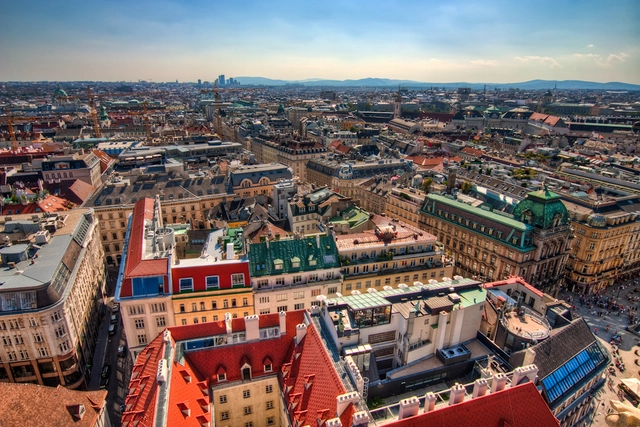
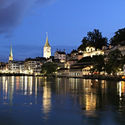
For the ninth consecutive year, Vienna has placed first in Mercer rankings on cities with the best quality of life in the world. Despite the current economic volatility in the European continent, the Austrian capital joins eight other European cities in the top ten.
This is the 20th edition of the Mercer Rankings. The consultancy, which specializes in advising multinational companies in the transfer of employees, evaluated more than 450 cities around the world. Their rankings take into account 39 factors divided into 10 categories, including political and economic environment, socio-cultural status, sanitation, educational and leisure opportunities, housing markets and natural disasters.
At the regional level, Vancouver (5th), Singapore (25th), Montevideo (77th) and Port Louis (83rd) are the highest ranking cities in North America, Asia, Latin America and Africa respectively. According to Mercer, the twenty cities with the best quality of life in the world are:
The entry of a new professional into the workforce brings work filled with dedication and innovation. John Octavio Ortiz, an award-winning architect at BAL 2017 and one of Latin America's most prominent young architects, shares in a TEDx Talk his field experience working with vulnerable communities in the comunas of Medellín, Colombia.
Projects are often designed based solely on analyses conducted within the architecture firm, where the area's systems and dynamics are modeled. This is a common pitfall not only in architecture but across various professions, as these proposals inevitably require countless modifications during the process of engaging with the local community.
At more than 3,800 meters above sea level and on the shores of Lake Titicaca, the city of Puno stands as the folklore capital of Peru, where architecture, archaeology, and dance intersect. It is not only home to the Candelaria festival—declared an Intangible Cultural Heritage of Humanity by UNESCO in 2014—but also sits just a few kilometers from the vast archaeological legacy of the Pucará and Tiwanaku cultures. Additionally, visitors can travel to the floating islands of Uros, Amantaní, and Taquile on the world's highest navigable lake.
Before going any further, if you are not accustomed to this altitude, we recommend drinking coca tea regularly or chewing coca leaves, which can be purchased at any local store. Furthermore, the weather can be highly unpredictable; a single day can bring sun, rain, and hail, so keep this in mind when choosing what to wear. Lastly, in Peru, streets that are at least ten blocks long, narrow, and usually one-way are called jirones (abbreviated as Jr.).
They say you shouldn't trust the sky of the Peruvian highlands: a clear blue sky can give way to a downpour or a hailstorm in a matter of hours. The students and workshop leaders of the XV TSL Puno—this year's edition of the Latin American Social Workshop, held in Chucuito, Peru—know this all too well. Throughout the week, they have been working to build three projects that will be handed over to the local community.
Landscape, heritage restoration, and public infrastructure are the three themes addressed by the Serpiente, Cóndor, and Puma workshops. Their projects, scattered across different parts of Chucuito, are being built at an elevation of over 3,800 meters (12,400 feet) above sea level. Organized by the Latin American Coordinator of Architecture Students (CLEA) in collaboration with the Peruvian Organization of Architecture Students (OPEA), the workshop will conclude this Sunday, April 1, with the public inauguration of the projects.
Here, we invite you to take a look at the progress of the teams participating in this edition of the TSL, the third to be held in Peru.
On Tuesday, March 20, the board members of the College of Architects of Chile met with the newly appointed Minister of Housing and Urbanism (MINVU), Cristián Monckeberg, along with Paz Serra, Head of the MINVU Urban Development Division, and journalist Sebastián Zúñiga, Chief of Staff.
They shared their professional experience in urban development and architecture and invited the Minister to establish a joint working group that could include other government agencies, civil society, and the private sector. The association presented six key areas of focus for this new presidential term:
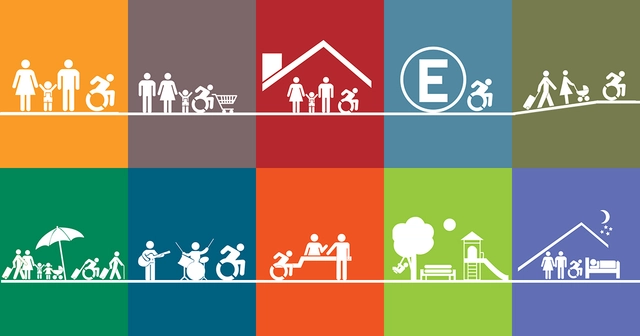
Since 2016, Chile has been undergoing a gradual transformation of its building regulations thanks to the enactment of the historic Decree 50 of the General Ordinance of Urban Planning and Construction (OGUC). This decree mandates a national standard for universal accessibility, ratifying both the Convention on the Rights of Persons with Disabilities (2008) and Law 20,422 (2010), which establishes standards for equal opportunities and social inclusion for people with disabilities.
This regulatory shift prompted the team at Corporación Ciudad Accesible to update their 14 “Accessible Fact Sheets,” now that compliance is a requirement rather than an option. "We want to achieve an accessible and universal vision where design envisions people beyond the traditional mold, so that those who do not move, see, hear, or understand the environment in conventional ways find the same opportunities and participation," explains their team.
Since 2016, we have joined forces with Spotify, the world's largest music streaming platform. Since then, we have created our own playlists for those moments in every architect's life. At the same time, we have invited architects from Latin America and Spain to share the music that inspires them, or even better, the sounds that have shaped their careers.
Following his participation in the first edition of the National Architecture Congress of Ecuador (CNAE), we spoke with Fredy Massad, an Argentine architect and critic based in Spain. In a highly attended lecture, he warned of what he sees as the danger posed by starchitects—self-made figures operating beyond the practice of architecture and laden with a thick emotional layer.
At the same time, the author of Crítica de Choquedescribed the current state of the discipline, linking populism, deglobalization, and architecture: arguing that the Pritzker Prizes awarded to Alejandro Aravena and RCR Arquitectes in 2016 and 2017, respectively, are linked to two types of political populism. According to Massad, one is associated with certain hegemonic leftist forces in Latin America over the last twenty years, while the other is shaped by the global idea of "returning to the village," citing Brexit, Marine Le Pen's National Front in France, and the Catalan independence movement as references for this latter trend.
Emilio De la Cerda. Image via LafargeHolcim Foundation
Emilio De la Cerda, director of the School of Architecture at the Pontificia Universidad Católica de Chile since 2014, has been chosen to assume the newly created position of Undersecretary of Cultural Heritage in the South American country's new Ministry of Culture, the Arts, and Heritage, an institution that began operations on March 1st.
Among his responsibilities, De la Cerda will coordinate the activities of the new National Cultural Heritage Service and will "propose policies, and design and evaluate plans and programs in areas related to folklore, traditional cultures, indigenous cultures and heritage, tangible and intangible cultural heritage, heritage infrastructure, and citizen participation in collective memory and heritage definition processes," according to the official regulations for the position.
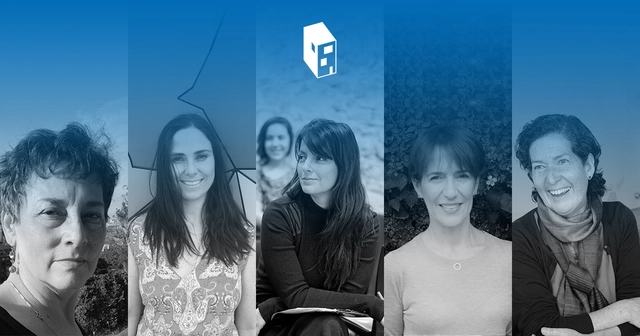
Beatríz García Moreno (left), María Paula González Bozzi, Lina Toro, Ana Elvira Vélez, María Cecilia O'Byrne. Image
In recent years, International Women's Day has reclaimed the political significance of its origins, bringing together some of the most recent discussions surrounding women: the gender pay gap, the exposure of sexual abuse through the #MeToo movement, and, in the specific case of our discipline, the visibility of women in architecture. Zaha Hadid went so far as to say that she felt "harshly judged for [the fact of] being a woman," despite winning the Pritzker Prize in 2004.
If that happened to her, imagine the rest.
In this regard, at ArchDaily we have opened up the discussion and are proud to highlight the work of women architects worldwide, in addition to partnering with interesting Latin American initiatives along the same lines, such as Un día, una arquitecta. For this edition of International Women's Day, we have joined forces with the Colombian print publication de-Arq (Universidad de los Andes) to showcase the work of five contemporary Colombian women architects, who represent distinct yet complementary approaches within our discipline: design, research, teaching, and experimentation.
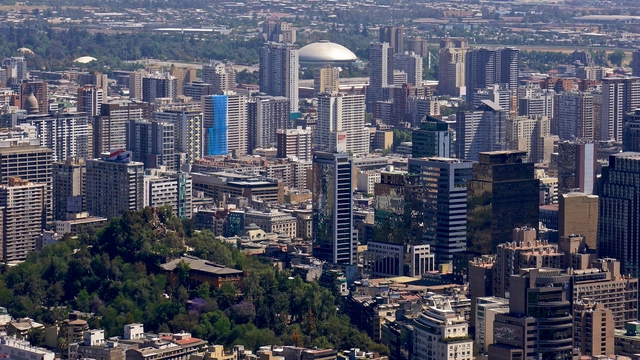
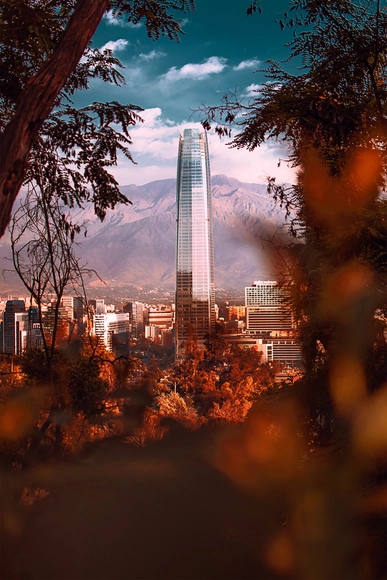
With over 11,000 Instagram followers, industrial designer Juan Cristóbal Lara(@eljuancri) has transformed his account into a photographic essay of Santiago, Chile. His main subjects are the Andes Mountains, San Cristóbal Hill, and the Mapocho River, all bathed in the rich palette of colors that the sky paints as the hours pass.
Here, we invite you to take a closer look at his work, his personal interests, and his vision of the city he photographs. "On Santiago's hills, you can grasp the magnitude of where you live; they offer the true scale of who each of us is in the city," Lara says.
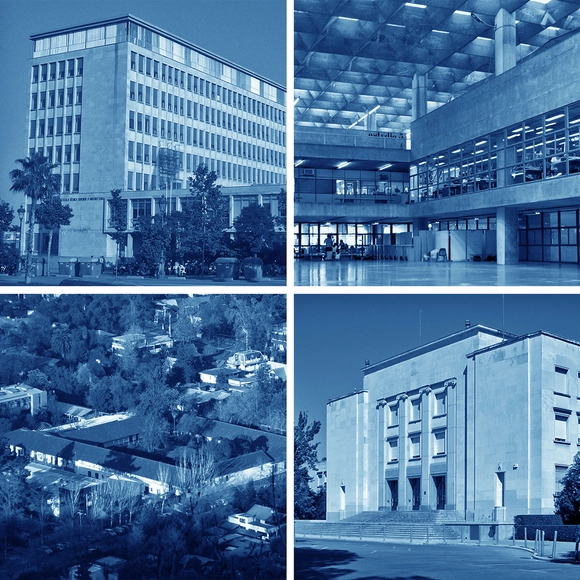
These are the best universities in 2018 to study architecture in Spain and Latin America. Image
On Wednesday, February 28, Quacquarelli Symonds (QS) released the 2018 edition of its annual ranking of the world's best universities. In the field of architecture, the Massachusetts Institute of Technology (MIT) in the United States once again leads the list for the fourth consecutive year.
In Latin America and Spain, the ranking has shifted once again compared to 2017: a Mexican university has broken into the top five, while Spain has expanded its representation at the expense of Brazilian institutions. Furthermore, two universities have entered the regional ranking in this edition. Discover the top institutions below!
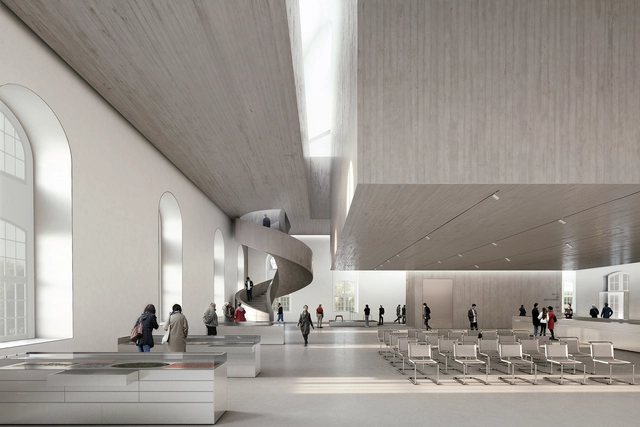
Spanish firm Nieto Sobejano Arquitectos has been awarded the design of the Archive of the Avant-Gardes headquarters in Dresden, Germany, after winning first place in the international competition. The project will rehabilitate and expand the historic Baroque Blockhaus building to house the archive donated in 2016 by Italian-German collector Egidio Marzona.
The competition jury, organized by the State of Saxony (Land), selected Nieto Sobejano's proposal from 28 finalists, following an initial selection of 103 European architects. Second and third place went to projects by Schulz & Schulz and Wandel Lorch, respectively. Honorable mentions were awarded to Diener & Diener, Rohdecan, and Riegler Riewe.
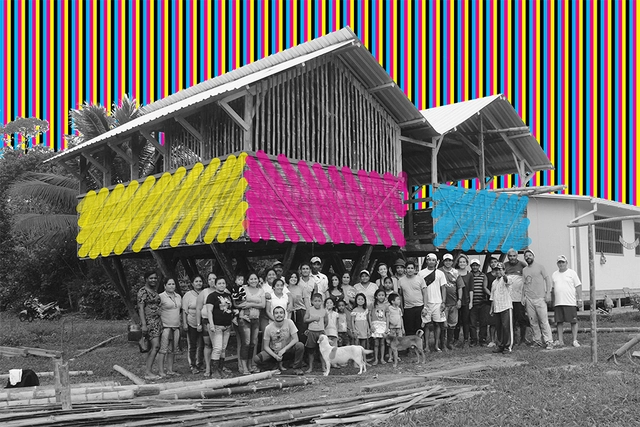
In 2016, Ecuadorian firm Al Borde designed Germany's pavilion at Habitat III, the UN's global conference on housing and sustainable urban development. The project was designed so that, once the event concluded, the materials could be reused for a social initiative. This concept caught the attention of the Mexican housing institution Infonavit, which invited Al Borde to repeat the exercise with its own pavilion.
This led to the creation of the Comedor de Guadurnal (Ecuador), a social project for one of the coastal communities severely affected by the 7.8-magnitude earthquake in 2016. "We asked our network who was working with an organized community that could benefit from a community facility project," the designers explain regarding the origin of their partnership with Taller General, a firm that had been working with the Guadurnal community and the Escuela 6 de Mayo on their reconstruction process.


.jpg?1523545445 "TSL Canoa 2017: Aula Colectiva Training and Entrepreneurship Center / TACTICO Taller de Arquitectura. Image © Nicolás Valencia")
.jpg?1523546713 "TSL Puno 2018: Hatun Tinkuy / ENSUSITIO + Jhony Chávez. Image © Nicolás Valencia")
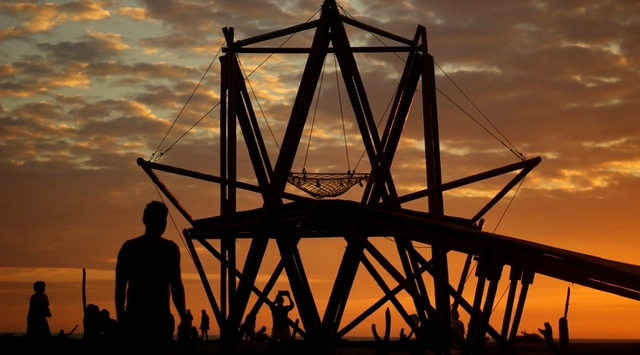
.jpg?1523546075 "TSL Canoa 2017: El Atrapasueños / Natura Futura Arquitectura + Ruta 4. Image © Nicolás Valencia")
.jpg?1523548272 "TSL Puno 2018: Taller Cóndor / Ruta 4 Arquitectura. Image © Nicolás Valencia")




.jpg?1522507595&format=webp&width=640&height=580)
.jpg?1522378238&format=webp&width=640&height=580)