Award-winning architect Nicolas Valencia is the former Head of Editorial at ArchDaily, leading a global editorial team ---- @nicolasvalencia.cl | nicolasvalencia.cl | hellonicolasvalencia@gmail.com
The election of Kéré is not only symbolic in a time of identity demands, where the institutions that make up the mainstream are required to more faithfully represent the social, cultural, and sexual realities that make up our societies, but it also confirms the recent approach of the Pritzker Prize jury.
As part of our yearly tradition, we have asked our readers who should win the 2022 Pritzker Prize, the most important award in the field of architecture.
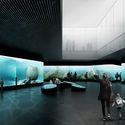
Testimonial Spaces, the theme of Chile's pavilion at the recent Venice Biennial 2021, opened to the public on the 18th of January at Santiago's Museum of Contemporary Art.
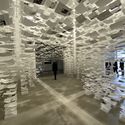
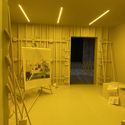
Curated by architects Emilio Marín and Rodrigo Sepúlveda, Testimonial Spaces brings together 525 paintings based on testimonies and everyday stories from the José María Caro neighbourhood in Santiago, in line with "How will we live together?", the theme of the biennial curated by Lebanese architect Hashim Sarkis.
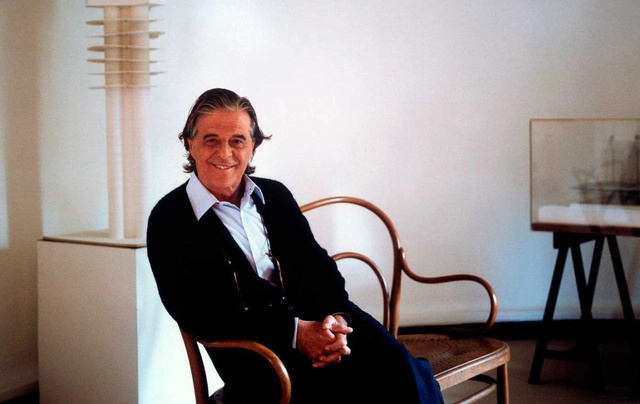
Ricardo Bofill, the Spanish architect founder of Taller de Arquitectura (RBTA), designer of the iconic Walden 7 and more than 1,000 projects in forty countries, has passed away at 82 in Barcelona on Friday, January 14, as officially announced by his own firm through a statement.
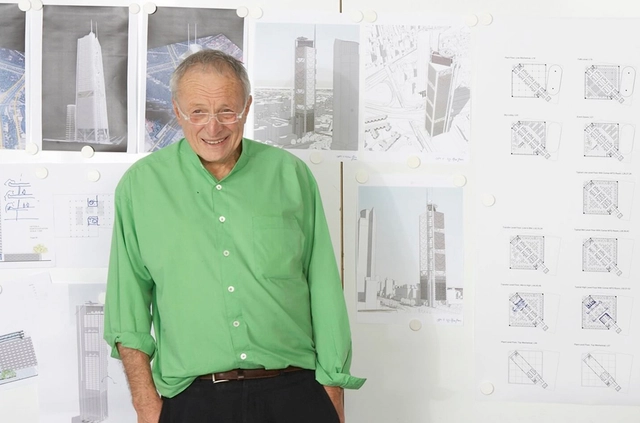
Richard Rogers, the fourth British architect to be awarded the Pritzker Prize, has passed away at 88 on Saturday, December 18, as reported by The New York Times.
Led by American Lebanese architect Hashim Sarkis, the jury of the global Holcim Awards for Sustainable Construction has announced the winners of the sixth edition of the global competition at a handover ceremony at the 2021 Venice Biennale in Italy.
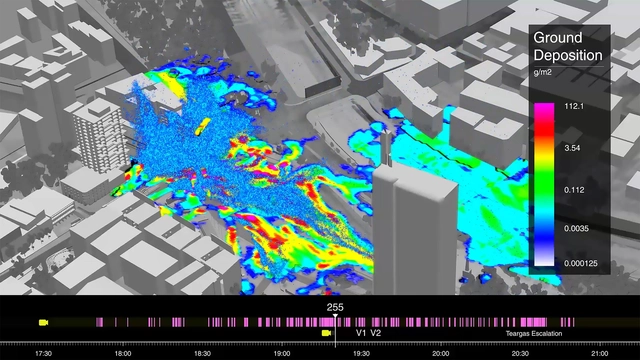
Analysis of tear gas levels in Plaza Italia/Plaza Dignidad (Santiago, Chile) based on footage from Galeria Cima. Image Courtesy of Forensic Architecture
On October 18, 2019, a 4-cent increase on Santiago's Metro fare caused an uproar on the streets of the Chilean capital. The citizens' anger escalated quickly, leading to demands of immediate structural changes in the Chilean economic and social system. Alongside the people's call for change, daily clashes between protesters and the police led to excessive use of tear gas by the latter across the country.
Even though the use of tear gas is banned in warfare since 1925, police worldwide are allowed to use it for the sole purpose of scattering protesters, as had happened in Chile. The most iconic example can be seen in Plaza Dignidad (Dignity Square), previously known as Plaza Italia ahead of the social outbreak that erupted in the country: everyday, a camera records the activities around the iconic roundabout, capturing the constant and excessive use of lachrymatory gas every Friday.
This year both organizations have defined themes related to improving the quality of life and reducing the effects of the climate crisis by taking action in the built environment. While the International Union of Architects' 2021 World Architecture Day theme is "Clean Environment for a Healthy World", UN-Habitat's World Habitat Day has announced "Accelerating Urban Action for a Carbon-Free World" as their topic.
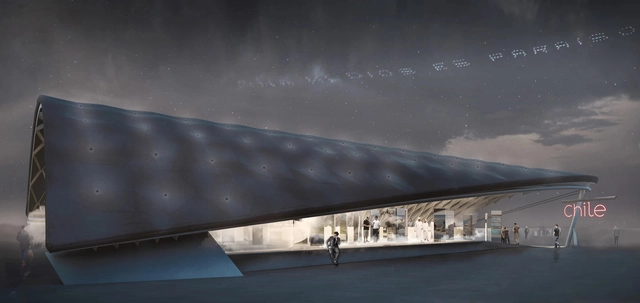
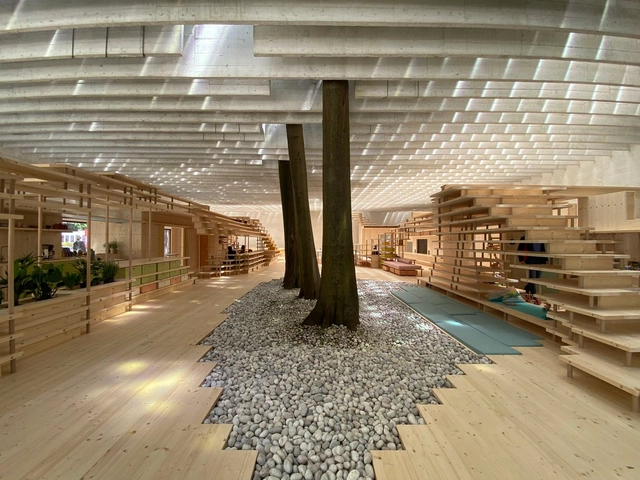
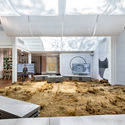
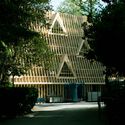
The proposal consisted of traveling a modular oak lamella shed to Dubai, originally built in Chile back in the mid-twentieth century. At the time of its official presentation in 2019, the architects defined the project as "a primitive mark on the ground, as nomadic tribes have done for centuries in this now globalized desert [Dubai]. This physical and cultural dimension is necessary to adapt the pavilion as a friendly and austere space."
Chile is a country used to natural disasters as much as to the reconstruction process. However, the frequency of these cycles has increased over the years. According to the Ministry of Interior (Homeland), 43% of all natural disasters recorded in Chile since 1960 happened between 2014 and 2017. In fact, the government is already involved in several reconstruction processes across the country.
Four years later, Chile's Ministry of Social Development has given the green light to the 33,000-square-meter (355,200-square-foot) project after reviewing the technical requirements, as local media reported on August 3.
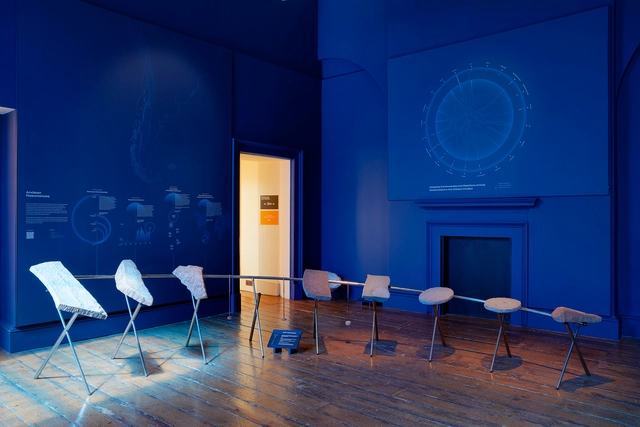
London Design Biennale 2021 Medal: Chile - Tectonic Resonances. Image Courtesy of ER
The jury of the London Design Biennale 2021 has announced today June 24 the winning pavilions to the third edition. Responding to artistic director and curator Es Devlin's theme ‘Resonance’, the Biennale brings together over 30 pavilions to showcase how design can provide solutions to the challenges of our times, from sustainability to globalization, to migration to the future of humanity.
“The winners of the 2021 London Design Biennale Medals truly illustrate the importance of design thinking to help bring social change and economic growth across the world," said John Sorrell, President of the London Design Biennale. While Victoria Broackes, Director of the London Design Biennale, stated the winners "clearly demonstrate how brilliant design can be in telling complex stories that communicate directly to hearts and minds."
The 2021 edition of La Biennale di Venezia also includes 112 participants in competition from 46 countries, with 60 national participants in the Giardini, at the Arsenale, and in the historic city center of Venice, Italy. Moreover, the international exhibition welcomes three countries, being part of the most important architectural biennale of the world for the first time: Grenada, Iraq, and Uzbekistan.
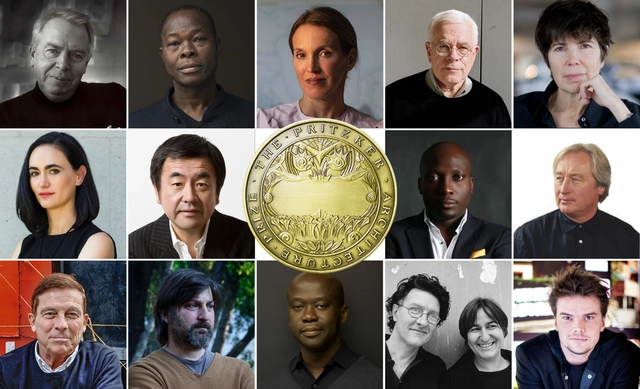
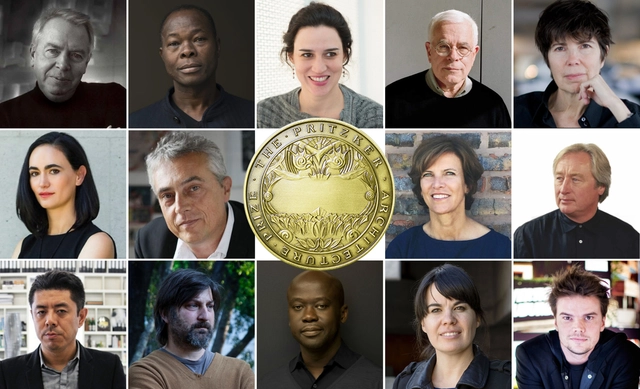
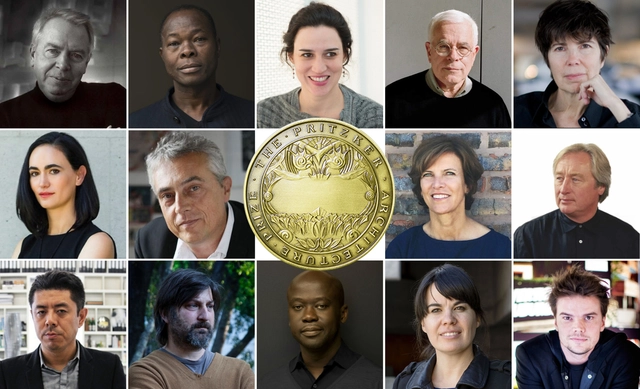
Some of the potential winners of Pritzker Prize 2021, according to our readers. Image
Since the winner(s) of the Pritzker Prize 2021 will be announced on Tuesday, March 16th, we have asked our readers who should win the most important award in the field of architecture.


.jpg?1647823485 "Gando Primary School Extension / Kéré Architecture. Image © Erik Jan Ouwerkerk")
.jpg?1647822667 "Serpentine Pavilion / Kéré Architecture. Image")
.jpg?1647822697 "Startup Lions Campus / Kéré Architecture. Image")
.jpg?1647823274)


.jpg?1642168917&format=webp&width=230&height=230&crop=true)
.jpg?1642169030&format=webp&width=230&height=230&crop=true)




.jpg?1562105063&format=webp&width=640&height=580)
.jpg?1562105063)




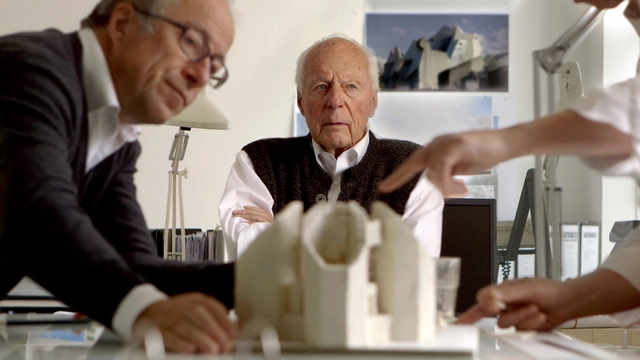
.jpg?1623359381 "Neviges Pilgrimage Church. Image © Laurian Ghinitoiu")
.jpg?1623359479 "Neviges Pilgrimage Church. Image © Laurian Ghinitoiu")