Content Editor at ArchDaily Mexico. Architect by UNAM (2018). Her interests focus on exploring the relationship of the body with architecture through dance. She has collaborated with different international choreographers who explore dance and architecture as an event. Twitter / Instagram: @monicarellano_
On June 5, 2019, the College of Architects of the State of Oaxaca, a member of the Federation of Architects of the Mexican Republic (FCARM), officially launched the call for entries for the First Oaxacan Architecture Biennale 2019. The initiative aimed to showcase and promote architecture developed within the state, elevating Oaxacan architecture to a national stage. For this inaugural edition, the jury consisted of architects Aldo Paul Ortega Molina, Victor Sánchez Ruz, Prometeo Alejandro Sánchez Islas, Miquel Adriá, and Andrea Griborio.
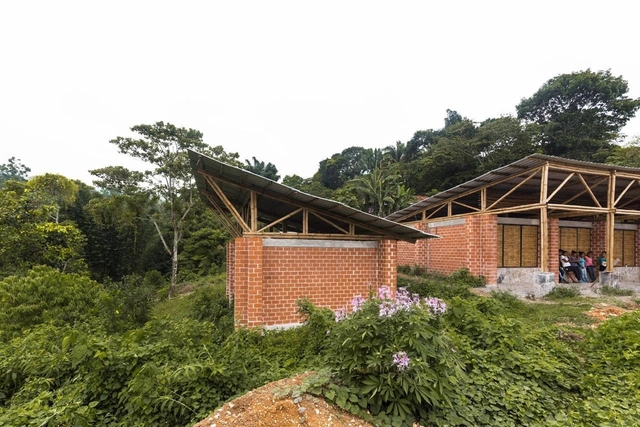
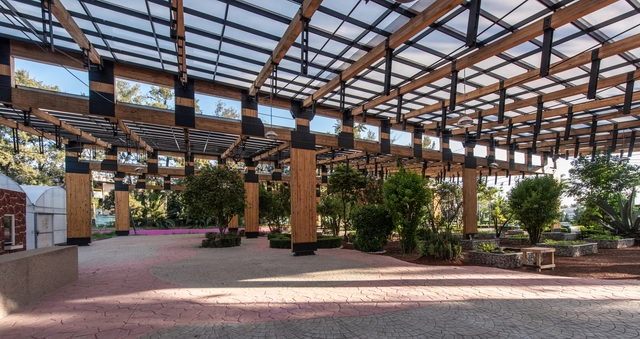
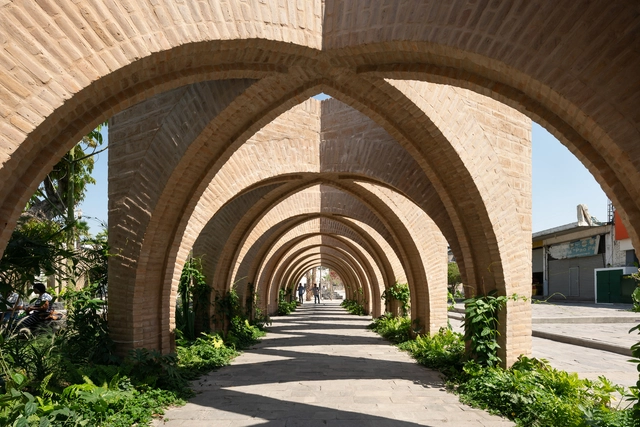
The Mexican architecture firm Comunal Taller de Arquitectura has been announced as the winner of the 2019 AR Emerging Architecture awards, alongside two highly commended practices—Estudio MMX and Estúdio Gustavo Utrabo—and the joint winners of the Peter Davey Prize, TAKA Architects and Clancy Moore Architects.
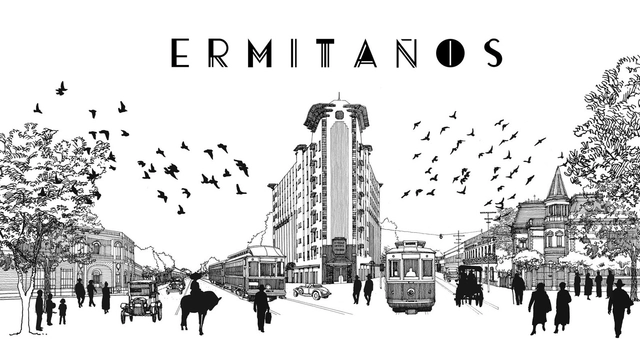
Designed by architect Juan Segura and built in 1930, the Ermita Building in Mexico City is considered one of the most influential works of Mexican architecture from the first half of the 20th century. From its inception, it was one of the first buildings to incorporate mixed-use spaces, featuring ground-floor retail, a cinema, and apartments of various sizes.
Today, Mexico’s contemporary architecture scene is shaped by architects who work daily to address the evolving conditions of their surroundings. Various events—such as the 2017 earthquakes—have brought critical issues to the forefront, prompting a rethinking of the profession at different levels, gathering lessons that have redefined the role of the discipline and, above all, the place that architectural objects occupy in the world. This paradigm shift has heightened architects' awareness regarding materiality, regional processes, and urban issues, opening up space for the collective. This involves multidisciplinary teams providing new answers but, above all, asking new questions.
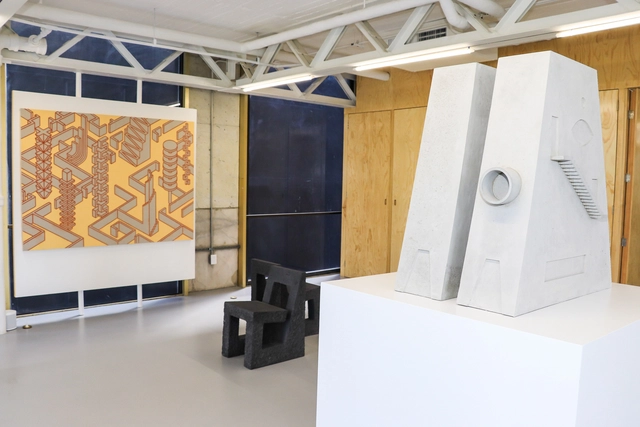
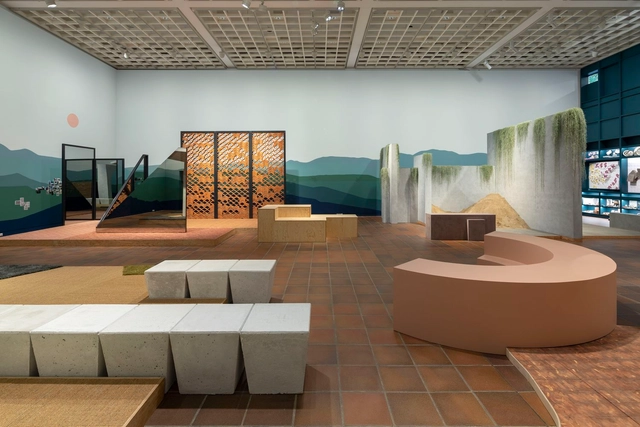
On November 23, Mexican artist Pedro Reyes presented projects from his architectural and design practice for the first time. The exhibition features chairs, tables, bedroom furniture, tiles, and small-scale architectural models that showcase a distinct architectural language that has evolved in recent years.
On Tuesday, November 19, 2019, the College of Architects of Mexico City and the Society of Mexican Architects (CAM-SAM) held a ceremony to recognize the contributions of architecture to Mexican society over the last two years, presenting the 2019 CAM-SAM Awards.
The history of the spaces presents an important diversity throughout the world, which corresponds to different geographical, economic and cultural moments and conditions. Technology plays an important role since the constructions through which time has passed also work with a kind of sample that breaks down all the advances and ambitions in force of the time, leaving reflections that it are important to keep today.
Mexico City’s vecindades (traditional tenement housing) are urban settlements located primarily in the downtown area. According to the National Institute of Anthropology and History (INAH), these buildings first emerged in the late 18th century, though their peak occurred during the 19th century as a result of rapid population growth, serving to provide affordable housing for the city's most marginalized sectors.
As part of the cultural program of the Abierto Mexicano de Diseño, which opened in October 2019, the Franz Mayer Museum and Nouvel present InVisible: Glass Design, an exhibition featuring over 500 pieces that offers a focused look at the technical, formal, and stylistic possibilities of glass, one of the most fascinating materials. The exhibition features pieces conceptualized by artists such as Jan Hendrix, Perla Valtierra, Edgar Orlaineta, Julie Richoz, Mauricio Lara, Brian Thoreen, and Frida Escobedo, among other prominent designers.
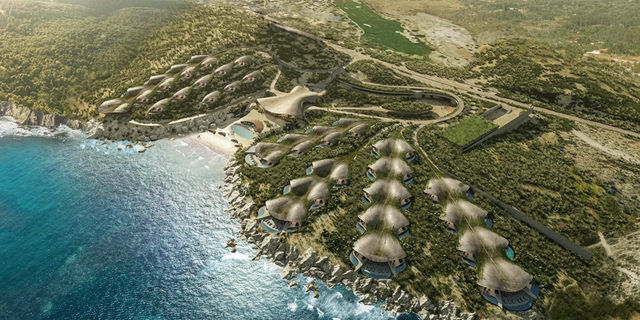
The large biological reserves located in La Paz, Baja California Sur in northern Mexico have made this destination one of the most significant for ecotourism and its proximity to the United States has accelerated its development in recent years.
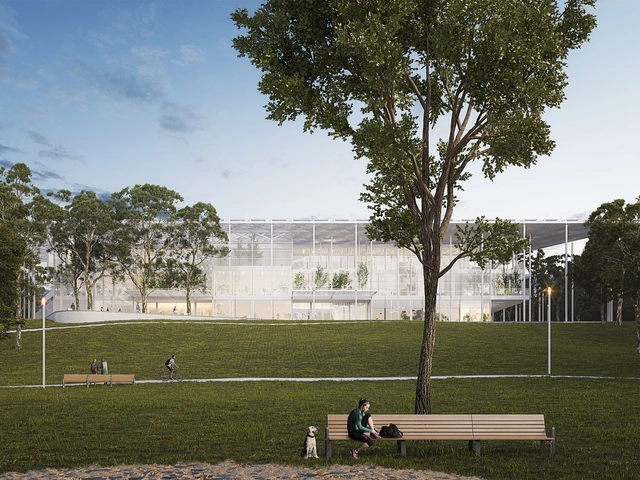
The Houston Endowment and the organizers of the Malcolm Reading Consultants (MRC) contest announced that the team led by Kevin Daly Architects (KDA) and PRODUCTORA, in collaboration with TLS Landscape Architecture, won the international competition to design the new headquarters for the foundation. The winning proposal stood out as a dynamic response to the architectural and landscape tradition of Houston.
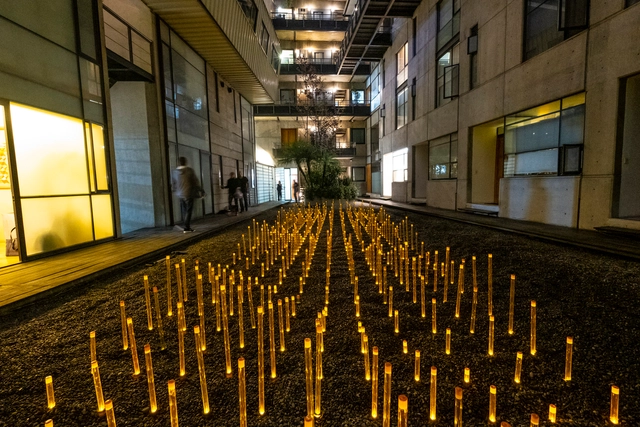
Each year, to mark one of Mexico's most important celebrations, architect Miguel de la Torre designs an installation that takes place on November 1 and 2. During this holiday, cempasúchil flowers—a plant native to Mexico that blooms in the fall—are used. According to a tradition dating back to pre-Hispanic times, yellow and orange cempasúchil petals are used to mark the path for the deceased during their visit, as they are believed to hold the light and warmth of the sun's rays.
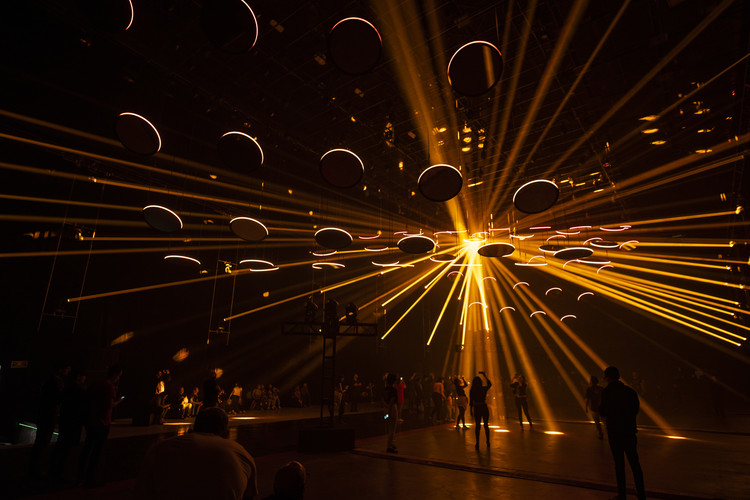
SKALAR is a large-scale art installation designed by light artist Christopher Bauder and musician Kangding Ray. Following its resounding success in Berlin, the work arrives in Mexico City for the first time as part of a collaboration between MUTEK MX, Noiselab, and the German studio WHITEvoid. The installation lasts approximately 45 minutes and is open to the public Monday through Sunday. Additionally, it will feature special shows with live performances by its creators, offering attendees an artistic and audiovisual experience distinct from the continuous loop.
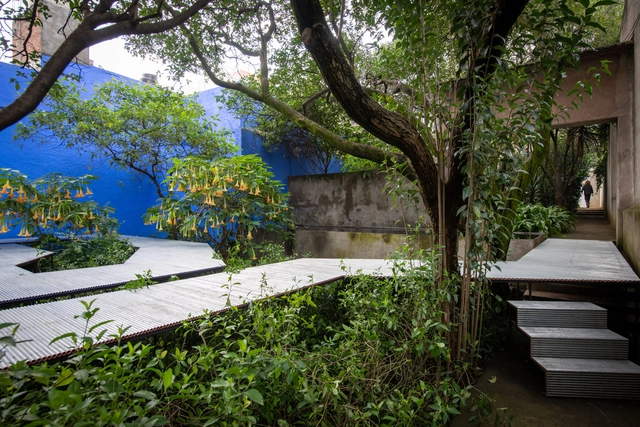
As part of the cultural program of Jardín 17 –a space designed by Luis Barragán as an extension of his House-Studio that for 20 years has hosted various universities from around the world to present major design and architecture exhibitions–, Japanese architect Go Hasegawa presents 'Flying Carpet,' a pavilion suspended in a corridor amidst the vegetation originally planted by Luis Barragán and later intervened by Mexican architect Alberto Kalach.



.jpg?1575054978&format=webp&width=230&height=230&crop=true)



-20180529.jpg?1574888445 "DPS Apartments / Estudio MMX + Olga Romano. Image")