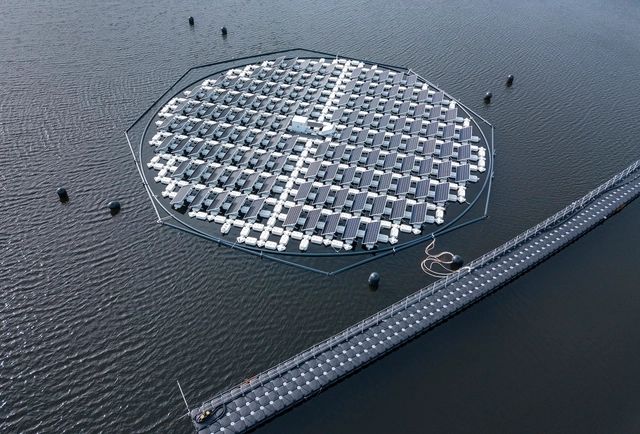
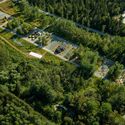
A floating solar farm capable of tracking the sun's rays is being tested in the Netherlands. The prototype, dubbed Proteus, was selected as a finalist for the European Inventor Award, which celebrates the best and most innovative inventions.
Although it was not chosen for the European award, the plant demonstrated its technological potential. Its panels rotate slowly on two axes, using mechanical, geospatial, and light sensors to precisely track the elevation of the sun's path as it moves from east to west. This increases the farm's energy production capacity, allowing it to generate around 73 kilowatts of power.
In the future, the product can be applied in carbon-neutral buildings. Photo: Helene Sandberg
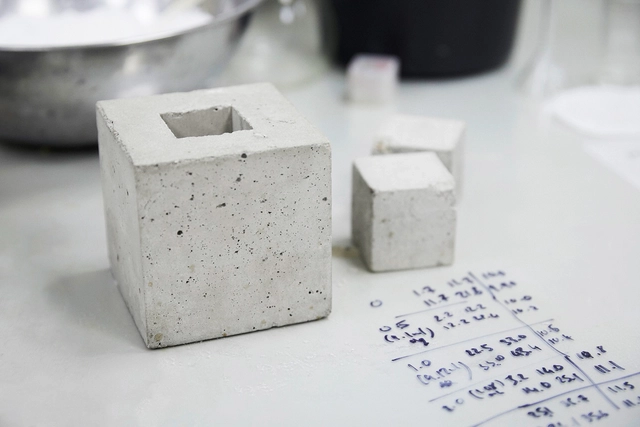
A carbon-neutral concrete prototype has just won the 2022 Obel Award. The solution aims to mitigate the environmental impact of the construction industry, which is responsible for 38% of all energy-related CO2 emissions, according to a UN report.
Dubbed Seratech, the material was developed by two PhD students from Imperial College London, Sam Draper and Barney Shanks. They discovered a simple way to eliminate concrete's CO₂ footprint: replacing part of the concrete's cement content with a type of silica created from carbon dioxide (CO₂) captured from factory smokestacks.
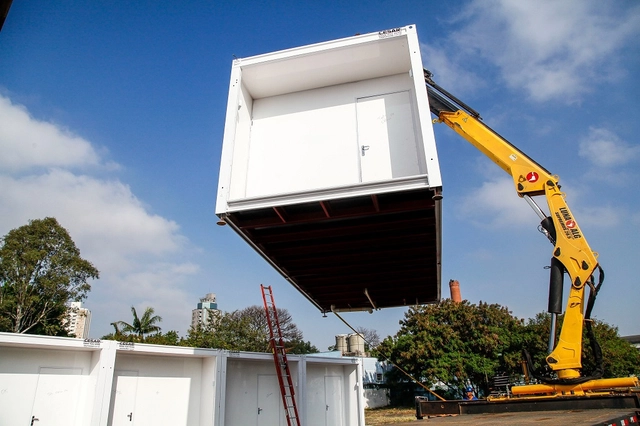
Modular units will house people experiencing homelessness in São Paulo. The project, named Vila Reencontro, was launched in the Bom Retiro neighborhood—though the proposed site is currently being analyzed for potential soil contamination—and is now expanding to Ladeira da Memória Street, near the Anhangabaú Metro station in the city center.
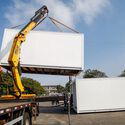
Led by SMADS (Municipal Secretariat of Assistance and Social Development), the initiative provides temporary housing made from shipping containers, functioning as modular metal homes.
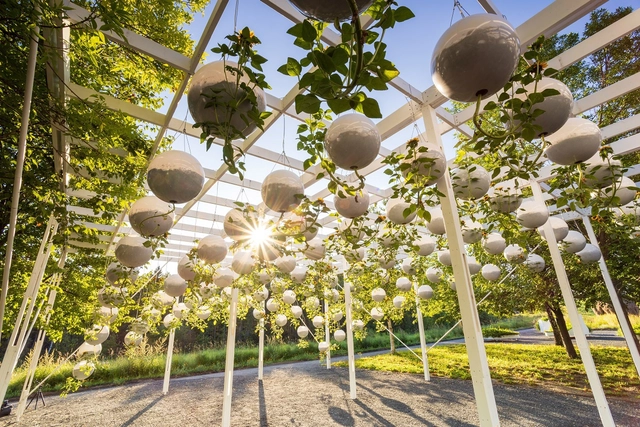
The International Garden Festival is launching a call for proposals for its 24th edition, to be held in June 2023. Gardening and land art enthusiasts are invited to apply—the selected projects will be featured in the temporary gardens of Les Jardins de Métis, also known as Reford Gardens.
In 2021, more than 60,000 visitors explored 25 garden installations under the theme "adaptation," in reference to the pandemic. Following the peak of the COVID-19 pandemic, the festival returns with the theme "roots" and aims to highlight traditional knowledge. Designers are invited to imagine an environmentally, economically, and culturally responsible present and future based on the teachings of past generations.
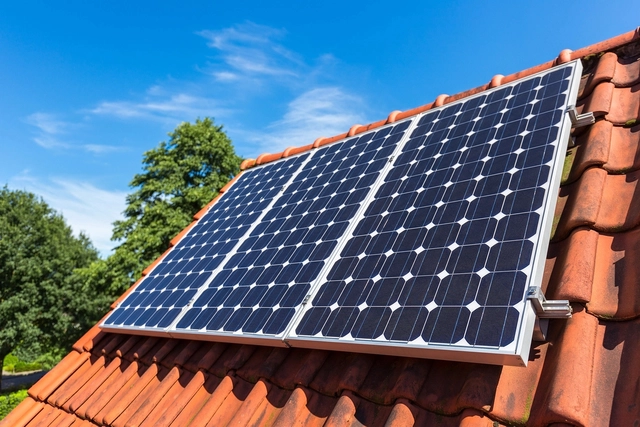
In January of this year, a legal framework for distributed micro- and minigeneration of energy was established under Law 14,300/2022. The text ensured that the sector's previous rules would be maintained until 2045 for existing solar installations and new customers within a 12-month window. Now, with only three months left in the year, the topic is back in the spotlight, as the deadline to secure benefits like exemptions from certain tariff components is fast approaching.
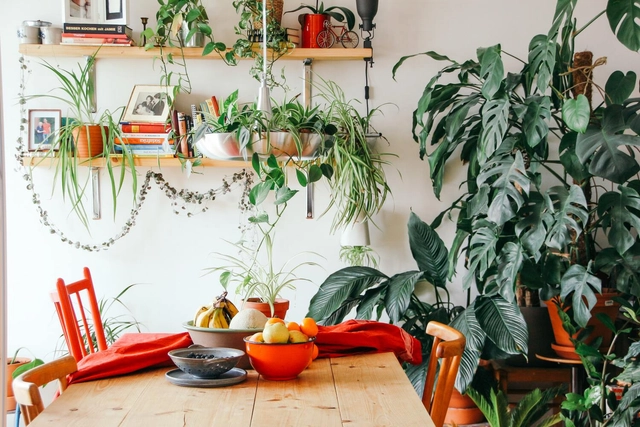
The importance of connecting with nature is the subject of numerous studies. Research by the Harvard T.H. Chan School of Public Health indicates that living near woodlands, parks, and gardens is associated with a lower risk of developing kidney and respiratory diseases, as well as reduced rates of depression. However, those living in major urban centers cannot always bridge this gap, whether due to a lack of parks, a shortage of time, or simply the distance to the nearest green space. In such cases, an alternative is to bring nature indoors, relying on the power of plants as an integral part of home decor.
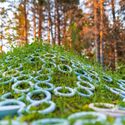
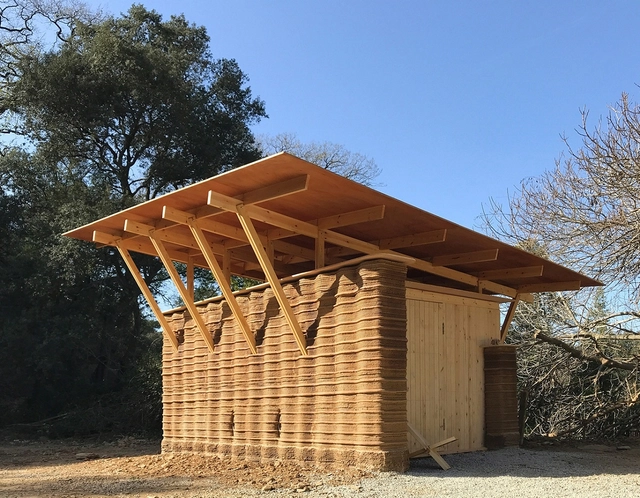
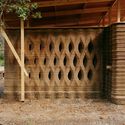
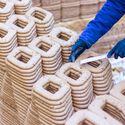
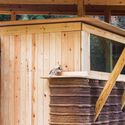
Combining new and old construction techniques, researchers from the Institute for Advanced Architecture of Catalonia (IAAC) have built a small earthen structure using 3D printing. It is the first project of its kind in Spain.
“This prototype represents a bridge between the past – vernacular earth architecture – and the future – large-scale 3D printing technology – which will not only help reshape the architecture of the future, but will also be highly useful in addressing the current climate and housing crisis worldwide,” states the Institute.
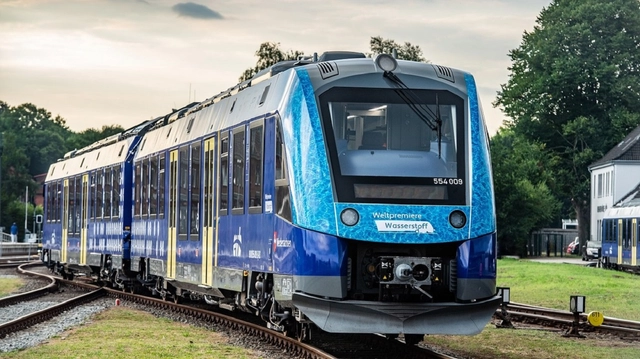
The world’s first hydrogen-powered passenger train service has begun operations in Germany. The 100% hydrogen-fueled rail line debuted in the small town of Bremervörde, near Hamburg. A total of 14 trains will replace diesel locomotives across nearly 100 kilometers of track in the northern part of the country. In addition to Bremervörde, the regional line serves the cities of Cuxhaven, Bremerhaven, and Buxtehude.
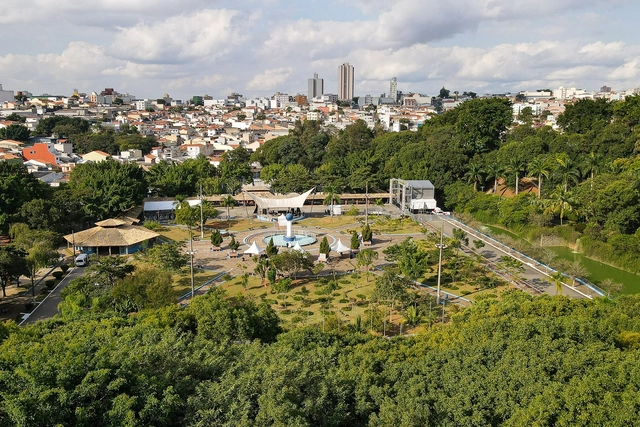
São Caetano do Sul, in São Paulo's ABC region, tops the ranking of the country's most sustainable cities. The unprecedented survey reveals that the city, already known for leading the HDI (Human Development Index) in Brazil, is now first among the 5,570 Brazilian municipalities regarding the implementation of the UN's SDGs (Sustainable Development Goals).
Lisbon city counsil almost unanimously approved the proposal of free public transport for young people up to 18 years old, higher education students up to 23 years old and people over 65 years old.
This free pass, which should encourage the use of public transport, is valid for residents of the city. The decision was announced by the mayor Carlos Moedas.
The canals of Amsterdam, the capital of the Netherlands, span more than 100 kilometers and are not immune to plastic pollution. However, a clever invention has arrived in the city to address this issue: “The Great Bubble Barrier,” a technology that creates bubbles in the water to make collecting plastic waste easier.
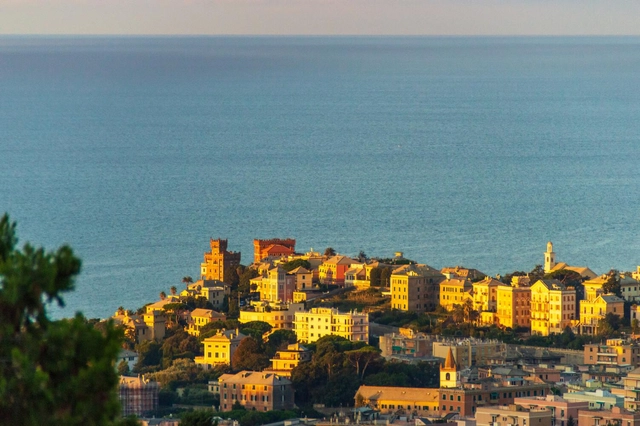
Genoa, Italy. Photo by Philip Schroeder via Unsplash
At the end of 2021, the port city of Genoa, Italy, introduced free public transit. Following the success of the initiative, the experiment, originally scheduled to end on March 31, 2022, was extended for another four months.
Vertical transit systems (such as elevators and funiculars) will remain free seven days a week with no time restrictions, while free subway access is available during two specific windows: daily from 10:00 a.m. to 4:00 p.m. and from 8:00 p.m. to 10:00 p.m. This free access will be valid until July 31.
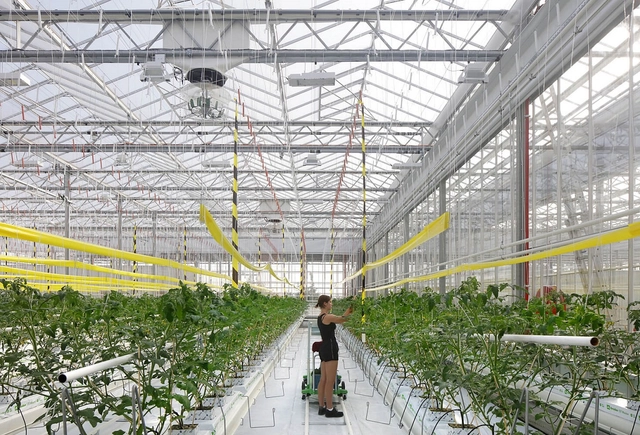
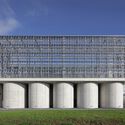
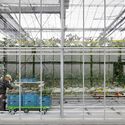
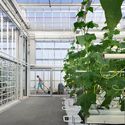
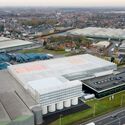
Europe's largest research center for urban food production has opened in West Flanders, Belgium. Named Agrotopia, the space is a giant greenhouse where innovative urban horticulture techniques will be applied.
Vegetables and fruit trees are being planted across the 6,000-square-meter cultivation area. The space is divided into four climate zones, allowing for the cultivation of diverse species.
Whittier Heights Village. Photo: Low Income Housing Institute, via CicloVivo
A small community of tiny homes has been built in Seattle, Washington, with the goal of helping homeless women transition back into stable shelter. What makes the project even more remarkable is that Whittier Heights Village was built entirely by female volunteers.
The site is tucked away between a bank parking lot and a four-story apartment complex in the Ballard neighborhood. The fenced-in lot features 16 tiny homes capable of temporarily sheltering up to 20 women at a time.
Residents of the Brussels-Capital Region in Belgium will receive up to €900 to deregister their vehicles. The initiative is part of "Bruxell’Air," a financial support program for those looking to adopt alternative modes of transportation.
Favela Marte, located in São José do Rio Preto, in upstate São Paulo, will be the first community in Latin America to be fully powered by solar panels. The site will serve as a model for a broad project that promises to generate income and social development for its residents.
Known as Vila Itália, the community began to emerge in 2014. For several years, the residents were the target of lawsuits aimed at evicting them from the private land. A turning point came when the area was chosen to serve as a model for the “Favela 3D” project—standing for dignified, digital, and developed environments.
A recent study revealed that, since 2014, marine heatwaves have become “the new normal.” The climate crisis is no longer a concern for the distant future. Extreme events are increasingly common; one only has to follow the news. While it may seem that public officials are being caught off guard, scientists have long warned of the need to focus on sustainable development.
Good examples are still few and far between, but they do exist. At COP26, a comprehensive guide featuring proven strategies to achieve urban cooling was launched.
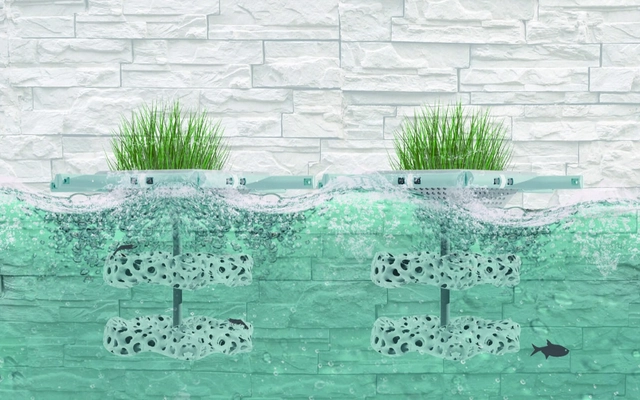
Students at Tunghai University in Taiwan have designed a type of artificial coral reef. The proposed structure is made of 3D-printed eco-friendly ceramic to help revitalize urban rivers.
While natural corals are irreplaceable and essential to ocean health, this 3D-printed structure has a specific mission: to provide shelter for aquatic organisms. This alone can help sustain various species.