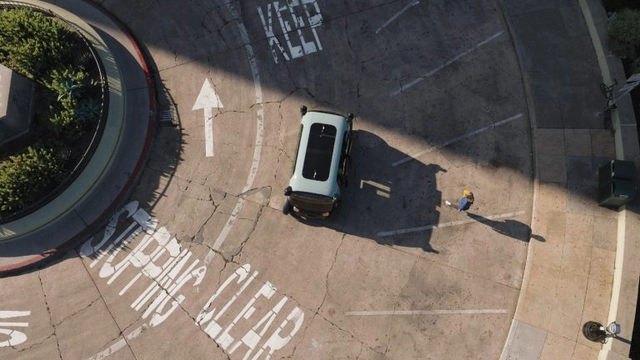
In 2020, US-based startup Zoox revealed the prototype of its autonomous electric vehicle. Now, the robotaxi is entering an advanced testing phase in California.
Resembling a minivan, the vehicle is tall, boxy, and features sliding glass doors. Its large wheels and rounded corners stand out, giving it a cartoonish appearance.
Achieving greater independence in energy generation is one way to offset rising electricity bills. Consequently, small-scale renewable energy systems are becoming increasingly common. In Sorocaba, in the state of São Paulo, the startup Vida Maker has developed a micro-power plant that can be powered by solar panels, wind energy, and hydroelectric generators.
Operating as a generator, the system can serve as a power source for electronics, household appliances, and lighting.
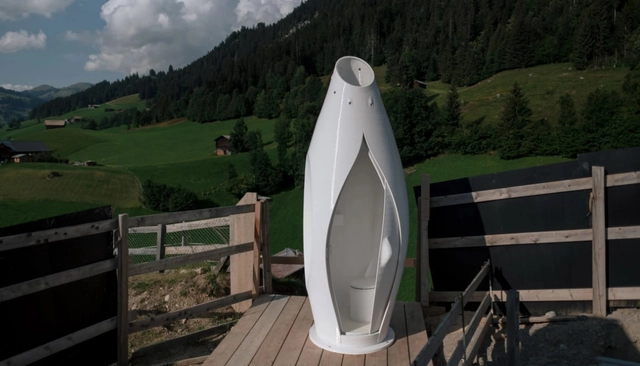
Spanish studio Nagami used discarded medical equipment to create a portable toilet. The plastic material was melted down for 3D printing. On a large scale, the project could provide an alternative for deploying public toilets wherever needed.
The toilet took only three days to complete. The structure consists of three main parts: the oval-shaped body, a sliding door, and the toilet bowl. Beyond the technology, the project's design is noteworthy. Unlike conventional chemical toilets, this one is “aesthetically pleasing.”
A type of garden roof tile has been developed by a Dutch company. This “two-in-one” product promises to transform any conventional roof into a green oasis, bringing several benefits to residents.
Unlike traditional green roofs, where plants must be installed on top of the structure, these tiles come with the vegetation already “built-in.” Each unit is covered with a mix of sedum and substrate. Best of all, they require very little maintenance.
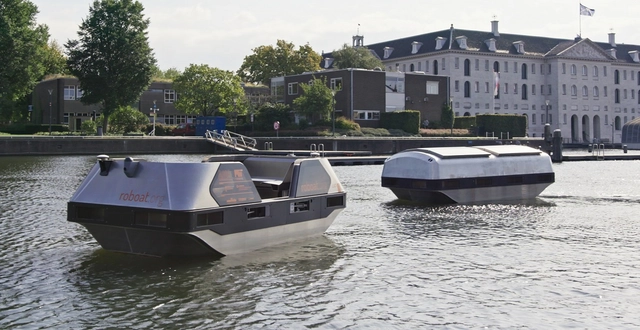
With a canal network spanning over 100 kilometers, Amsterdam has just unveiled a fully electric, autonomous boat. Designed to operate as a water taxi, the vessel can transport up to five people at a time.
Named Roboat, the vehicle can operate uninterrupted for 10 hours without a pilot on board. Charging is done wirelessly, via proximity and without human intervention. Other integrated technologies include sensors and 360-degree cameras powered by artificial intelligence.
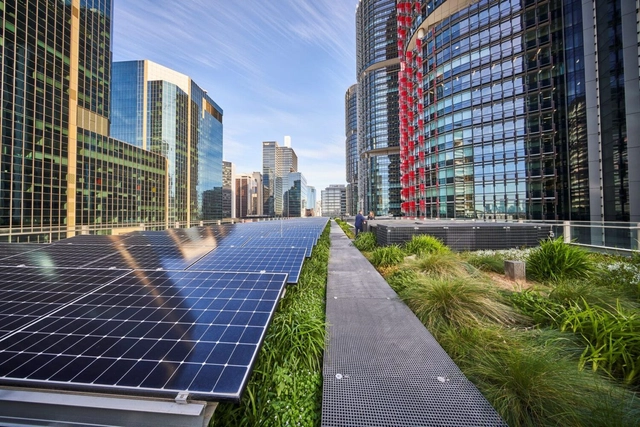
A study conducted in Australia has proven that green roofs help increase the efficiency of solar panels. Essentially, the panels perform better when they do not get too hot.
The study analyzed two identical office buildings located side-by-side in Sydney. One was equipped with a conventional photovoltaic solar system, while the other featured solar panels surrounded by vegetation. Both systems were monitored over an eight-month period spanning both summer and winter.
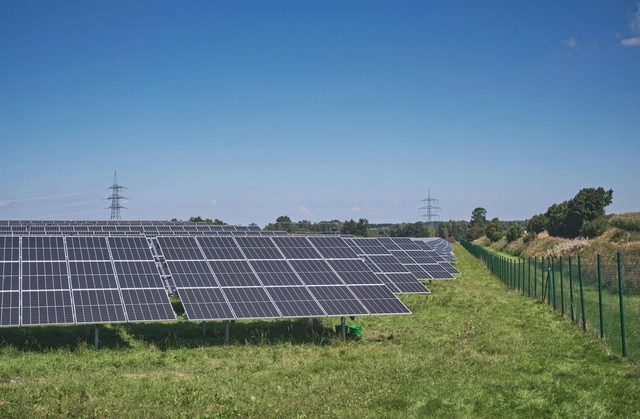
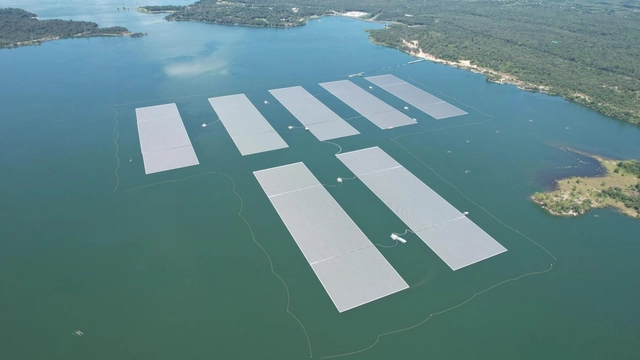
A large floating solar farm has begun operations in Thailand. Solar cells installed on the water's surface harness sunlight during the day, while three turbines convert hydropower at night.
The system combines two types of renewable electricity generation at the Sirindhorn Reservoir in Ubon Ratchathani province, located about 660 kilometers from the capital, Bangkok. A total of 145,000 solar panels have been installed. The 45 MW of peak power produced by the project complements existing dam operations, which can generate an additional 36 MW and supply electricity to three provinces in eastern Thailand.
Imagine housing strangers in your backyard. Some time ago, the idea might have sounded absurd, but the boom in the tourism market (before the pandemic) made alternative lodging options, such as CouchSurfing and Airbnb, highly sought-after. In Seattle, Washington's largest city, a project is seeking volunteers willing to open up their backyards to install tiny shelters. Unlike programs aimed at young travelers, this initiative has a social purpose: the goal is for people to actually live in these spaces.
The *Block Project* was conceived by architect Rex Hohlbein after he opened up his own property to house a homeless artist. For Hohlbein, the community must get involved if it wants to solve the housing crisis affecting major cities. Seattle ranks among the 100 most expensive cities in the world to live and work, according to Mercer's 2021 global survey.
On August 30 of this year, a new speed limit of 30 kilometers per hour came into effect in Paris, France. Making streets safer, quieter, and less polluted are among the measure's goals. While it may seem too slow to many, the initiative has been paved gradually. The 30 km/h limit already applied to about 60% of Paris and now extends to cover almost the entire city. In addition, Paris has been implementing measures to restrict car use on certain streets for several years, while simultaneously expanding pedestrian-only zones.
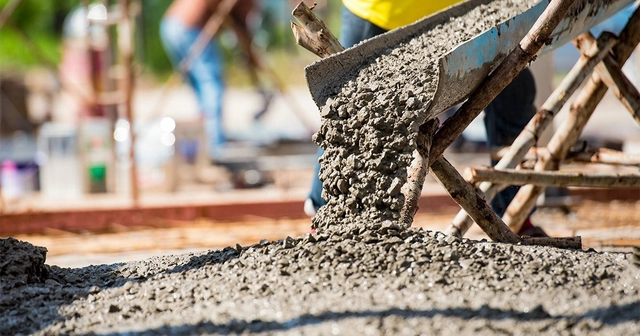
Renewable energy storage, particularly for wind and solar, remains a challenge. However, researchers at Chalmers University of Technology in Sweden are taking a major step toward creating an eco-friendly cement-based battery. Still in the prototype stage, the project focuses on the construction industry.
In search of sustainable and scalable materials, researchers Emma Zhang and Luping Tang, from the Department of Architecture and Civil Engineering, developed a new concept for rechargeable batteries. The process begins with a cement-based mixture containing small amounts of short carbon fibers to increase conductivity and flexural toughness. A metal-coated carbon fiber mesh—iron for the anode and nickel for the cathode—is then embedded into the mixture. This is the first concept of its kind in the world.
During an extraordinary session on August 17, lawmakers of the Legislative Assembly of the State of São Paulo (Alesp) approved Bill 356/2015, which mandates the inclusion of rainwater harvesting systems in architectural projects across the state of São Paulo.
Proposed by Representative Marcos Damasio (PL), Bill 356 mandates rainwater harvesting systems to promote sustainability and environmental preservation. The system would be installed during renovations of existing buildings and would be mandatory for new constructions, ensuring that new projects incorporate rainwater harvesting from the design phase.
According to the International Council for Research and Innovation in Building and Construction (CIB), the construction industry is the largest consumer of natural resources. To minimize environmental impacts, the concept of sustainable construction has emerged, employing techniques that ensure greater efficiency and responsibility from the beginning to the end of a project.
The first consideration is the layout of the rooms, as each space has an ideal location based on the local climate. “The layout of rooms in a residence can establish baseline conditions for comfort or discomfort. It is the role of the architectural design, through the organization of the floor plan, to ensure the appropriate level of sunlight and natural ventilation for each space,” states the free sustainable renovation guide published by the Ministry of the Environment.
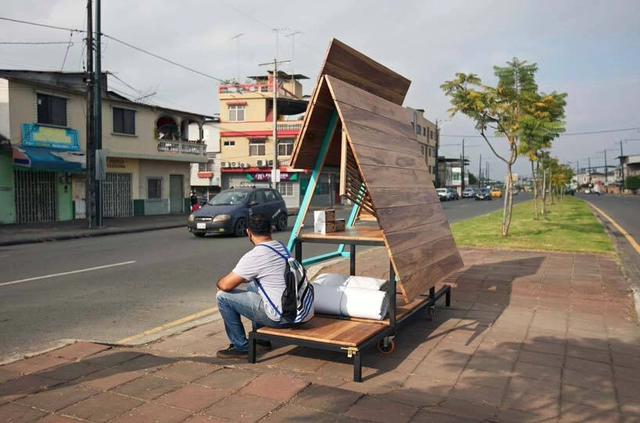
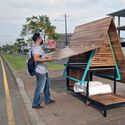
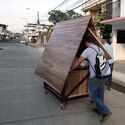
A small shelter for people experiencing homelessness has been designed in Ecuador. Combining a sleeping space and a kiosk, the structure features four wheels, allowing it to be moved as needed.
The project, named “El Ambulantito,” was designed by the firm Natura Futura Arquitectura. The emergency shelter model consists of foldable components. “El Ambulantito was born from a reality we witness every day. A temporary shelter and production device for people who are homeless or in transit from one city to another, it prompts reflection and awareness while public policies address the issue,” the architecture firm explains.
Located 60 km from Belo Horizonte, Caeté is the latest Brazilian city to adopt free public transportation. The initiative took effect on July 1 and will undergo a six-month trial period, with the potential for permanent implementation. Approved by the City Council, the bill allows residents to use the municipality's six bus lines free of charge. Previously, the fare was R$4.
The program is funded through a monthly subsidy of R$90,000 paid to Transcol Caeté, the transit concessionaire operating in the city, which had previously considered suspending services due to financial difficulties.
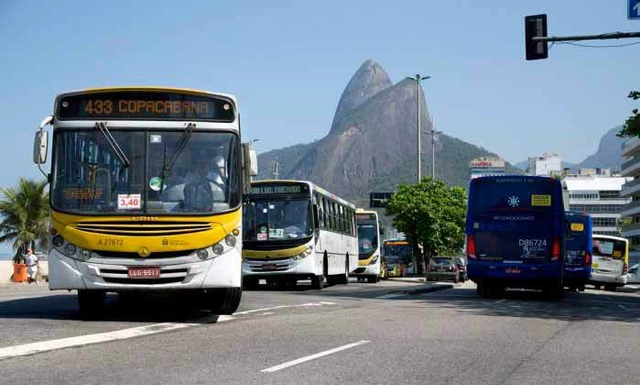
On World Environment Day, celebrated on June 5, the mayor of Rio de Janeiro, Eduardo Paes, launched the Sustainable Development and Climate Action Plan. The document will guide the municipal administration's environmental goals for the coming decades. Among the proposals is the adoption of solely electric buses on municipal routes.
Electric mobility in Brazil, particularly in public transportation, is still in its infancy. There are promising solutions, such as the solar-powered electric buses developed in Ceará and in Florianópolis, but the adoption of these technologies remains highly localized.
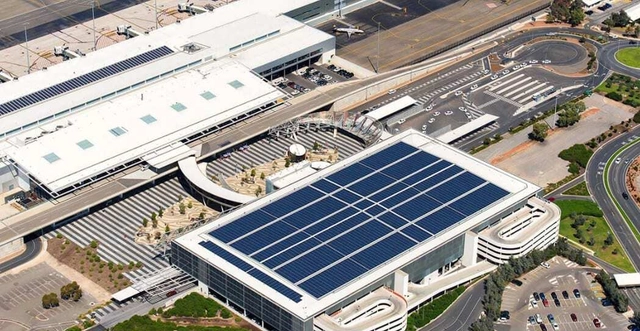
Encouraging households to adopt solar power generation is essential for a cleaner future, but investing in large-scale solar applications is what will truly shift the needle toward net-zero emissions. This is revealed by a new study from the Royal Melbourne Institute of Technology (RMIT University) in Australia.
Geospatial researchers used the city of Bendigo, in the state of Victoria, to conduct the case study. They estimated the solar electricity generated over a year in the city, which has 17,000 residential solar panels. In comparison, the study evaluates the solar potential of 21 government-owned airports across Australia.
Icon, an American construction robotics startup, was founded with the promise of building emergency housing using 3D printers. A model home was built in Austin, Texas, in 2018. Two years later in the same city, the company began delivering a series of homes for the unhoused.
A recovering heroin addict, Tim Shea was previously homeless, with his last home being a van. The 70-year-old American was the first to receive the keys to a printed home in September 2020.
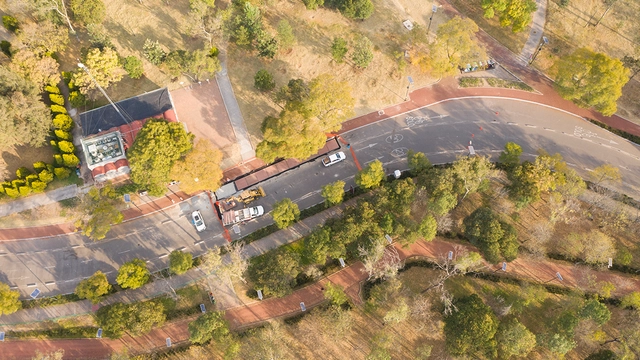
Recycled plastic bike path in the Chapultepec Forest Park in Mexico City. Courtesy of CicloVivo
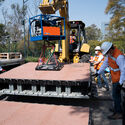
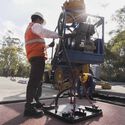
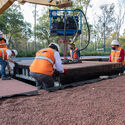
A modular, prefabricated bike lane was recently inaugurated in Chapultepec Forest Park, Mexico City. Made from post-consumer plastic waste, its smart design also provides drainage and rainwater storage.
The plastics repurposed for the construction of the bike lane would otherwise have been discarded or incinerated. Another advantage is that if the material wears down, it can be recycled again, creating a circular life cycle.