A modular, prefabricated bike lane was recently inaugurated in Chapultepec Forest Park, Mexico City. Made from post-consumer plastic waste, its smart design also provides drainage and rainwater storage.
The plastics repurposed for the construction of the bike lane would otherwise have been discarded or incinerated. Another advantage is that if the material wears down, it can be recycled again, creating a circular life cycle.
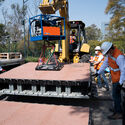


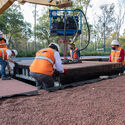


The bike lane by the company PlasticRoad was developed in the Netherlands, where two pilot projects have already been launched. “After more than two years of monitored use and continuous development for industrial applications, the bike lane has been installed in its third location, in Mexico City,” the company states.
According to Eric Kievit, Managing Director of PlasticRoad, the new project is an opportunity to test the product under a different set of climate conditions.

The installation in Mexico is a partnership between PlasticRoad, Orbia, the Mexico City Secretariat of Mobility (SEMOVI), and the Mexico City Secretariat of the Environment (SEDEMA).
Recycled Plastic Bike Lane
The first PlasticRoad pilot in Latin America was made with nearly one ton of plastic waste, equivalent to half a million plastic bottle caps. If widely adopted, the material could help curb the improper disposal of plastic that floods our oceans.
Meanwhile, the rainwater storage function helps prevent flooding, a common issue in Mexico City. “With a record annual rainfall of over 54 million cubic meters, water management issues in Mexico City impact both drinking water availability and citizens' quality of life,” the company explained in a press release.

“In Mexico City, we support initiatives that improve sustainable urban mobility, which help improve how people move but also protect the environment. This is mainly related to cycling infrastructure and electromobility: in this case, the installation of an infiltrative bike lane that improves service to citizens by reducing the likelihood of flooding and maintenance needs, while offering people a safer and more comfortable journey,” says Andres Lajous, Secretary of SEMOVI.
In line with this ecological purpose, the chosen installation site was the Chapultepec Forest, which features over 1,695 acres of publicly accessible natural areas.

“The way we interact with the city requires unifying our urban development, environmental, mobility, and climate change agendas to launch local initiatives that deliver multiple benefits to citizens. PlasticRoad is another effort that aligns with our commitment to restore the Chapultepec Forest and move toward a more sustainable city,” says Marina Robles García, head of SEDEMA.
The next step will be to commercially launch the recycled plastic bike lane in the Dutch market in the coming months.
Via CicloVivo.
This article was written by Marcia Sousa. The translation is powered by AI.