The definition of a dream home has been updated—at least for those passionate about minimalism and sustainability who discover the home of Martin Freney and Zoe. Located in Adelaide, Australia, the residence was built by the couple inspired by Earthship, a sustainable architecture movement based on reusing materials to minimize environmental impact.
Google has launched the Environmental Insights Explorer tool to provide users with access to data and technology that can contribute to the transition toward a lower-carbon world. The information is primarily based on data already available on Google Maps.
The goal is to enable cities worldwide to calculate their greenhouse gas (GHG) inventories to facilitate climate action planning. “The inventory can help prioritize investments in the areas of greatest impact, as it highlights key emission sources or hotspots and can be used as a baseline to measure progress,” the company states on the tool's website.
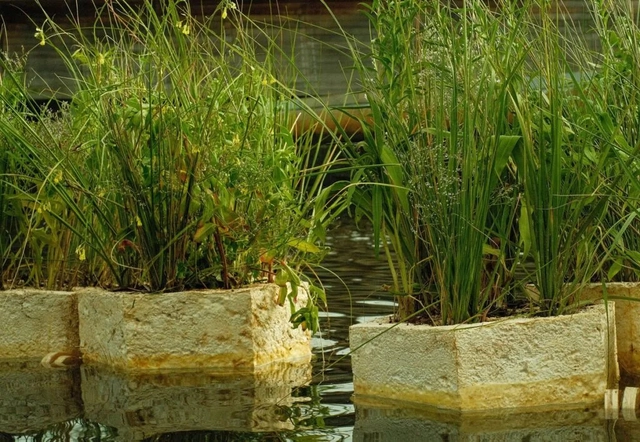
Using plants to filter impurities from lakes and rivers is already a common practice in sustainability. It is an alternative that avoids artificial chemicals in favor of maintaining a balanced ecosystem. Now, students at the Rhode Island School of Design (RISD) have gone a step further, creating floating planters made of mycelium to clean pollutants from waterways while restoring wetland habitats.
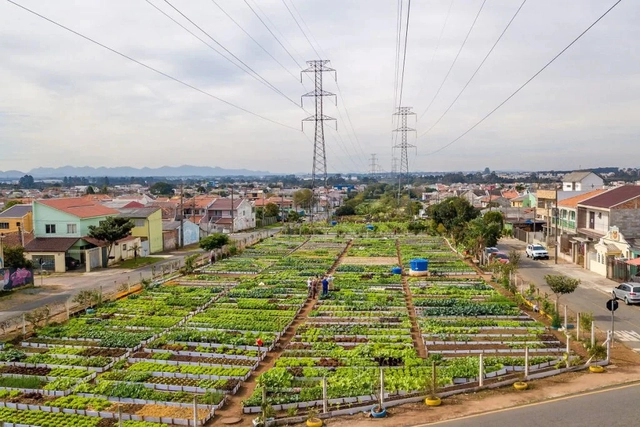
Marumbi Urban Garden, in Curitiba. | Photo: Valdenir Daniel Cavalheiro | Copel
Curitiba has implemented several initiatives to strengthen biodiversity and enhance the quality of vegetation in its urban landscape. Consequently, the capital of Paraná, alongside 18 other cities worldwide, has been selected to participate in UNEP's (United Nations Environment Programme) Generation Restoration project.
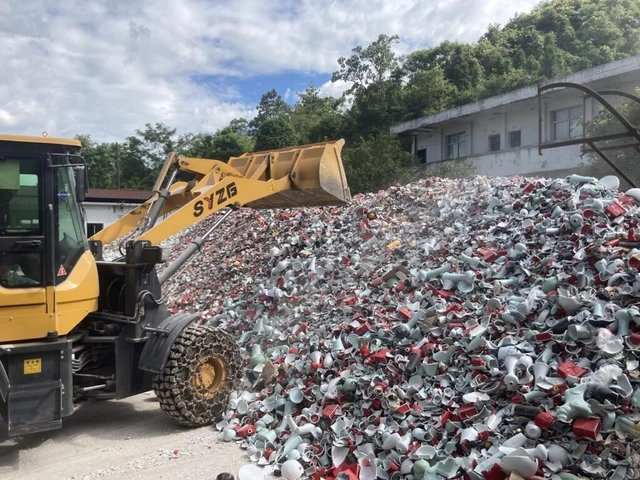
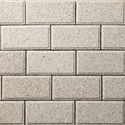
In its quest to develop circular products, Chinese company Yi Design has been creating various bricks from recycled materials. These products offer construction alternatives to address a major industry challenge: the generation of ceramic waste.
According to Yi Design, approximately 18 million tons of ceramic waste are produced every year in China. Headquartered in Jingdezhen, the country's ceramics capital, the group developed YiBrick, a permeable brick made of over 90% recycled ceramic. The material's production also incorporates wastewater and the fine dust from crushing raw waste.
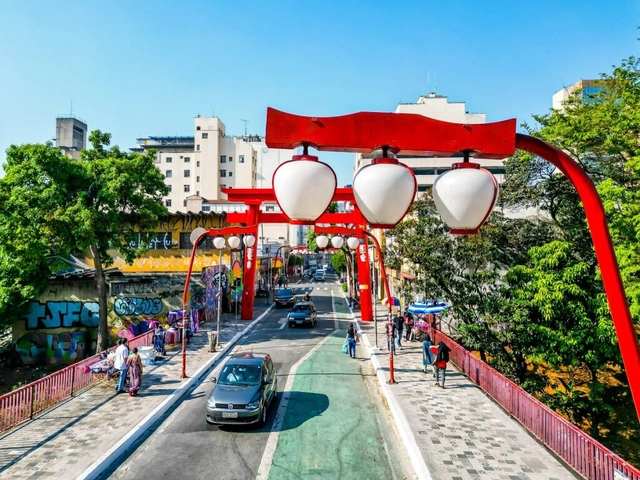
The Liberdade neighborhood, in the central region of São Paulo, will begin testing the Open Streets (Ruas Abertas) program this Sunday (1st). Similar to what has been done on Paulista Avenue since 2016, four streets in the area will be open exclusively to pedestrians from 9 a.m. to 8 p.m. on Sundays and holidays.
Led by the Municipal Department of Urban Development and Licensing, the initiative aims to prioritize the use of urban space based on pedestrian needs. “The goal is to foster conditions that encourage people to linger, improve walkability, and strengthen the area as a tourist and commercial attraction,” the São Paulo city government stated in a press release.
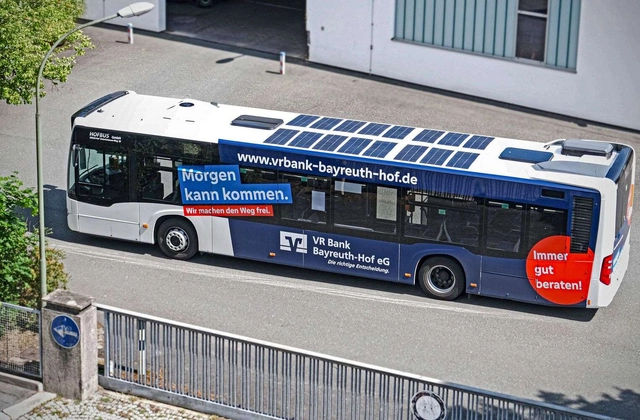
The first bus to be equipped with solar modules is running in the German city of Hof, in northeastern Bavaria. Photo: Sono Motors
The German company Sono Motors became world-famous for developing the Sion, an electric car powered by solar energy. However, due to a lack of funding to support pre-series production, the project was terminated in February of this year, and the company’s focus is now on adapting and integrating its patented solar technology into third-party vehicles.
This business setback could be good news for the environment, since instead of focusing on individual vehicles, the business model has been restructured to serve a wide range of vehicles, including buses, trucks, and refrigerated vehicles.
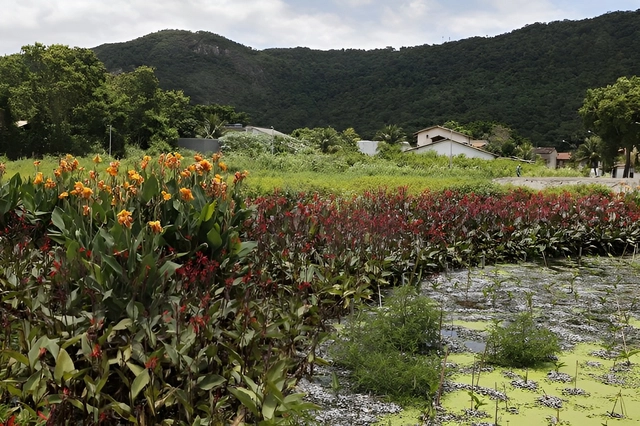
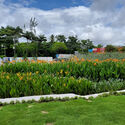
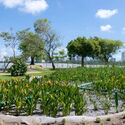
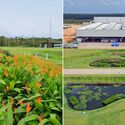
Filtering Garden at the Piratininga Coastline Park, Niterói (RJ) | Photo: Phytorestore Archive
A recent study in Nature warns that water pollution could cause a water supply crisis by the end of the 21st century. Water quality will deteriorate particularly in parts of South America, sub-Saharan Africa, and Southeast Asia—regions that are already vulnerable. Reversing this scenario will require governments to prioritize sustainable development. To this end, nature-based solutions, such as filtering gardens, may become increasingly common.
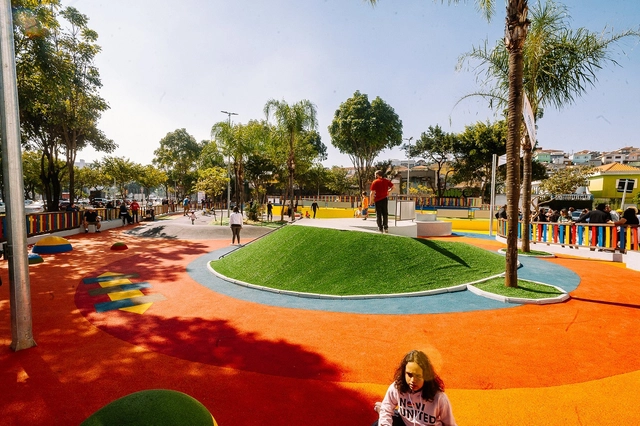
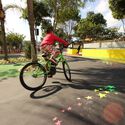
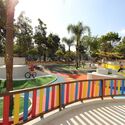
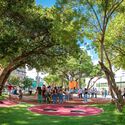
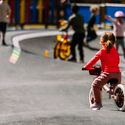
Creating a playful space designed specifically for the needs of early childhood was the goal of the São Paulo municipal government when developing its first “Concept Plaza”—recently inaugurated at São Sebastião Plaza in the Ipiranga neighborhood. Early childhood, spanning from birth to age six, is a critical period for human development. Numerous studies show that experiences in early life, starting from pregnancy, directly shape adulthood.
Paris, located in Île-de-France. Photo by Nil Castellví via Unsplash
Île-de-France, one of the 18 administrative regions of France, is committed to helping its residents save water. With the arrival of spring in the European country on March 20, authorities are concerned about potential water shortages. The solution? Offering up to €20,000 in subsidies to those who install rainwater harvesting systems on their properties.
The financial support is available to those who plan to install or have already installed water storage tanks within the last three months. The subsidy covers underground or above-ground installations—including the filtration collector, pump, connection kit, earthworks, and mains connection, among other components.
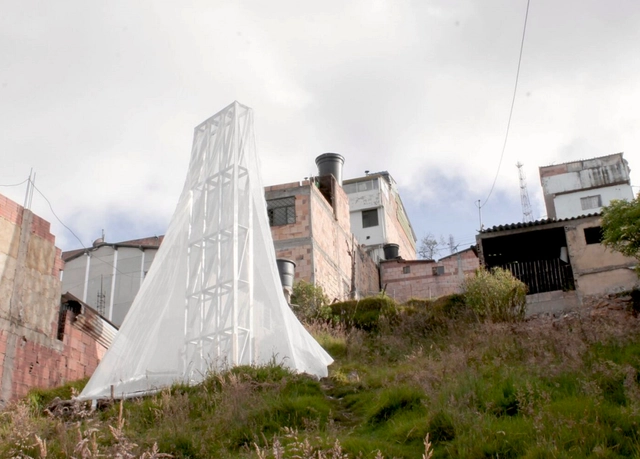
A prototype capable of collecting up to 200 liters of water per week was installed in the San Luis neighborhood of Bogotá, the capital of Colombia. Nicknamed the “fog harvester,” the development of the structure is the result of a collective effort that brought together residents and design professionals.
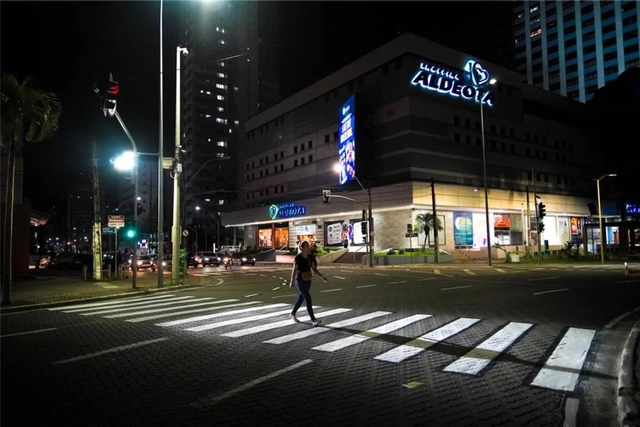
It is the first city in Latin America to implement the system. Photo: Daniel Calvet | Fortaleza City Hall
Fortaleza, the capital of Ceará, has just implemented an intelligent lighting model for crosswalks. Installed at the Praça Portugal roundabout, in the middle of the intersection of two of the city's major roads, the system could help reduce traffic accidents.
Powered by artificial intelligence, the system is capable of detecting human presence based on movement. When the dynamic lighting is activated, light beams track pedestrians from the start to the end of the crosswalk. The light improves driver visibility, especially at this specific location, where vehicles navigate a curve.
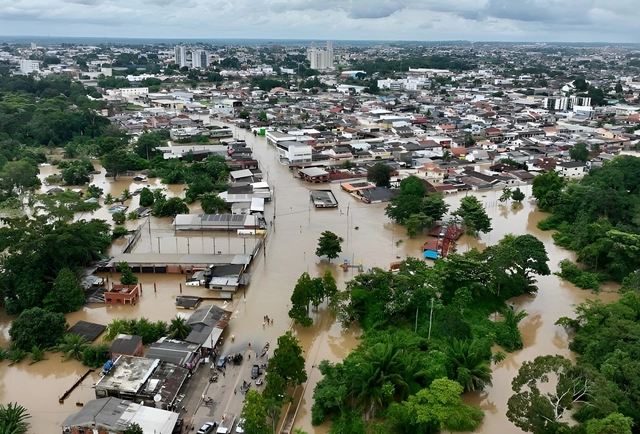
Situation in Rio Branco, capital of Acre. Photo: Pedro Devani | Secom
The past week brought chaos and despair to thousands of Brazilian families living in the country's North and Northeast regions. Heavy rains hit cities in Pará, Maranhão, Acre, and Amazonas, flooding hundreds of homes while others were completely destroyed by currents.
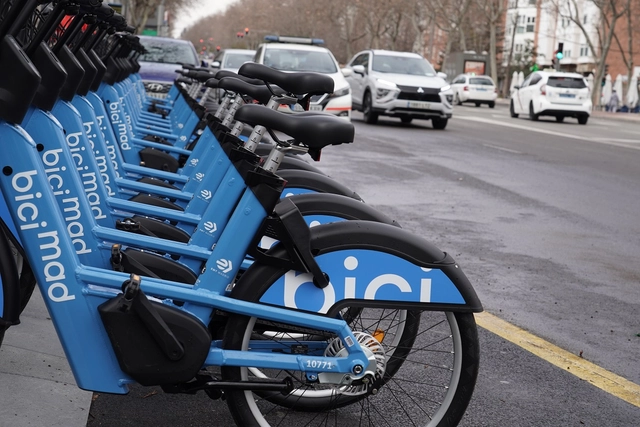
The new bike fleet is being gradually rolled out. Photo: Madrid City Council
The Madrid City Council aims to encourage bicycle use as a means of transportation. To this end, the city has operated BiciMAD since 2014—a public bike-sharing system integrated into the Spanish capital's transit network. Now, the program will be free for trips of up to 30 minutes.
Pre-assembled, the panels are removable. Image: Sun-Ways
Solar energy is one of the fastest-growing energy sources in the world. Going beyond rooftop installations or large power plants, various innovations are emerging to harness the power of sunlight. One such recent initiative is being developed by startup Sun-Ways, which will install removable solar panels along railway tracks in Switzerland.
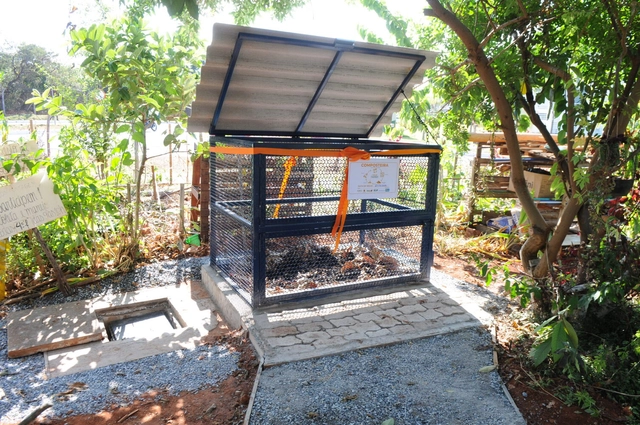
The composting system can be built with various materials. Photo: Paulo H.Carvalho | Agência Brasília
The average Brazilian generates nearly one kilogram of waste per day, according to a survey by Selurb (National Union of Urban Cleaning Companies). Meanwhile, according to Abrelpe (Brazilian Association of Public Cleaning and Special Waste Companies), organic waste represents half of the total urban waste generated in Brazil every year. This is waste that could be repurposed for composting, biodigestion, and/or energy production, but is instead sent to landfills—where it contaminates the soil and produces polluting gases.
Background photo: Rafael Kellermann Streit, via Unsplash
In April 2021, French lawmakers voted to ban short-haul domestic flights on routes that can be traveled by train in under two and a half hours. The measure aims to help reduce the country's carbon emissions.
Reducing emissions is one of the commitments made under the Paris Agreement to curb global climate change. Among the various measures countries must implement, the aviation sector stands out: air travel is estimated to account for 2.5% to 3% of global CO2 emissions.
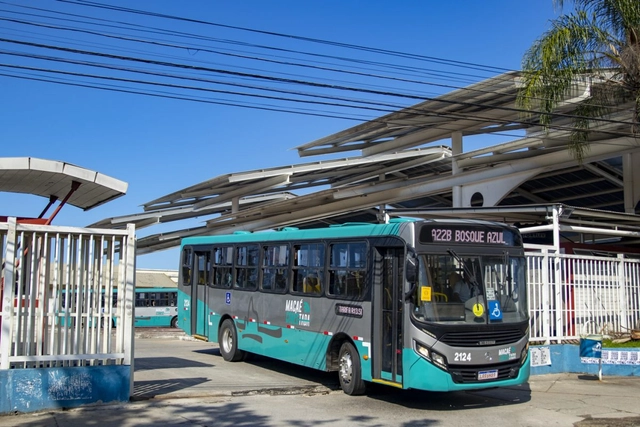
It is the first law in the entire state of Rio de Janeiro to guarantee free public transit for this population. Photo: Bruno Campos
Macaé, a municipality in the state of Rio de Janeiro with over 266,000 residents, has just extended free public transit to people experiencing homelessness. While free access was already guaranteed for people over 60 and individuals with disabilities, it now also benefits the city's vulnerable population.
Unanimously approved during a session of the Macaé City Council, the measure was introduced by council member Iza Vicente (Rede) following a request from the Rio de Janeiro Public Defender's Office. This is the first law in the state of Rio de Janeiro to guarantee free public transit for this demographic.
.jpg?1546260666&format=webp&width=640&height=580)