
韩爽 - HAN Shuang
ArchDaily China Team Lead Editorial & Business Development, Chinese architect and curator. You can follow me on Instagram @hanshuang_hhh
BROWSE ALL FROM THIS AUTHOR HERE
↓
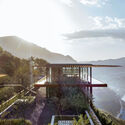
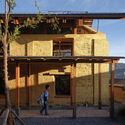
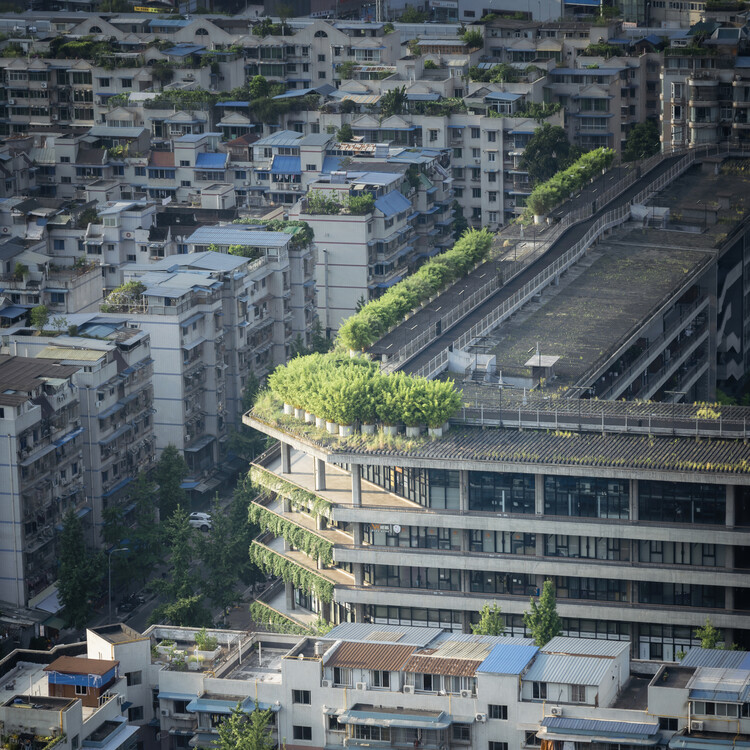
Chengdu Jobs | Jiakun Architects Recruitment


https://www.archdaily.com/1185280/chengdu-jobs-jiakun-architects-recruitment韩爽 - HAN Shuang
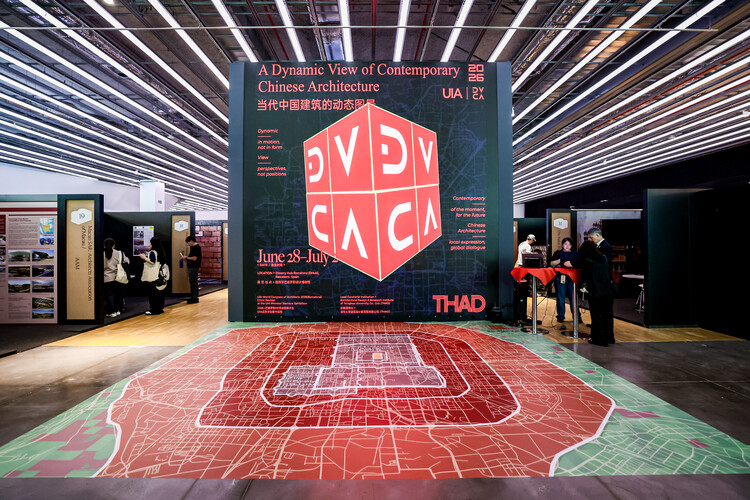
Contemporary Chinese Architecture in Continuous Evolution and Transformation: An Interview with Liu Yulong of THAD


https://www.archdaily.com/1092436/contemporary-chinese-architecture-in-continuous-evolution-and-transformation-an-interview-with-liu-yulong-of-thad韩爽 - HAN Shuang
Shanghai Jobs | YEAS Design is Hiring: Product Specialist / Exhibition Planner / Spatial Designer / Administrator / Intern


https://www.archdaily.com/1054644/working-in-shanghai-yeas-design-hiring-product-specialist-exhibition-planner-spatial-designer-administrator-interns韩爽 - HAN Shuang
ArchDaily China's 2026 Building of the Year Awards are Now Open for Nominations

ArchDaily China is 11 years old this year. The design based on Chinese culture and site has become an important part of the global architectural design exchange, and has become a highly topical part of the global architectural and design development wave. ArchDaily China brings global architecture and design consulting and information to Chinese readers. Moreover, it showcases Chinese architecture and design to the world. We stick to our original intention and become an open platform that benefits the public, making the architecture and design industry more inclusive and equal.
This year, we once again extend an invitation to Chinese readers, hoping that everyone can participate in the selection of the 2026 China Annual Architecture Award. Through an unbiased and non-geographical voting method, everyone is a member of the jury, selecting the most representative Chinese architecture and design projects for everyone.In the next three weeks, the whole process of the selection will be divided into two stages: In the first stage, you will vote on 455 projects released in the past year, and the top 15 with the highest nominations will enter the second stage finalist list; In the second stage, the 15 outstanding projects will be voted again to determine the best champion, runner-up and third place of the year.
The 2026 Building of the Year Awards China is brought to you thanks to Dornbracht, renowned for leading designs for architecture, which can be found internationally in bathrooms and kitchens.
https://www.archdaily.com/1039704/archdaily-chinas-2026-building-of-the-year-awards-are-now-open-for-nominations韩爽 - HAN Shuang
Shanghai Job | Yanfei Architects Recruiting Assistant Architect / Intern


https://www.archdaily.com/1054672/job-in-shanghai-yanfei-architecture-is-hiring-assistant-architects-interns韩爽 - HAN Shuang
Last Days for Nominations in the ArchDaily China's 2026 Building of the Year Awards

We invite you to participate in the ArchDaily China's 2026 Building of the Year Awards. We ask you to recognize and reward the projects that you feel are creating the largest impact in the built environment, that ArchDaily China has published on our projects database in 2025. By nominating and voting, you form part of an interdependent, impartial, distributed network of jurors and peers that has consistently helped us celebrate architecture of every scale, purpose, and condition, from countries large and small, and architects of all descriptions. Over the coming weeks, your votes will result in 455 projects being filtered down to just 15 projects. The 15 projects with the most nominations will move on to the voting round.
https://www.archdaily.com/1040283/last-days-for-nominations-in-the-archdaily-chinas-2026-building-of-the-year-awards韩爽 - HAN Shuang
Meet the 15 Finalists in ArchDaily China's 2026 Building of the Year Awards

Following two exciting weeks of nominations, ArchDaily's readers have evaluated 455 projects and selected 15 finalists for the Building of the Year Award China. Architects and enthusiasts participated in the nomination process, choosing projects that exemplify what it means to push architecture forward. These finalists are the buildings that have inspired ArchDaily readers the most, which also reveal the growing trend of Chinese architecture.
Among the 15 finalists of the 2026 China Building of the Year Award, we can see a gradual shift in focus from large-scale public buildings to rural revitalization, community public spaces, exploration of new typology of school and small-scale interior spaces. People are paying more attention to their personal needs and living experiences as well as the surrounding spaces. We can also observe how different firms are responding to the needs of cities and users during the period of transformation in the real estate.
Before we get to shortlisted nominees, we want to highlight the values of this awards process — as the world's largest platform for architecture we are acutely aware of our responsibility to the profession, and to the advancement of architecture as a discipline. Since our mission is directly related to the architecture of the future—inspiring and educating the people who will design the urban fabric of the future—the trust placed in us by our readers to reflect architectural trends from regions around the whole world creates challenges that we are eager to rise to. The democratically-voted, user-centered Building of the Year Awards is one of the key pillars of our response to these challenges, aiming to tear down established hierarchies and geographical barriers. Here are the 15 finalists of the 2026 China Building of the Year Award, and the voting period will run from April 8th to April 15th, 11:59 PM (Beijing Time), 2026. The final winners will be announced on April 16th, 2026. Click here to see the details and how to vote.
https://www.archdaily.com/1040375/meet-the-15-finalists-in-archdaily-chinas-2026-building-of-the-year-awards韩爽 - HAN Shuang
Winners of the ArchDaily China Building of the Year 2026 Awards

Another year, another successful ArchDaily China Building of the Year Awards! Once more, the award has proved to be the largest architecture prize centered around people's opinion. Crowdsourced, the most relevant projects of the year were nominated and selected by our readers.
The 2026 China Building of the Year Awards is brought to you thanks to Dornbracht, renowned for leading designs for architecture, which can be found internationally in bathrooms and kitchens.
https://www.archdaily.com/1040673/winners-of-the-archdaily-china-building-of-the-year-2026-awards韩爽 - HAN Shuang
Job Openings in Chengdu & Nanjing | Modum Atelier: Architectural Design / Interior Design / Commercial Research / Brand Communications / Interns


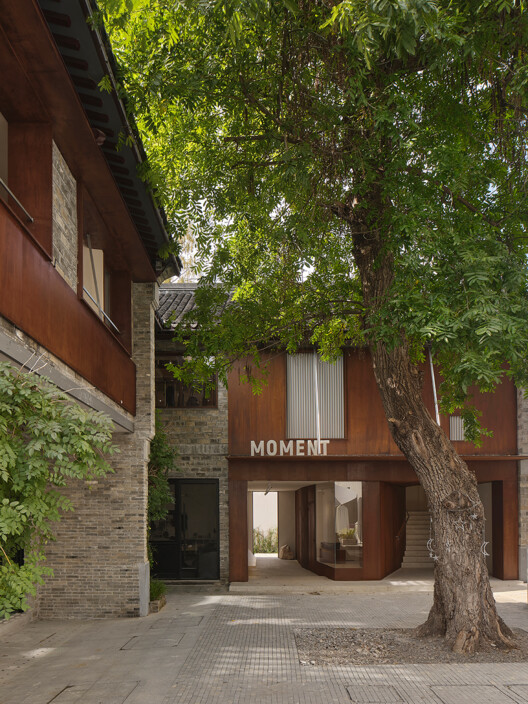
https://www.archdaily.com/1054664/jobs-in-chengdu-and-nanjing-modum-atelier-is-hiring-architectural-design-interior-design-commercial-research-brand-communications-interns韩爽 - HAN Shuang
Breaking the Mold: DUStudio's Differentiated Commercial Space Design | ArchDaily In-Depth
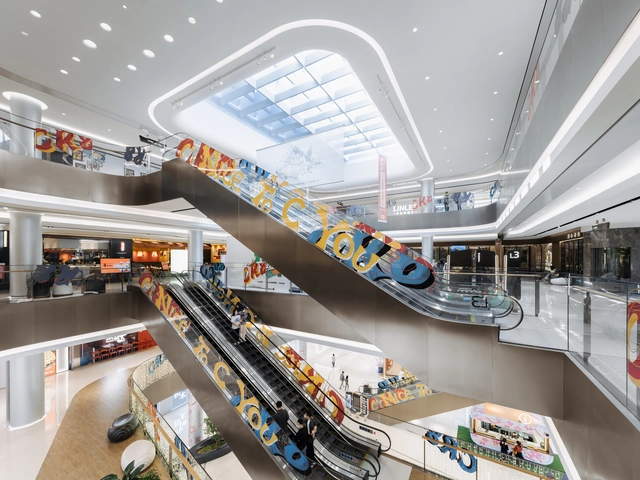
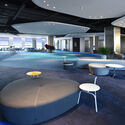
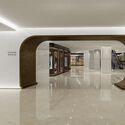
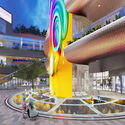
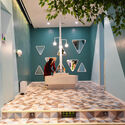

Featured Interviewee: Zhu Ping, Founder of DUStudio
Design Union Studio (DUStudio)’s approach lies in integrating resources across the entire design supply chain. Rather than merely delivering design expertise, the firm helps clients coordinate other disciplines to ensure that top-tier teams are engaged at every stage to realize the project's core concept—essentially designing with a client-side mindset. Fusing spatial design, commercial curation, and multimedia installations creates a closed-loop process. By connecting and seamlessly integrating every phase of design, they deliver the most successful projects.
https://www.archdaily.com/1131996/breaking-the-mold-dustudios-differentiated-commercial-space-design-archdaily-in-depth韩爽 - HAN Shuang
2022, Cultivating Inside and Out | ArchDaily's New Year's Resolution

Looking back at 2021, two pivotal developments exerted a transformative influence on the architectural design community.
The first was the passing of High-Tech pioneer Richard Rogers (Richard Rogers). German art historian Hans Belting once remarked: "When people call for a new art, it is architecture and design that step forward as a symbol of a new society, carrying the hope of changing living space. And as people envision changes to their living space, they themselves change as well." Rogers was among the first to step forward at the close of the 20th century. His bold, rebellious, and iconoclastic design approach unlocked a new paradigm for the urban landscape. Having practiced continuously until his retirement last year, his career was a constant testament to the critical importance of design direction. In turn, one cannot help but ask: as the giants of our era gradually depart, are we prepared to shoulder the true mission of architecture?
The second was the controversy surrounding architect Tao Lei's design on the television show Dream Home. A 1.32-million-yuan red-brick house designed for an elderly client was met with widespread online backlash, laying bare the deep friction between architectural aesthetics and daily life. It prompts us to ask: Is the aesthetic pursued by architects truly aligned with the expectations of everyday people? Can architectural design reshape public aesthetic perception? Does social class dictate design outcomes? And should a project be dismissed based on sensationalized, fragmented headlines by those who have never actually experienced the space?
"Despair, like hope, is but vanity." ArchDaily’s keyword for this year is: Cultivating internal strength and external reach. Internally (Platform Responsibility): Providing tools, inspiration, and knowledge gathered from all directions to continuously overcome, triumph, and transform, building a broader "design universe." Externally (Communication Responsibility): Stepping outside the architectural "comfort zone" to center public needs, delivering clearer insights and evidence-based processes, and crafting more creative architectural content.
https://www.archdaily.com/1132314/2022-cultivating-inside-and-out-archdailys-new-years-resolution韩爽 - HAN Shuang
Shui Yanfei: First Chinese Architect to Win the 2025 Kazuhiro Kojima Award
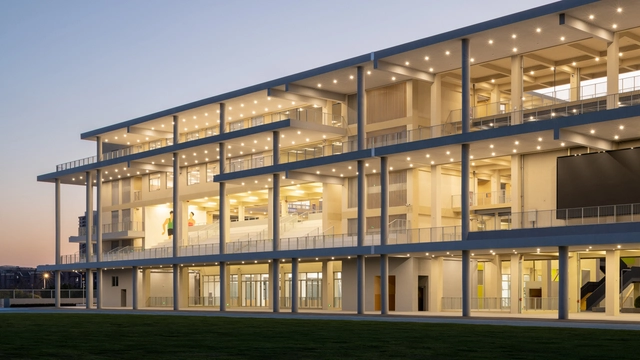
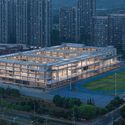
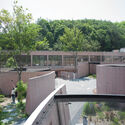
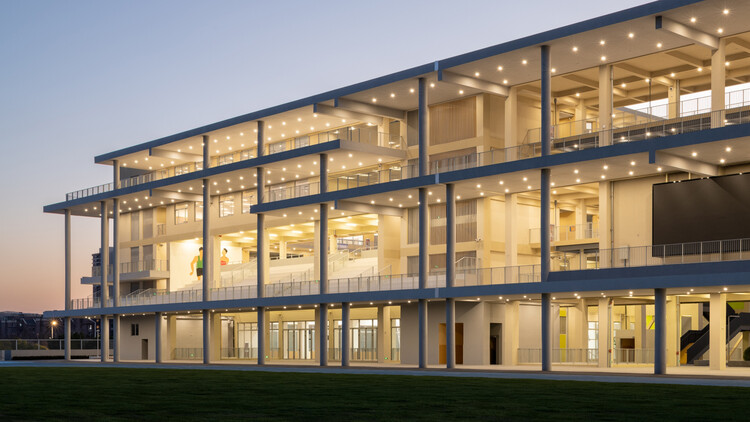
Chinese architect Sui Yanfei has won the 4th Kazuhiro Kojima Award in 2025, becoming the first recipient from outside Japan since the award's inception. The jury presented this honor to Sui in recognition of his deep insight into Chinese social realities alongside his continuous exploration of new, future-oriented possibilities for architecture. His work focuses on extending Eastern thought within a post-human context and excels at reinterpreting historically accumulated social structures. Grounding his practice in social, economic, and institutional realities, he transforms architecture within complex networks of relationships into a medium that connects people, objects, and time. The diverse practice of his studio is both deeply rooted in reality and brings a new poetry to contemporary life.

https://www.archdaily.com/1079995/shui-yanfei-first-chinese-architect-to-win-the-2025-kazuhiro-kojima-award韩爽 - HAN Shuang
Shanghai Lujiazui Riverside Center Nears Completion: A Low-Density Headquarters Cluster in the CBDof

Jointly developed by China Resources Land and Shanghai Land Group, with architectural design by KPF, the Lujiazui Riverfront Center is nearing completion. Located along the Huangpu River within Shanghai's Lujiazui waterfront district, the project spans a total gross floor area of 200,000 square meters. Eight small-scale, standalone commercial buildings run parallel to the shoreline, reshaping the waterfront skyline with staggered heights. Inside the cluster, a network of pedestrian paths and axes links the internal plazas and surrounding buildings, integrating with neighboring historic structures to establish a strong dialogue with the broader urban design.
Characterized by its low-density layout, the development features specialty retail, shared conference spaces, sunken plazas, and rooftop gardens. By connecting with nearby luxury hotels, art venues, and high-end residences—all within walking distance—it creates a 24-hour elite lifestyle hub, establishing Shanghai's first workplace that seamlessly integrates garden-style offices with the Lujiazui CBD. Additionally, the project features a generous 4.5-meter floor-to-floor height, yielding a clear height of 3 meters for standard floors and 3.5 meters for executive floors. In terms of floor plate design, the column-free interior spaces offer unobstructed, panoramic views of the Huangpu River.
https://www.archdaily.com/1123583/shanghai-lujiazui-riverside-center-nears-completion-a-low-density-headquarters-cluster-in-the-cbdof韩爽 - HAN Shuang
The Future Starts in the Past: Heimtextil Trends 25/26
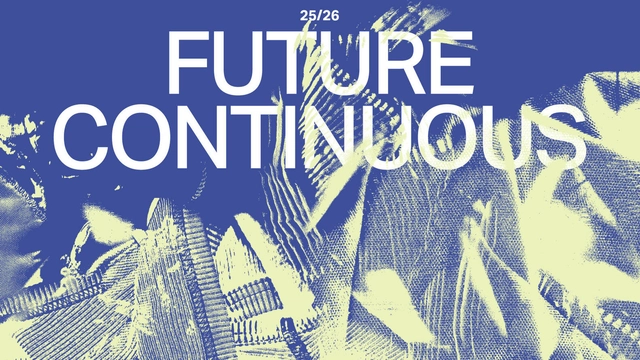
Curated by Alcova Milano under the theme "Future Continuous," Heimtextil Trends 25/26 offers an exciting new perspective on the textile industry. This trend showcase will be presented in the Trend Arena at Heimtextil from January 14 to 17, 2025.
https://www.archdaily.com/1078774/the-future-starts-in-the-past-heimtextil-trends-25-26韩爽 - HAN Shuang
Within a Hong Kong skyscraper, a spatial dialogue between art and the future finds its voice.
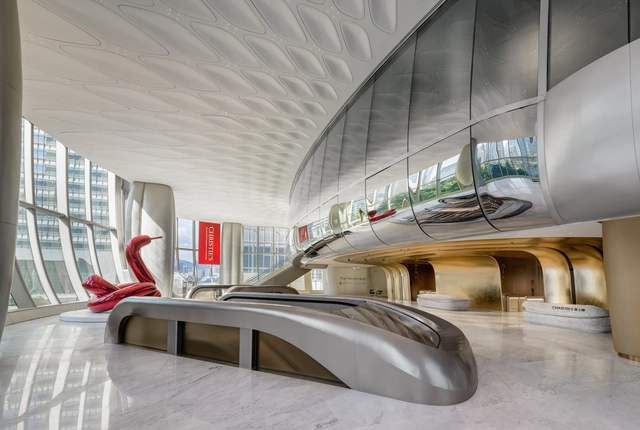
In Central, the bustling hub of Hong Kong's commercial, financial, cultural, and entertainment activities, what kind of synergy can emerge between a landmark skyscraper and a world-renowned art auction house? Can they break free from the traditional convention-center framework of art auctions to pioneer an entirely new spatial and operational model? Christie’s, one of the world's oldest art auction houses, has made a bold and successful attempt at its new Asia-Pacific headquarters in Hong Kong's landmark building, The Henderson—
The design strategy and spatial features of the new Asia-Pacific headquarters center on four key elements:
1. Large-scale motorized movable walls
2. Automated lighting and smart building control systems
3. A vertical gallery
4. Open-plan workspaces
https://www.archdaily.com/1078882/within-a-hong-kong-skyscraper-a-spatial-dialogue-between-art-and-the-future-finds-its-voice韩爽 - HAN Shuang
2023, Embarking on a Promising Journey | ArchDaily's New Year Plan

December 2019 marked the first COVID-19 case. By December 2022, the era of strict "Class A control for Category B infectious diseases" officially drew to a close.
Over the past year, stripping away our professional titles, we were simply individuals in endless PCR testing lines, participants in digital group-buying threads, and residents confined behind barricades and seals. We endured scorching heatwaves, grappled with political depression and existential dread, relied on ibuprofen to get by, and ultimately stood as witnesses to a turbulent, fast-shifting chapter of history.
In the world of architecture, this past year was defined by adversity: a generation of pioneering elders passed away during the harsh winter; outstanding design fees went uncollected; architects faced widespread unemployment; firms went bankrupt and dissolved; and university architecture programs struggled to fill their enrollment quotas. Day after day, we oscillated between burning out and checking out, caught in a perpetual cycle of anxiety.
Though some wounds remain unhealed, no one ever promised us an easy era. At this chaotic threshold, all we can do is persist in doing what we believe is right. Every architect is striving to address the challenges of our time through design—pioneering more open spatial concepts, mitigating climate change through sustainable architecture, and leveraging professional expertise to instill spaces with a sense of hope.
Over the past year, ArchDaily has published 4,669 built projects, 2,160 thematic articles, 323 competition announcements, and 258 exhibition listings. Focusing on platform expansion and fresh content, we also embarked on a series of historic firsts:
Thus, ArchDaily’s keywords for 2023 are: Embarking on a Grand Journey, Scaling New Heights
We aim to foster more dialogue, gathering the insights and collective strength of global designers to make our voices heard!
01 Designing Better Architecture, Telling the Stories Behind the Scenes
For too long, the focus has lingered solely on the spectacular “moments” of completed buildings, overlooking the countless days and nights poured into them by architects, contractors, and material suppliers. From the initial conceptual sketches to the final working drawings, and from selecting the perfect materials to the meticulous coordination on-site to ensure flawless execution—ArchDaily takes you behind the scenes of today's most successful architectural projects.
The Story Behind Ascent, the World's Tallest Mass Timber Building
Who Does Architecture Serve Today?
What Defines a Children’s Museum?
Challenging the Impossible: How Architectural Design Drives Technological Innovation
Foster + Partners on DJI Sky City: 8 High-Tech Metrics Revealing the Construction Process
The World's Largest Hybrid Timber Structure: Construction Report on the Swatch & Omega Campus
Step Inside the 'Golden Leaf' Hall with Sou Fujimoto | ArchDaily on the Road
More is More: When the Barcelona Pavilion Meets Timber
More Than Just Tallest Skyscrapers: Dubai's Ultimate Construction Museum
02 Solving Design Challenges
As a responsible design medium, we strive to be more than a mere showcase of projects. Through deliberate curation and thoughtful editorial planning, we voice our stance, prompting architects, industry practitioners, and society at large to reflect on systemic challenges in order to foster a healthier, more progressive industry.
What Challenges is Architectural Design Facing Today?
What Defines Good Interior Design?
In the Era of Urban Regeneration, How Do Pritzker Laureates Respond?
What are the Criteria for Architectural Awards?
22 Projects, 11 Interior Design Styles
Stop Demolition, Start Deconstruction
The Past and Future of Floating Cities
The First 'Disrupt' Architecture Business Symposium: A Gathering of Industry Giants
Winners Announced: 2022 ArchDaily Best New Practices
Best Architectural Collaborations of 2021
What is the Real Purpose of Architectural Biennials?
How Can Educational Spaces Express Equality?
How to Design Gender-Neutral Restrooms
03 Crafting a Better Living Environment
As the world adapts to living alongside COVID-19 and combating urban heatwaves, our dwelling patterns are undergoing a profound evolution. Today's homes must seamlessly balance living, working, and leisure. Consequently, designing greener, healthier, and more human-centric residences and lifestyles remains our enduring focus.
How to Cool Down Our Cities?
Chinese Housing and Lifestyles
Is Modularity the Future of Healthcare? OMA Reveals 'Al Daayan' in Qatar
Living on High: Why Are We Drawn to Altitudes and Rooftops?
Has the Garden Become a Privilege?
How to Design Housing on Complex, Constrained Urban Lots?
Can Everyday Workers Enjoy Green Spaces?
Working from Home: How to Design Transition Spaces?
9 Strategies for Healthier Living in Buildings and Cities
How to Design a Sustainable Home Life
Toward Green Capitalism
How Are World Cup Stadiums Cooled?
Can 3D Printing Reshape the Residential Construction Market?
How Real Estate Giants Shape the Development of New York City
Is Co-Living the Future of Real Estate?
What is the Future of the House?
https://www.archdaily.com/1136441/2023-embarking-on-a-promising-journey-archdailys-new-year-plan韩爽 - HAN Shuang
"More Than Architecture, a Way of Life": An Interview with Qian Xidong of UAD
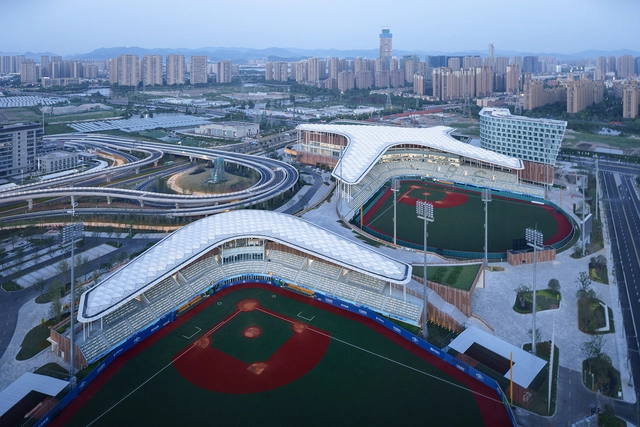
At the recently concluded Asian Games, the Architectural Design and Research Institute of Zhejiang University (UAD) participated in the design of numerous competition venues. Among them, the Hangzhou Asian Games Baseball and Softball Sports Cultural Center is the largest newly built venue for this edition of the Games, as well as the largest, most advanced, and highest-standard baseball and softball sports center in China to date. For this edition of Spotlight, we interviewed UAD's Qian Xidong to discuss his design philosophy shaped by years of professional practice.
https://www.archdaily.com/1136321/more-than-architecture-a-way-of-life-an-interview-with-qian-xidong-of-uad韩爽 - HAN Shuang
Call for Proposals: Open Design Competition for the Shenzhen Polytechnic Shenshan Campus (Phase I)
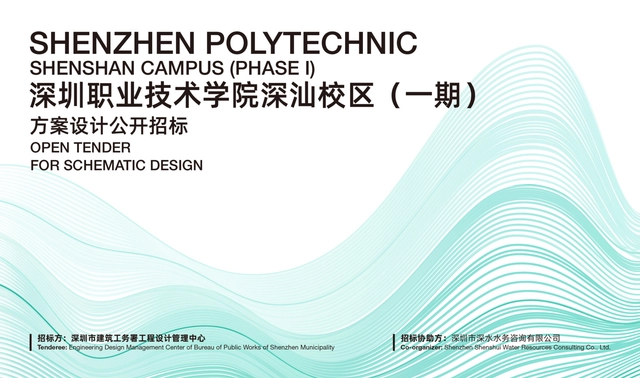
Project Name: Open Tender for Schematic Design of Shenzhen Polytechnic (Shenshan Campus, Phase I)
Project Location: Chishi Town, Shenshan Special Cooperation Zone
Application Deadline: 17:00, May 6, 2023
https://www.archdaily.com/1094104/call-for-proposals-open-design-competition-for-the-shenzhen-polytechnic-shenshan-campus-phase-i韩爽 - HAN Shuang