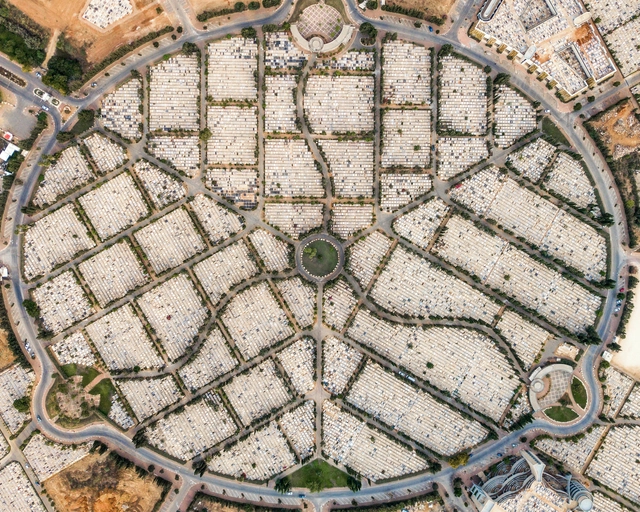
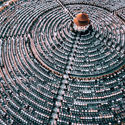
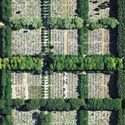
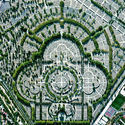
Memento mori is an ancient Latin expression that means "remember that you are mortal." The Roman people used it not to represent a fatalistic approach to death but rather as a way of valuing life.
A few centuries later, as we arrive at our current context and the world reaches the terrifying figure of 2 million deaths as a result of the Covid-19 pandemic, memento mori is more relevant than ever.
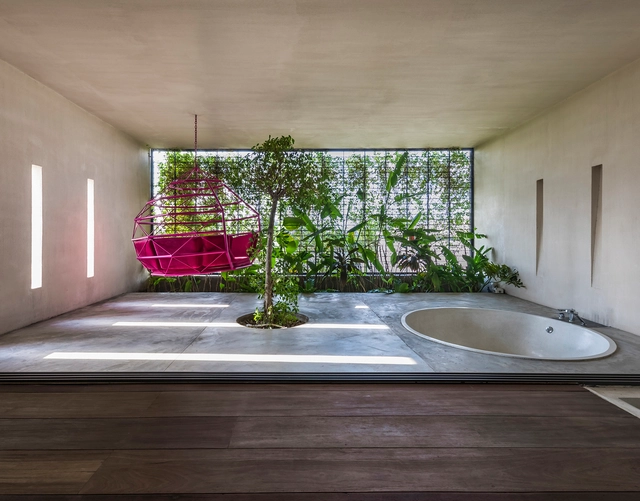
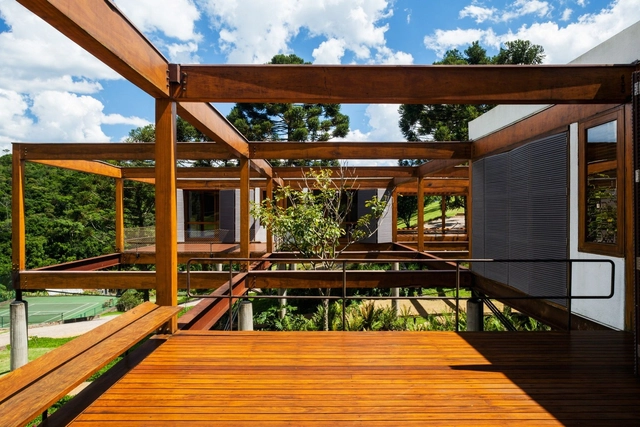
Gardens have always been present in architectural compositions as testaments to the cultural moment, status, and religiosity of different peoples. In recent decades, however, this relationship between architecture and green spaces has grown stronger. This shift culminated in 2020 with a significant surge in the prominence of green environments, closely tied to the COVID-19 pandemic and the social isolation it brought about. In this light, the connection between home and garden has solidified—ranging from small potted plants in downtown apartments to lush landscaping projects in and around residences, representing, at various scales, the pursuit of reconnecting with nature.
The year 2020 brought with it a whirlwind of challenges, calling many aspects of daily life into question. Marked by the pandemic, we all had to reinvent ourselves in some way to weather this unprecedented moment. It was no different for the city. COVID-19, like other infectious diseases (the Black Death, the Spanish flu, etc.), laid bare the relationship between its spread and urbanization. This is an easy analysis to make when data shows that the spread of the virus has been far greater in large urban centers.
In this regard, the health crisis has sparked discussions about the urbanization model to which our cities are subjected—a model of dispersed sprawl that prioritizes automobile mobility. Wilson Ribeiro dos Santos, a professor at the Faculty of Architecture and Urbanism at PUC-Campinas, in an article co-authored with Sidney Piocchi Bernardini and Gabriela Celani, states that this urbanization model—where commerce and services are concentrated in the city center, while strictly residential areas and gated communities are located on the periphery—ended up accelerating the spread of the virus. This is because people from all parts of the city must travel daily to the same central area to work, study, visit the doctor, shop, and so on.
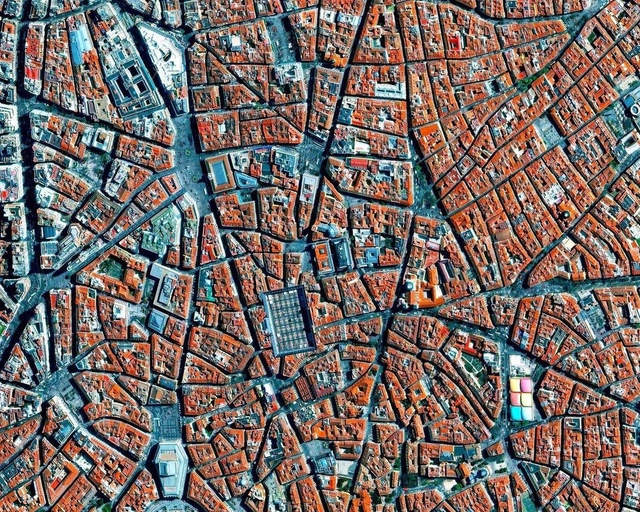
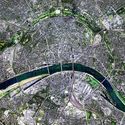
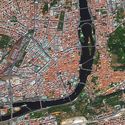
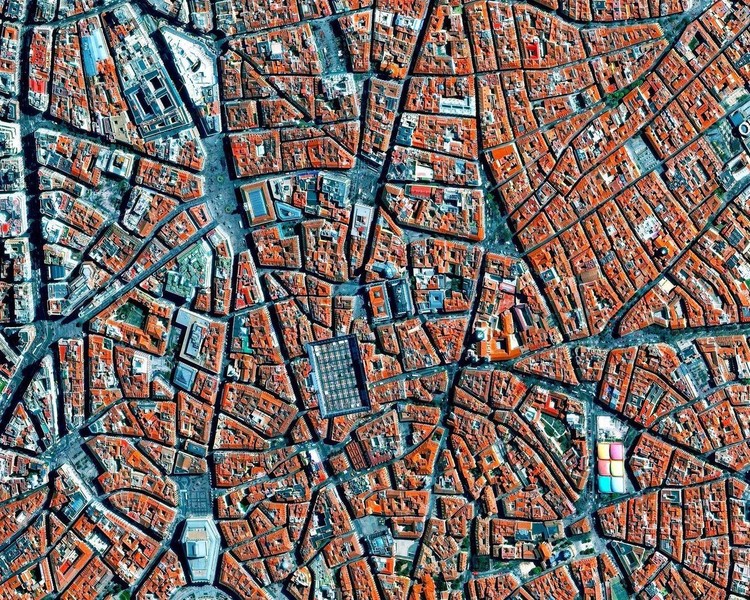
When we talk about cities or their lesser variations – villages, towns, communities –, we are used to evoking stereotyped scenarios that relate to streets, cars, buildings, and we often end up forgetting that there are plenty of other surprisingly unique patterns.
Many people study the cities and wonder about the exact moment when they were invented, given that they are open, unfinished works in progress. Some assume that their origin was due to the need for protection, which caused humans to quit nomadic lifestyles and settle as groups in a specific land to increase their chances of survival.
The orthogonal grid is the manifestation of a principle of order, a condition reinforced by the repetition of elements that express the structural rationality embedded in an aesthetic system. There is also a sense of freedom celebrated by decoupling structure from walls which, combined with pragmatic efficiency, keeps structural grids a constant presence in buildings of various scales both in Brazil and around the world.
In technical terms, structural grids are composed of linear elements—specifically beams—situated on a single plane to form a mesh capable of resisting structural loads. Typically, they feature regular spacing crossing at right angles, with dimensions that vary depending on the material used.
In 1941, Swiss engineer George de Mestral was coming back from a hunting trip with his dog when he noticed that some seeds kept sticking to his clothes and his dog's fur. He observed that they contained several "hooks" that caught on anything with a loop, and from studying this plant, seven years later, he invented the hook and loop fastener, which he named Velcro.
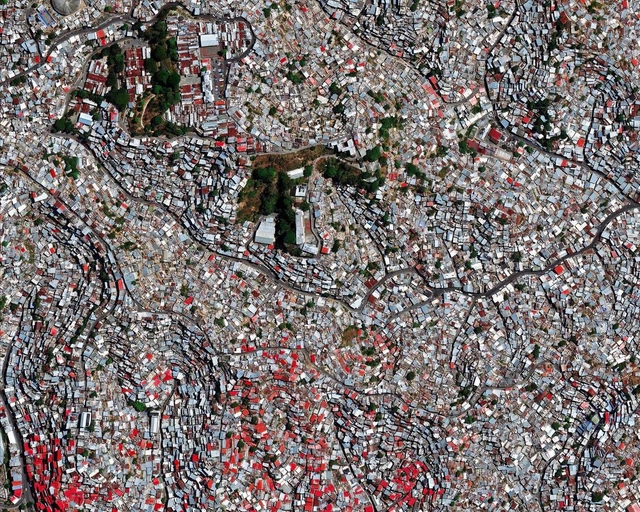
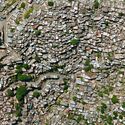
According to a UN-Habitat report, in 2013 approximately one billion people lived in informal settlements, and this number is expected to double by 2030. Seen as the result of policy, legislative, and housing provision failures—at both national and urban levels—informal settlements cannot be understood merely as a byproduct of demographic explosion and globalization.
In light of today's climate emergency, our current urban model—defined by rapid, uncontrolled growth that fosters social segregation and harms the environment—must be replaced.
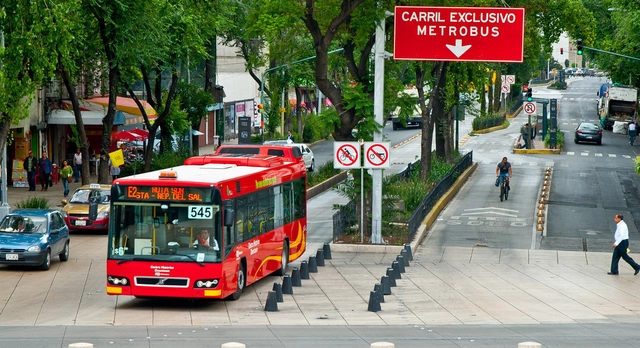
Against this backdrop, the concept of Sustainable Transit-Oriented Development (TOD) emerges to break with existing spatial planning paradigms. As the name suggests, TOD proposes action strategies that integrate urban design with transport and mobility planning, which can be implemented through public policies or urban projects.
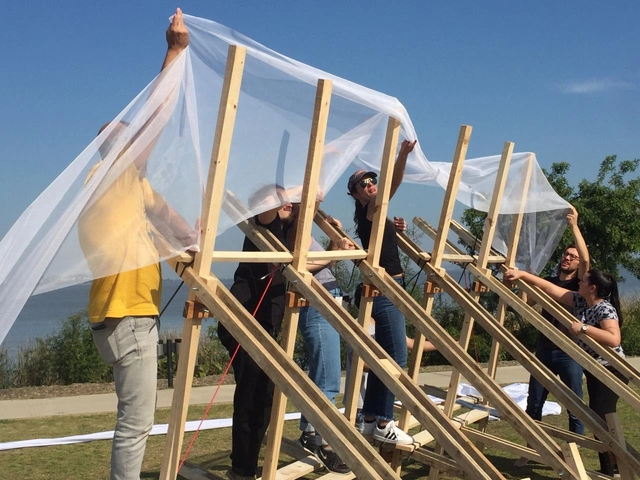
Design-build workshop: Habitáculo. ELA Escola Livre de Arquitetura. Image courtesy of ELA
The first architecture course in Brazil was established more than 200 years ago as part of the "French Mission" of 1816. The Royal School of Sciences, Arts, and Crafts of Rio de Janeiro offered the only course in the country for over fifty years. It was an institution geared toward educating the Brazilian elite, lacking any research purpose, and training an "architect-artist in service of the court."
According to architect and researcher Sônia Marques, the requirements for admission to the Royal School were "knowing how to read, write, and count," and the curriculum of the architecture course consisted of subjects such as: ornamental drawing, ornamental sculpture, archaeology and applied mathematics, perspective and shadows, and stereotomy (the technique of cutting construction materials), among others. Its foundation aimed to meet the needs of a clientele consuming symbolic goods—a demographic developed and fostered primarily by the recent presence of the Portuguese court in Brazil. [1]
Caring for the earth, caring for people, and caring for the future. These are the three ethical principles that have guided the practice of permaculture since the term was coined in the late 1970s by Australian ecologists David Holmgren and Bill Mollison. This was an era when the environmental movement gained significant traction, with the emergence of various organizations and movements united in an effort to curb the destruction of the planet's natural resources.
Its three core principles embody a commitment to caring for natural resources, pursuing a social life in harmony with nature, and creating systems to share these resources.
In his book Breve Historia del Urbanismo (Brief History of Urbanism), Fernando Chueca Goitia states that the medieval city appeared at the beginning of the 11th century and flourished only between the 12th and 13th centuries. According to the author, this growth was closely linked to the development of commerce that allowed permanent occupations, resulting in a city no longer composed mainly of travelers. In other words, the bourgeoisie was formed thanks to the most diverse activities - craftsmen, tradesmen, blacksmiths, longshoremen - which stimulated the development of the medieval city.
When designing in times of quick and constant transformations, one must keep a close eye on the surge of new demands, and one must design spaces that embrace such mutability.
Flexible furniture is a reflection of this contemporary behavior because they can be moved around easily, they have great adaptability, and because they can perform different functions in a single piece. These pieces enable several different layouts, being able to adjust their shape according to specific requirements and changes, which helps optimizing interiors.
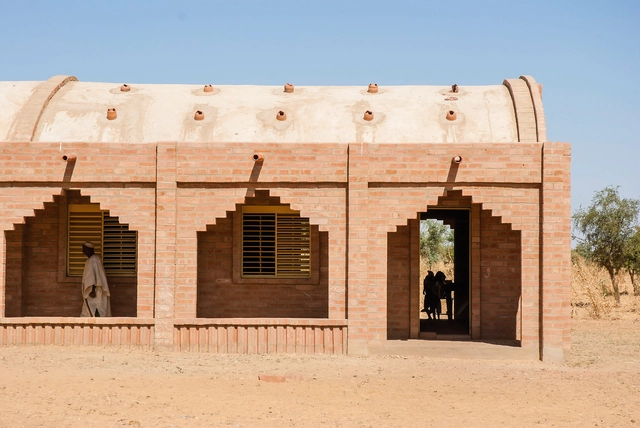
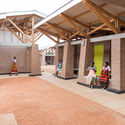
Primary School Tanouan Ibi, Mali. Image Courtesy of LEVS Architecten
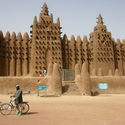
Vernacular architecture can be defined as a type of local or regional construction, using traditional materials and resources from the area where the building is located. Consequently, this architecture is closely related to its context and is aware of the specific geographic features and cultural aspects of its surroundings, being strongly influenced by them. For this reason, they are unique to different places in the world, becoming even a means of reaffirming an identity.
The search for the ideal city has always permeated human history, constituting a utopia pursued by rulers, artists, philosophers, and, in more recent history, by us, urban planners. Since the 19th century, various models of ideal cities have been proposed—and, at times, built—ranging from Howard's garden cities to mechanized, radial, and walking cities (like those of the Archigram group), to nomadic ones like Constant Nieuwenhuis's New Babylon, and modernist cities, among others.
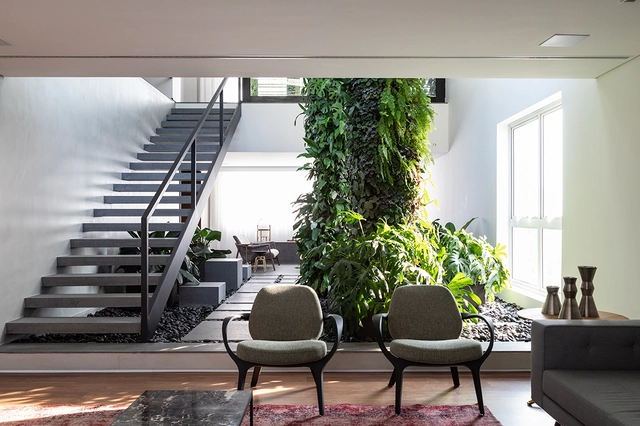
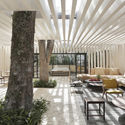
During times of isolation, many people have been talking about the importance of greenery in indoor spaces as a way to nourish our vital relationship with nature. These touches of green can contribute to the well-being and emotional comfort of users, whether in homes or commercial spaces.
Besides this psychological connection, a well-designed indoor garden can also help to purify the air and provide thermal comfort to the environment.
The abandoned city is a classic suspense setting, a place of terror and degeneration, a stimulating blend of danger and freedom. An ambience that ambiguously incites both repulsion and curiosity. A dark, hidden, and marginal space that seems to mourn, in its haunting silence, the void left by those who once lived there. Among its fragments scattered across the floor, fear, discovery, and the inevitable nostalgia for a past that is not necessarily one's own recreate stories of abandonment. Spaces that once had names, dates, and functions, now slowly decomposing in the solitude of the present.
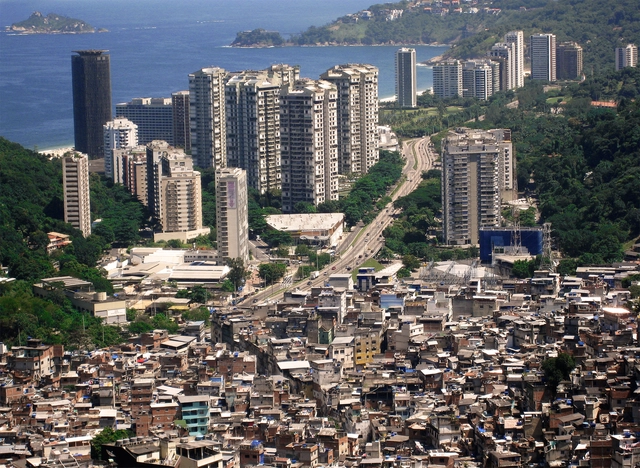
Rocinha Favela, Rio de Janeiro. Photo by: AHLN, via VisualHunt.com / CC BY
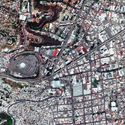
This coming Saturday, October 31, marks World Cities Day, an observance established by the United Nations in 2015 as part of the annual “Urban October” initiative. This celebration aims to foster international interest in global urbanization, enhance cooperation among countries to address urbanization challenges, and contribute to sustainable urban development worldwide.
Yet, while the word “city” generically denotes an “agglomeration of people within a defined geographical area,” in practice we know that each of these settlements is shaped by highly unique developmental and cultural factors. With this in mind, we are using this global celebration of cities to focus on our own reality, highlighting the challenges currently faced by Latin American cities.
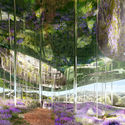
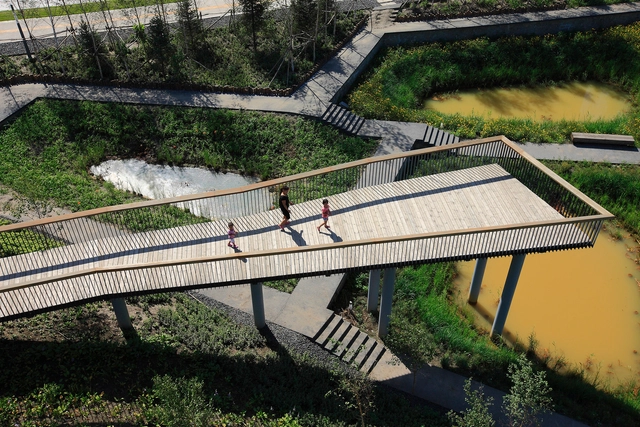
Rainwater Source Park / Turenscape. Image courtesy of Turenscape.
The 17 Sustainable Development Goals (SDGs) were established by the United Nations (UN) in 2015 as part of a global agenda aimed at implementing public policies to guide humanity toward a sustainable future by 2030.
According to the organization, the goals are a universal call to action to end poverty, protect the planet, and ensure that by 2030 all people enjoy peace and prosperity. They address a wide range of issues, including health, education, gender equality, reduced inequalities, sustainable consumption and production, the protection and sustainable use of oceans and terrestrial ecosystems, and inclusive economic growth.