Architecture and Urbanism education, as with all other fields of knowledge, was heavily impacted by the pandemic. Forced to stay home, students and teachers faced a tremendous challenge imposed by physical distancing: how to maintain the quality of teaching practices?
Most federal universities suspended in-person activities, but made their facilities, faculty, and researchers available to combat the pandemic. Research and academic advising were adapted to remote formats, and extracurricular activities were planned to offer alternatives to the abrupt halt of in-person education. Those programs that chose to continue their traditional academic calendars had to migrate content and rethink long-held convictions to adapt to virtual learning environments in a very short period of time.
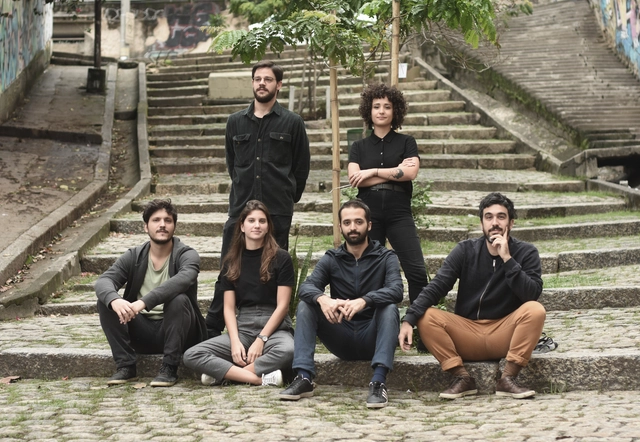
With seven years of professional practice, the Rio de Janeiro-based firm Gru.a Arquitetos has built works and interventions in different parts of the world. These architectural, urban, and art installation projects collectively set the group's work apart from traditional practice.
Among the hardships we have faced due to the pandemic, perhaps one of the most keenly felt is the loss of freedom to enjoy public open spaces. Walking down a pedestrian street, meeting friends in a plaza, exercising in large parks or on beaches, enjoying a nature that is also urban. Beyond the desire to meet someone, there is a deep yearning to meet somewhere—beyond the private and intimate sphere.
Born from a mechanical engineer's fascination with and interest in the work of Oscar Niemeyer, the Instagram profile Oscar Niemeyer Works has become a benchmark for the modernist architect's legacy, as well as a masterclass in communicating theoretical architectural content without being tedious. Rolando Figueiredo, now an architecture student, is the mind behind this achievement, successfully bridging two seemingly distant worlds: scientific research and entertainment. It is no coincidence that his account has amassed over 87,000 followers, including researchers, educational institutions, renowned offices, and architecture critics.
The Brazilian city is at the center of current debates on quality of life and social justice, driven by the widespread pandemic crisis affecting our urban centers. Not in a long time have both the relevance of urban planning and the value of quality housing design taken center stage as they do today, extending far beyond the social and technical circles where architects operate. It is as if we had forgotten that we are responsible for the cities we inhabit, and that neglect is also a form of design. Now, reality is taking its toll.
Amid the pandemic, it is estimated that 900 million people are or have been under home quarantine during the first half of 2020. Quarantine, imposed by the need for physical distancing, demanded a reorganization of routines, work relations, and, consequently, the spaces that previously accommodated these dynamics. Working from home is nothing new in many professions, including for some architects accustomed to independent design practice or research. However, the unprecedented nature of the pandemic has brought a series of challenges to performing different functions that must now take place in the same location, at the same time, and often by different family members (parents, children, grandparents).
Empty squares in Milan, Italy. Photo by Mick De Paola, via Unsplash
Coronavirus (COVID-19): an infectious disease caused by a newly identified virus in humans, resulting in a respiratory illness characterized by symptoms such as fever, cough, and, in more severe cases, respiratory failure. Highly contagious, the virus is known to be transmitted through respiratory droplets or nasal discharge. Consequently, the primary means of prevention is frequent sanitization.
When discussing acoustics, we usually think of architectural projects where sound takes center stage, such as concert halls, auditoriums, and schools. However, acoustic issues and their impact on the quality of spaces are much broader, extending to cities and less complex buildings, and can either enhance the spatial experience or make it increasingly stressful. Arquicast brings a fresh perspective to the importance of acoustics in our lives, interviewing architects Marcos Holtz, a specialist in architectural and environmental acoustics, and Ernani Machado, who holds a PhD in environmental comfort.
Today, technology is an inherent part of producing urban space. Among the most innovative of these tools is Virtual Reality (VR), which transports users into a simulated reality, allowing them to experience unbuilt spaces first-hand. Its applications extend far beyond real estate marketing, however: current research encompasses design experimentation, the immersive experience of historical built environments, and the recreation of architectural elements through prototyping. This potential has been unlocked by technological advancements and falling hardware costs, making VR increasingly accessible to students, professionals, and the general public.
Since 2008, Rua Arquitetos has dedicated itself to a wide range of projects, including exhibition design, residences, art galleries, and urban design projects. This experience has earned them national and international publications and awards, as well as participation in exhibitions at MoMA (2014), the MAK in Vienna (2015), the Carnegie Museum of Art in Pittsburgh (2016), and MAM São Paulo (2017). In addition to the architecture biennials of Hong Kong-Shenzhen (2013), Chicago (2015), Venice (2016/18), and the Lisbon Triennale (2016).
Twenty-first-century architecture and urban planning have at their disposal numerous technologies that help architects and planners think about space. Today, innovations such as augmented reality, hyper-realistic renderings, and 3D printing, among others, are part of the daily routine of the profession. Yet, none of these may influence the design process as profoundly as BIM technology, the acronym for Building Information Modeling. Its application demands that architects adopt a new approach to the construction of our buildings.
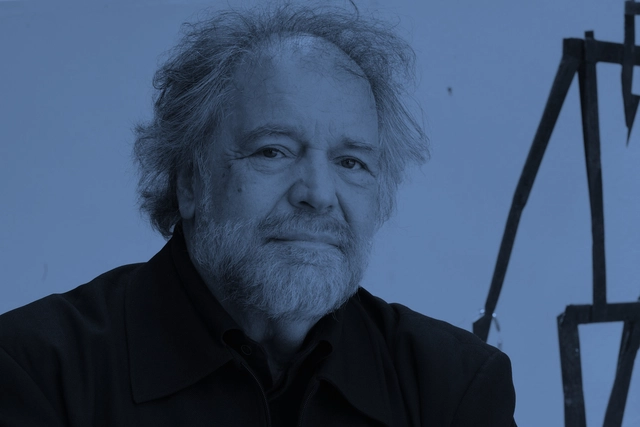
This week's Arquicast Entrevista features the work of an internationally recognized architect from Minas Gerais. A 1973 graduate of the School of Architecture at the Federal University of Minas Gerais (UFMG), Gustavo Penna founded his firm, GPA&A, that same year. Since then, the practice has been based in a century-old mansion in downtown Belo Horizonte. Penna has won numerous international awards, and his work has been exhibited in Brazil and around the world, including at the São Paulo Architecture Biennale, the Venice Biennale, the World Triennial of Architecture in Belgrade, and the Institut Français d’Architecture in Paris.
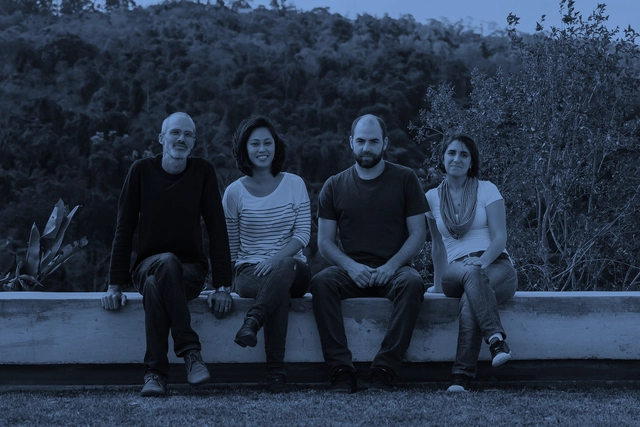
This week's Arquicast Interview features a São Paulo-based firm with four partners who understand the value and importance of an architectural project to the client. With diverse experience across various typologies and project scales, they seek to research and develop new ways of practicing architecture, resulting in a contemporary body of work. Their projects have been exhibited at Biennials in Venice, Rotterdam, and Quito, and have won several national and international awards. One of the most iconic projects in the firm's history was a house built for a very special client: Dona Dalva, who saved money from years of hard work to build her home in Vila Matilde. The guest for this interview is Danilo Terra, from Terra e Tuma Arquitetos Associados.
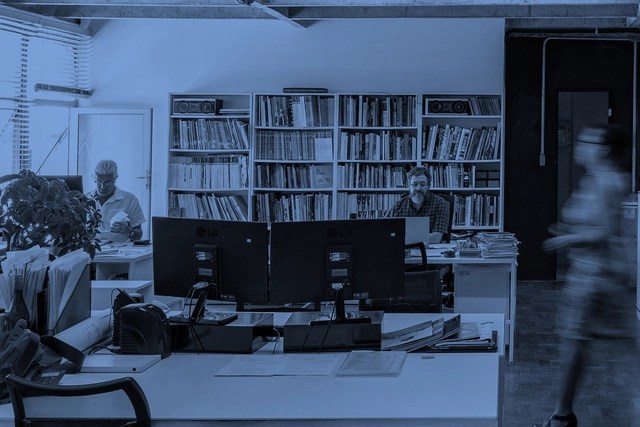
A new episode of the Arquicast Interview is now live, this time featuring Bacco Arquitetos Associados. Operating for 25 years, the firm defines itself as a multidisciplinary practice that seeks to balance its business operations with a studio atmosphere, fostering an environment rich in discussion and critical reflection. Their portfolio spans a diverse range of typologies, from logistics hubs to residential and industrial buildings.
Reflecting on the everyday. This is the premise of the 12th São Paulo International Architecture Biennial, which opens this September in the capital. Under the theme “Everyday” (“Todo dia”), the biennial aims to address the “most trivial dimension of reality,” shedding light on the production of ordinary, common space—which is, for this very reason, fundamental to the quality of the environment we inhabit daily. Curators Vanessa Grossman and Ciro Miguel join us for a conversation about this key event, which plays a crucial role in bridging academic research, architectural practice, and society at large.
According to Flávio Kiefer, museums are as old as human history itself. They have existed ever since humans began collecting and storing valuable objects in rooms built specifically for that purpose. Today, museums are more than environments that organize history: their programs are diverse and complex, their spaces flexible, and innovations are constant in the conservation, exhibition, and lighting of artworks. This week's Arquicast spoke with architect and specialist Carlos Eduardo Ribeiro about museum architecture and the entire debate surrounding this prestigious architectural program.
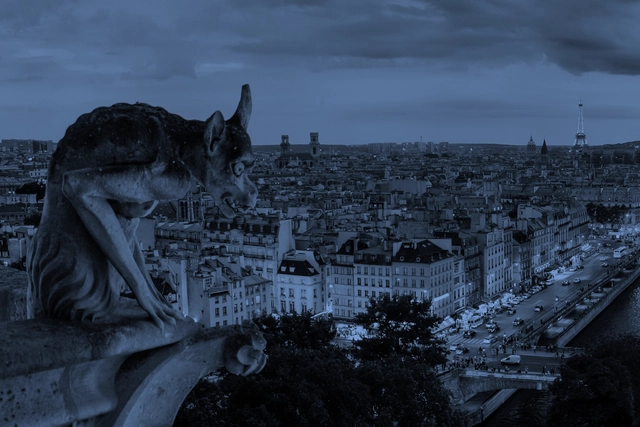
In another episode of the Architecture and Cinema series, Arquicast brings the film Paris, I Love You to the discussion. In addition to the usual podcasters, the episode features advertising professional and journalist Janaina Pereira, who holds a postgraduate degree in Cinema and contributes to various entertainment outlets. Janaina previously participated in episode #58 on the film Her. Another returning guest on Arquicast is cinematographer and cinephile Kiko Barbosa, who always brings engaging insights to our conversations.
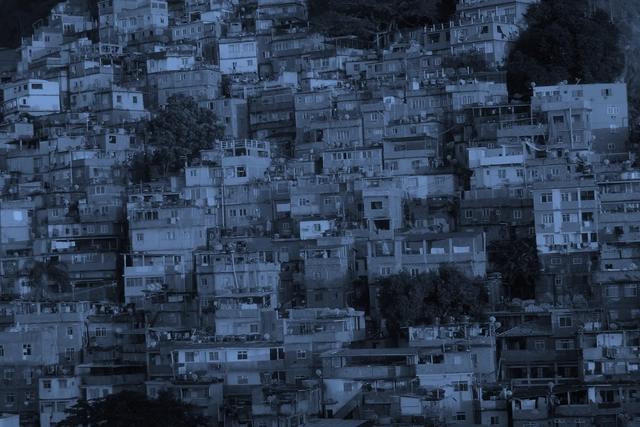
This year, the Favela-Bairro Program marked 25 years since its creation. Several events and articles have reflected on the milestone, assessing the program's impact on urban housing in the participating cities. We at Arquicast also discuss the topic in episode 76, now available on our platforms.