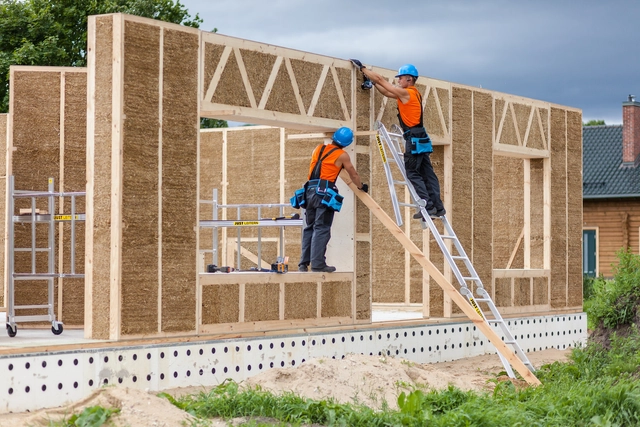
Straw panel system. Courtesy of Ecococon via Cradle to Cradle
In the architecture industry, environmental sustainability applied to the design and production of eco-efficient products has been receiving increasing attention. In this episode, Arquicast speaks with Sami Meira, an architect graduated from Florida Atlantic University and a specialist in Sustainable Business Strategy and Material Health.
This episode of Arquicast discusses how the sustainability agenda directly influences architectural projects, particularly interior design. Over the last few decades, transformations in production methods and lifestyles have taken a negative toll on our relationship with planet Earth. Sustainability intersects with multiple layers of these issues, and the same holds true for architecture, design, and the construction industry.
An issue frequently raised by our listeners is the uncertainty that looms after graduation. Gone are the days when finishing school meant entering a relatively stable professional environment with the immediate possibility of putting a structured career plan into action. Today, a far less predictable reality awaits recent graduates, bringing both good and bad news.
In a world that is physically more connected than ever, yet socially unequal and fragmented, what should be the contribution of architects in the pursuit of more egalitarian, developed, and humane cities and communities? According to the authors of this book, the subject of our conversation in this episode, our practice must necessarily embrace its political dimension.
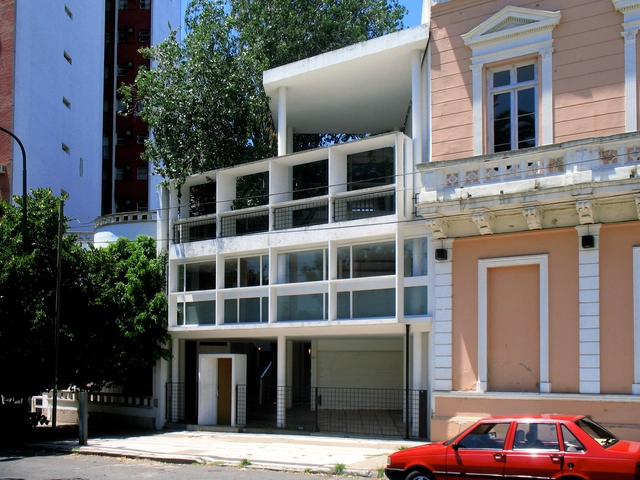
Curutchet House in La Plata, Argentina. Photo: Wikimedia.org, CC license
In this episode of Arquicast, the conversation revolves around a film that, despite being set in the only project by Le Corbusier actually built in Latin America, centers its plot on an architectural element that is, shall we say, almost secondary from the work's compositional standpoint: the back boundary wall. We are talking about the award-winning Argentine film The Man Next Door (El hombre de al lado). Neighborly relations and architecture itself serve as the starting point for the directors to address thorny issues such as property rights, social inequality, culture, and intolerance.
One of the topics most requested by Arquicast listeners is architecture and interior design. In this episode, the team features the perspectives of two prominent professionals who are part of the complex production network shaping interior design, exploring the challenges and potential of the project's various stages. The guests are Silvana Carminatti, an interior designer with a degree from the Belas Artes University of São Paulo, specializing in business management and leadership, and current president of the ABD (Brazilian Association of Interior Designers); and Christie Silva Schulka, an advertising graduate with an MBA in marketing from FGV and a specialist in neuroscience with an emphasis on digital neuromarketing from UP, who currently serves as marketing director for Roca Brasil Cerâmica.
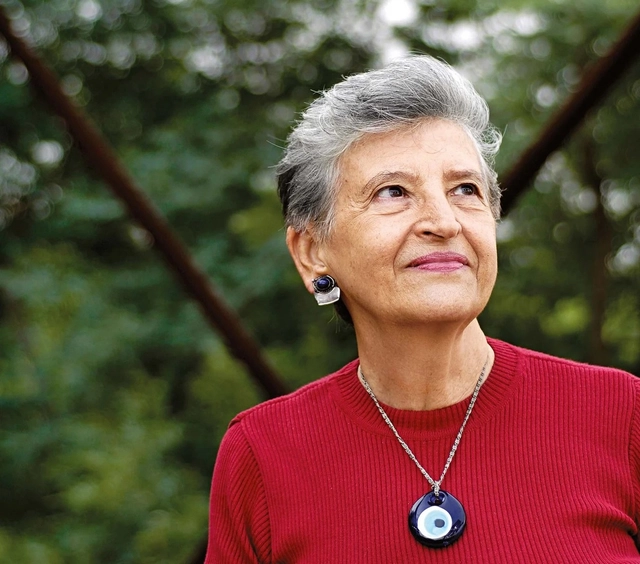
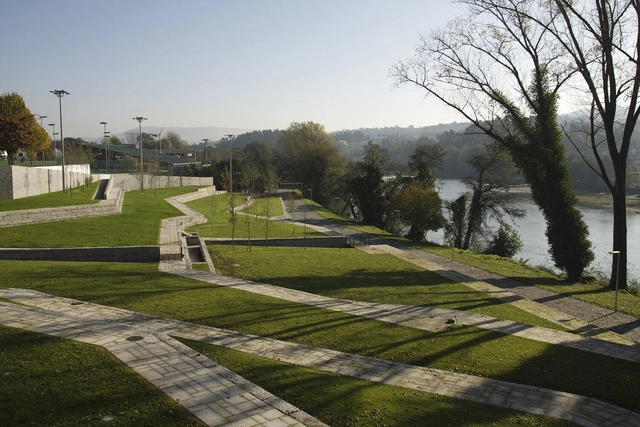
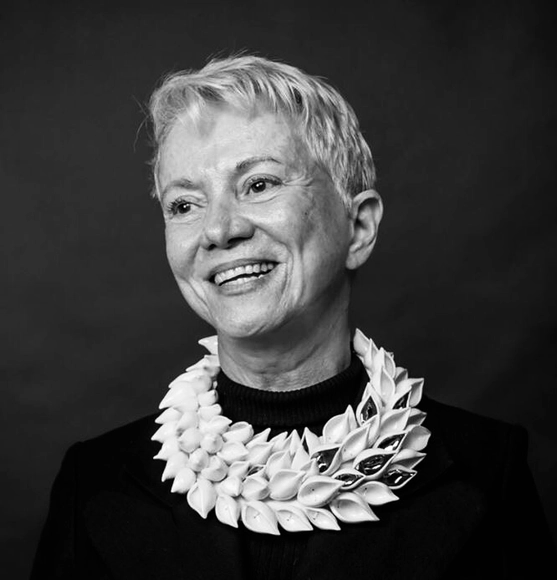
In this episode of the Perfil do Arquicast series, which reflects on the lives and works of established figures in architecture and urbanism, the team discusses a Brazilian architect who, in her own words, "invented a profession" in which she became a global reference. Through her courageous and engaged stance, she went far beyond her professional duties to make an invaluable contribution to elevating an entire class of architects dedicated to studying and shaping the Brazilian landscape. We are talking about the grand dame of Brazilian landscape architecture, architect and landscape architect Rosa Grena Kliass.
This week's episode of Arquicast discusses the skills and abilities developed during the education of architects and urban planners that can be applied to professional pursuits extending beyond the traditional scope of architecture. Divided into three categories, the 21 careers featured in Ariana Zilliacus's article for ArchDaily demonstrate the wide range of options available to architects, offering a viable alternative to bypass market competition.
Arquicast invited a team for a conversation that embodies a new vision of architecture and its power to mobilize, conceive, and execute transformative projects. They are part of a generation of professionals who will undoubtedly shift the focus of our craft, serving as role models for many young Brazilians who dream of studying architecture and urban planning—or other disciplines that can foster new practices in the places they call home and hold dear.
We are talking about Ester Carro, from the NGO Fazendinhando, established in Jardim Colombo in Paraisópolis, São Paulo. Also joining the conversation are the NGO's financial director, Erik Luan, and Kamilla Bianca, who manages the project's marketing.
In this episode, Arquicast crosses the Atlantic to dive into our Lusitanian roots. The relationship between Portuguese and Brazilian architecture is a subject of constant theoretical reflection and has long guided key design practices, such as those undertaken by Lucio Costa in the early days of the Modern Movement in Brazil, when seeking a national architectural language that was innovative yet coherent with its origins.
Today, in an era of cultural globalization and the intense flow of knowledge, we know that the dialogue between Brazil and Portugal extends far beyond architecture, also reflecting in an ecosystemic approach to the landscape and a humanized vision of the territory. There is still much to learn together, and there is no better way to learn than through dialogue.
The latest episode of Arquicast addresses one of the most defining and tragic events in recent history—an event that triggered radical political, social, and cultural shifts globally, and centered on an American architectural icon whose symbolism transcended the physical buildings themselves, giving rise to one of the world's most renowned design competitions. We are referring to September 11, 2001, the day a terrorist attack killed nearly three thousand people, injured over six thousand, and brought down the World Trade Center commercial complex, which included New York's world-famous Twin Towers.
This week's podcast tackles a topic that, as the saying goes, offers plenty of food for thought. For architects, representing a project is not only a form of artistic expression but also requires mastering a series of tools that must graphically translate the information needed to bring a building concept to life. In this sense, the history of architectural representation is deeply intertwined with the history of design itself, remaining a constant subject of reflection and evolution in our field.
Arquicast has shared with us a recent interview with one of the most important Brazilian architects of her generation, whose work perfectly exemplifies the diverse responsibilities that architects can assume in their contribution to society. Maria Josefina de Vasconcellos, better known as Jô Vasconcellos, shares a bit of her history and her plans for the future.
The Arquicast Interview series welcomes another major firm to the conversation. Led by three architects, all alumni of the University of Brasília (UnB)—Daniel Mangabeira, Henrique Coutinho, and Matheus Seco—Bloco Arquitetos is based in Brasília, one of the country's most iconic and challenging cities. Working across various scales and programs, the firm is characterized by a multidisciplinary approach. In addition to their architectural commissions, they coordinate several initiatives aimed at promoting Brazilian architectural culture and the profession itself. Partners Henrique Coutinho and Matheus Seco join us to discuss this work dynamic.
The winner of the top awards at the 2021 Oscars is the subject of the latest episode on architecture and cinema from Arquicast. Nomadland, directed by Chinese-born, US-based filmmaker Chloé Zhao, portrays the life of a woman who, after losing her husband and her financial stability, moves into a van, traversing the American West and adopting a lifestyle described as nomadic. The film depicts the reality of people who, for various reasons, find themselves in this situation, prompting us to reflect on what it means to belong to a place, the definition of dwelling today, and the emotional connections we forge with the cities and landscapes we experience. Joining us to discuss these issues is Romullo Baratto, who holds a master's degree in architecture and cinema from FAU-USP and serves as the Editorial Manager of ArchDaily.
Since 1895, the Venice Architecture Biennale has taken place across various venues in the Italian city, bringing together the most representative examples of architectural production from around the globe. What is commonly known as the Venice Architecture Biennale is, in fact, the international architecture exhibition that forms part of a broader group of multidisciplinary showcases. As both an institution and an event, the Venice Biennale involves the simultaneous organization and promotion of international festivals and exhibitions spanning art, cinema, contemporary dance, and theater.
The relationship between architecture and cinema is a recurring theme on Arquicast. These are two distinct art forms with different purposes, yet they complement and influence one another through shared attributes—such as tapping into collective memory, valuing the image as a visual language, and evoking emotions and sensations in users and viewers alike. The podcast team is so passionate about discussing cinema that they created a dedicated series on the topic, with a dozen episodes already produced.
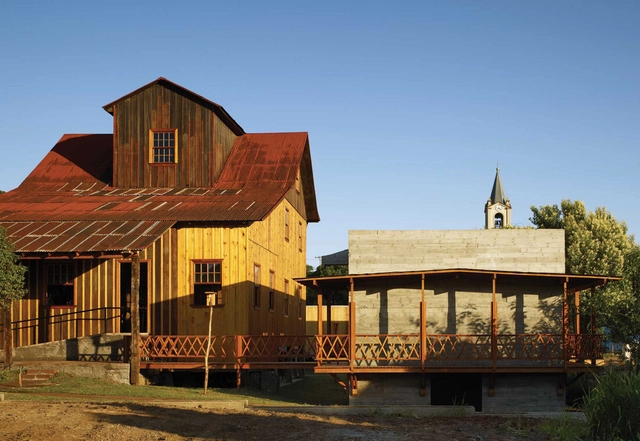
Marcelo Ferraz, founding partner—alongside Francisco Fanucci—of Brasil Arquitetura, an office that has garnered numerous national and international awards in recognition of projects that are deeply sensitive to their site, yet essentially contemporary, is this week's guest on Arquicast.