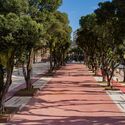
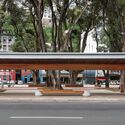
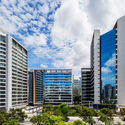
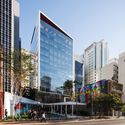
mobility, but also for other urban functions, bringing greater complexity to the use, occupation, and development of cities, as well as stairways, elevators, sidewalks, and bike lanes, among other active mobility devices. All of these structures are known as “architectures of mobility.”
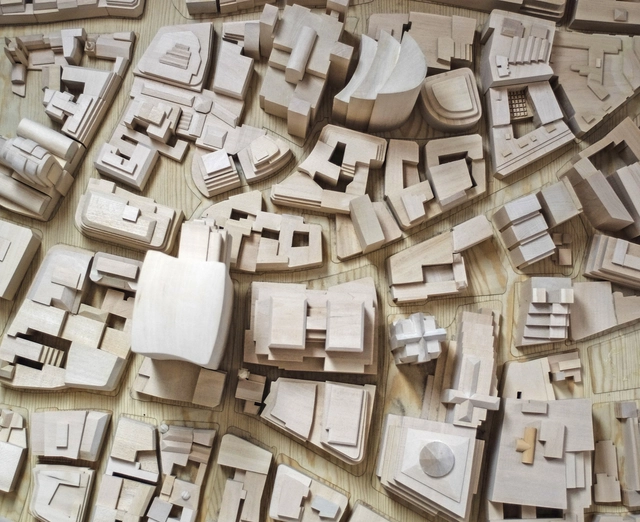
There is no doubt that architectural models are among the oldest forms of architectural representation. In the first episode of the year, Arquicast discusses this theme within the context of publications and debates on the training of new professionals. After all, models are ubiquitous: they are found in architecture exhibitions (often built exclusively for them), in museums as part of the exhibits, and in architecture offices, where they are typically finalized for the big presentation day.
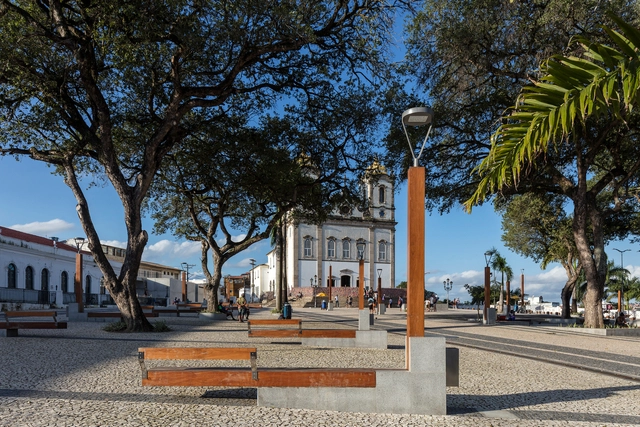
In this interview episode, Arquicast sits down with the founder of Sotero Arquitetos, architect Adriano Mascarenhas. A graduate of the Federal University of Bahia, his work spans a highly diverse range of scales and programs.
Architectural lighting design is a broad subject, as it encompasses discussions on the physical and perceptual aspects of light, its applications in lighting projects, luminous effects, and the variables of comfort and performance. Furthermore, it is within the lighting design itself that the integration of natural and artificial lighting systems takes place. Arquicast invited two professionals from the field—one from the manufacturing industry and the other from design services—to outline the current state of this specialty in Brazil.
Today's world presents significant challenges for the press at large. Amid widespread debate over news consumption and journalism, architectural publishing is no exception. In a profession where images are paramount, the shift in landscape—from print to digital media—has brought numerous challenges, intensifying the competition for audiences. Social media has become a platform where people not only consume but also produce content.
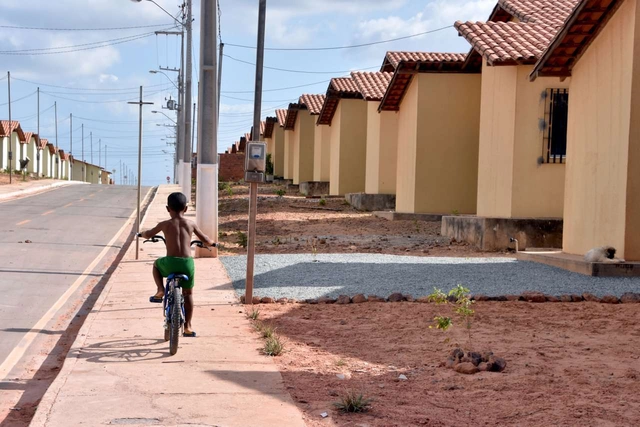
For another episode in the series on Social Interest Housing (HIS), Arquicast has selected a crucial chapter of our recent history: the Minha Casa Minha Vida Program (MCMV). The episode discusses the foundations of the so-called housing deficit, the program's progress, and its shortcomings.
In a new interview episode, Arquicast speaks with one of the most renowned and established practices in Brazilian architecture. In 2022, aflalo/gasperini arquitetos celebrates 60 years of a practice that has evolved alongside the nation's architecture. A commitment to building performance is central to their work, as is their pursuit of the most advanced technology to support sustainable design—an approach validated by several of their older projects that have gone on to receive international certifications.
Located in the neighborhood of São Cristóvão in Rio de Janeiro, the Prefeito Mendes de Moraes Residential Complex, better known as Pedregulho, was designed by architect Affonso Eduardo Reidy in 1947 to house public servants of the then-Federal District. The project marks a moment of international recognition for Reidy's architectural and urban design work, while also highlighting his significant partnership with Carmen Portinho.
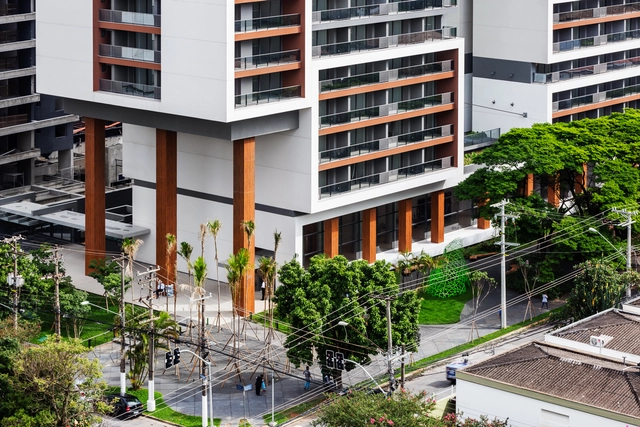
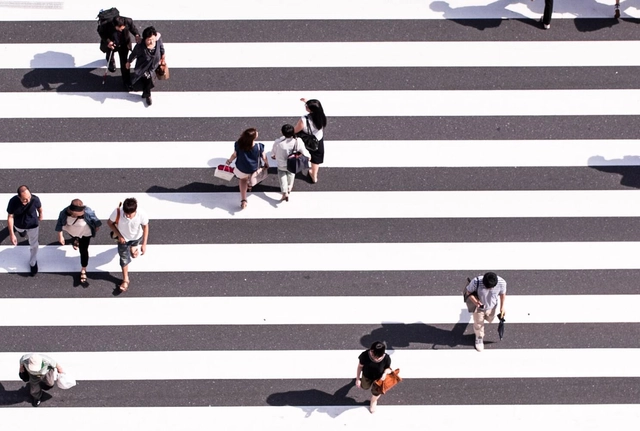
Urban planning is of interest to everyone, but it is no subject for novices. With this in mind, Arquicast invited professionals who contribute directly to the field through extensive research and practical experience for a conversation. Joining the podcast are Roberto Ghidini, an engineer, urban observer, founder of Sociedad Peatonal, and PhD in Urbanism from UPM (Polytechnic University of Madrid); and João Flávio Folly, an architect with a Master’s in Urbanism from UFF and currently a PhD candidate in Mobility and Urbanism at PROURB/UFRJ.
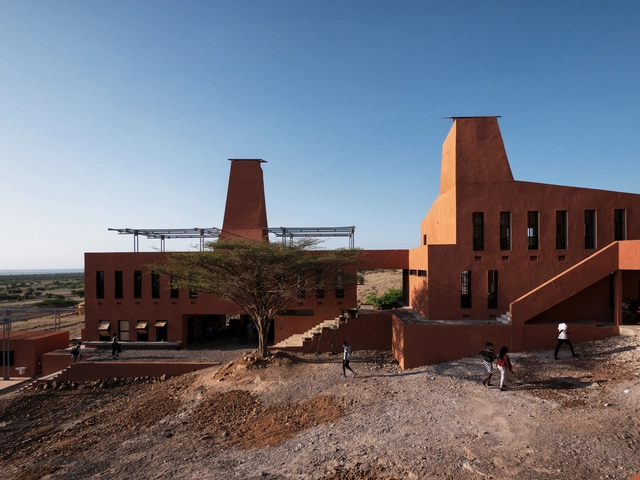
Startup Lions Campus / Kéré Architecture. Courtesy of Kéré Architecture
African architect Diébédo Francis Kéré, known worldwide for work guided by a social vision of architecture and design practice as a tool for inclusion and transformation, was this year's Pritzker Prize laureate. To discuss the award, the jury's selection, and its implications for architectural culture as a whole, Arquicast invited Caio Dias and Bruno Sarmento.
One of the most talked-about films of the year is part of an acclaimed franchise that features the city as one of its main characters. While the protagonist is a well-known superhero, it is impossible to talk about Batman without talking about Gotham City. In this episode, Arquicast discusses the latest installment of the Caped Crusader's saga, following his journey to rescue Gotham from the clutches of organized crime and restore a sense of citizenship that might bring unity and hope to the city's unequal and battered population.
A quick search is all it takes to realize there is no shortage of knowledge, experience, and innovation surrounding mobility within and between urban centers. Arquicast invites two experts on the subject to join the debate: architect Fernando Lima, PhD in Urbanism from UFRJ, adjunct professor at UFJF, and Visiting Professor at Pennsylvania State University; and administrator Rodrigo Tortoriello, who holds an MBA in Transportation Engineering from UFRJ and is the former Extraordinary Secretary of Urban Mobility for Porto Alegre.
The latest episode of Arquicast on construction industry trends explores the key themes that dominated architectural debate throughout 2021 and how these issues are shaping market expectations for the year ahead. Sustainability, innovation, technology, and workplace culture are among the core concepts discussed—all of which, in one way or another, seem central to the shifts on the horizon for 2022.
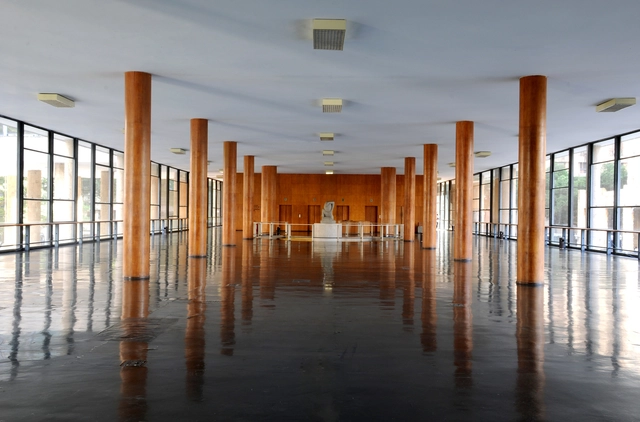
The design for what was then called the Ministry of Education and Public Health was developed during 1936 by a team comprising architects Oscar Niemeyer, Affonso Reidy, Jorge Moreira, Carlos Leão, and Ernani Vasconcelos, under the coordination of Lucio Costa. At the request of the then-Minister Gustavo Capanema and with guidance from Le Corbusier, the team of young Brazilian modernists was tasked with giving a national identity to the building that would become one of the greatest icons of Brazilian architecture, in direct opposition to the dominant aesthetic of the time. The decision not to commission the original design, which had won the public competition held for this purpose, is just one part of this incredible story.
When we think of an architecture firm, what typically comes to mind is the design and development of projects of varying complexity and scale, traditionally associated with lived space—whether designed for residential, commercial, or institutional purposes, among many other activities that characterize our urban lifestyle. Consequently, encountering a portfolio that simultaneously features residences, nautical equipment, public transit systems, and small appliances—such as ceiling fans, air purifiers, and citrus juicers—can elicit a certain surprise.
In this episode, Arquicast pays tribute to Ruy Ohtake, an internationally renowned São Paulo architect with an impressive portfolio of built projects and the mind behind some of the most iconic buildings in the city of São Paulo. Ruy passed away in November 2021 at the age of 83. To help us trace the life and professional trajectory of this son of Japanese immigrants, we invited three prominent figures—leading authorities on Ohtake's work, his context within the history of Brazilian architecture, and the distinctive traits of his striking personality. Joining the conversation are architects Abílio Guerra, Renato Anelli, and Rodrigo Queiroz.
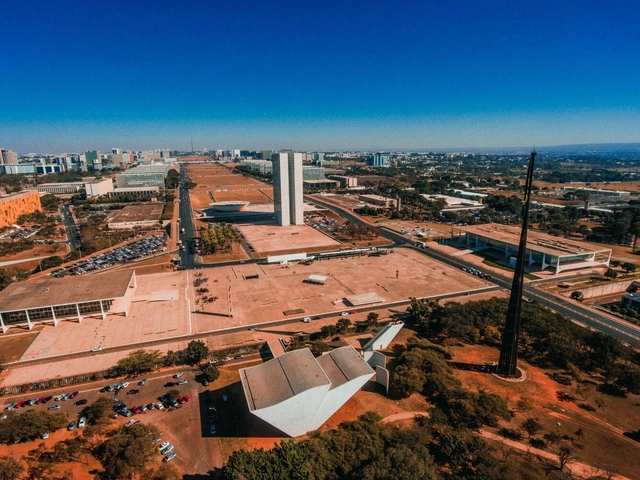
Arquicast invited architect Matheus Seco, a Rio de Janeiro native from Bloco Arquitetos, to discuss Brasília, their home for several years. The topic is particularly compelling: not only is the city's history intrinsically linked to the image of a nation, but it also offers a vast archive of exceptionally high-quality photographs, maps, floor plans, and other iconographic records.
Founded in 2004 by then-architecture students Carlos Maia, Débora Vieira Mendes, and Igor Macedo, Tetro Arquitetura boasts a portfolio that spans projects across much of Brazil, yet maintains a remarkably cohesive approach. In the view of some architectural critics, the formal and conceptual identity defining the firm's work is driven in part by the influence of the Brazilian modernist tradition. But is this actually the case? This and other questions are explored in this casual conversation with the unconventional trio from Minas Gerais.