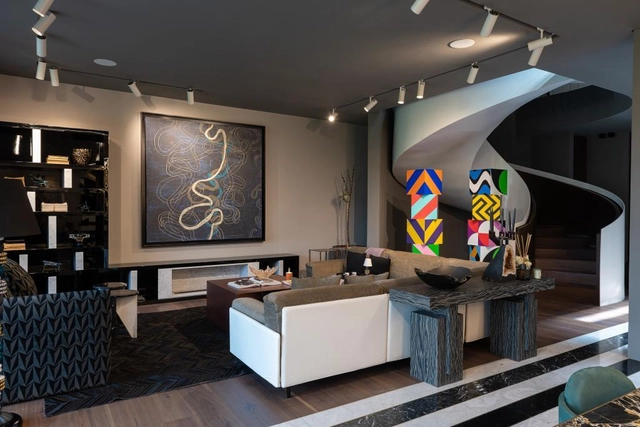
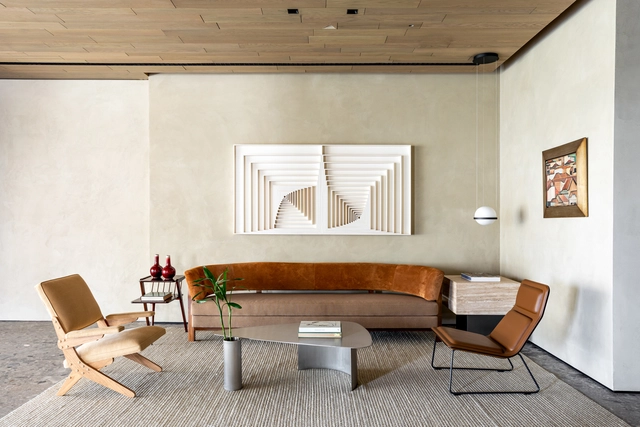
When designing residential interiors, architects increasingly lean toward creating environments where flexibility and space optimization provide solutions tailored to programmatic and functional needs, helping to achieve the well-being and comfort that turn a house into a true home.
This year we celebrate the fourteenth edition of the Obra del Año 2022 award—the highest recognition in the Spanish-speaking architectural world, where the winners are chosen by popular vote. Starting today, Tuesday, March 8, our readers will be responsible for determining which projects inspired us during 2021, faithfully representing the identity of our local contexts while shaping the way architecture is practiced around the world.
With nearly a thousand projects published in 2021, you can easily find your favorites by browsing through each category and using the search engine to filter projects by country and architecture firm.
The 2022 Obra del Año Award is brought to you by Dornbracht, renowned for its design leadership in architecture, which can be found internationally in bathrooms and kitchens.
Ana García, architect and founder of NeuronaLab, recently interviewed Aureli Soria-Frish from the company Starlab. They discussed how the latest technological advances are increasingly being used to objectify neural activity and the emotional states associated with architectural spaces. Below, she shares her key reflections.
https://www.archdaily.com/1132615/neuroscience-how-to-measure-the-perception-of-architectural-spaceAna García
CHINAS CHINAS is a research project conducted by FLORA. It maps a trajectory through the city of Buenos Aires, Argentina, based on a typological analysis of Chinese supermarkets. Its objective is to recognize and explore the modes of appropriation and domestic micro-scales that occur within them, demonstrating that urban architecture is shaped by everyday banalities. Ultimately, architecture takes on meaning when living conditions are defined by the people themselves. Inhabiting—beyond mere functionality—is precisely about this.
Mexican interior designer and artist Olga Hanono has been invited to present her latest exhibition, DREAMVILLE, at La Biennale de Venezia Modigliani Opera Vision, from May 1 to July 31, 2022. The collection is inspired by the human capacity to dream, reflecting on imaginary objects that might exist within a dreamscape, along with the variety of colors and shapes found in distant stars, planets, and galaxies. Hanono has created art pieces and furniture using unconventional, luxurious materials.
Collage: Kevin Fu Fang, Cristobal Palma, Eduardo Hirose, Renzo Rebagliati, Iván Salinero
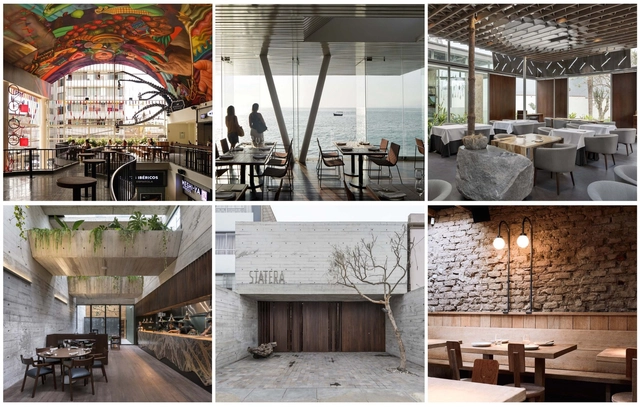
The world of gastronomy is about far more than just food; space plays a vital role in the overall dining experience. To achieve this, architecture transcends mere functionality to cultivate distinct atmospheres through the meticulous curation of light, acoustics, color, texture, and form, ensuring both intimacy and comfort for diners.
The city of Lima—capital of Peru, a preeminent culinary destination—features a diverse array of restaurants and cafés that reflect the country's rich heritage. Below, we present a selection of 10 restaurants and cafés offering unique dining experiences across the city.
Could a space be one and many at the same time? Under the name Minimum Common Multiple, Estudio BNAA has designed a space of minimal footprints—typically used for commercial premises or offices—with the unique feature of being able to transform into multiple spaces simultaneously. Located in San Luis, Argentina, the project references the mathematical concept of the least common multiple (LCM) but from a different approach and function, combining movement, flexibility, and the use of magnetism as a construction system.
Through the construction of a narrative fiction, this work by Federico Lagomarsino, framed around the landscape, aims to depict everything that unfolds in contemporary society when a singular event occurs—in this case, the impact of the two largest meteorites detected to date in South America.
Traducciones: la utopía y el vacío performativo. Image Cortesía de Juan Manuel Sandoval Perdomo
To showcase the valuable work emerging from Latin American and Spanish universities, this year we launched an open call inviting architecture students to submit their graduation projects completed in 2021.
After thoroughly evaluating 137 proposals, our editorial team has selected and highlighted 10 projects that demonstrate rigorous critical thinking in response to their self-defined challenges. The selection valued not only those projects that delivered the best possible architecture through efficient design tailored to their context, program, and users, but also those that paid significant attention to human scale, the environment, experimentation, and new ways of addressing architecture in cities.
It is well known that the construction industry is one of the world's largest producers of CO2. While significant progress has been made in technology and design and construction processes, a long road remains to minimize or virtually eliminate carbon emissions in the development of the built environment.
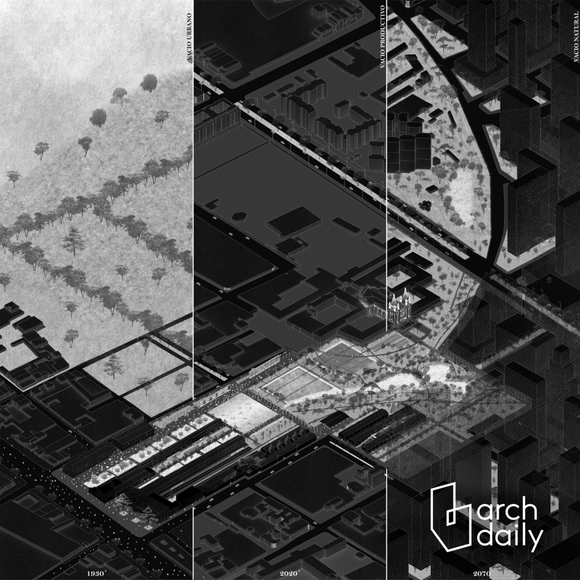
Is there a future for our cities without a sustainable way of life? For some time now, urban sustainability has been viewed primarily through the lens of climate change rather than a holistic vision that integrates society and the way we live in community.
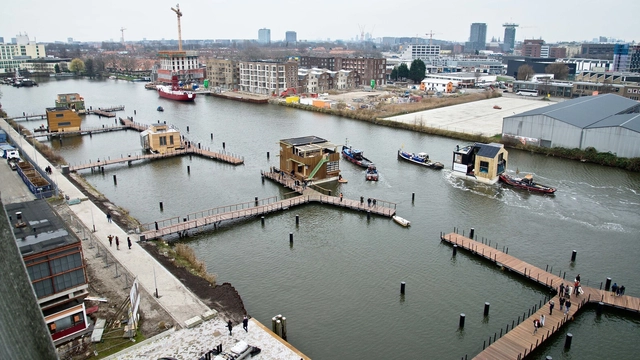
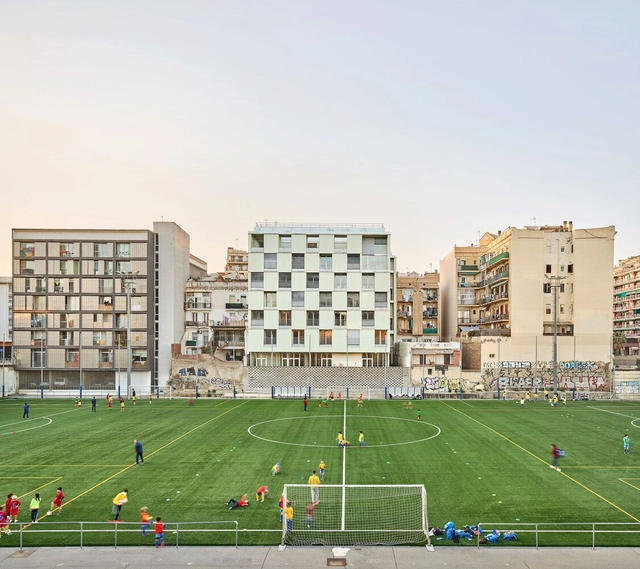
What new ways of living are we experiencing amid social, economic, and ecological shifts? We need to bring to the table different reference cases from around the world and understand the latest trends shaping how we live in our cities.
We want you, our readers, to not only be the first to share examples of co-living, cooperatives, and any new types of social housing you consider benchmarks, but also to share your thoughts on the matter in the form below. Selected comments will be published in an upcoming article.
Publishing architecture is necessary for the discipline itself to be understood as such. Without it, architecture becomes an endeavor devoid of public inquiry, confined to private practices. Yet its presence opens up a field that translates a material language into a written one, reformulating the discourses emerging from this arena. Among the “smallest” of these publications are fanzines—mediums that arise from a desire for self-management and low-cost, small-run production, capable of adapting to diverse content, whether in the form of a booklet or simply folded paper.
The playful potential of the fanzine has sparked growing popularity in Chile, culminating in its inclusion in the XXI Chilean Biennial of Architecture and Urbanism in 2019. Although awareness of this medium predated this event, there is still a gap in understanding its characteristics. This necessitates asking simple, almost naive questions about the specific conditions of its production—discussions that ultimately reveal an invisible network woven among individuals who, without knowing it, were already connected.
When defining the aesthetic of a space, whether interior or exterior, architects and interior designers should first ask themselves what the needs of its future inhabitants are or will be. Dialogue with users is essential to establishing the style of these spaces, which shapes their physical environment through composition, color, form, and furniture.
Today, technology is increasingly ubiquitous in major cities, driven by the rapid pace of capital-driven movement. A popular term to describe the relationship between urbanism and technology is “Smart Cities,” which centers on leveraging data to enhance building connectivity. However, widespread access to these new technologies has revealed how our unique experiences as citizens—driven by a strong desire to document urban environments—allow us to map and experience cities from alternative perspectives.
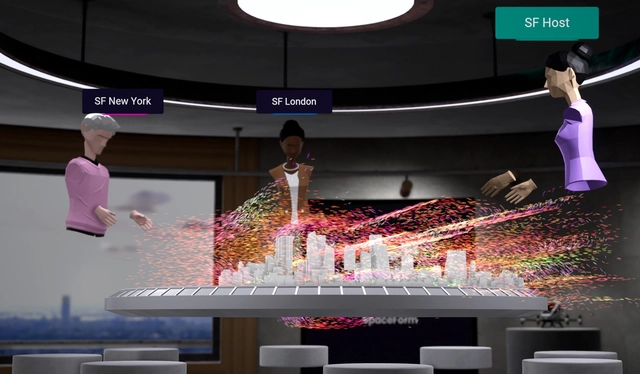
UNStudio y BIG invierten en la plataforma de diseño virtual SpaceForm. Image Cortesía de UN Studio
From NFTs and the Metaverse to the productive advantages of real-time rendering, this year offers a tremendous opportunity to discuss the latest trends in architectural visualization. To this end, we opened the debate to our readers around these questions: How much can we learn from other related industries like cinema, video games, and industrial design? How can architecture contribute to and advance the world of visualization?
After reading and compiling all the comments received—from construction professionals, students, and architecture enthusiasts alike—we agree that as technological advancements continue, the future of architectural visualization will likely be more democratic, liberal, and decentralized. Below, we share the most frequent viewpoints from our readers.
Yesterday marked the opening of the seventh International Festival of Urban Interventions in Lima, Peru. The opening day featured a series of events at the Lugar de la Memoria, aiming to shape the agenda, stimulate public debate, and highlight diverse efforts from multiple fronts striving to build a better city for everyone.
https://www.archdaily.com/1132137/fiiu-7-urban-intervention-festival-opens-in-limaDiego Vivas
As part of the programming hosted by Museo Jumex from April 2 to September 18 in Mexico City, "Urs Fischer: Lovers" presents a 25-year retrospective of one of today's most celebrated international artists. Organized by guest curator Francesco Bonami, the exhibition brings together new pieces created specifically for the museum alongside works from international public and private collections, as well as the artist's own archives. Together, these works showcase the expansive creativity, humor, and depth of the artist's practice.
https://www.archdaily.com/1132140/urs-fischer-presents-his-first-major-exhibition-for-mexico-and-latin-america-at-museo-jumexArchDaily Team
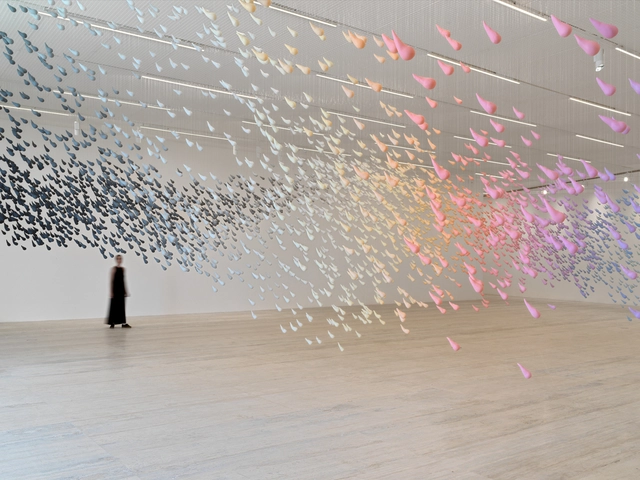
As part of the cultural programming for Mexico City's Art Week, PEANA presents the exhibition Por debajo del árbol at Agustín Hernández's Architecture Studio, which opens its doors to the public for the very first time. The show brings together contemporary works by fifteen artists in dialogue with Agustín Hernández's creative universe. Curated by Ana Pérez Escoto and Carlota Pérez-Jofre, the exhibition will run from February 10 to March 4.
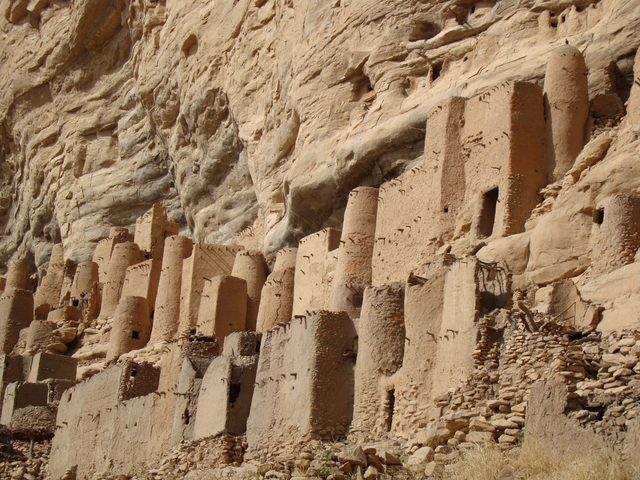
We visited “Dogon Country” in Mali (latitude 15°N) in 2008 to observe how vernacular “Dogon” architecture (a UNESCO World Heritage site) has achieved the counter-form of lived experiences. We were looking for the coherence between society and dwelling through architecture and urbanism in another dimension and another culture.
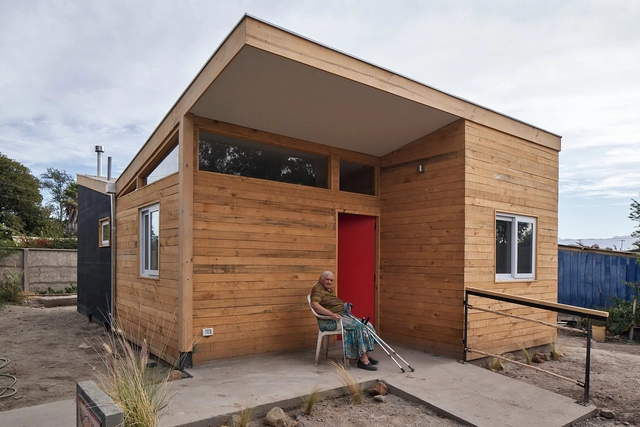
Throughout its history, CHC has participated in and supported social projects that improve the quality of life of their residents, while constantly seeking to establish new and better standards that contribute to the construction of spaces. In this particular case, the project led by architect Jaime Ovando integrates public funds through Chile's Habitabilidad Program and the Illustrious Municipality of Paine, along with private contributions from building material companies, the architecture firm, and the construction company, including CHC.
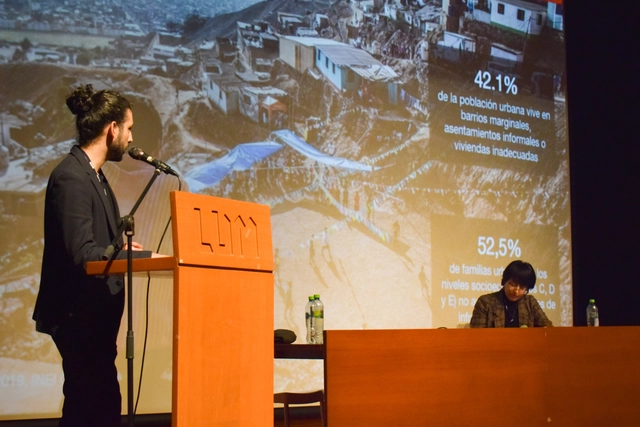
Thinking about the present and future of older adults is essential to improving the population's quality of life. According to the United Nations study on world population prospects, by 2050, it is estimated that 32% of Chile's population will be over 65 years old. According to data from the 2017 National Socioeconomic Characterization Survey (CASEN), 22.1% of older adults in the country live in multidimensional poverty. The connection between architecture and social commitment develops a strategy to combat vulnerability in this demographic.
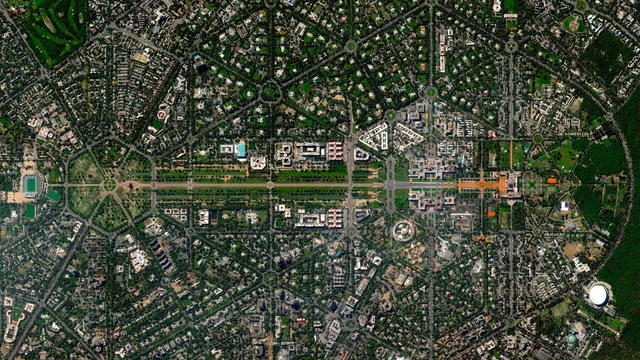
This July 11 marks World Population Day, an annual event established by the United Nations Development Programme (UNDP) in 1990 to raise awareness of global demographic issues. This is a critical issue today; not only is the global population projected to reach nearly 10 billion by 2050, but the latest UN-Habitat reports estimate that, by then, two-thirds of the world will live in cities.
Every year, World Population Review assesses urban growth and the number of residents living in metropolitan areas to understand global development trends. While the list of the 20 most populous cities in the world features recurring Asian hubs like Tokyo, Delhi, and Shanghai, it also includes several Latin American metropolises such as Sao Paulo, Mexico City, and Buenos Aires. Consequently, we have compiled a list of the ten most populous cities in Latin America to understand their growth and role in the global context.
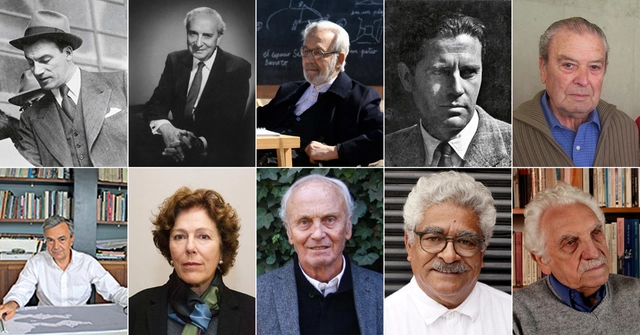
The National Architecture Award of Chile is presented by the Colegio de Arquitectos (Architects Association) to recognize "a lifetime dedicated to the service of architecture," according to the organization. First awarded in 1969, the inaugural recipient was Juan Martínez, architect of landmark projects such as the Law School at the University of Chile and the Votive Temple of Maipú.
1 and 3. Via Poema del Ángulo Recto. 2. Courtesy of Perspectivas: Revista Científica de la Universidad de Belgrano
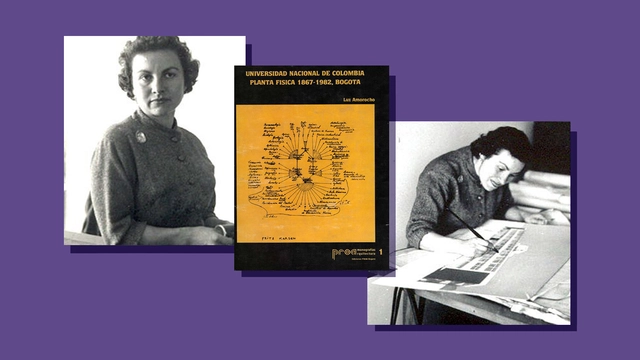
As the first female architect to graduate in Colombia, in 1945, María Luz Amorocho Carreño is a prominent figure in the country's architectural field. Throughout her career, she approached the profession from diverse fronts, ranging from teaching and public and private design to writing and criticism, most notably for the journal *Proa*. Over a career spanning more than 40 years, she steadfastly championed her ideals within a shifting context focused on achieving modernity, setting a precedent for future generations of women architects. An analysis of her work and legacy offers a window into the diverse roles of the architect, spanning from drafting and construction to research and project management.


.jpg?1653504502)
 .
.







.jpg?1651685605&format=webp&width=640&height=580)



.jpg?1645139411&format=webp&width=640&height=580)
.jpg?1645139581 "Diego Berruecos. Image © PEANA")
.jpg?1645139344 "Caylon Hackwith. Image © PEANA")
.jpg.jpg?1645139239 "Caylon Hackwith. Image © PEANA")

.jpg?1645139411)