The architecture industry is a shadow of its former self. In a world where most services are acquired online, architects who ignore digital marketing are digging their own graves. Those who thrive leverage technology and digital marketing tools effectively, establishing a stronger online presence and securing more potential leads—opportunities that will surely pass you by if you are making the following six mistakes:
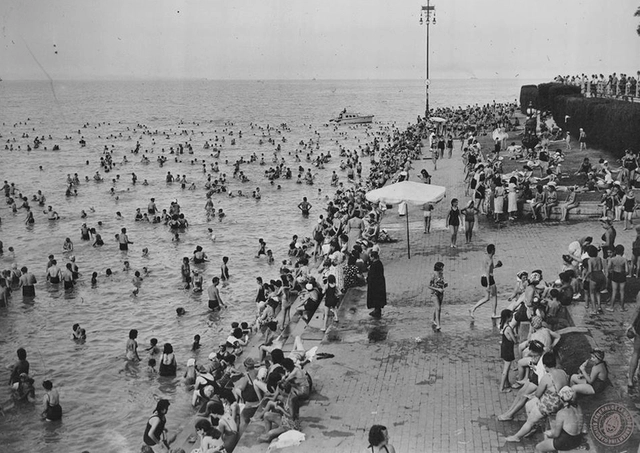
1949 The breakwater of the Municipal Seaside Resort of Buenos Aires
That the river is a significant element for the City of Buenos Aires is nothing new. It was through this waterway that the first founders arrived, the products of the land departed, and the labor and machinery needed to build a nation made their entry. This geographical feature holds deep historical significance and has acquired great symbolic value on an urban scale. Therefore, this article compiles a series of projects that, centering on the City-River relationship, demonstrate how these two elements can be bridged to create new areas of opportunity.
Juan Navarro Baldeweg liked to imagine his work within a dreamlike room, where the outlines of his buildings are silhouetted against a horizon of visual vanishing points, with the spectator positioned at their center of convergence. He aspired, moreover, for his exhibitions to be cumulative rather than retrospective—inviting the viewer to wander and trace connections between his works, linking them like elements of a single expressive medium or distinct formal gestures.
In contrast to the rigidity of classicist attitudes and the modern synthesis of artistic languages, Navarro Baldeweg—unbeknownst to many—champions the simultaneous cultivation of diverse, sometimes opposing disciplines and distinct arts. This fluid movement, free of preferences or boundaries across the broad spectrum of artistic practices, foreshadowed approaches that are widespread today, such as nomadism and the poetics of the "in-between." This nomadism does not stem from opportunism, but from a creative impulse, a restless eye, a trained gaze—in short, the work of a total artist.
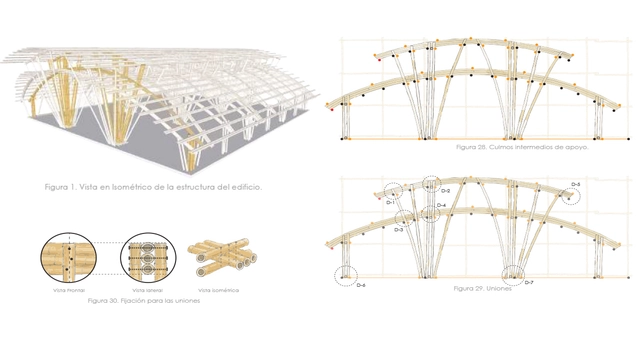
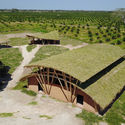
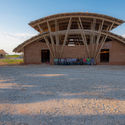
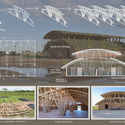
Bamboo is a building material that has been used since antiquity in various structures, demonstrating its superiority over modern materials such as plastic and steel. This is due to its countless benefits, as well as an incomparable aesthetic appeal that has positioned it as one of today's leading architectural trends.
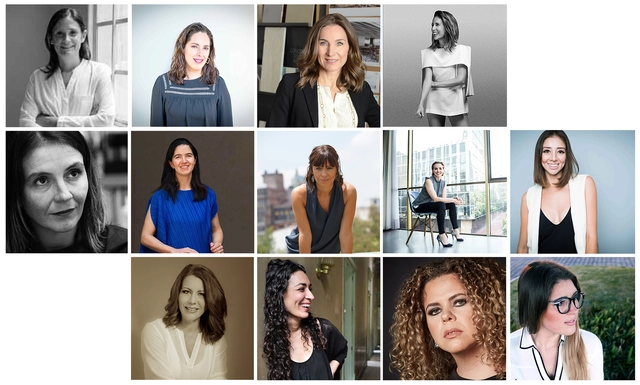
March 8 was established by the UN in 1975 to commemorate the struggle for equal rights and universal suffrage. This commemoration honors the efforts of women who demanded their right to vote, to work, to professional training, to hold public office, and to combat labor discrimination. This struggle is the fruit of the labor of women who sacrificed themselves for the cause. Daily events clearly show that the social landscape has changed; however, it remains essential that both men and women commit to progress and justice to make things happen.
ArchDaily is working with CityMakers to publish a series of articles, conversations, and interviews with the various actors in urban co-production behind the Barcelona CityMakers Lab 2019, an event taking place from October 14 to 20, 2019.
CityMakers promotes the transformation of cities and territories by connecting professionals from around the world with benchmark cities to learn about their practices in global positioning, mobility, the built environment, economy, and governance, inspiring change in their own communities.
For this first installment, we have compiled excerpts from a conversation with architect and urban planner Camilo Osorio, Executive Director of CityMakers, who discusses a paradigm shift in urban planning and the birth of CityMakers as a community that seeks to inspire change through the on-site study of exemplary cities around the world.
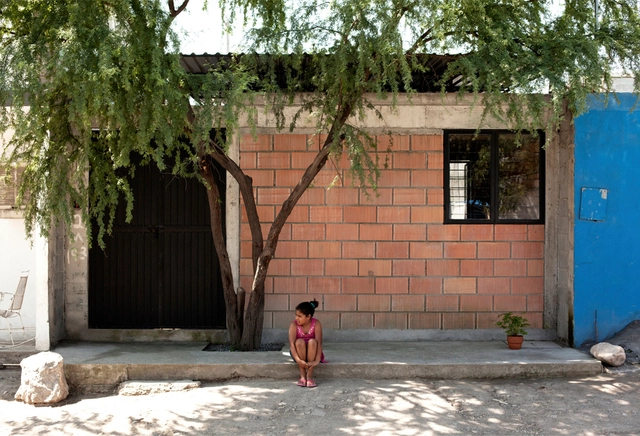
Continuing our series of articles by Nikos A. Salingaros, David Brain, Andrés M. Duany, Michael W. Mehaffy, and Ernesto Philibert-Petit on the study of social housing in Latin America, we now present practical suggestions for implementing projects that address new solutions for the future of social housing. Read all the previous publications and the new article below.
https://www.archdaily.com/1120627/practical-advice-for-the-future-of-social-housing-in-latin-americaNikos A. Salingaros, David Brain, Andrés M. Duany, Michael W. Mehaffy & Ernesto Philibert-Petit
On October 19 and 20, more than 100 sites of high architectural, engineering, environmental, urban, social, or cultural value will open their doors for free during the third edition of the OH! Stgo event.
This edition focuses on fostering connections between people and the natural environment. To this end, we present 9 of the 26 island hills that surround the city for you to visit.
Santiago is one of the cities in the world with the best access to the mountains and associated sports. Integrating these natural environments as public spaces would result in an increase in green areas per person, potentially addressing the current deficit of 3.7 m2 and reaching at least the 9 m2 recommended by the World Health Organization, according to OH! STGO.
via Flickr user: icelight Licensed under CC BY 2.0
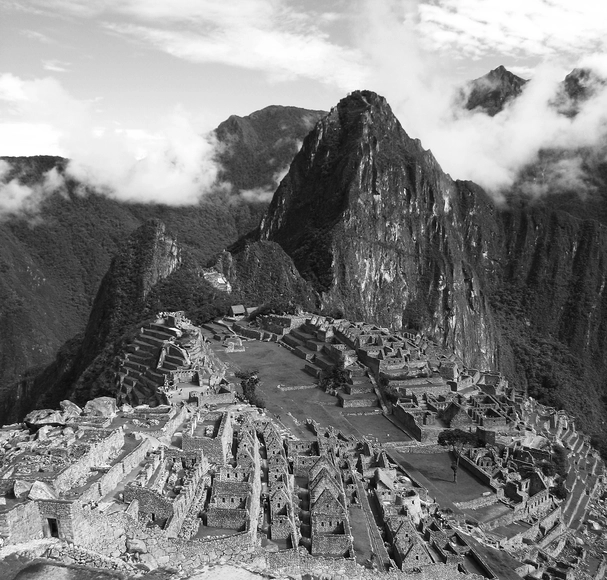
Media outlets and social networks have been abuzz with controversy surrounding the Chinchero Airport project, a new international air terminal in Peru. The project aims to replace the current Alejandro Velasco Astete International Airport in downtown Cusco and improve direct connections to nearby destinations, most notably Machu Picchu.
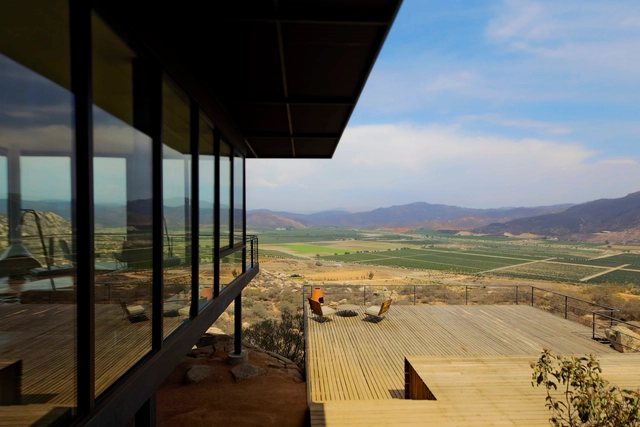
Valle de Guadalupe is a region in the state of Baja California, Mexico, with a climate ranging from arid to Mediterranean, which has allowed it to become one of the country's most important wine-producing areas. In recent years, however, it has been threatened by overtourism and real estate speculation.
The armed conflict in Colombia has left a mark through the experience of every Colombian—each one unique, none more or less significant than the other. The National Museum of Historical Memory commissioned Antonio Yemail and an interdisciplinary team to physically manifest its narrative through the impact on land, water, and the body.
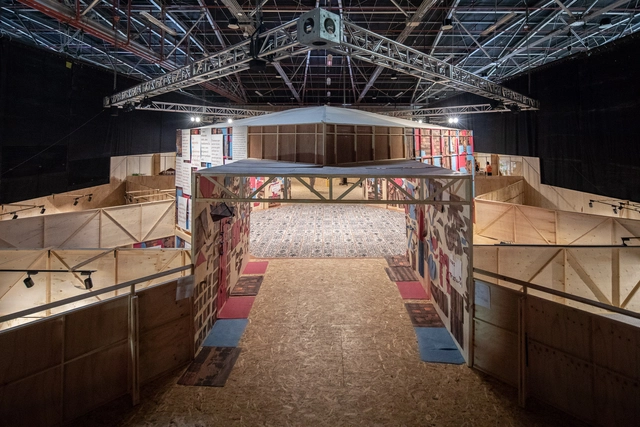
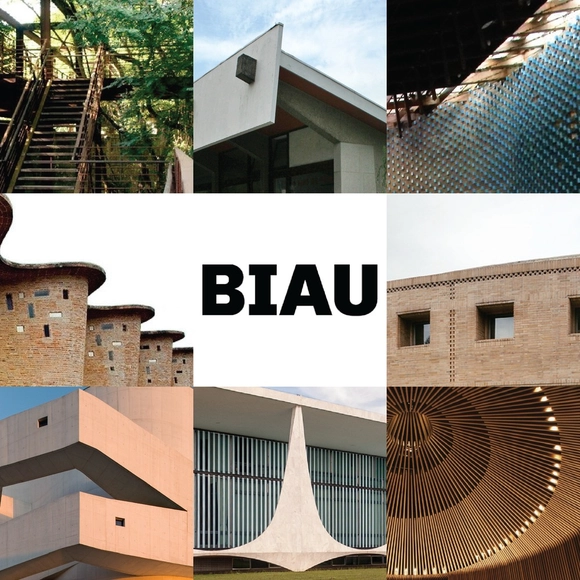
In each edition of the Ibero-American Biennial of Architecture and Urbanism (BIAU), the event honors masters of Ibero-American architecture with the Ibero-American Architecture and Urbanism Prize.
The Ibero-American Architecture and Urbanism Prize recognizes work "directly related to architecture and/or urbanism, highlighting its aesthetic, functional, technical, social, economic, and environmental aspects. This may include built work, planning, heritage conservation and restoration, knowledge production, or social commitment," as outlined in the competition guidelines.
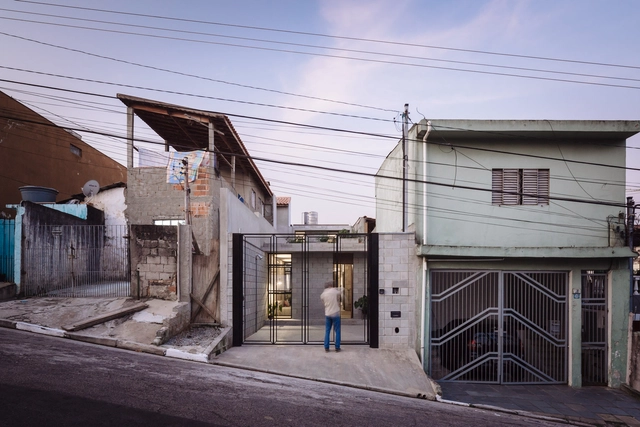
Vila Matilde House / Terra e Tuma Arquitetos Associados. Image
Continuing our series on social housing in Latin America, Nikos A. Salingaros, David Brain, Andrés M. Duany, Michael W. Mehaffy, and Ernesto Philibert-Petit present a reflection on the unrealistic image people have of a desirable home and the importance of taking their aspirations seriously. Read the previous installments and this new article below.
https://www.archdaily.com/1120941/social-housing-in-latin-america-urbanism-as-liberation-from-the-unrealistic-image-of-the-desirable-homeNikos A. Salingaros, David Brain, Andrés M. Duany, Michael W. Mehaffy & Ernesto Philibert-Petit
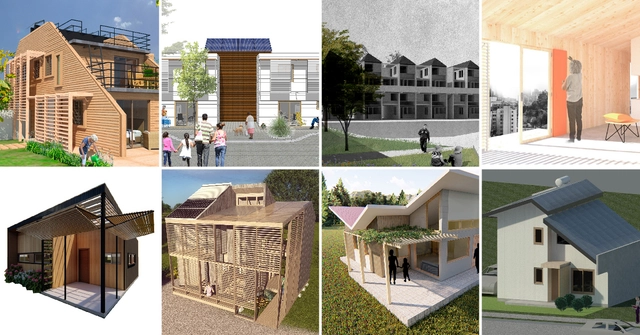
Construye Solar 2019 will exhibit eight sustainable social housing units in Santiago, designed and built by universities from across Chile. The initiative, according to the organizers, aims to "spark innovation in social housing construction, addressing the inherent challenges of pursuing sustainable innovation on a limited budget."
https://www.archdaily.com/1120893/university-teams-from-construye-solar-2019-showcase-their-innovationsArchDaily Team
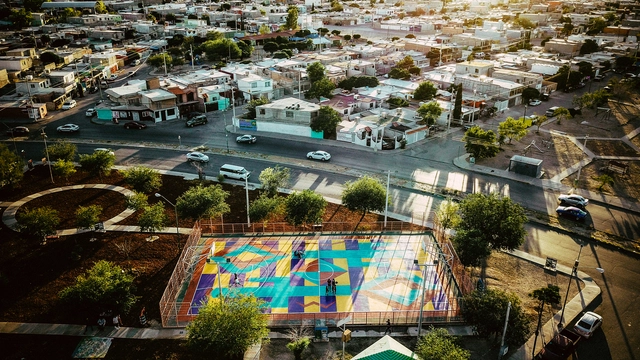
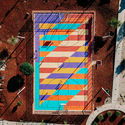
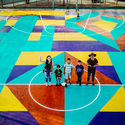
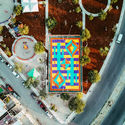
In 2014, a group of friends from Ciudad Juárez, Chihuahua, eager to contribute to their city's resilience and recovery, came together to discuss and pitch ideas for reclaiming streets, squares, and parks through sociocultural projects and urban interventions in public spaces. This gave rise to Nómada Laboratorio Urbano. Ciudad Juárez is an industrial city located on the northern border with the United States, directly adjacent to El Paso, Texas. Over the years, Juárez's economy has been dominated by the "maquiladora" manufacturing industry, and the city was once considered one of the most violent in the world due to a wave of crime between 2008 and 2012.
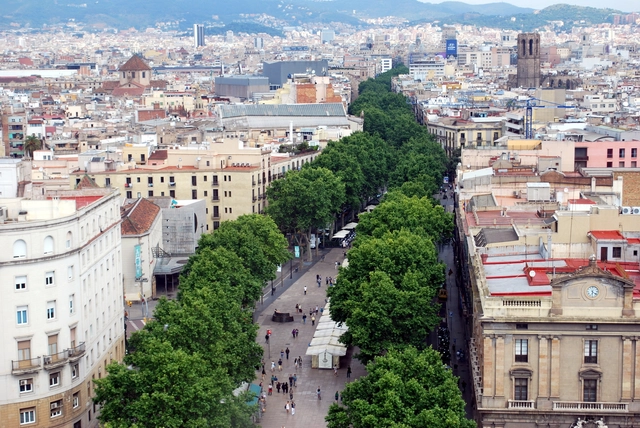
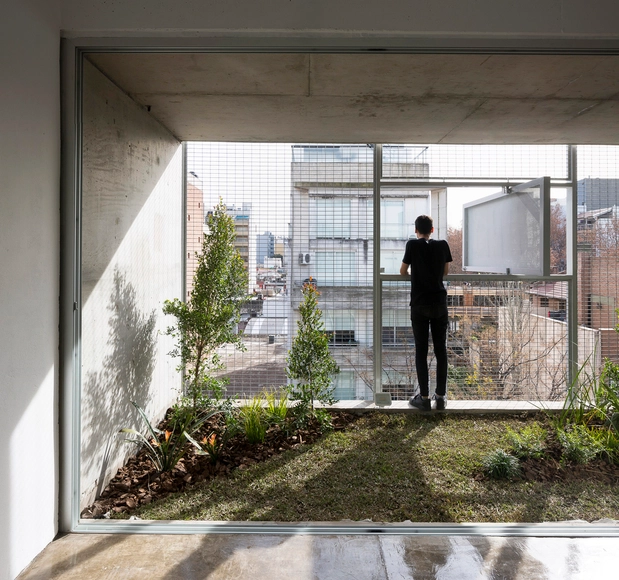
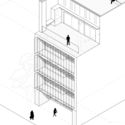
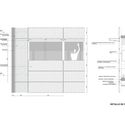
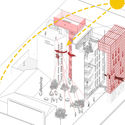
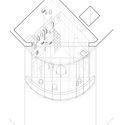
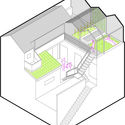
Siting a building in a city is no easy task. The quest for isolation and privacy within a complex, heterogeneous, and constantly changing urban space creates a dual condition during the design process. How can an urban building offer privacy and openness at the same time? Consequently, there arises a need for various control mechanisms to mediate between exterior and interior spaces, filtering sound, screening views, managing intimacy, and ensuring anonymity without losing the connection to the city.
The new and growing demands for change driven by urban population growth mean that, when designing, we face a highly heterogeneous and constantly transforming fabric. Increased urban density directly impacts the open space available for new, standalone construction, leading to a juxtaposition of buildings where the simultaneity and coexistence of individual pursuits result in a varied fabric.
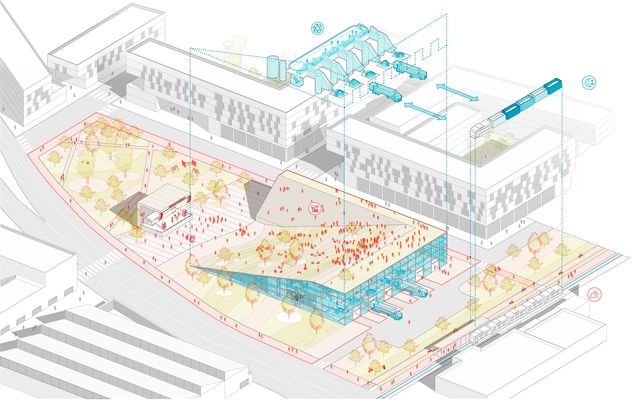
Ecuadorian firm URLO Studio has been selected as the winner of the ideas competition for the southern articulating axis of Quito, a contest aimed at urban renewal in the Ecuadorian capital through the development of micro-centralities along the 13-kilometer tourist route.
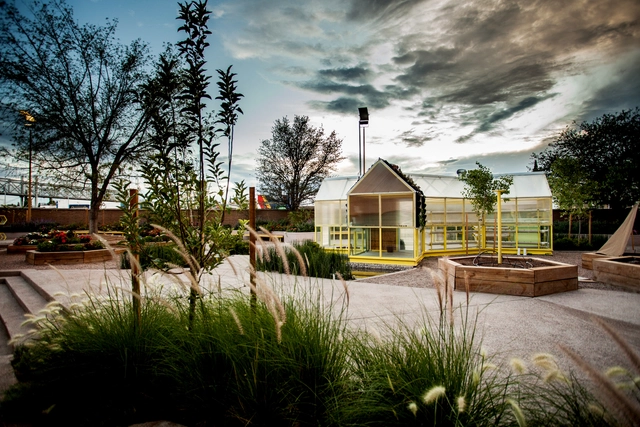
The Urban Agriculture Laboratory is designed by Transversal / Arquitectura Paisaje Urbanismo, located at the Semilla Museum in Chihuahua, Mexico. This project is the result of a civic initiative that combines landscape, architectural, and exhibition design elements centered around urban agriculture, permaculture, and the observation of natural phenomena. In doing so, it redefines the traditional "white box" exhibition space, transforming it into a hands-on pedagogical space, civic gathering point, and laboratory.
In this installment, Nikos A. Salingaros, David Brain, Andrés M. Duany, Michael W. Mehaffy, and Ernesto Philibert-Petit present a new article in their series on the study of social housing in Latin America. Here, they share recommendations on how to work with future residents, based on extensive experience in practical projects. Read the previous posts and the new article below.
https://www.archdaily.com/1120884/tools-for-efficient-social-housing-design-in-latin-americaNikos A. Salingaros, David Brain, Andrés M. Duany, Michael W. Mehaffy & Ernesto Philibert-Petit
Key strategies for facing a studio presentation or exam in the first years of architecture school. Image via Facultad de Arquitectura, Planeamiento y Diseño UNR
Quacquarelli Symonds (QS) presented the 2019 edition of its annual ranking of the world's best universities in the field of architecture, in which UCL (University College London) dethroned the Massachusetts Institute of Technology (MIT) in the United States, which had led the list for four consecutive years.
Within the Ibero-American region, the list has not changed significantly compared to 2018: Spain maintains a strong presence, while Chile leads Latin America. Discover the top-ranked institutions below!
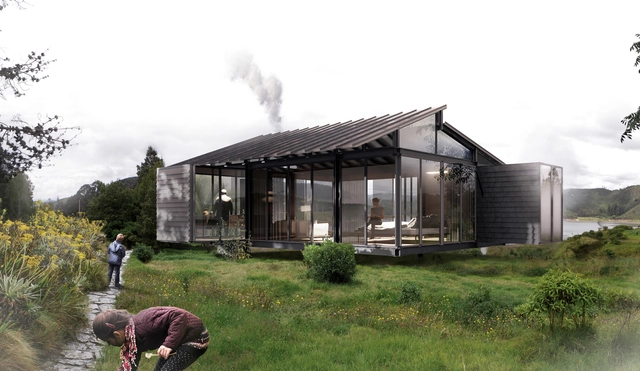
Presented at the recent edition of the Feria del Diseño 2019 in Medellín, Iku Hábitat is a modular architectural construction system developed in Colombia that aims to streamline construction processes using designed and prefabricated components assembled with screws.
https://www.archdaily.com/1120967/iku-habitat-a-modular-home-in-colombia-assembled-with-screwsArchDaily Team
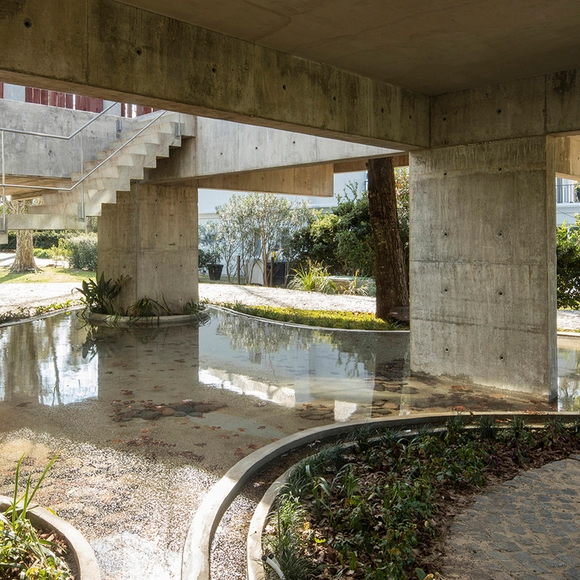
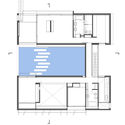
Ponds and reflecting pools are frequently used in architectural projects. These features significantly improve the thermal comfort parameters of buildings, acting as environmental regulators. Beyond their technical benefits, they serve as elements of aesthetic interest, creating spatial situations with shifting atmospheres influenced by the effects of light hitting the moving water surface.