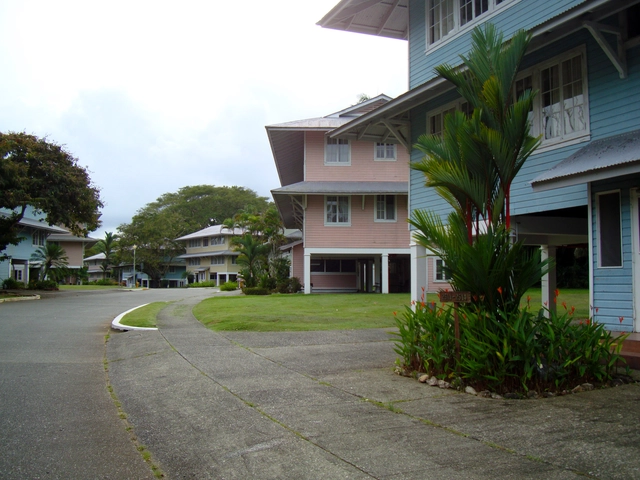
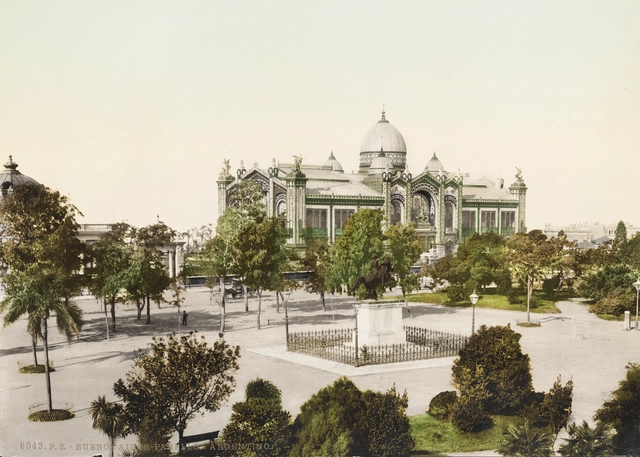
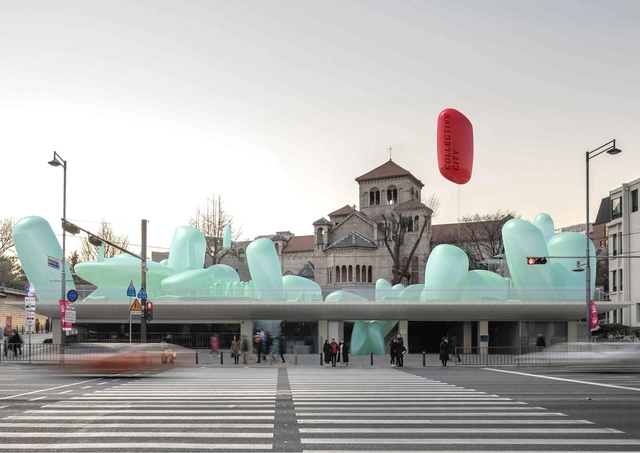
There is something compelling about the way air—an incredibly fleeting and invisible medium—can shape a wide variety of forms. This fascination has captured our imagination since childhood, when we were first drawn to the lightness, color, playfulness, and variety of inflatables.
Occupying rooftops is an ancient practice; however, it was only with the Modern Movement and Le Corbusier's five points of architecture that the "fifth facade" began to be explored to its full potential. Pilotis, a free plan, ribbon windows, and a free facade combined with the rooftop garden to establish the guidelines for this new architecture. While Modernism as a universal language collapsed, many of its principles endure in contemporary architecture.
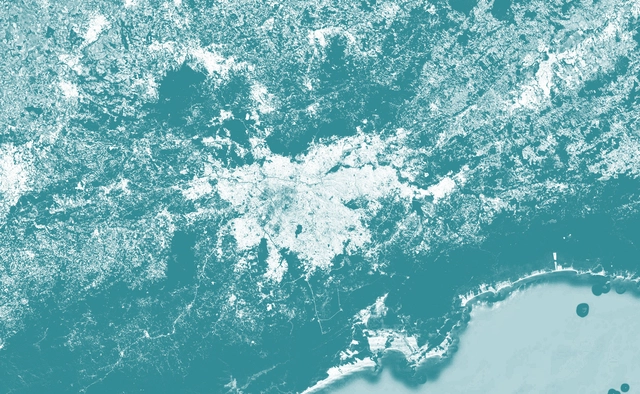
São Paulo Metropolitan Area - Modified image. Image
Following a debate held last Monday (04/08/19) at its headquarters regarding models for public metropolitan planning companies, the Instituto de Arquitetos do Brasil - Departamento de São Paulo (IABsp) expresses its concern over Bill (PL) 01/2019. Submitted by the State Government to the Legislative Assembly, the bill proposes, among other mergers and extinctions of public agencies, the shutdown of the Empresa Metropolitana de Planejamento (Emplasa). Established in 1975, Emplasa is responsible for regional planning and plays a key role in the necessary restructuring of inter-federative governance in the São Paulo Metropolitan Area, aligned with the guidelines of the Statute of the Metropolis, enacted in 2015.
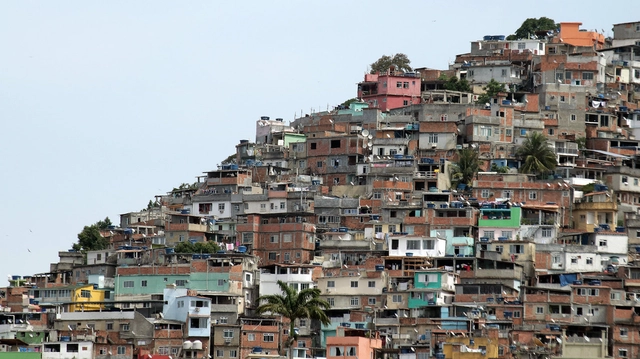
According to the 2016 report by the United Nations Human Settlements Programme (UN-Habitat), there are 881 million people living in slums in cities across the developing world, and it is estimated that by 2025, another 1.6 billion people will likely need adequate and affordable housing. In light of these projections, there has been much discussion about Social Interest Housing (referred to as HIS in Brazil) and how projects in this field can help address the housing deficit. But what, exactly, does this term mean?
In Brazil, an increasing number of people are choosing to live in apartments rather than houses. Mirroring this trend, the supply of residential buildings with diverse floor plans and typologies has grown at a similar pace. In this context, and aiming to evoke the feeling of a standalone house, developers are increasingly offering lofts and duplex apartments. These layouts foster spatial openness, functional design, and enhanced natural light and ventilation through large openings and glass expanses. Additionally, double-height ceilings establish a visual connection between different floors, among other features that provide greater comfort to residents.
We can initially understand the concept of revitalization as a design practice or a socio-spatial process strategically led by specific groups associated with contemporary urban planning. The structuring of the contemporary city depends, according to Meyer (2000), on large-scale strategic urban projects. The strategic value of such projects, according to the author, hinges on their ability to trigger significant transformations in metropolitan space, enhancing its attractiveness and influence. Rather than simply offering localized and specific urban improvements, contemporary urban planning reveals itself, through the intentions of its proponents, as an instrument capable of promoting the cohesion of the metropolitan territory and organizing flows to prevent functional and spatial dispersion.
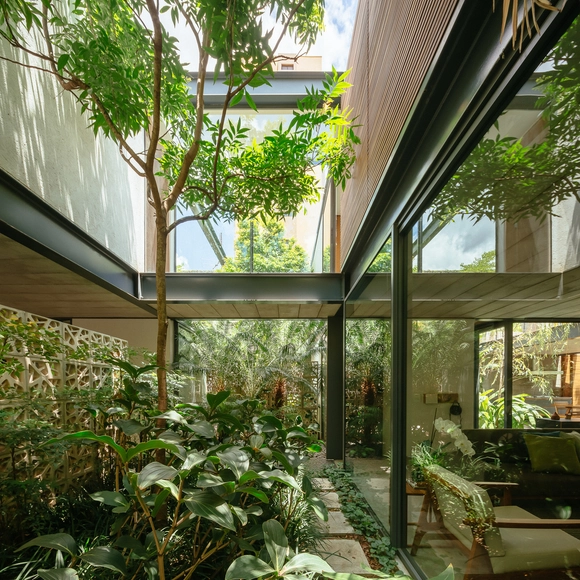
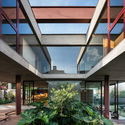
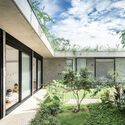
Landscape design is a fundamental component of various architectural typologies, particularly for integrating buildings with their surroundings and establishing connections between spaces. While vegetation is most commonly found outdoors, incorporating indoor gardens can completely transform a project's atmosphere.
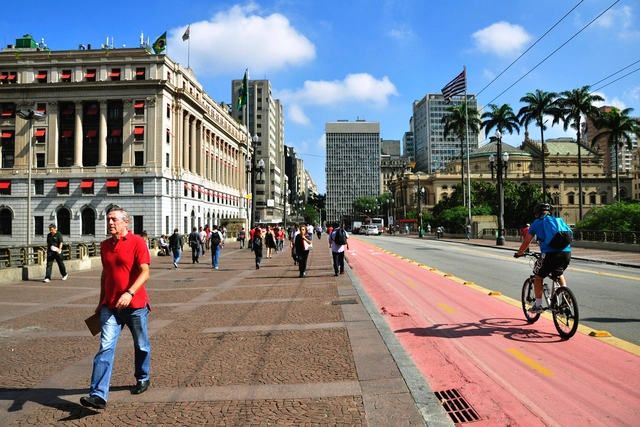
Downtown São Paulo. Photo: Mariana Gil/EMBARQ Brasil
Five Brazilians die in traffic accidents every hour. While highly critical statistics like this can spark positive reactions, they are not always enough to change reality on their own. However, knowing that in the city of São Paulo intersections concentrate more accidents per kilometer, and that these rose by 5% from 2017 to 2018, provides decision-makers with the concrete data needed to implement measures to reduce these numbers. Acting on the most dangerous intersections will save lives.
https://www.archdaily.com/1121376/how-sao-paulos-street-design-influences-traffic-accidentsWRI Brasil
The following reflections emerged from SENEMAU, the National Seminar of Model Offices of Architecture and Urbanism, which took place in Uberlândia, Minas Gerais, from August 9 to 18, 2019. This national gathering, held since 1997, brought together 12 student collectives from various cities across the country for an immersive experience focused on university outreach and the social and political role of architects and urban planners. The self-managed student gathering hosted an exhibition of works, debates on various themes, and immersive experiences in areas of interest across the city.
Rio de Janeiro. Image via Visual Hunt / CC BY-NC-SA
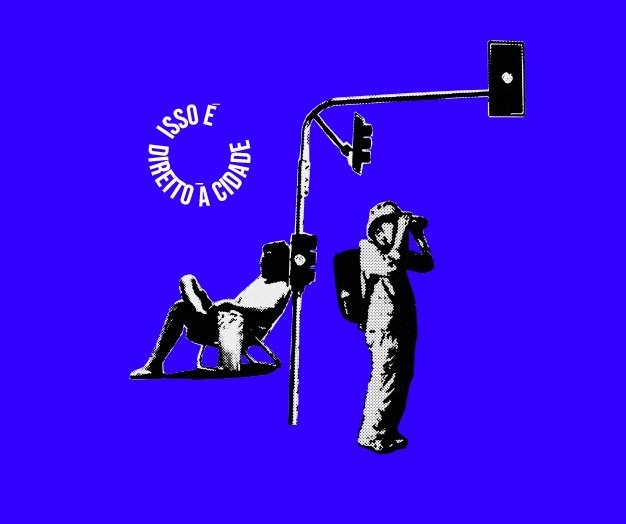
The broad scope of the term Right to the Citycan make it difficult to grasp, as its complexity demands a broader perspective on urban issues, going beyond the scope of architecture to necessarily encompass social, historical, cultural, economic, political, gender, and racial aspects. The overlapping of these—and several other—variables within the urban landscape can serve as the starting point for understanding the notion of the right to the city.
In the popular imagination, *cortiços* (tenement houses) represented the worst of urban housing in Brazilian cities. Deeply rooted in the national culture and immortalized in Aluísio Azevedo’s classic novel, *cortiços* were depicted as unsanitary, dilapidated dwellings where disease proliferated, the margins of society lived, and landlords exploited tenants with extortionate rents.
A quality public transit system does not depend on buses alone: its overall quality is also directly linked to adjacent elements—such as bus stops. In all cities participating in the QualiÔnibus Benchmarking Group, bus stops were identified by the public as one of the most problematic components. But what can cities do to improve them?
https://www.archdaily.com/1121349/bus-stops-good-impression-or-frustration-in-public-transitMariana Müller Barcelos, Priscila Pacheco e Manon Masi
Have you ever asked yourself this question? At first, it may seem strange to imagine that we have not always had windows in our buildings, let alone that they were sealed with a transparent material capable of allowing natural light into dark rooms or creating a barrier against the cold: glass.
A desperate child screams in the middle of Dom José Gaspar Square in downtown São Paulo, pleading for them not to hurt her mother. She cries as she watches her being forcibly dragged by municipal agents from the cart where she sold fruit daily to the square's patrons. Her mother cries as well, trying to explain to the agents that the fruit and the cart were all she had to support her daughter. Moved, onlookers watch the scene and try to reason with the subdistrict officials, but they keep confiscating the goods—after all, “orders are orders.”
But what is the “order” that governs public spaces?
https://www.archdaily.com/1121328/toward-a-new-order-of-public-space-the-right-to-the-city-for-allRodrigo Faria G. Iacovini
Keys to facing a studio presentation or exam in the first years of architecture. Image via Facultad de Arquitectura, Planeamiento y Diseño UNR
Quacquarelli Symonds (QS) has released the 2019 edition of its annual ranking of the world's top universities in the field of architecture. This year, UCL (University College London) took the lead, a position held by the Massachusetts Institute of Technology (MIT) in the United States for the past four editions.
In Latin America, institutions from Chile, Brazil, and Mexico occupy the top three spots, respectively. See the top 10 below:
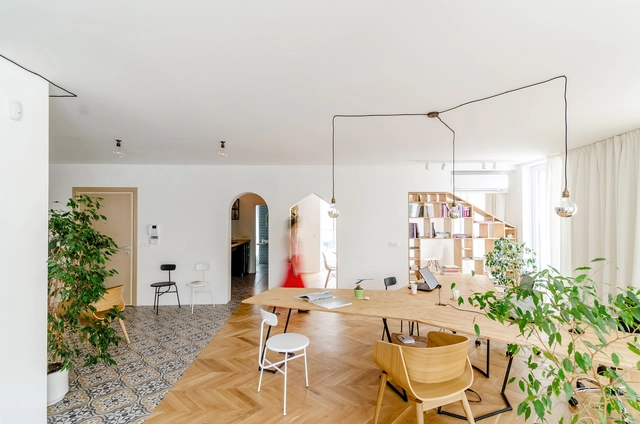
Another Space / Another Studio. Courtesy of Another Studio
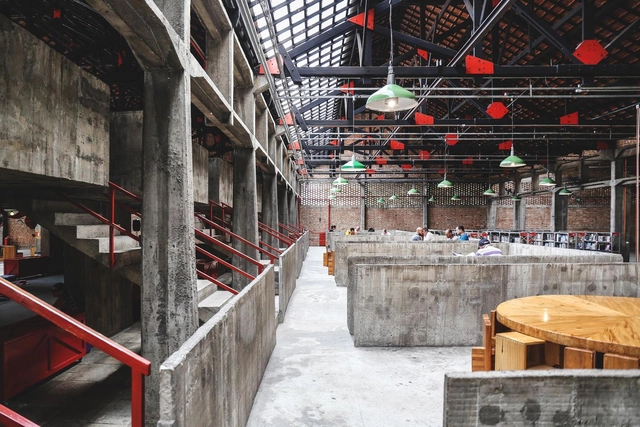
It is essential that offices, workshops, and studios are attractive not only to clients but also to employees, who spend an average of one-third of their day in these environments. A poorly designed workspace can make the workday exhausting and discouraging. To prevent this, architectural design decisions can energize the space and promote team integration, even when the footprint is limited.
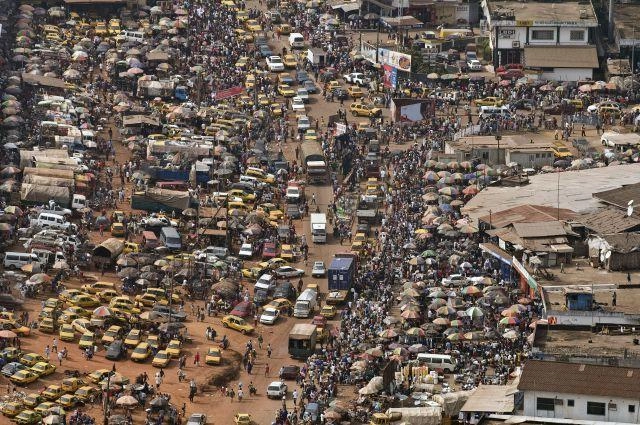
An aerial view of the streets of Monrovia, the capital of Liberia, reveals chaotic traffic. Photo: Flickr/UN, via WRI Brasil
Emmanuel leaves home with his two daughters at 5:00 a.m. every morning. They take a minibus from their home in Awoshie, a residential neighborhood in Accra, Ghana, to the business district where Emmanuel works. The round trip usually costs $0.90—equivalent to about 20% of the average daily wage in Accra—and takes well over an hour. When traffic is heavy, the cost doubles. To save on a bus fare, Emmanuel sometimes sits one daughter on the other's lap.
https://www.archdaily.com/1121361/cities-and-the-balance-between-opportunities-and-commutingThet Hein Tun, Maria Hart e Anjali Mahendra
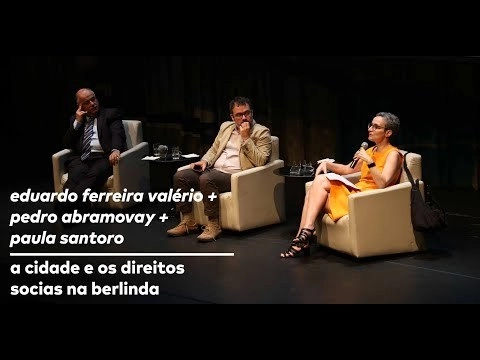
Through its Seminar on Culture and Contemporary Reality, Escola da Cidade invited Pedro Abramovay, Eduardo Ferreira Valério, and Paula Santoro to discuss social rights and the city. This topic has become increasingly urgent and sensitive when discussing any possibility of a democratic and empathetic city. In this video, the panel discusses some of the historical roots and contemporary issues surrounding this theme.
https://www.archdaily.com/1121356/the-city-and-social-rights-under-scrutinyPedro Vada
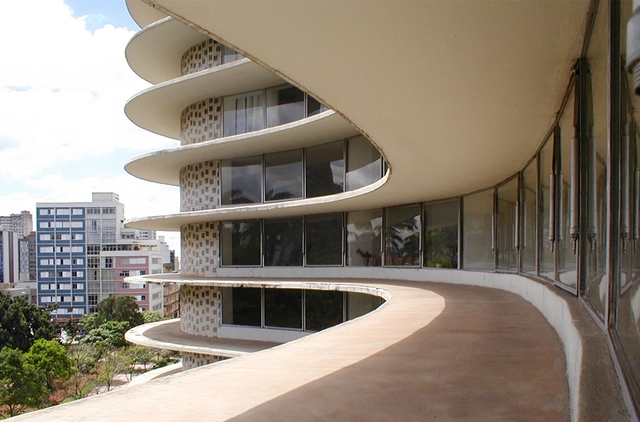
Edifício Niemeyer em Belo Horizonte. Image Cortesia de Carlos Alberto Maciel
As part of our monthly topic (travel), we invited several Brazilian and Portuguese architecture firms to suggest buildings and public spaces in their respective cities that are well worth a visit. In Brazil, projects in Brasília, Rio de Janeiro, Olinda, Fortaleza, Belo Horizonte, and Porto Alegre will inspire our readers to get to know the country better—or cross the Atlantic to visit works in the Portuguese cities of Guimarães, Porto, and Lisbon.
According to Flávio Kiefer, museums are as old as human history itself. They have existed ever since humans began collecting and storing valuable objects in rooms built specifically for that purpose. Today, museums are more than environments that organize history: their programs are diverse and complex, their spaces flexible, and innovations are constant in the conservation, exhibition, and lighting of artworks. This week's Arquicast spoke with architect and specialist Carlos Eduardo Ribeiro about museum architecture and the entire debate surrounding this prestigious architectural program.
UFMG Services Plaza – view of one of the access points to the balconies (Loggias). Source: Technical Information Center of UFMG, 2018 / Photo: Junia Mortimer, 2012
When we understand architecture as the activity of modifying a natural site and transforming it into an environment suitable for human coexistence—whether through a building or the urbanization of a territory—we can understand the architect's work as something that must serve the community. In this sense, the historical concept of humanism and republicanism is invoked—the public affair, in Latin.
Street market pastel in São Paulo. Photo: Anthony Ling
Anyone who has ever been to the beaches of Rio de Janeiro has certainly seen vendors selling grilled *queijo coalho* (curd cheese) or grilled shrimp, sweet mate tea, and Globo biscuits—classic snacks of the Rio shoreline. In São Paulo, open-air markets serve sugarcane juice and fried *pastel*, a local adaptation of a dish originally brought by Chinese immigrants and popularized by Japanese immigrants. In Minas Gerais, there is *pão de queijo* (cheese bread) and pastel, also filled with cheese. In Salvador, it is impossible not to mention *acarajé* (with or without hot sauce), which has been declared an intangible cultural heritage asset by IPHAN. The capital of Bahia even has its own Street Food Guide, reflecting the immense culinary diversity found in the city.
The book Sustainable Tropical Cities, published by the Institute of Tropical Architecture (San José, Costa Rica) in 2006, gathers the conclusions its authors compiled over years of observation and study. Bruno Stagno and Jimena Ugarte, both architects and immigrants enamored with the tropics, aimed to demonstrate the specific characteristics that cities located in the tropical belt possess—or should possess—while introducing an unprecedented topic.
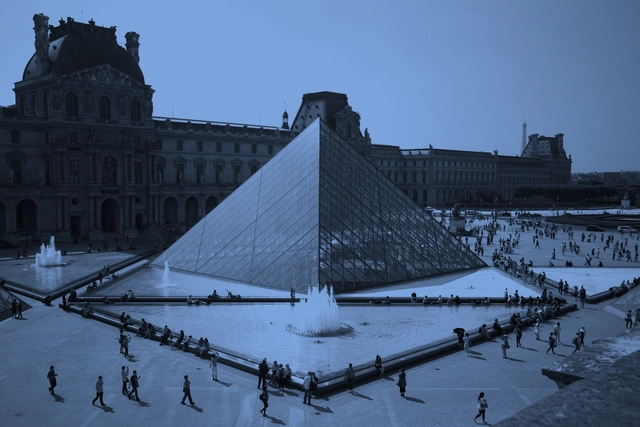
The recent tragedy that resulted in the partial destruction of the Notre-Dame Cathedral has prompted reflection on the value of our architectural heritage. Stirring events such as this bring highly relevant issues to the fore, inviting us to consider the role of architecture in shaping a city's collective memory.
.jpg?1570148721&format=webp&width=640&height=580)





-1.jpg?1566566661 "Consolação Apartment / SOEK Arquitetura. Image © Rafael Renzo")




.jpg?1556283875&format=webp&width=640&height=580)