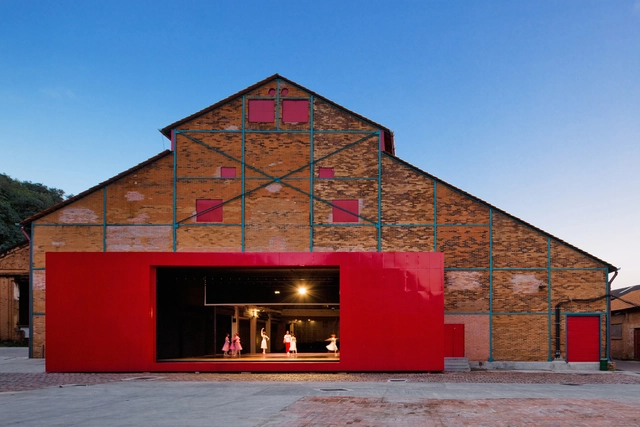
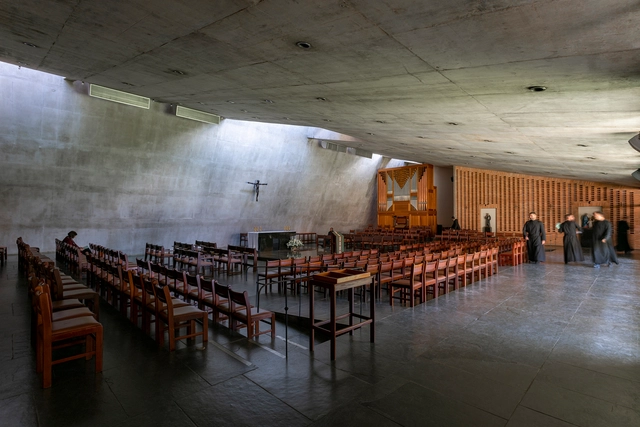
Guilherme Essvein de Almeida's doctoral dissertation presents an analysis of two major works of contemporary architecture: the Casa da Música in Porto, designed by Rem Koolhaas, and the Cidade das Artes in Rio de Janeiro, designed by Christian de Portzamparc. Defended in 2018, the dissertation was advised by Prof. Dr. Carlos Eduardo Dias Comas as part of the graduate program at the Federal University of Rio Grande do Sul. Read the author's abstract and find the link to the full dissertation below.
https://www.archdaily.com/1122173/casa-da-musica-and-cidade-das-artes-towards-monumentalityPedro Vada
Many of the most compelling design solutions stem from site conditions—whether climate, local materials and labor, construction techniques, or, above all, the way these factors are addressed within the highly specific context of the plot. The plot is the ultimate space for putting these strategies into practice. As cities increasingly feature smaller land parcels, designing for narrow lots has become a recurring reality.
Brick is one of the most widely used materials in Colombia, helping local architecture stand out globally. This prominence is due to the exceptional quality of the clay found in several regions of the country. Beyond cladding the majority of the buildings that define Bogotá's urban landscape, the material is used in all its forms, from adobe to floor tiles in rural homes.
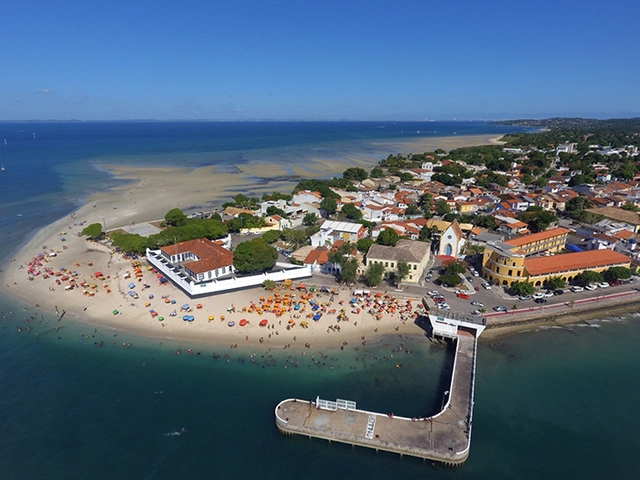
Municípios são territórios guardiões de cultura e identidade. Na foto, Itaparica (SP) / Foto: Wikipedia. Image Cortesia de Portal Aprendiz
Announced in November by Minister of Economy Paulo Guedes, the Mais Brasil Plan includes three Constitutional Amendment Proposals (PEC) aimed at balancing fiscal accounts at the federal, state, and municipal levels. Among them is the dissolution of municipalities that are not financially self-sustaining.
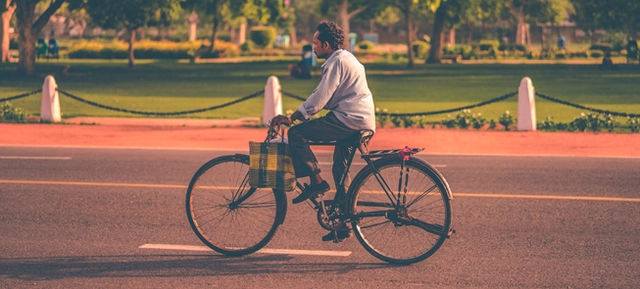
When driving alongside a bike lane, it is hard to escape comments like “it’s always empty,” “it takes away space from cars,” or “businesses lose customers.” But is there any truth to these claims? Here are some of the most common myths about bike lanes – and the reality behind them.
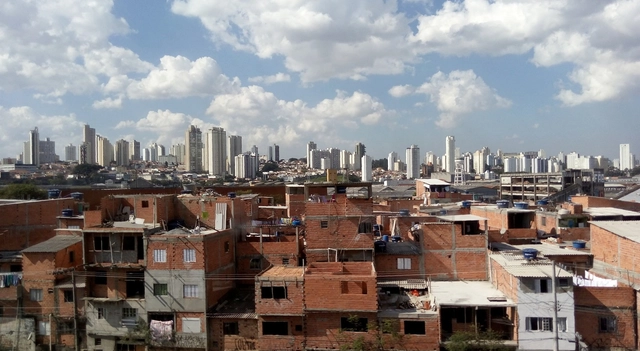
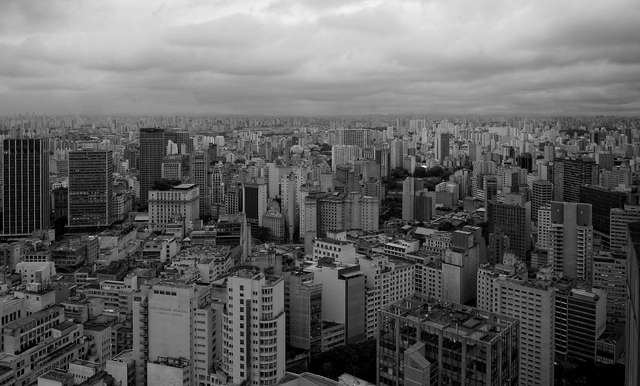
A person living in Moema, a neighborhood with one of the highest income concentrations in São Paulo, lives 20 years longer than someone born in Cidade Tiradentes, in the far east of the capital. Brazil's wealthiest city exposes just how unequal the country is, and how much access to public policies varies depending on where one lives.
Factories, slaughterhouses, gasometers, convents, water towers, and railway stations are just a few examples of structures that often remain within the urban fabric of cities over time, even after losing their original purpose. Repurposing an existing building for new functions is what has become known as adaptive reuse. While not a contemporary concept, the practice has been widely adopted in recent years as a strategy to manage spaces in a more economical, sustainable, practical, and efficient way.
“Writing is like a city, for which words are a thousand gates.” - Walter Benjamin
No roads or maps lead to them. Yet, many of the cities imagined in literature feel more tangible than real ones, capturing the human imagination with their fantastical sparks. The rich geographical, cultural, and social detail of cities like the famous Macondo, from One Hundred Years of Solitude, frequently places a magnifying glass over the relationship between territory and its inhabitants.
Proposed Constitutional Amendment No. 80/2019, a collective proposal led by Senator Flávio Bolsonaro, suffers from blatant unconstitutionalities, in addition to posing structural risks to economic and social development. These issues are analyzed in detail below, based on the following aspects:
As a result of three months of training in local engagement within the pioneering COURB Ambassadors Program, mobilizers from various Brazilian cities promoted actions in their territories. Aiming for the collaborative construction of inclusive cities, the Articulation Journey—a highly collaborative effort—took place between August and September and featured three types of actions: roundtables, territorial interventions, and collective proposals. The ambassadors mapped and engaged more than 150 institutions in the program, including city halls, universities, collectives, businesses, and organizations.
https://www.archdaily.com/1122586/three-ways-to-activate-urban-space-courb-articulation-journeyCOURB Brasil
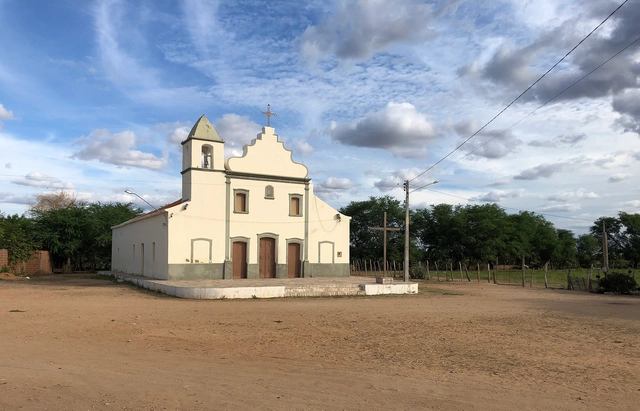
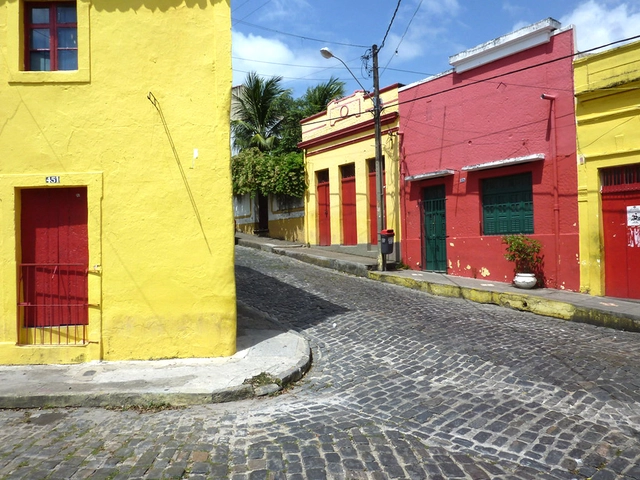
Church in Belém de São Francisco, Pernambuco. Photo by Oliver de Luccia, 2019
These river journeys are intended for on-site research, documentation, and data collection focusing on rivers. They are conducted by researchers from the Fluvial Metropolis Group of the Faculty of Architecture and Urbanism at the University of São Paulo (FAUUSP), coordinated by Professor Alexandre Delijaicov. Each researcher maps out their itinerary based on personal interests, yet shares a common goal: to gather design references for fluvial infrastructure architecture, expanding the research group's imaginary and repertoire. The driving question for the researchers is: how do people relate to the river waters flowing through their metropolises, cities, or towns within the built environment along the riverbanks? The boundary defined by the elements of land and water is the starting point for this observation.
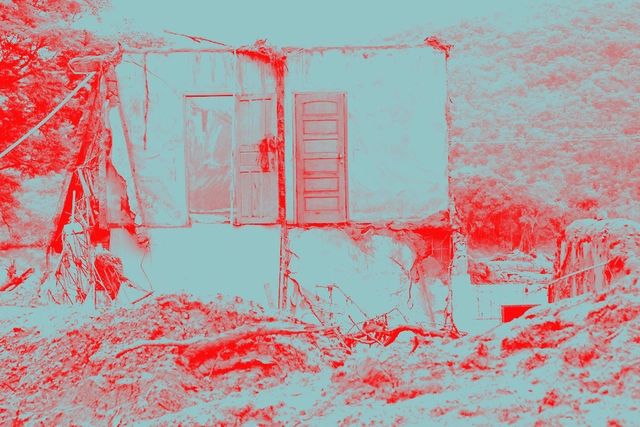
Economic and urban processes are known to drive major modifications in the urban structure. In light of the events of January 25, 2019, with the collapse of the Brumadinho dam, it is clear that environmental negligence by major mining corporations also has the power to produce profound consequences and alter the ways in which people inhabit and utilize the territory.
https://www.archdaily.com/1122572/the-importance-of-the-urban-planner-in-territorial-intervention-the-case-of-marianaAryane Diaz e Sérgio Lessa
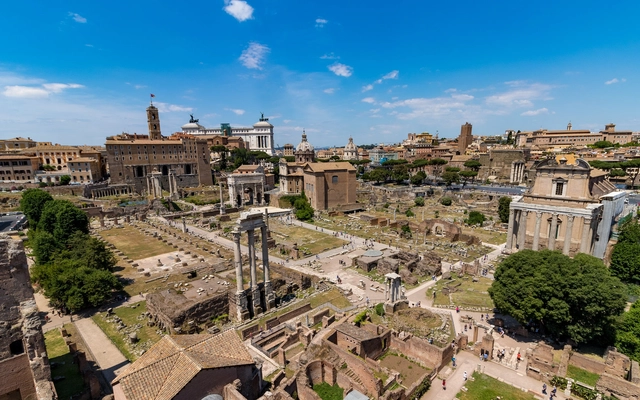
Ruins of the Roman Forum. Photo: hl_1001 on Visual Hunt / CC BY-NC
Metropolis is a word derived from the Greek metropolis, a combination of meter (mother or womb) and polis (city). Thus, the metropolis is the mother city, the most important within a context where several interconnected cities depend on one another to fully function. In most cases, metropolises feature conurbations of multiple urban clusters.
https://www.archdaily.com/1122579/what-does-ancient-rome-have-to-teach-brazilian-metropolisesPaulo Sa Vale
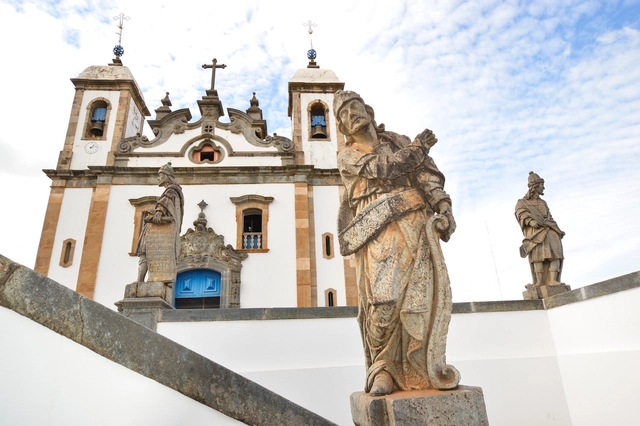
The artistic production of the Minas Gerais Baroque was considered the first genuinely Brazilian art. Sanctuary of Bom Jesus de Matosinhos in Congonhas do Campo - MG. Photo by Paulo Hulyk, via Flickr. License CC BY-NC 2.0
The term identity lends itself to various definitions depending on the disciplinary field. Discussions of the term in social theory have frequently been appropriated by the cultural heritage field. Therefore, it is useful to trace the dynamics of this expression's transformation within the social sciences. In this context, identity relates to the individual's self-conception, their sense of belonging, and their group affiliations.
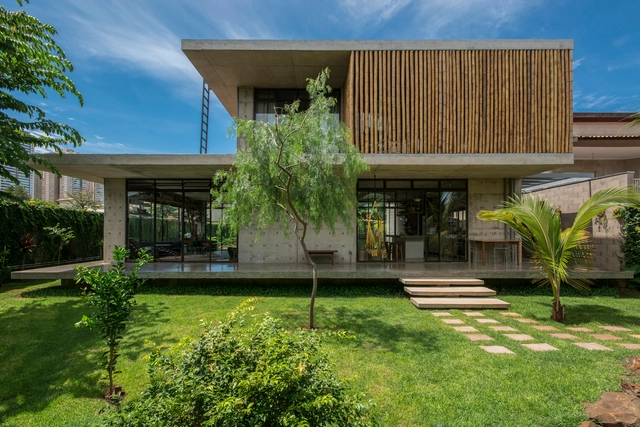
From chopsticks to religious temples, and often associated with the culture and, more specifically, the architecture of Asian countries, bamboo is a highly versatile, safe, and durable material with exceptional ecological performance. Due to its rapid growth, it is relatively inexpensive compared to other construction methods, and its most notable applications can be found in projects that leverage its unique materiality, color, and rhythm.
Urban intervention around the Anne Frank school in Belo Horizonte. Photo: Rafael Tavares / Octopus Filmes
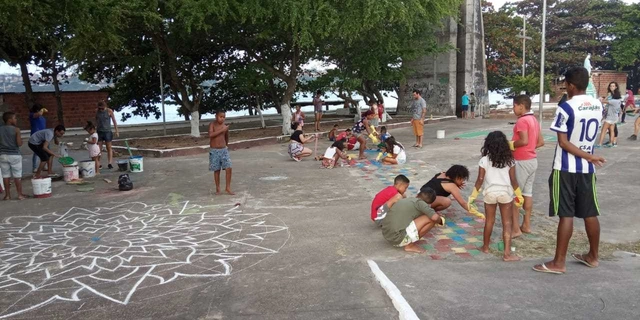
In September of this year, the streets surrounding the Anne Frank School in the Confisco neighborhood of Belo Horizonte received new ground markings, featuring pedestrian crosswalks and lane boundaries to organize vehicle circulation. In addition, planters made from recycled tires, traffic cones, and street furniture for resting were installed. The following weekend, from September 20 to 22, coinciding with World Car-Free Day, motorized traffic was temporarily closed, transforming the space into an Open Street with concerts, cultural activities, and gathering spaces for local residents. The following month, in October, students aged 8 to 10 from the Anne Frank School participated in a workshop to assemble traffic signs, writing messages that would become part of the neighborhood's official street signage.
https://www.archdaily.com/1122620/tactical-urbanism-paint-cones-and-the-transformation-of-citiesITDP Brasil
Have you already crossed the street out of fear today? As a woman, what is your greatest fear when walking down the street? How would you feel safer? With the goal of reflecting on how we can plan more egalitarian cities for everyone, the firm amb ateliê, in partnership with architects Fernanda Linero and Beatriz Teixeira, launched this initiative across various neighborhoods in Curitiba. The project ci.da.de; substantivo feminino (city; feminine noun) is part of the 3rd Biennial Architecture Exhibition for Curitiba.
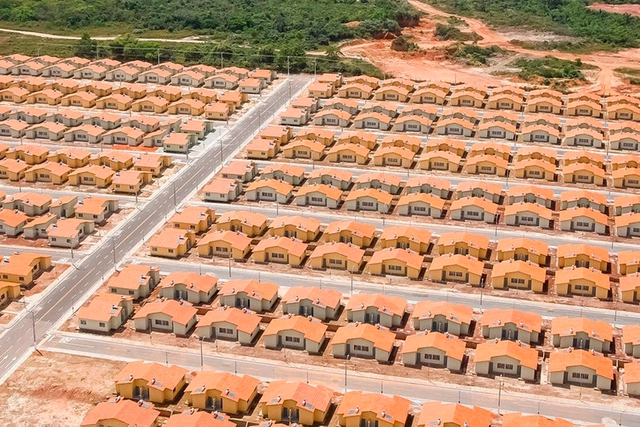
Minha Casa, Minha Vida in São Luís. Image: Palácio do Planalto/Isac Nóbrega
3D-printed houses. Prefabricated houses. “Open-source” houses. Minha Casa, Minha Vida. From technological panaceas to government programs, countless solutions aim to resolve the housing deficit by building houses. The problem with this strategy is that the housing shortage is not a shortage of houses, but of apartments.
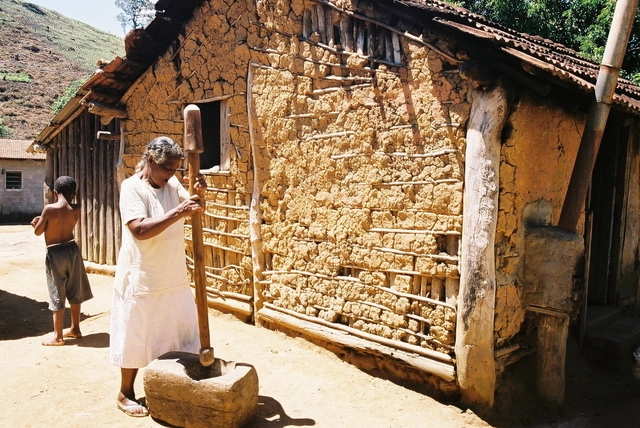
Quilombo Cangume, Itaóca (2004). Photo: Luis Eduardo Tavares, photo taken during the Cinevale em Movimento 2004 project. Via Flickr. CC BY-SA 2.0 License
By introducing terms associated with quilombos in two of its articles, the 1988 Federal Constitution paved the way for social peasant movements, mobilized and organized around ethnic identity, to appropriate this category. This was an unforeseen outcome for legislators, who had approached the quilombo category from a past-oriented perspective, relying on an archaeological and exoticizing view of cultural heritage associated with non-Luso-Brazilian cultural roots.
The tension between modernity and tradition is the most striking feature of Hans Broos's work, as evidenced by his designs for Cia Hering, where eclectic buildings are juxtaposed with exposed concrete structures in a symbiosis of historical eras.
Herein lies the radical contemporaneity of his work: Broos understands the contemporary as the coexistence of distinct eras meeting at the same moment, shaping the wonderful entanglement of which time is made, as Lina Bo used to say.
Places are physical spaces imbued with cultural significance, to which values are assigned. In Brazil, the term was permanently integrated into the heritage vocabulary in 2000, following Decree No. 3,551—which established the four Registry Books, including the Registry of Places—and the implementation of the National Inventory of Cultural References. Within this framework, Place is, therefore, a category for classifying cultural assets.
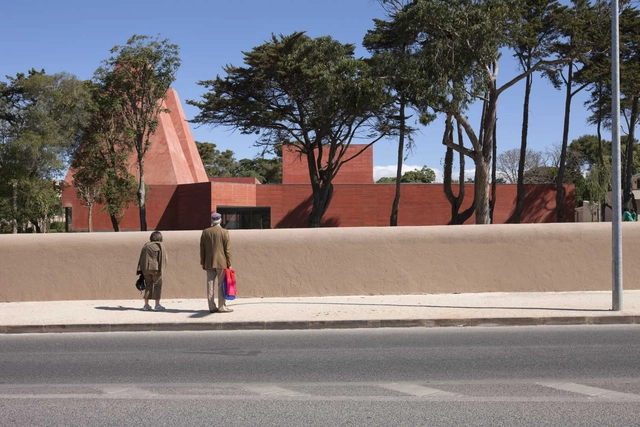
Signs all over the city, on trains and subways. The words "Souto Moura" require no further explanation in a city with two world-renowned architects. It is the opening night of his exhibition "Souto de Moura: Memory, Projects, Works" at Casa da Arquitectura on October 18, 2019, and the two greatest leading figures of the so-called Porto School are there, side by side. Álvaro Siza, alongside other guests of honor, walks through all forty projects in the exhibition, listening to Eduardo Souto de Moura's concise, humble, and almost simple explanations of each one. They are Portugal's two Pritzker laureates, who also happen to live and work in the same buildings, in addition to having collaborated on several projects. Eduardo does not hide his pride in Siza's presence at his solo exhibition. Nor does he hesitate to acknowledge the master's influence on his career. Yet Souto de Moura's architecture is unique; it has a life of its own. And everyone there knows it.
In May of this year, *The Guardian* recommended in its style guide that journalists and contributors heighten their language when discussing climate change or global warming. Now, the British newspaper announced, it is a climate crisis, emergency, or climate breakdown.
https://www.archdaily.com/1122551/climate-crisis-and-the-right-to-the-cityTama Savaget e Henrique Frota
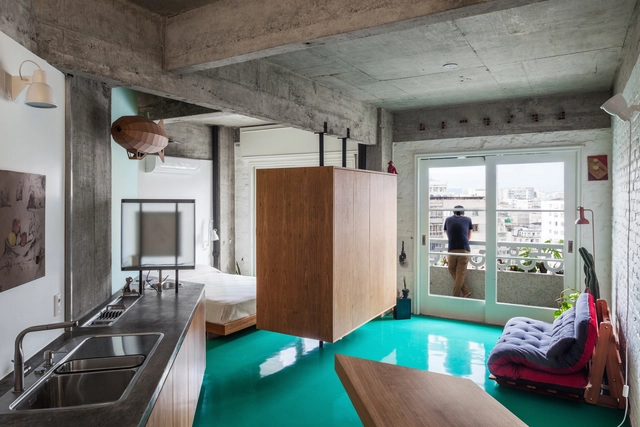
For several months, we have been publishing compilations of Brazilian residential projects across various themes in our Casas Brasileiras series. With this in mind, and considering the diverse challenges and scales that shape architectural practice—and, above all, contemporary living—we are launching our first article in the *Brazilian Apartments* series today. In it, we will explore the design challenges, innovative solutions, and new materialities of this housing typology.