Brazil ranks among the world's most biodiverse nations. Boasting the highest number of plant species on Earth—more than half of which are endemic—it hosts between 15% and 20% of the planet's biological diversity. Given the vast scale and diversity of its ecosystems, the wide range of ecosystem services they provide, and the current level of environmental degradation, a deep, collective reflection on how to safeguard this biological wealth has become critical.
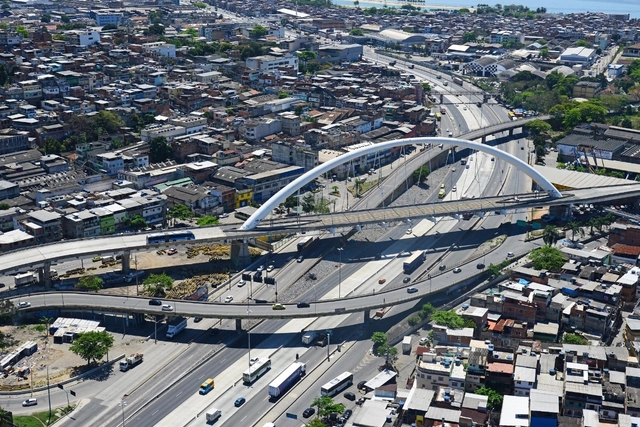
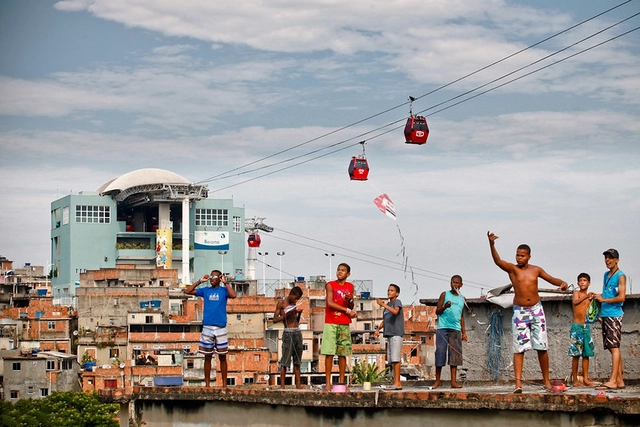
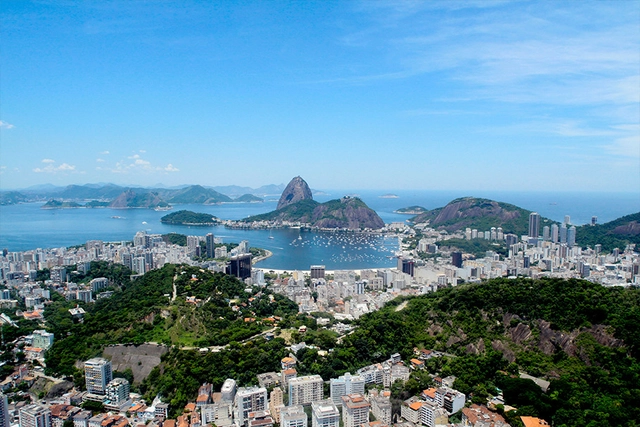
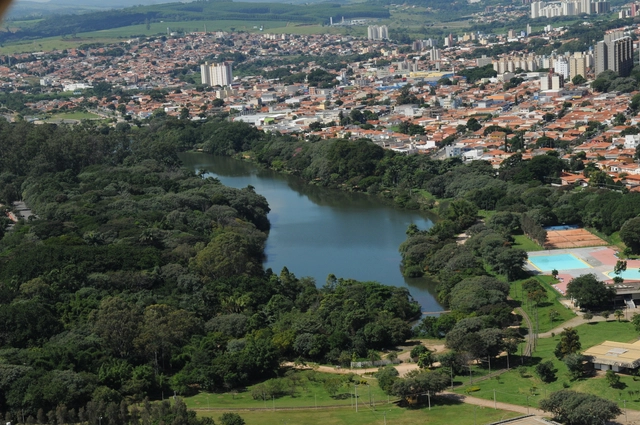
Brazil's rapid urbanization process has radically transformed the landscape, putting pressure on ecosystems while channelizing and burying water bodies. The prevailing model of fast-paced urban growth has created unsustainable cities with a low quality of life, profoundly altering natural flows and processes, and producing environments marked by high levels of inequality and social, ecological, and economic vulnerability. In addition to the severe challenges of air, water, soil, and noise pollution faced by Brazilian cities, there is also a profound disconnection between people and nature. This disconnect is closely tied to sedentary lifestyles and poor dietary habits, ultimately leading to physical and mental health issues that impact the well-being of the urban population.