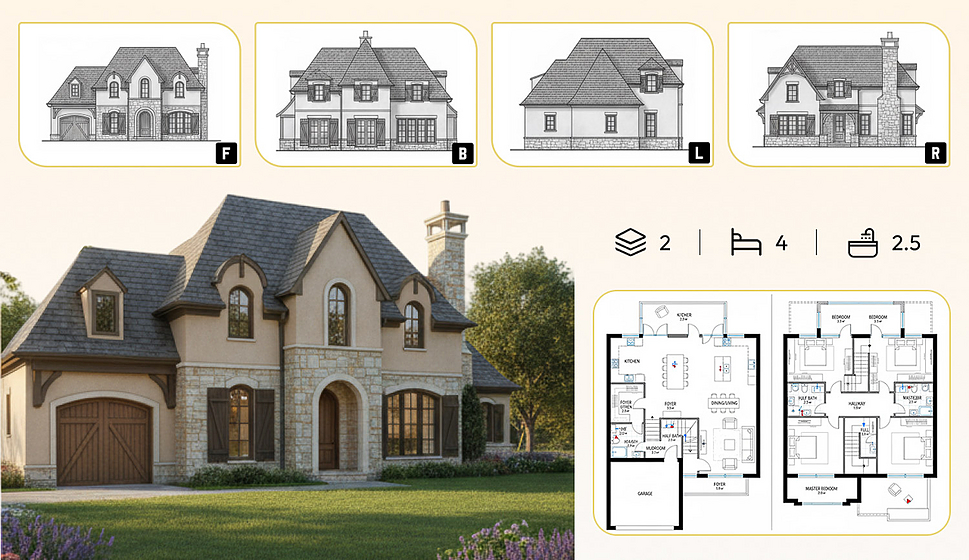
This guide covers a workflow that moves from project parameters to generated floor plans, 3D perspective views, exterior design exploration, and site context visualization, using AI tools in place of preliminary CAD and rendering work.
This guide covers a workflow that moves from project parameters to generated floor plans, 3D perspective views, exterior design exploration, and site context visualization, using AI tools in place of preliminary CAD and rendering work.
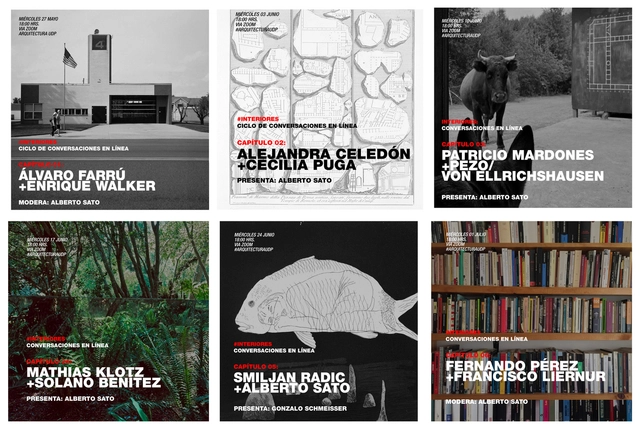
“Interiores: Conversaciones en línea” is the title of the series of virtual encounters organized by the Faculty of Architecture, Art, and Design at Universidad Diego Portales (UDP). In this first season, Professor Alberto Sato hosts meetings between renowned architects, including Álvaro Farrú and Enrique Walker, Alejandra Celedón with Cecilia Puga; Mardones with Pezo von Ellrichshausen; Solano Benítez with Mathias Klotz; Smiljan Radic with Alberto Sato; and Fernando Perez with Francisco Liernur.
You can watch these conversations below.
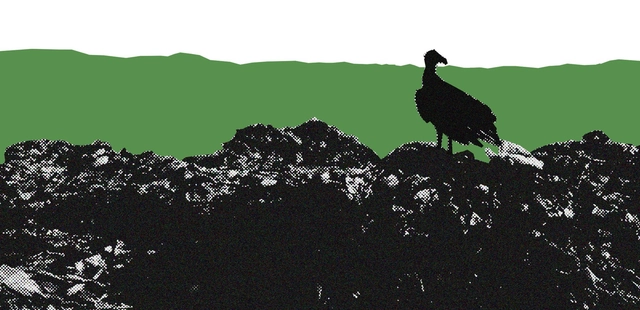
On World Environment Day, we ask you: Do you know where your household "trash" goes? How do cities deal with the tons of materials discarded daily? Should everything you throw "away" be wasted by being sent to landfills?
The coronavirus crisis has shown us that certain attitudes, policies, and practices must be abandoned if we want a different future—both socially and environmentally. However, this responsibility is not solely individual. To discuss the future of waste in cities, we must shed light on the thread of recent history: the formulation of the National Solid Waste Policy (PNRS), approved in 2010, and the challenges of its implementation.

This article is part of a collaboration with the website coolhuntermx, and was originally published under the title "La Bauhaus Tapatía."
"A sort of Bauhaus" is how Mathias Goeritz, in short, tried to convince Italian architect and theorist Alberto Sartoris to come to Mexico. In 1950, through letters, he invited him to teach at the very project that had drawn Goeritz in and excited him so much: the first School of Architecture of Guadalajara, founded in 1948 by Ignacio Díaz Morales.
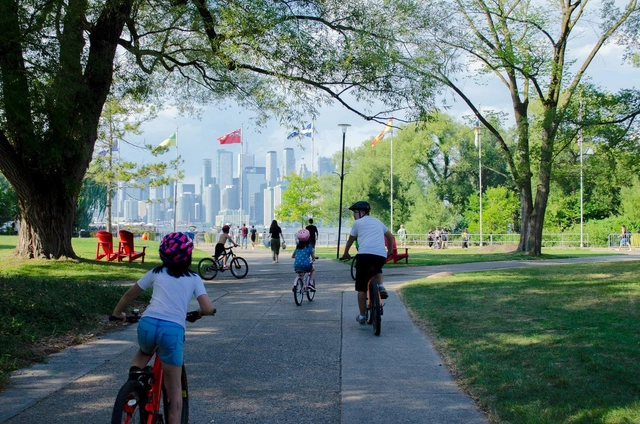
Children are often overlooked or entirely deprioritized in urban planning. Globally, it is estimated that up to 500 children die every day in traffic accidents. Thousands of others are injured in collisions or develop psychological trauma that can last for years. Whether on the streets or in public spaces, feelings of insecurity or discomfort discourage children from physical activity outdoors—at a time when 80% of children between the ages of 11 and 17 are not physically active, and another 38 million under the age of five are overweight or obese.
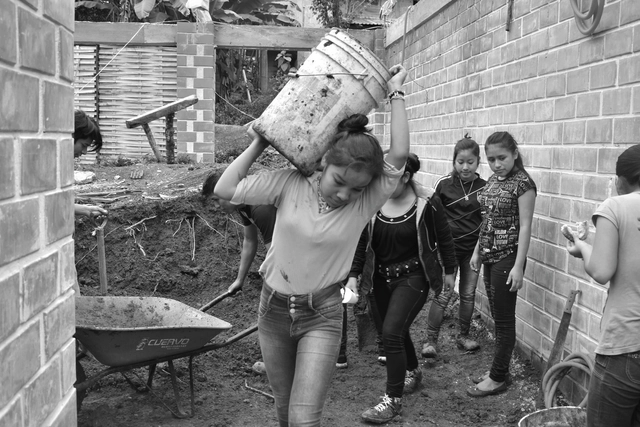
In light of recent statements by the Federal Government and the new programs announced by institutions involved in housing production in Mexico, we believe it is essential to open a dialogue and exchange ideas to better understand the concepts of self-construction, self-production, and the “Social Production and Management of Habitat” [SPMH], as well as the role of architecture in these social processes.
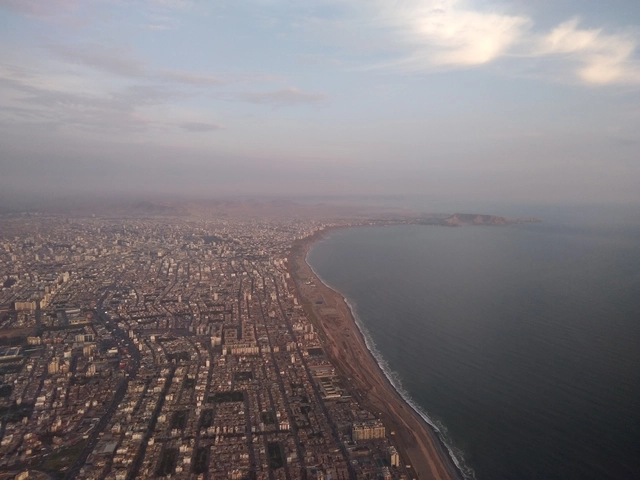
After the state of emergency, nothing will return to the way it was. At that point, public and private spaces will routinely be occupied in ways that prevent transmission of a still-active virus. However, just as this situation has forced us to recognize our deficient healthcare system, it has also revealed how inadequate the spaces we inhabit often are.

When reality demands complex and unprecedented answers from us, one of the most interesting methods to find them is biomimicry, which consists of asking nature questions in search of inspiration. In this light, it is worth asking: how does nature deal with emergency situations where an organism's behavior must be quickly modified?
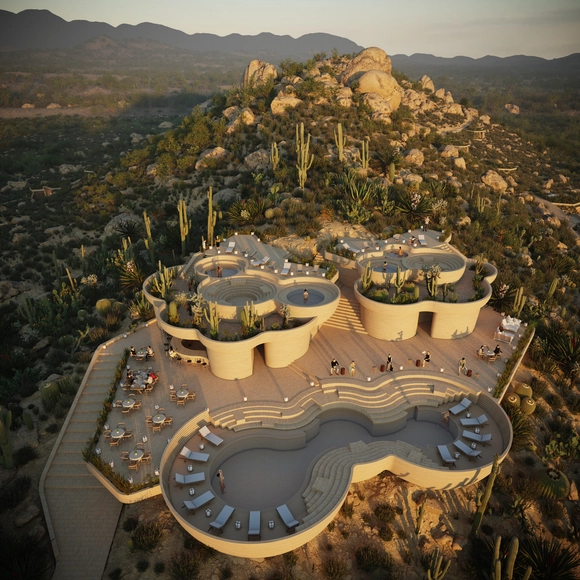
Rojkind Arquitectos + AmasA Estudio present a new project on a site named "Tres Cerritos" in Valle de Guadalupe, part of the wine route in the Francisco Zarco district of Ensenada, Baja California. The project arises from an understanding of nature's value and its historical use as a sanctuary and refuge, creating a hospitality concept that reconnects the visitor with the environment.
In the daily routine of our conventional workday, we are influenced by many distractions that affect productivity, which have already become routine. However, now that we no longer lose time commuting and are restricted to activities we can do at home, we manage our time with more holistic priorities.
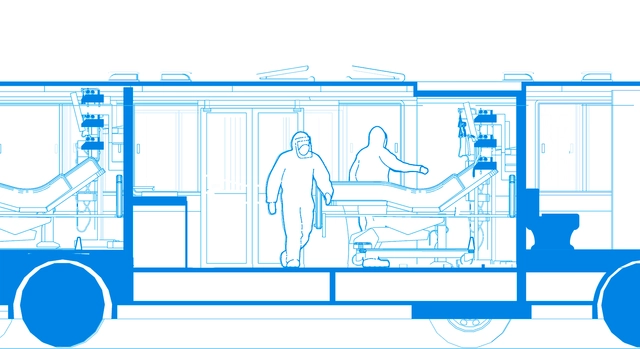
The Bogotá-based firm 57Uno focuses its practice on sustainability and has now channeled its creativity toward resilience and adaptability through Arquitectura en Tránsito (Architecture in Transit). This proposal aims to address the health emergency caused by COVID-19 by repurposing decommissioned buses from one of the primary contributors to poor air quality in the Colombian capital.
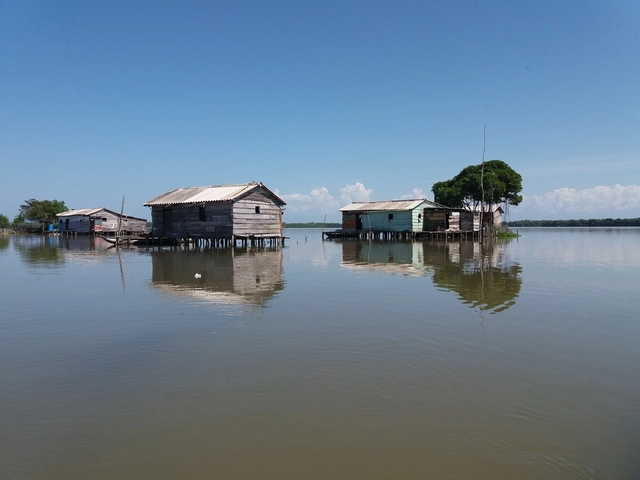
Stilt settlements have existed throughout the world wherever populations sustain their lives through constant interaction with water. In Colombia, the settlements of the Ciénaga Grande de Santa Marta, in the department of Magdalena, are a local benchmark that has endured since pre-Hispanic times. Today, these are informal dwellings, unrecognized in the official land registry. The Pontificia Universidad Javeriana and AGRA have shared their research, compiled in a book that supports the documented formalization of these dwellings using architectural representation standards, specifically by identifying the typologies of Nueva Venecia.

In early October, a new space opened in Mexico City under the name Design House at Público Coworking, showcasing a series of interventions that integrate disciplines such as design, architecture, and interior design. Over the past ten years, Design House has presented cutting-edge concepts from more than one hundred participating firms across various venues, collaborating with showrooms on the Design Route (Ruta del Diseño) that provide the pieces and accessories featured in the diverse installations.
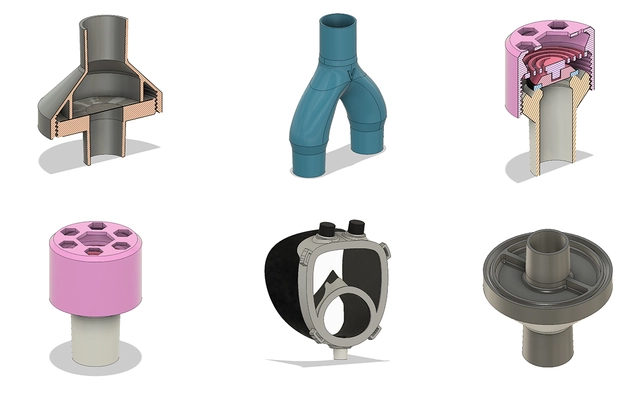
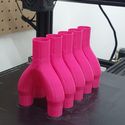
As part of an initiative by Makers México, a group of nearly 300 creative professionals from various fields continues to come together to address the COVID-19 pandemic. Architects such as Juan Carlos Baumgartner and Michel Rojkind, along with designer Ariel Rojo, have joined this effort to contribute in various ways, creating 3D-printed parts to be donated to hospitals across the country. Currently, they are working on a splitter—which allows two patients to be connected to a single ventilator in the event of a shortage—protective masks for doctors and patients, as well as other components to complement their operation.

The government-mandated lockdowns in response to the COVID-19 pandemic—and, in some cases, the fear of going outside—have recently underscored the value of domestic space, transforming it into the stage for the most evident and characteristic human actions and reactions within a capitalist and patriarchal system.
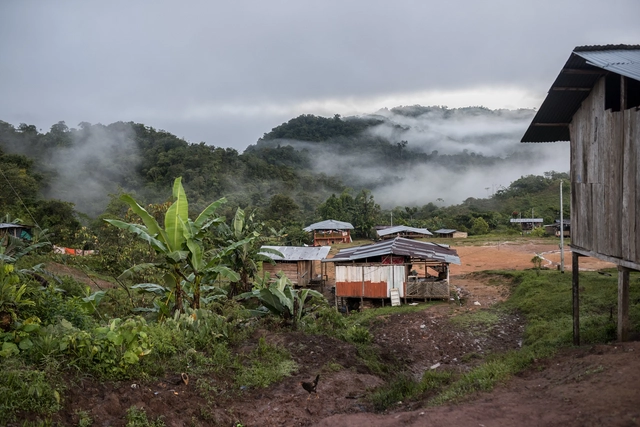
Architectural firms have been deeply questioning the future projections reshaped by lockdown and the new dynamics of how the city and territory are experienced. On this occasion, ruta4 taller from Pereira, Colombia, presents their perspective on how the profession is practiced in the country and their shift toward a more participatory practice for the benefit of local communities. The Pereira-based architecture studio has built exemplary collaborative projects, such as the taller de Urbanautas and the Casa Ensamble Chacarrá, demonstrating through experience that empathetic architecture is a highly viable approach.
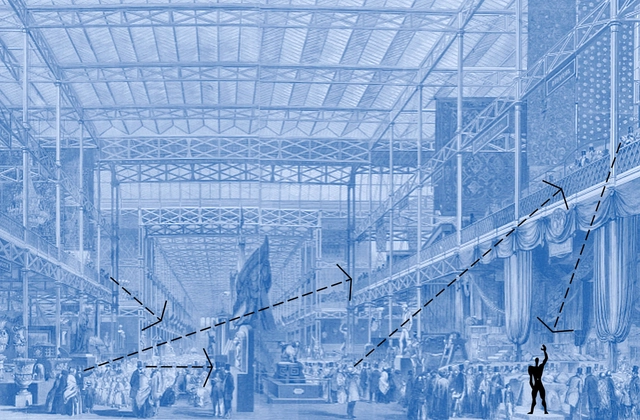
In the following article, José Javier Alayón González, PhD, Architect, and full-time assistant professor in the Department of Architecture at the Pontificia Universidad Javeriana, shares his perspective on exhibition venues and how they adapt to changing circumstances.

Cities are the synthesis of thousands of years of agreements—as fragile as we are, yet wonderfully adaptable to change. As a result, they remain the ultimate ecosystem for our lives to unfold. Thanks to density, they allow us to maximize the benefits of the infrastructure, services, and public spaces we have created to sustain the well-being to which we aspire.
At first glance, all of this is in crisis today as a result of the COVID-19 pandemic. However, looking back at our history reveals far more lethal epidemics that ultimately brought substantial improvements to the way we live.
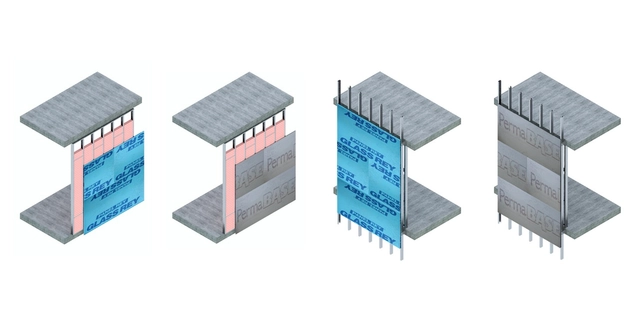
Lightweight construction systems primarily consist of a base structure of galvanized steel profiles, which can be clad with gypsum or cement panels. Depending on their specific characteristics, each panel adds enhanced moisture and fire resistance to the system, as well as varying levels of thermal and acoustic insulation. Why are they effective when applied to facades? What possibilities do they offer based on their composition? Let's review the benefits of three types of exterior panels developed by Panel Rey.
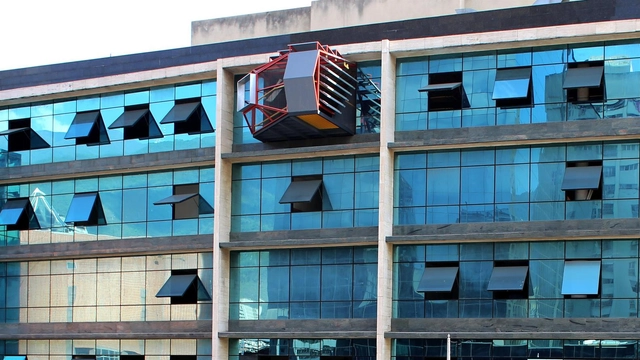
The city as we know it is collapsing, incapable of offering new ways of living. The virus is forcing us to confront the exhaustion of the buildings that make up the city and the systems underpinning how the entire urban landscape was conceived. Basic activities separated by miles along untraversable streets; halls and galleries acting as closed, artificially climate-controlled shells that can no longer accommodate crowds (and are therefore no longer visitable); subhuman capsules stacked atop one another in towers devoid of open spaces, common areas, or nature, with virtually no contact with the outside world—these will only become more dysfunctional as time goes on.
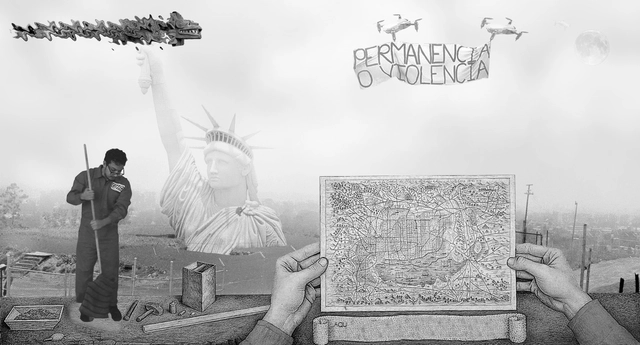
As part of an initiative by ArchDaily and the Abierto Mexicano de Diseño, a call for entries was launched this year, inviting architects, urban planners, landscape designers, industrial designers, graphic designers, floral designers, and any creative discipline that understands public space as a place for fostering collaborative encounters in cities. Published in September, the call sought unpublished or previously published projects in the form of written essays, research papers, visual essays, lectures, or other digital communication formats that offered a personal or collective reflection aligned with the theme 'Public Space.'
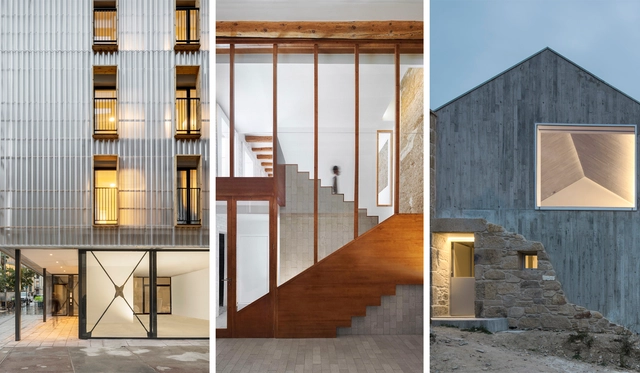
In a year marked by physical distancing, social media took on an even greater dimension in the ways we connect and stay informed. Our Instagram has expanded its reach, bringing our audience the best of what we publish on our website: projects, articles, interviews, and news from the architectural world, inspiring new ideas and tools for a better future.
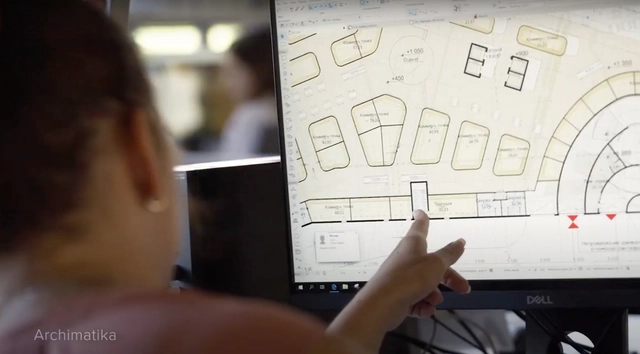
Choosing high-performance BIM software is key to developing efficient projects by automating tasks unrelated to core design, such as documentation, calculations, and other tedious processes. This reduces the time spent on these critical details, minimizing errors that lead to project delays or cost overruns.
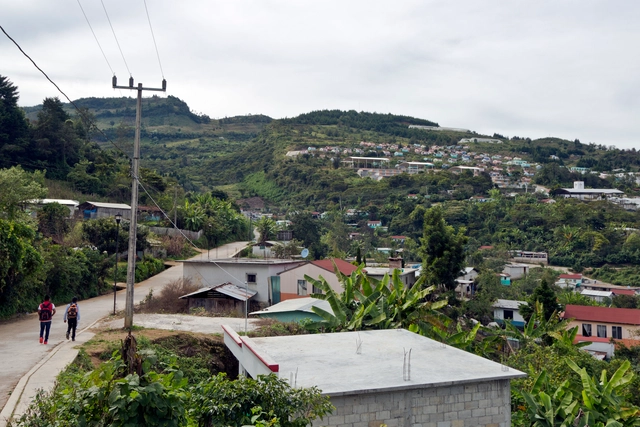
This article is part of a collaboration with the website coolhuntermx and was originally published under the title "Housing Production in Rural Mexico."
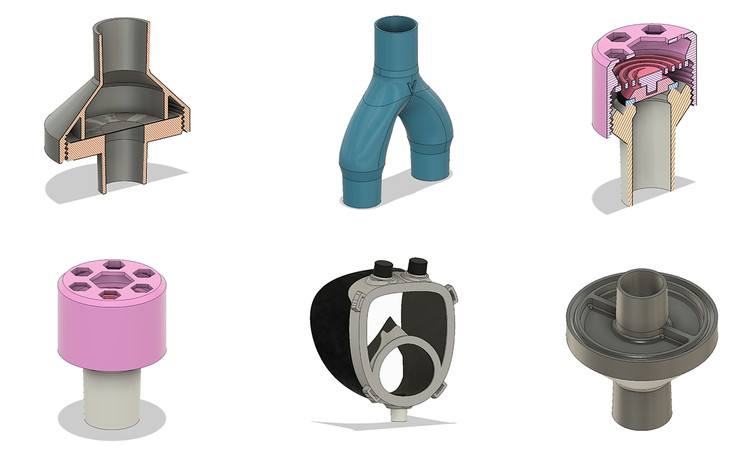
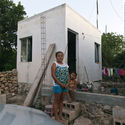
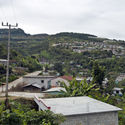
Between virtual panel discussions and tweets sparking debate on housing and its role during the pandemic, addressing this issue in Mexico is as complex as the country's history and as vast as its territory. The article What About the Right to Adequate Housing in Mexico? offered an overview of the laws governing Mexico City and urban conditions. But what about housing in rural areas?
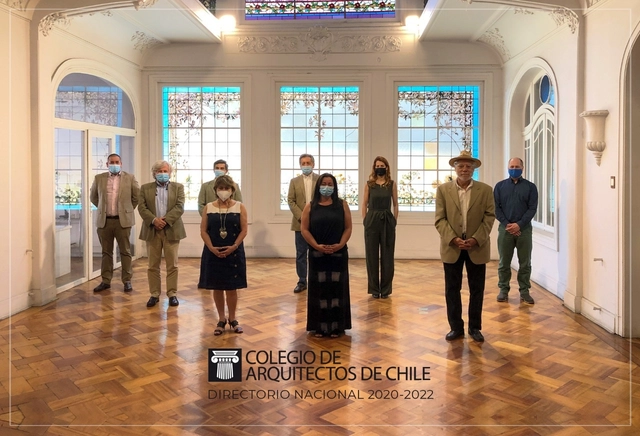
On Tuesday, December 1, 2020, during the inaugural session of the new National Board elected by members in the 2020 CA Elections, the new Executive Committee and officers of the College of Architects of Chile were selected for the 2020–2022 term.
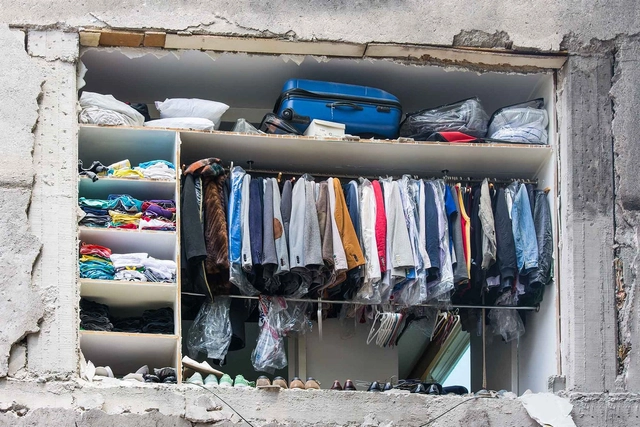
In Latin America, the concept of emergency architecture refers to spaces that serve as temporary shelter in the face of adverse circumstances, such as earthquakes, floods, and migration. Various countries, including Mexico, Chile, Colombia, Ecuador, Uruguay, and Panama, have faced events that required redefining emergency housing according to each nation's specific needs.

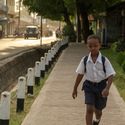

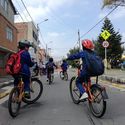

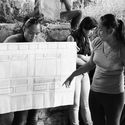
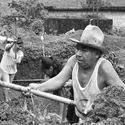












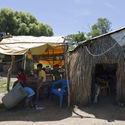
.jpg?1596823999 "Housing improvement programs in the Maya zone. Motul. Image © Onnis Luque")
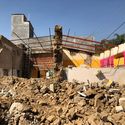
.jpg?1596824644 "Sustainable Rural City: Santiago El Pinar. Chiapas. 2011. Image © Onnis Luque")