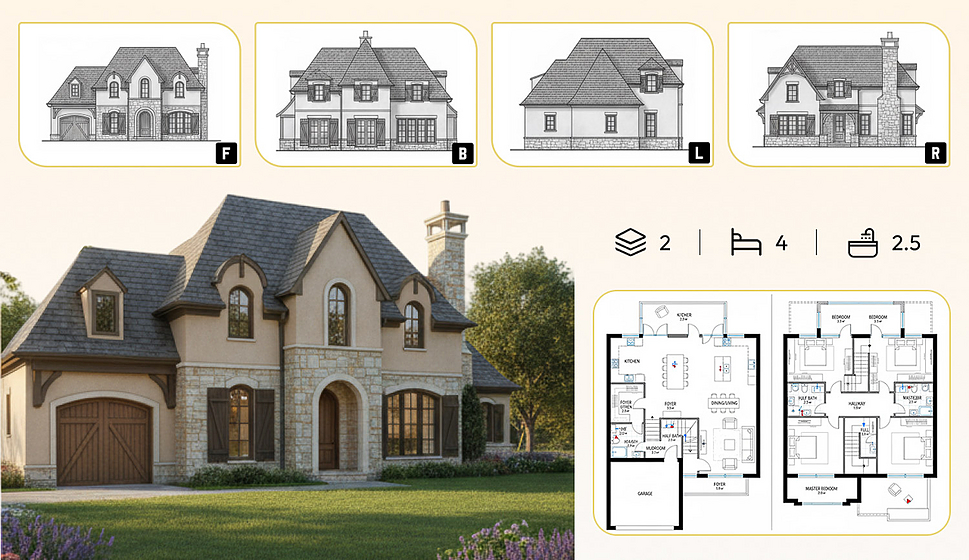
This guide covers a workflow that moves from project parameters to generated floor plans, 3D perspective views, exterior design exploration, and site context visualization, using AI tools in place of preliminary CAD and rendering work.
This guide covers a workflow that moves from project parameters to generated floor plans, 3D perspective views, exterior design exploration, and site context visualization, using AI tools in place of preliminary CAD and rendering work.
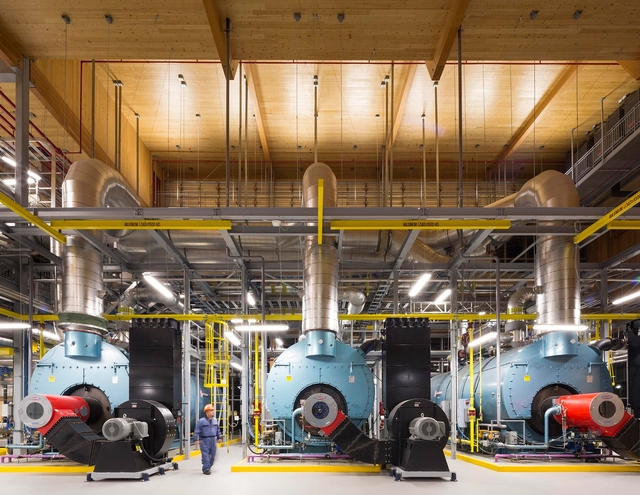
Industrial buildings are perhaps the ultimate exemplification of Louis Sullivan's famous adage: form follows function. They are typically functional, efficient, fast to build, and unornamented. Consequently, studying the industrial heritage of cities and countries allows us to understand the materials, technologies, and local construction traditions of each era, while reflecting on the industrial past. This quickly brings to mind England's red-brick factories, as well as the skylights used to flood production floors with natural light, among many other typical solutions. Today, steel frames and precast concrete structures are the most widely used due to their combination of construction efficiency, cost-effectiveness, and capacity for large spans. Typically, these industrial warehouses are also characterized by being extremely cold and impersonal, in addition to carrying a substantial carbon footprint. However, Canada's experience in recent years stands out. In this country, timber buildings for industrial programs are gaining increasing acceptance.

The bid award meeting for the "Full-Phase Design of the Guiwan Unit 4 Nine-Year School Project" was held on January 29, 2021. The tenderer legally established a bid selection committee, and following a vote by the committee, the final rankings are as follows:
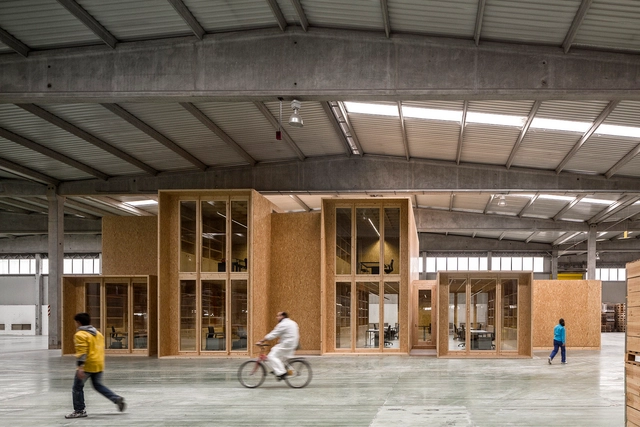
Driven by necessity, various building types have changed their use. Churches that are now libraries, abandoned warehouses turned into cultural centers—and while much has been written on the subject, from N. John Habraken's 1970s Open Building concept to Adamo Faiden's contemporary From Mixed-Use to Diff-Use, today we are experiencing, more than ever, a compelling global debate surrounding housing adaptability. Is it necessary to dedicate so much square footage to offices when, during the pandemic, we realized that a large portion of work can be done remotely? This was one of the central questions during the lockdowns of recent years.
Undoubtedly, buildings are on the radar for what we can do with them in the near future—especially as the climate crisis enters the equation. "The greenest building is the one that is already built," says Carl Elefante. Adaptive reuse and adaptability will surely be the defining terms on the lips of architecture professionals worldwide. Thus, it is time to reflect further on how design can address this challenge.
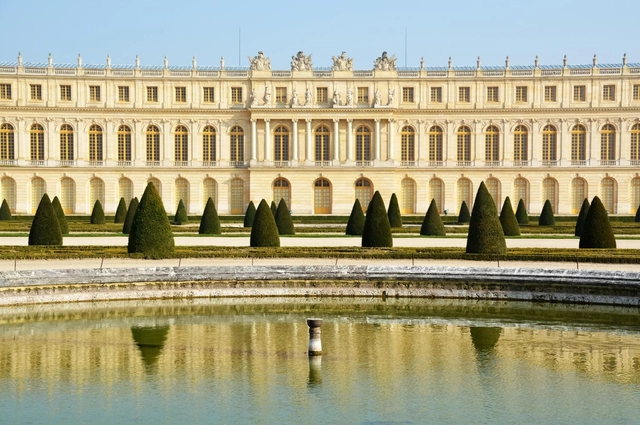
Located near Paris and symbolizing the power of French absolute monarchs, the Palace of Versailles was originally built between 1610 and 1643 as a rural hunting retreat for King Louis XIII of France. Over time, the residence was expanded and refined, becoming a small chateau in 1634. Its transformation into a grand, luxurious palace and a display of royal opulence began during the reign of Louis XIV, known as the Sun King.

This week, we feature job openings from two of China's leading architecture practices: Beijing-based People's Architecture Office (PAO) and Shenzhen-based Meng Architects. Known for their distinct design philosophies and active presence in different sectors of the architectural field, both offices are looking for talented architects to join their teams.
"Domingos Libro" is hosted by Carmelo from Enorme Studio. Every two weeks, he delves into forgotten architectural publications, books, and architecture magazines from the '60s, '70s, and '80s that carry the most fascinating backstories.
This new episode is a holiday special focusing on the December 1971 issue of Architectural Design magazine and the "12 Cautionary Tales for Christmas" proposed by Superstudio.

This week’s job openings come from two design firms based in Beijing and Shenzhen: Origin Architect and JKP Architects. Specializing in different scales and themes, both practices are active across various architectural fields and are seeking like-minded architects to join their teams.
"Domingos Libro" is presented by Carmelo from Enorme Studio, where every two weeks, he delves into forgotten architectural publications, books, and architecture magazines from the 60s, 70s, and 80s that have the most interesting stories behind them.
In this new episode, he discusses the catalog of the exhibition "Houses For Sale," published by Rizzoli and B.J. Archer in 1980. Through the Leo Castelli Gallery, one could purchase the designs for eight houses by renowned architects (Emilio Ambasz, Peter Eisenman, Vittorio Gregotti, Arata Isozaki, Charles Moore, Cesar Pelli, Cedric Price, and Oswald M. Ungers), upending the traditional "client commissions architect for their dream home" relationship.
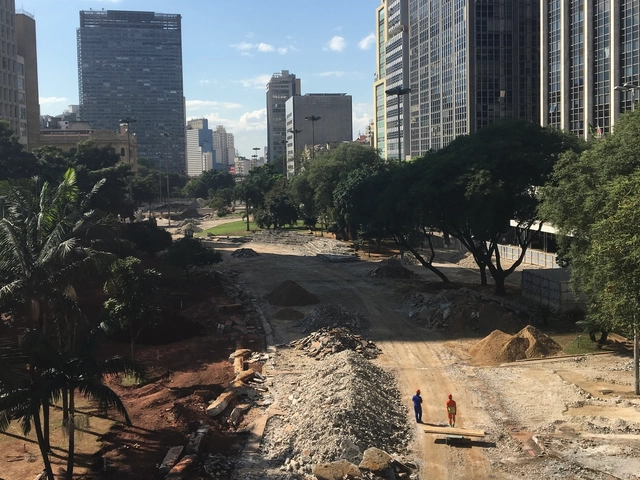
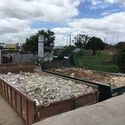
How can waste become a resource? Or rather, when did waste stop being a resource? Why does contemporary architecture still build as if our buildings were great titans that will survive different eras and adversities? These are all questions that cross the mind of a recent architecture graduate. One of the current challenges of architectural production in a metropolis like São Paulo is understanding that, after demolition, the building does not disappear. What does our National Solid Waste Policy indicate?
Although latent, this issue is still rarely debated within academia, a space that should be constantly proposing alternatives to our way of life. And even when it is debated, where is the benefit to the public? How can we disseminate these lessons? Education is still the key to getting our future back on track.

The following article is a contribution from architecture students at the Universidad Nacional de Colombia, Manizales campus. Juliana García Valencia, Alejandro Jaramillo Alzate, and Manuel Felipe Rincón Medina share their experience developing 'Casa Urbana de Montaña 1950 - 1970', the two-volume project that won first place in the research, theory, and criticism category of the IV Colombian Biennial of Architecture Students.
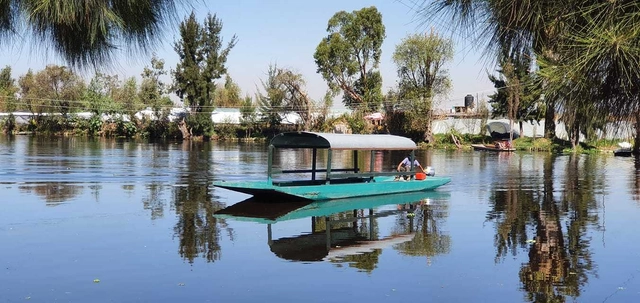
REDES is an organization whose work focuses on the Xochimilco and Milpa Alta areas of Mexico City. They seek to address environmental challenges to improve quality of life and support conservation in the region. We spoke with Elsa Valiente—Executive Director and Founder of REDES Restauración Ecológica y Desarrollo AC—about efforts to revive chinampa production in Mexico City and conserve water in Xochimilco.


Studio Zhu-Pei was founded in Beijing in 2005 by Zhu Pei. The practice has consistently focused on the exploration and practice of cultural architecture, driven by an artistic and experimental creative ethos. To date, the studio has completed 18 art museums and cultural projects, with another 17 currently under construction or in the design phase. Design Philosophy: "Nature Architecture" is neither landscape architecture nor green architecture. Rather than referring to nature in a narrow sense, it represents a natural attitude—an exploration of the natural tectonic laws behind architecture. It seeks to uncover the sensory roots defined by one's own culture, establishing a deep-seated connection between architecture and local culture, geography, and climate.
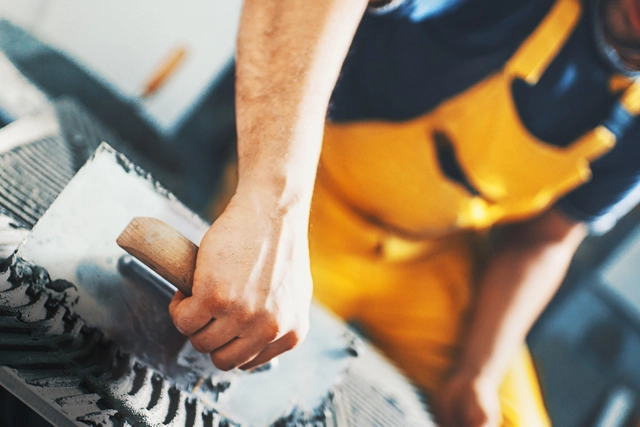
Solutions that improve usability while also being sustainable always deserve to be highlighted. Klabin, a Brazilian paper and packaging company, has developed the market's first cement packaging that can be integrated directly into the concrete mixing process. The water-dispersible packaging is made of 100% dispersible paper, meaning it can be incorporated during concrete preparation, streamlining production through direct use in a horizontal shaft concrete mixer. Simply place the closed packaging into the mixer, add sand, gravel, and water, and mix until it disperses and integrates into the final product, preserving the concrete's quality. This new packaging guarantees high performance and easy handling.

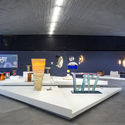
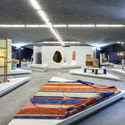
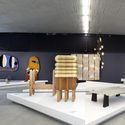
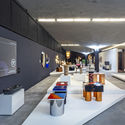
As part of the annual collaborative efforts of the Design Week team in Mexico City, the "Inédito" exhibition opened on October 14 at the Espacio CDMX Arquitectura y Diseño gallery. This showcase is part of the seventh consecutive edition of the open call, which aims to support, promote, and disseminate utilitarian design projects in the categories of social impact, environmental impact, innovation, function, aesthetics, concept, user experience, materials, and processes. Divided into three categories—professional, student, and limited edition—the exhibition, rather than fostering competition, opens up opportunities in both the domestic and international markets for exceptional design with commercial and production viability.
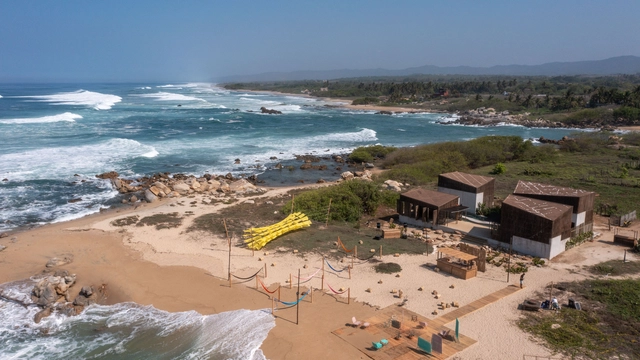
In late May 2021, Puerto Escondido, Oaxaca, hosted the inaugural edition of MDF Mexico Design Fair, an emerging platform born out of a desire to discuss, exhibit, and celebrate the Mexican design scene. Its primary objective is to promote the acquisition of contemporary Mexican design, strengthening its position by understanding and transcending the goals of the international market.
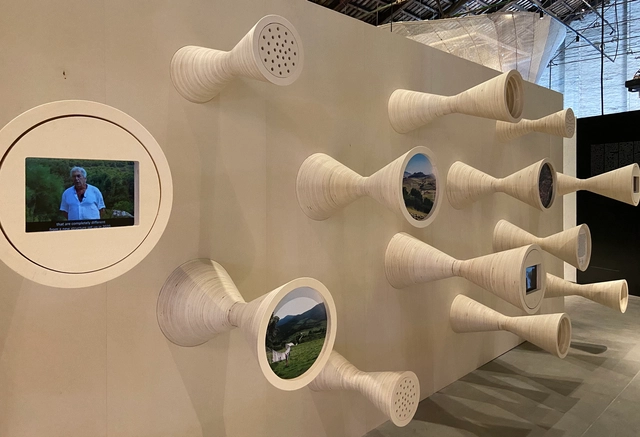
The detection of gravitational waves is one of the most important recent discoveries. It is revolutionizing the way we observe and study the universe.
El Equipo Mazzanti in association with Lino Cabras, Fabrizio Pusceddu, Eugenio Coccia, Massimo Faiferri, and Michele Punturo, designed an installation that showcases the latest projects on the subject. Titled 'Gravitational Wave Architecture', the exhibition is housed within the Italian Pavilion, curated by Alessandro Melis, at the Venice Biennale 2021.
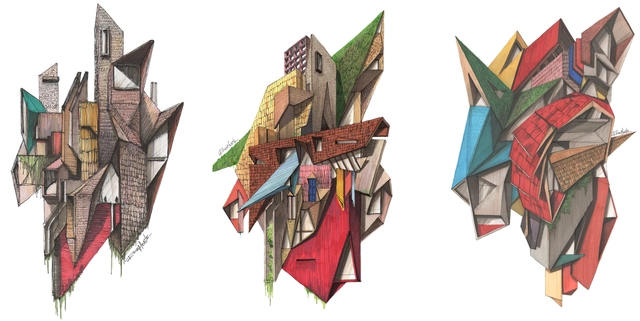
Following the release of "Architectural Classics," a series of iconic architectural classics depicted in axonometric views, Diego Inzunza—the Chilean architect and visual artist behind Rosamente—now shares a collection of 22 drawings created in 2021 in collaboration with 16 architects from five countries, including Cristian Danke, David Carcamo, Anita Catricura, Roberto Ibáñez, Rodrigo Ortiz, Charlotte Bazonnard, Javiera Muñoz, Sofía Montealegre, Juan Pablo Santamaría, Tom Gardner, Joel R, Sergio Pita, José Tello, Francisco Guerrero, José Tomás Infante, and Camilo Carrascal.
The title of this new series is “Abstract Architecture,” featuring conceptual drawings that revolve around architecture, nature, and alternative graphic narratives.

This week, we feature job openings from two leading practices in the Yangtze River Delta: Senshang Design in Hangzhou and DYML Architecture in Shanghai. Active across various architectural sectors with their distinct styles, both firms are looking for talented designers to join their teams.
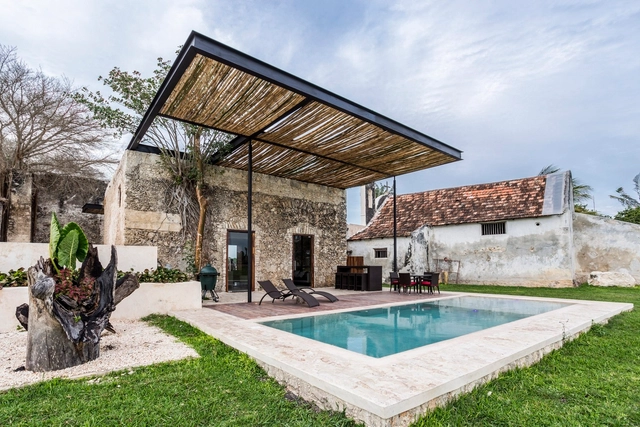
.jpg?1624381640 "Interamerican University / Boyancé Arquitectura + Edificación. Image © Manolo R. Solis")
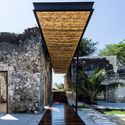

Campeche is a state located in southeastern Mexico on the Yucatán Peninsula, bordering the states of Yucatán, Quintana Roo, and Tabasco, and facing the Gulf of Mexico. Additionally, Campeche is one of the three states that define the political border with Guatemala. Covering 57,924 km², it is the third least-populated state in the country. Its capital and most populous city is San Francisco de Campeche.

An architectural award acts as a legitimizing mechanism, indicating which approaches, materials, and strategies are taking center stage in the discipline's discourse. By bringing together projects with diverse programs, scales, and constraints, these initiatives bring emerging priorities and directions in the field to light. Accordingly, the Shaw Contract Design Awards has established itself as a global platform of recognition in interior design and a barometer of the transformations sweeping the discipline, fostering reflection on the role of design in creating more responsible, inclusive, and sustainable environments.
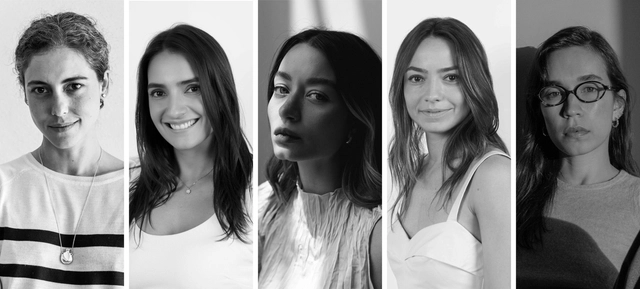
Architecture is shaped as much by the materiality of physical spaces as by how they are perceived, discussed, and recorded. Architectural discourse, along with its mediation and representation, is inseparable from the act of design, as it defines a project's reach and longevity over time.
Driven by this understanding, Vestigare Agency emerged not only as a social media agency tailored to architecture and design, but also as a platform for architectural curation and a bridge between architects and the wider public. Founded and led by Luiza Giurni, the platform has established itself as a new communication vehicle in contemporary architecture. Among its various partnerships, it highlights a collective effort built on collaboration with female architects.

Nicolás Valencia talks with Chilean architect Romy Hecht, Dean of College UC and author of El alma del verdor de Santiago, (Orjikh Editores, 2025), where she explores the nature of the landscape in Chile's capital, examining its origins and identifying the key figures responsible for cultivating exotic species and designing planting geometries that, once rooted, shaped Santiago's identity and character.
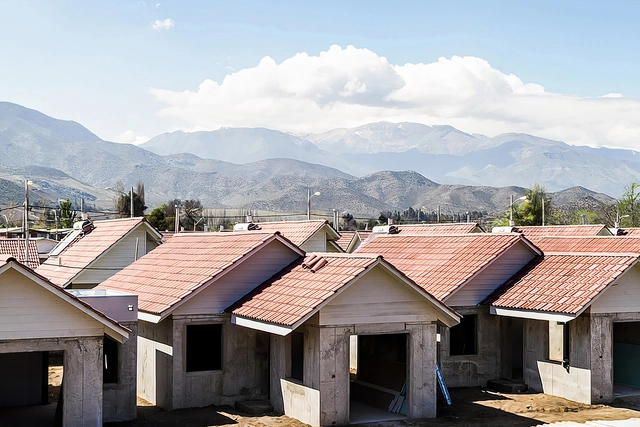
In the quest to find innovative solutions to achieve carbon neutrality in construction, identifying, addressing, and managing emissions is of vital importance. Doing so enables a deeper understanding and analysis of each stage of the production process and the life cycle of materials. Optimizing construction processes, minimizing fossil fuel use, adopting renewable energy, and recovering recycled materials are just some of the many strategies available to advance this transformation. Melón has taken the initiative to develop a Product Carbon Footprint calculator to deliver more sustainable products and construction solutions, actively contributing to the fight against climate change.

Architecture will never cease to pursue functionality, as it lies at the core of its essential principles. Alongside this condition are factors such as aesthetics and operability, which also influence how contemporary design is valued. Over time, the concept of functionality has evolved, extending beyond problem-solving and efficiency to connect with the creation of experiences. As a result, the quality of an environment depends as much on its design as on how its elements and systems articulate to generate an overall experience of inhabiting. In this sense, innovation means conceiving fluid and intuitive environments where every component helps make the experience natural and safe—something especially relevant in everyday spaces such as bathrooms.