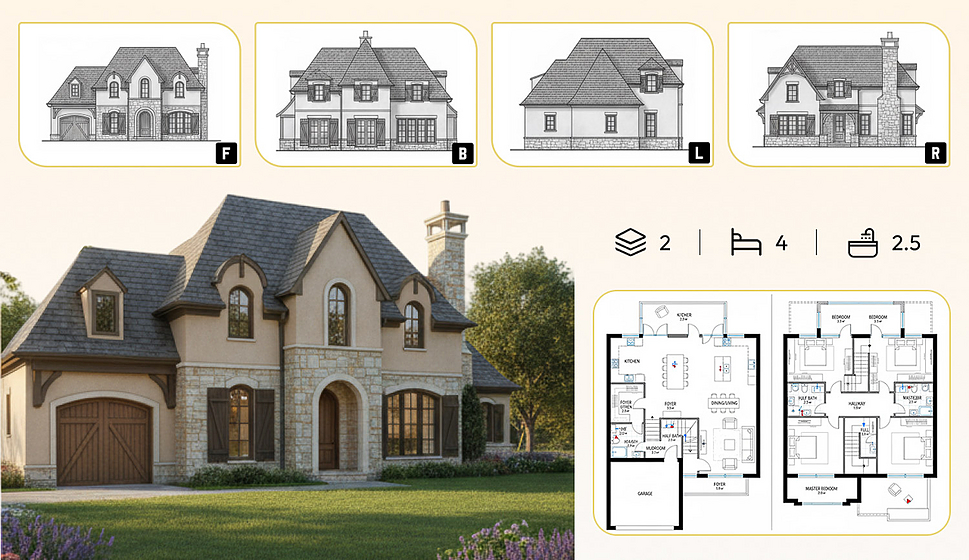
This guide covers a workflow that moves from project parameters to generated floor plans, 3D perspective views, exterior design exploration, and site context visualization, using AI tools in place of preliminary CAD and rendering work.
This guide covers a workflow that moves from project parameters to generated floor plans, 3D perspective views, exterior design exploration, and site context visualization, using AI tools in place of preliminary CAD and rendering work.
Nicolás Valencia speaks with Venezuelan architect Betina Rincón, research coordinator at re:arc institute, about the work of the Danish philanthropic organization in supporting and funding community-led solutions to address the climate crisis worldwide.
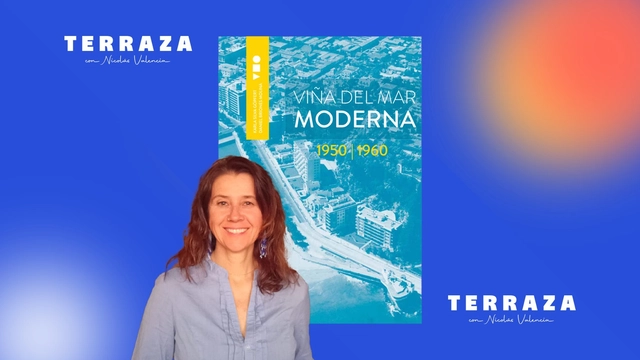
This week on the TERRAZA podcast, Nicolás Valencia talks with Chilean designer Karla Silva about the book Viña del Mar Moderna, published in 2022.
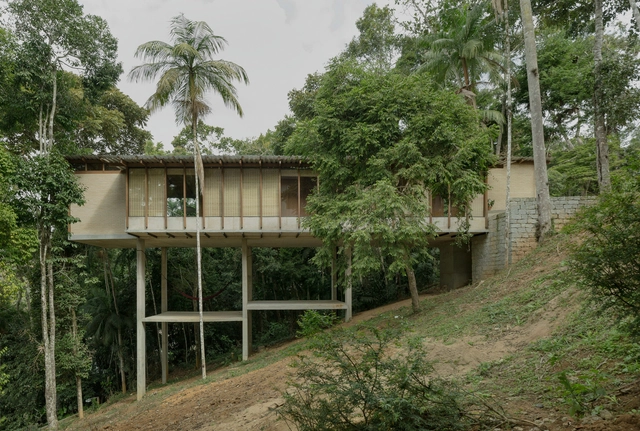
A cada ano, a equipe de Curadoria de Projetos do ArchDaily rememora a vasta gama de obras publicadas ao longo desse período, apresentando retrospectivas que permitem não apenas identificar tendências e variações na produção arquitetônica, mas também reconhecer de que forma impactam a nossa audiência. No ArchDaily Brasil, a seleção anual de melhores casas – que ano após ano, segue permanecendo como nossa categoria de projeto mais popular – representa uma amostra das variadas soluções, estratégias, técnicas e materiais encontrados na arquitetura residencial dos países de língua portuguesa.
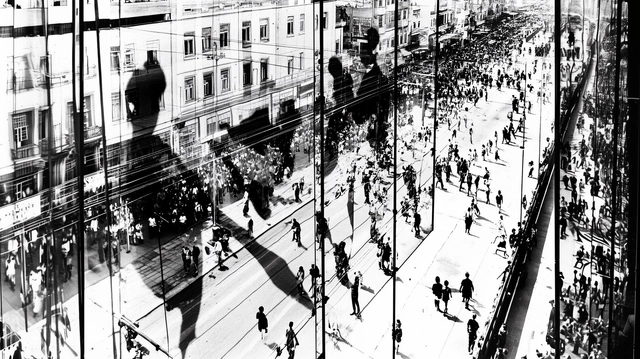
Seeking to reflect on the contemporary city invariably runs up against the limitations imposed by the methods of the Modern Movement. Classical sciences and their deterministic methods, which guided—and still guide—the urban planning of this era, describe world phenomena through strict causal relationships and, consequently, define them by reductive universal laws that exclude contradictions and uncertainties. The frequent result of these perspectives is an idealized, mechanistic world that denies the complex, actual nature of phenomena such as cities.
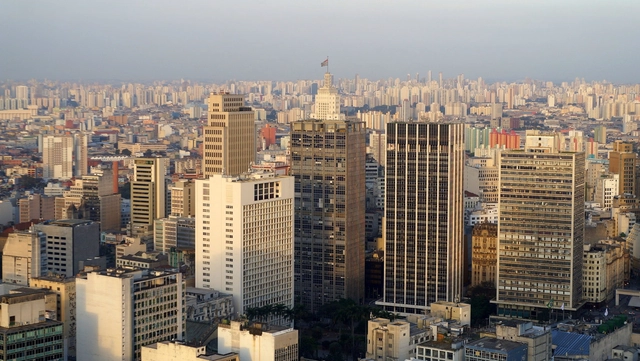
Real estate speculation is undoubtedly the greatest villain singled out by those who study, inhabit, or are simply interested in cities today. It gets blamed for practically every urban problem: whether a city is too dense or too sprawling, choked with traffic or prohibitively expensive; whether local politics are corrupt or the poor are marginalized to the periphery; whether corporations profit from public investments or public infrastructure lies idle; whether historic heritage is destroyed, new buildings alter the cityscape, or informal settlements are burned down. The list is endless.
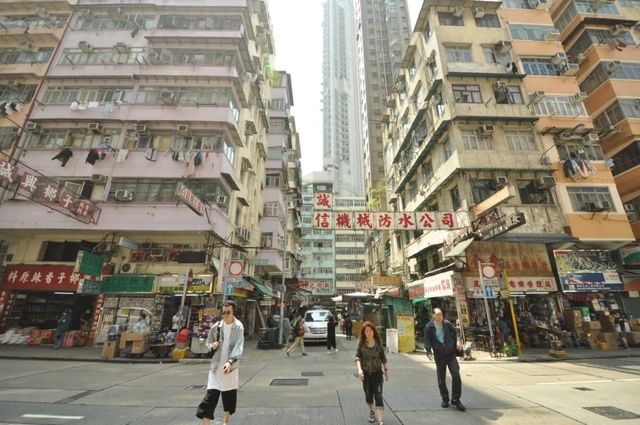
Many authors address the importance of the street to vitality in urban space. Streets are public open spaces, typically bordered by the buildings that shape them. We rarely realize it, but it is through this open space that we appropriate the city, and where the experience of walking takes place.
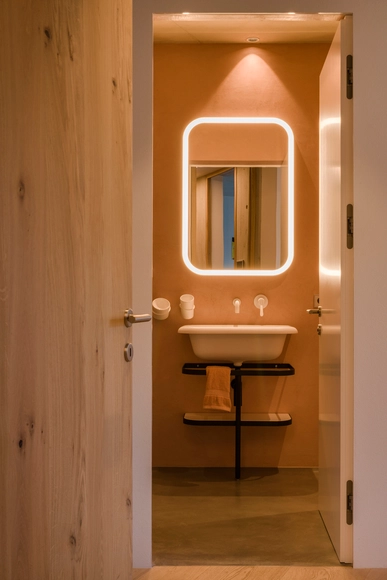
A successful interior design must be paired with a proper lighting design. It is responsible for ensuring that the quantity and wattage of the bulbs are suited to the space based on its dimensions and use.
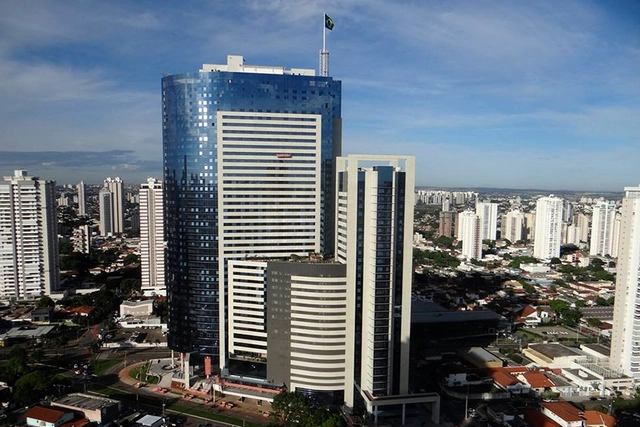
On flat terrain, where the horizon is visible in every direction, buildings with over forty stories rise across different areas of the city. Recently, a fifty-story building was completed; at 191 meters (626 feet) high, it is the tallest in the country. While some criticize this development model for its impact on the landscape, in a capital with rapid population growth, one would expect the cost of housing to rise steadily, along with the housing deficit. This, however, is not the case in Goiânia.

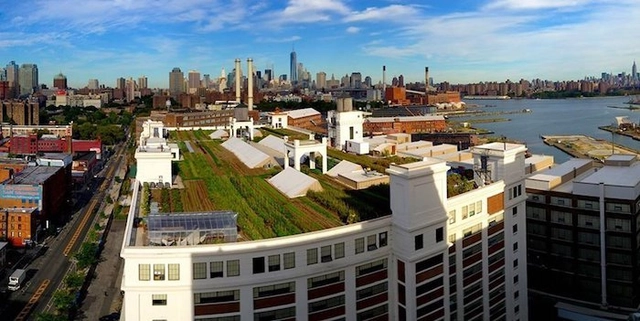
More than 36 tons of organic vegetables are grown on New York City rooftops every year. Beyond providing food, these green roofs also prevent pollutants from reaching the city's rivers.
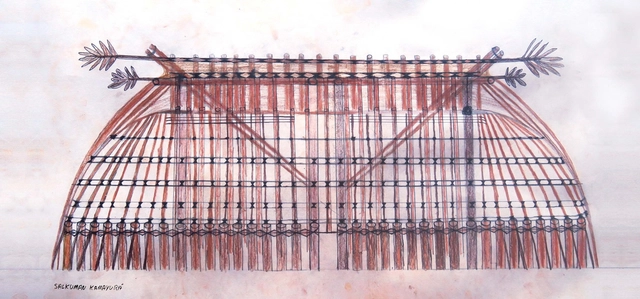
In July 2019, the habita-cidade Platform [1] organized the "Ways of Dwelling: Traditional Architectures" Travel-Workshop, which brought students and professors to the Ypawu Village in Kamayurá territory, in the Upper Xingu. The general objective of the "Ways of Dwelling" Travel-Workshops is to foster constructive reflection on the diverse forms of human habitat across the planet. This year, responding to a request from Kamayurá master builders to produce a manual on local architecture, the Travel-Workshop was designed so that the visiting group could support this important endeavor. The idea for the Kamayurá Architecture Manual was first proposed by Kanawayuri L. Marcello Kamaiurá (a local leader) to architect Clarissa Morgenroth (a graduate of Escola da Cidade) and theater director Cibele Forjaz. Escola da Cidade was then invited to join the project, which was taken on by the habita-cidade Platform, an initiative linked to the *lato sensu* postgraduate program "Housing and City."


The Master Plan is the basic instrument for defining a municipality's development model. It establishes guidelines and strategies for executing plans, programs, and projects, seeking to emphasize public participation as well as economic, social, and environmental sustainability. Yet, its influence on the city goes far beyond what is commonly imagined: it ultimately dictates the volume and form of every new building.
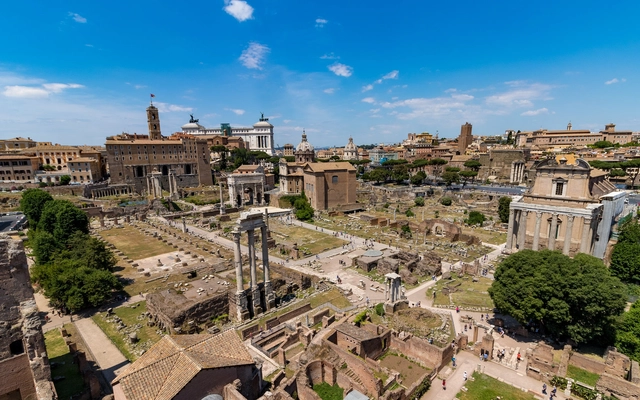
Metropolis is a word derived from the Greek metropolis, a combination of meter (mother or womb) and polis (city). Thus, the metropolis is the mother city, the most important within a context where several interconnected cities depend on one another to fully function. In most cases, metropolises feature conurbations of multiple urban clusters.
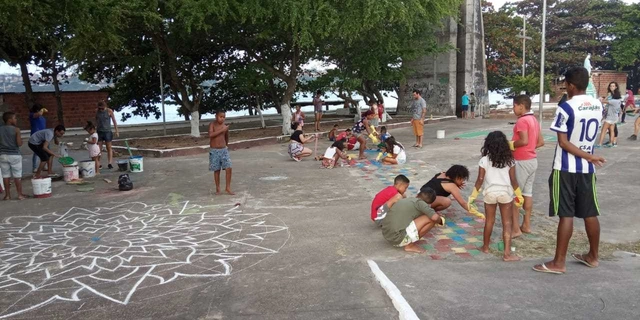
As a result of three months of training in local engagement within the pioneering COURB Ambassadors Program, mobilizers from various Brazilian cities promoted actions in their territories. Aiming for the collaborative construction of inclusive cities, the Articulation Journey—a highly collaborative effort—took place between August and September and featured three types of actions: roundtables, territorial interventions, and collective proposals. The ambassadors mapped and engaged more than 150 institutions in the program, including city halls, universities, collectives, businesses, and organizations.
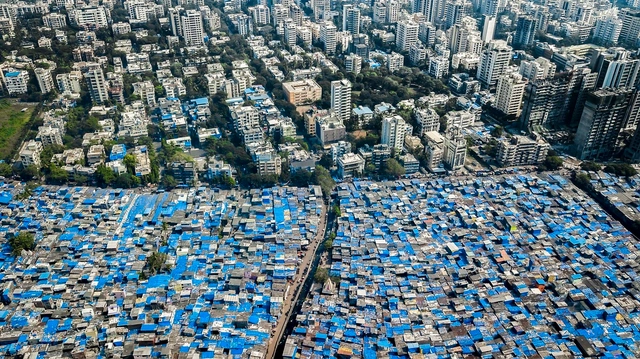
Imagine Lagos, Nigeria, a city of 22 million people. What was once a small coastal town just a few decades ago has exploded into a sprawling megacity stretching over more than 1,170 square kilometers. This rapid growth has strained municipal services to their limit: less than 10% of people live in homes connected to sewer networks, and less than 20% have access to running water. Many homes are in slums or informal settlements on the city’s periphery.
Now imagine Lagos twice as large.
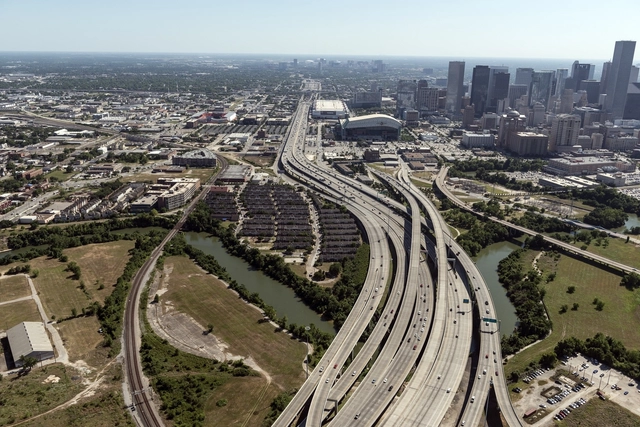
While conventional American urbanism is known to drive excessive sprawl, it is worth remembering that, ultimately, the true extent of a city's horizontal expansion lies far beyond the reach of urban planning controls.

From revitalizing degraded green spaces to hosting collaborative games, events, and workshops, there are numerous volunteer initiatives capable of transforming a city's landscape and the lives of its residents.
In addition to serving as vital forms of social participation, community collectives and volunteer-driven initiatives facilitate dialogue between public authorities and local communities. This collaboration yields numerous benefits, particularly in reshaping how we interact with our cities.
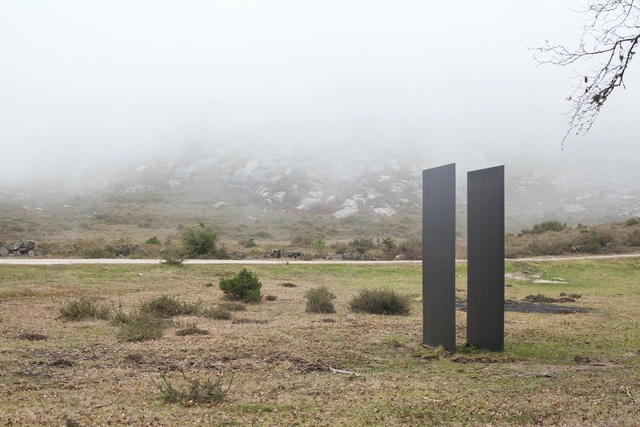
The Alto Minho region in northern Portugal had its landscape transformed by a series of site-specific artistic interventions that were part of the DESENCAMINHARTE program. The initiative aimed to promote artistic creation in the region through a collaborative network designed to foster recognition of its local identity.
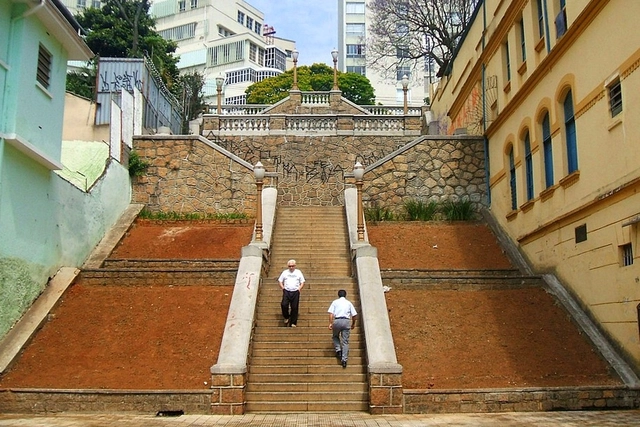
There is no doubt that preserving historical, artistic, and architectural heritage is a fundamental goal for building a just city. It is the right of all citizens, both present and future generations, to know and enjoy our collective memory and culture. However, for this to actually happen, both a discerning eye and a comprehensive vision of the city are essential.
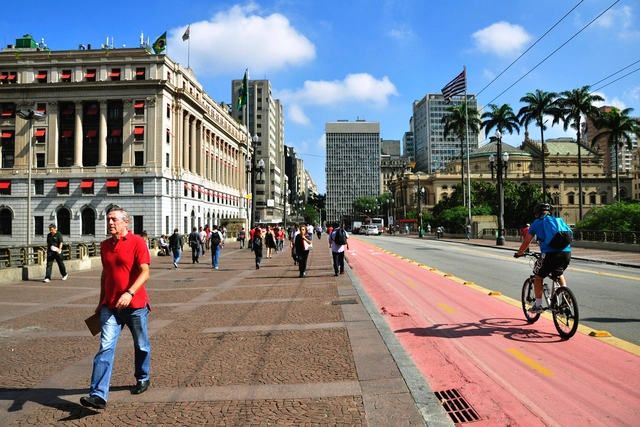
Five Brazilians die in traffic accidents every hour. While highly critical statistics like this can spark positive reactions, they are not always enough to change reality on their own. However, knowing that in the city of São Paulo intersections concentrate more accidents per kilometer, and that these rose by 5% from 2017 to 2018, provides decision-makers with the concrete data needed to implement measures to reduce these numbers. Acting on the most dangerous intersections will save lives.

A quality public transit system does not depend on buses alone: its overall quality is also directly linked to adjacent elements—such as bus stops. In all cities participating in the QualiÔnibus Benchmarking Group, bus stops were identified by the public as one of the most problematic components. But what can cities do to improve them?
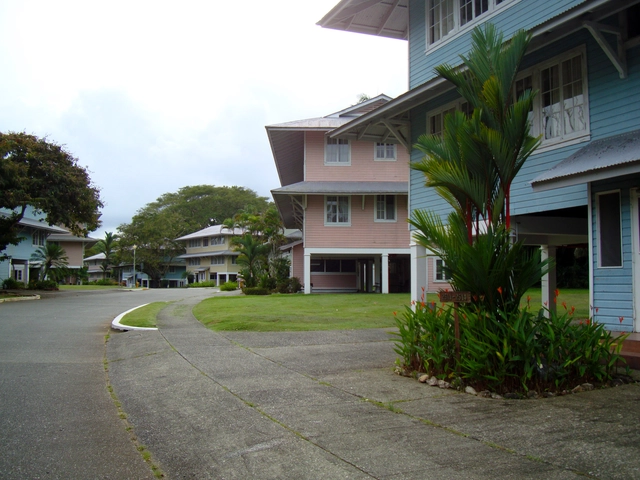
The book Sustainable Tropical Cities, published by the Institute of Tropical Architecture (San José, Costa Rica) in 2006, gathers the conclusions its authors compiled over years of observation and study. Bruno Stagno and Jimena Ugarte, both architects and immigrants enamored with the tropics, aimed to demonstrate the specific characteristics that cities located in the tropical belt possess—or should possess—while introducing an unprecedented topic.
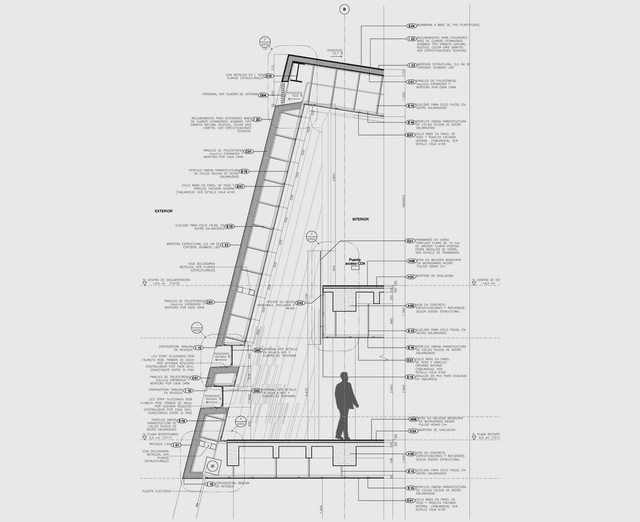
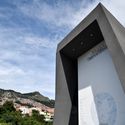
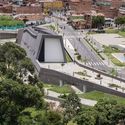
The Museo Casa de la Memoria is located in Medellín's Boston neighborhood and was developed to commemorate the bicentennial of Colombia's independence. Led by Juan David Botero as the design team coordinator, the project was conceived from the outset as a highly recognizable building for both the community and visitors, drawing its sculptural form from traditional gabled houses. "It is a museum for the victims of violence, and as such, we had to ensure it was a space for everything; a home, the house where memory comes to life," Botero says.
The 3,800-square-meter cultural facility unfolds along the creek like a tunnel, housing exhibition rooms, workshops, archives, offices, and an auditorium. Its envelope functions as a folded skin, incorporating an air cavity that absorbs cool air, draws it in through the facade, and expels it as hot air at the top. This chimney effect helps control the typical 30ºC summer temperatures of the area, ensuring a stable and comfortable indoor climate. Below, we take a closer look at its sculptural thermal and acoustic envelope.
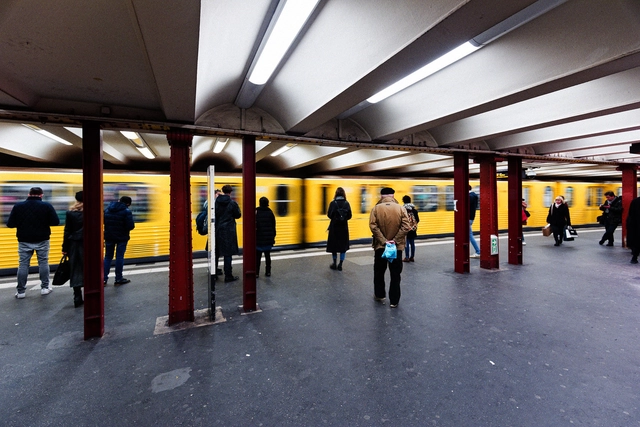
Berlin is a global leader in urban mobility, according to the Mobility Futures study by data and consulting firm Kantar, which evaluated major world cities. The German capital topped the mobility ranking due to several factors, most notably more cost-effective travel and easy access to a broad public transit infrastructure network and shared mobility services.

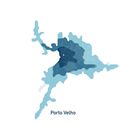
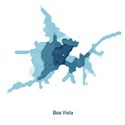
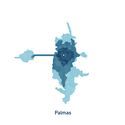
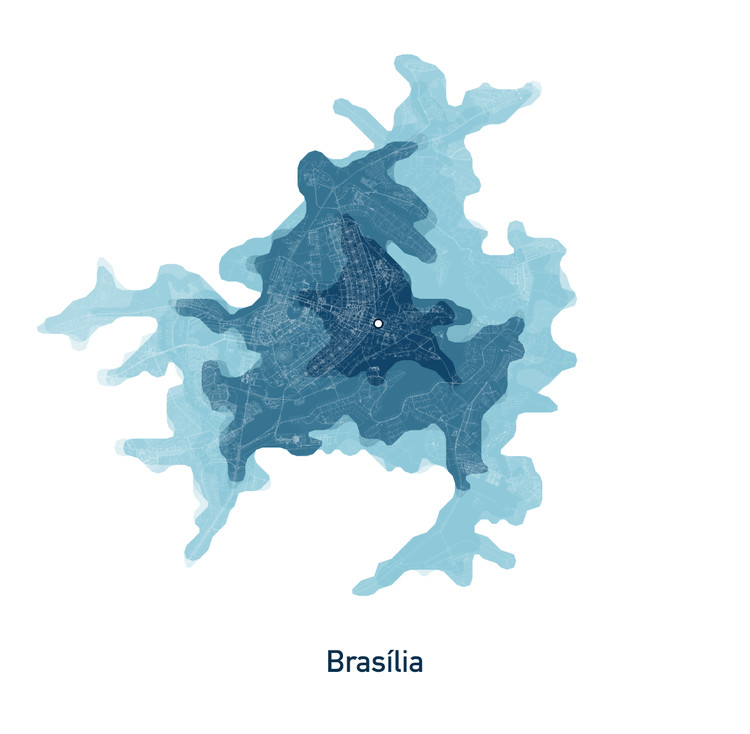
It is well known that our cities are increasingly saturated by automobile use; mobility has therefore become a key element in any discussion on urban living, particularly in large Brazilian cities. This premise prompts us to examine and better understand which aspects of urban commuting we can prioritize for intervention, moving toward approaches where car use is less necessary. An important step in this dialogue is understanding just how time-efficient cars actually are. Mapping Lab conducted a visual analysis of 27 Brazilian capital cities using data from the here.com platform.



.jpg?1573568986 "© Isaac Ramírez Marín")
.jpg?1573568977 "© Isaac Ramírez Marín")