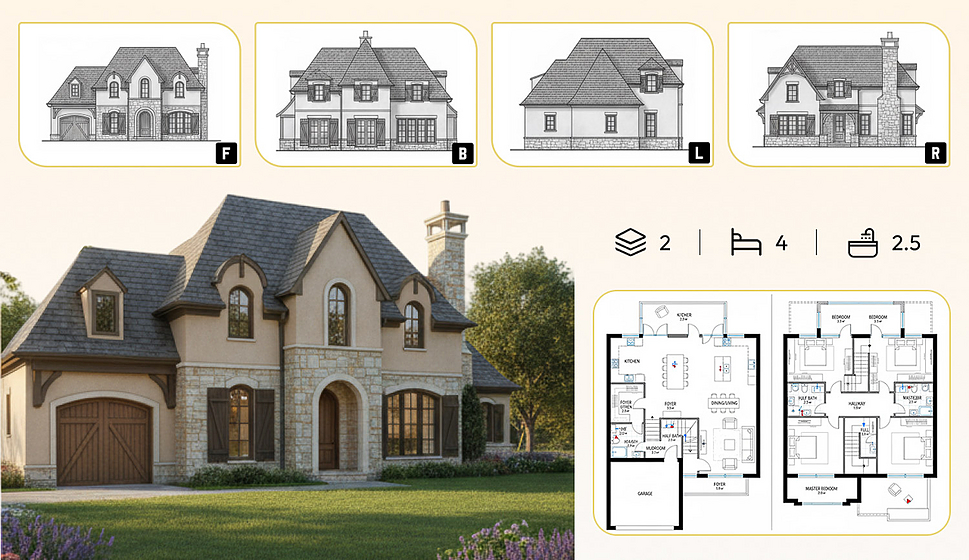
This guide covers a workflow that moves from project parameters to generated floor plans, 3D perspective views, exterior design exploration, and site context visualization, using AI tools in place of preliminary CAD and rendering work.
This guide covers a workflow that moves from project parameters to generated floor plans, 3D perspective views, exterior design exploration, and site context visualization, using AI tools in place of preliminary CAD and rendering work.
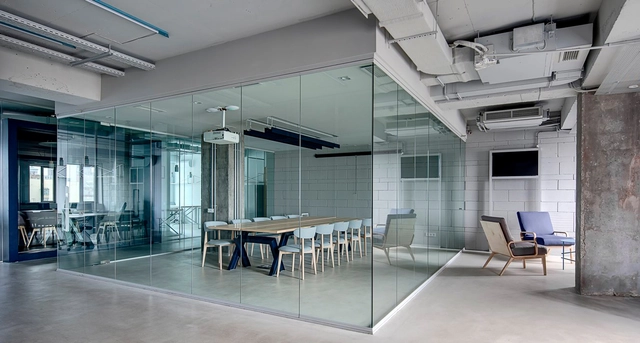
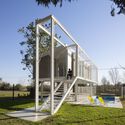
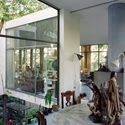
In the context of contemporary design, glass partitions have gained prominence in the world of interior design due to their versatility in harmoniously combining elegance, functionality, natural light, and spaciousness. One of their primary advantages is transparency, which allows for spatial division without obstructing natural light, offering a sense of openness and connectivity between areas. This is particularly beneficial in small spaces where light can make a significant difference in the interior atmosphere.
At the same time, construction methods are simplified by the clean and rapid installation of glass walls and doors, as well as their multiple mounting options, which adapt to structural conditions and construction sequencing. Moreover, while transparency is a key feature, glass partitions can also incorporate options to ensure privacy when necessary, utilizing various types of glass with digital printing, silkscreening, or satin finishes.
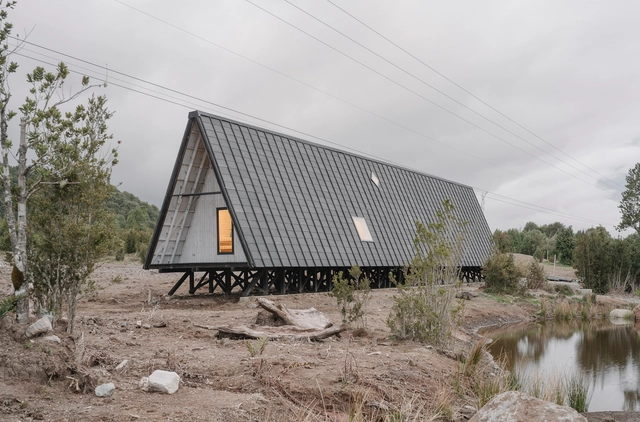
ArchDaily's curatorial team strives every day to present our readers with the most significant, inspiring, and innovative projects, while also ensuring a diverse representation of global architecture.
As part of our 2023 Year in Review retrospective on ArchDaily, we look back and reflect on what was published over the past year. Residential architecture remains one of our most visited categories of built projects, generating immense interest among our users worldwide. With this in mind, we have selected the 50 best houses published this year on ArchDaily en Español, offering a brief showcase of the form and character of residential architecture across the Spanish-speaking world.
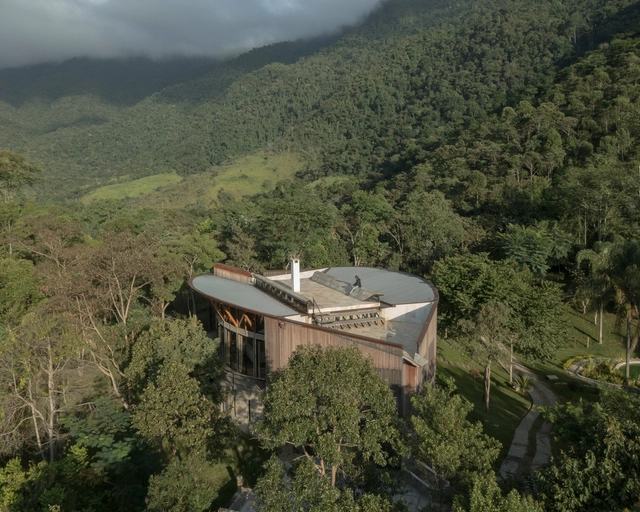
ArchDaily's curation team strives daily to present our readers with the most significant, inspiring, and innovative projects, expanding the knowledge and repertoire of students and architects worldwide. From small renovations to projects designed from scratch, residential architecture is a constant in the daily practice of most firms. Year after year, we see the deep interest this typology sparks: it remains the most popular category among our audience.

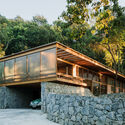
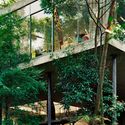
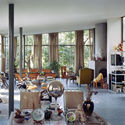
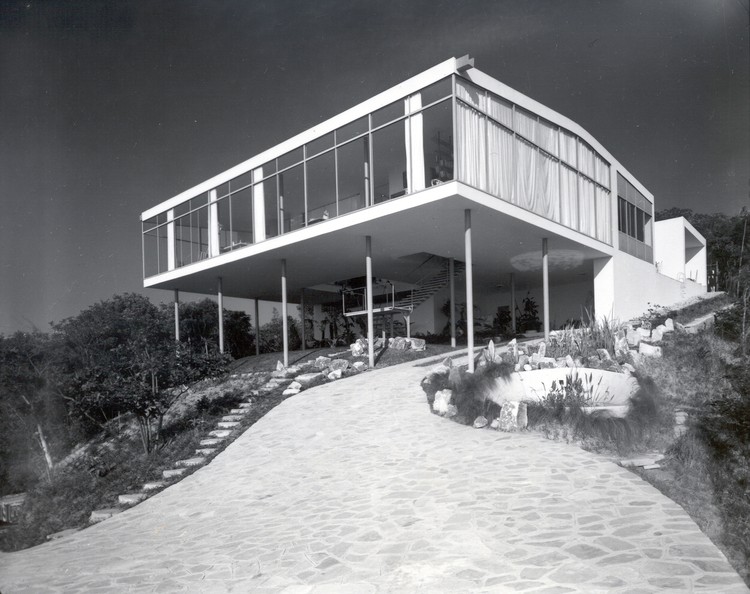
When we think of the residential designs of Italian architect Lina Bo Bardi, the immediate image that comes to mind is her private residence in São Paulo (1951)—more precisely, the image of its glazed social pavilion, captured from a low angle. This perspective further dramatizes the contrasting relationship between that light, suspended orthogonal volume and the steep natural slope of the terrain.
I would venture to say that no other work of Brazilian architecture is as well-known from a single photograph. This image, which has illustrated nearly every publication on the architect since the building's completion nearly 70 years ago, and which indeed justifies its famous moniker, the “Glass House,” exposes the unequivocal modern condition of this project—or, at least, the portion revealed by the angle of this celebrated photograph: a transparent, prismatic volume suspended on slender pillars set back from the edge of the floor slab and, consequently, free-standing within the elevated space.

Nicolás Valencia speaks with Chilean architects Matías González Ulloa and Sofía Carrión Bobadilla, creators of Área Verde and leaders of Arquitectura Maulina, a digital platform focused on the architecture, territory, and reflections of Chile's inspiring Maule region.
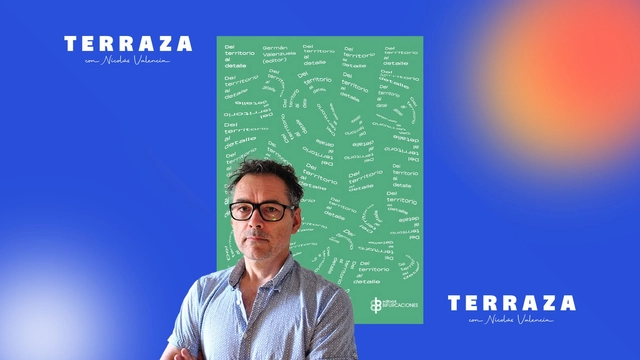
Nicolás Valencia speaks with Chilean architect Germán Valenzuela about the book Del territorio al detalle (Bifurcaciones), a selection of the most interesting contemporary architects in Latin America, from Al Borde to Rozana Montiel, including Mauricio Rocha, Inés Moisset, and Solano Benítez.
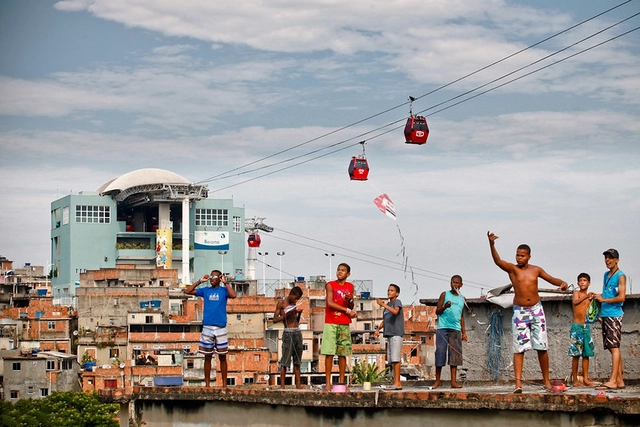
"There is coconut candy and peteca
Let the child play
Today is a day of celebration
The ibejada comes to bless."
— Song for the erês
Streets come alive when they belong to the erês and die when they belong to cars. I dream of a project that I intend to put into practice when time allows: writing a manual of the fabulous rules of hopscotch, carniça, button football, preguinho, capture the flag, ring-around-the-rosy, lenço-atrás, slope soccer, dodgeball, and the variations of marbles. The title is already set: "The Loving Ecology of Street Games."
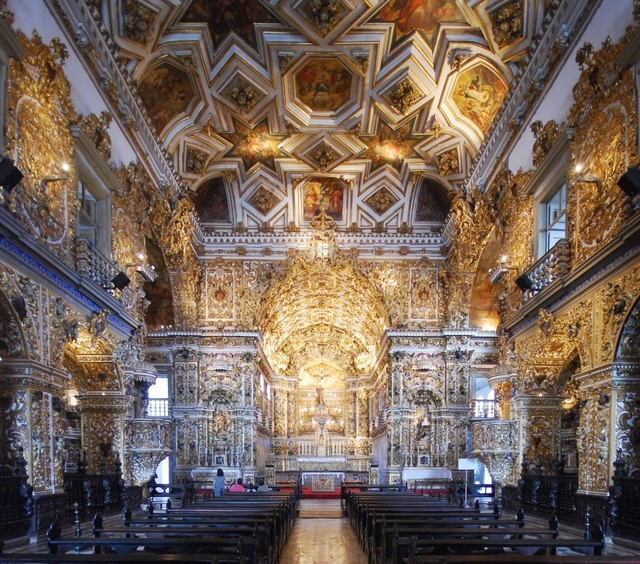
What happened at the conventual Church of Saint Francis of Assis in Salvador is yet another sad chapter in a process afflicting Brazilian cultural heritage, which has intensified in recent years with the fires at the National Museum in Rio de Janeiro, the Cinemateca, and the Museum of the Portuguese Language in São Paulo. Consequently, over the last few days, there has been intense debate regarding who is to "blame" for what occurred in Salvador, or who bore the "responsibility" to prevent this disaster, which also claimed the life of a young tourist: whether the church administrators, IPHAN (the National Institute of Historical and Artistic Heritage), or local cultural and heritage agencies. This is a difficult and indeed important issue to discuss, demanding careful investigation into the causes of the incident. Yet the debate must be broader, aimed above all at considering how we can prevent such events from happening: greater investment, greater appreciation of artistic and architectural heritage, stricter and more effective safety protocols, preventive conservation, and heritage education. In the days following the incident in Salvador, numerous colonial-period buildings were closed across the country under the claim that they, too, might collapse. Our heritage demands attention—in many cases, urgently.
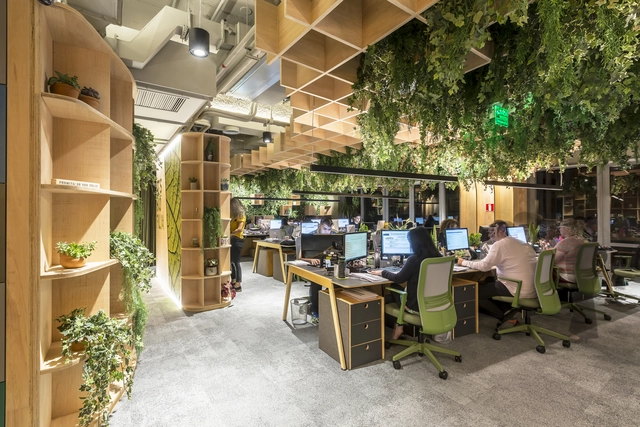
Designers and architects are looking to the future, challenged to think about how to create safe, functional, and comfortable environments. From more open floor plans to materials that help mitigate the spread of disease, professionals are looking ahead, considering what gives us room to breathe and live together.




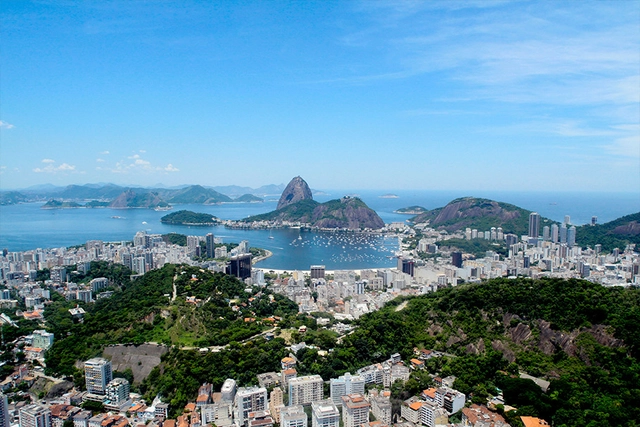
Nothing represents this change better than the habitat humanity has created for itself. The generation before Toffler knew an eminently rural world, of humans bound to the land, born and dying within their communities. The generation yet to be born will inherit an already urbanized, hyper-connected world, characterized by extreme mobility between cities and countries. We, who live today, have both the privilege and the responsibility of watching this urban phenomenon reshape the face of the planet.
Half a century ago, when Future Shock was published, just over a third of the world's population lived in cities. Today that figure stands at 55%, a share projected to rise to 70% by 2050. Nearly 90% of this growth will occur in Africa and Asia. The number of people living in informal settlements has already reached one billion worldwide, and the UN estimates that, by 2030, about three billion people will need adequate housing.
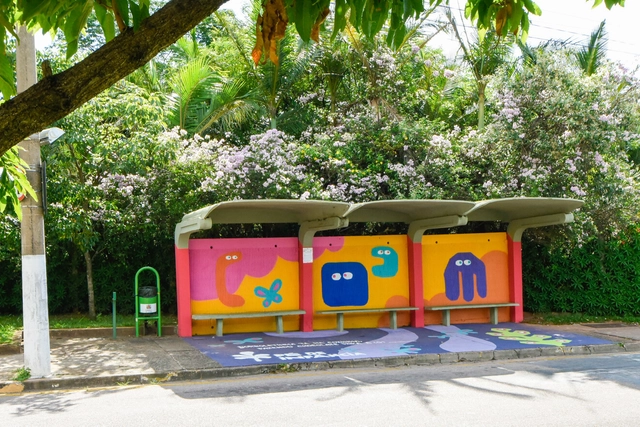
Cities that are good for children are good for everyone. They are more humane cities, building stronger and more sustainable communities. Therefore, urban mobility and early childhood are deeply interconnected. They are intrinsic, inherent to one another. Children and their caregivers—whether parents, grandparents, aunts, uncles, cousins, or nannies—experience the city more deeply than many adults caught in a daily home-to-work routine. And they need the city to grow well, both physically and socially. Cities must foster this necessary, holistic development. Without active participation in urban life, this development cannot occur as it should, resulting in the confinement of childhood—an outcome that benefits neither people nor cities.
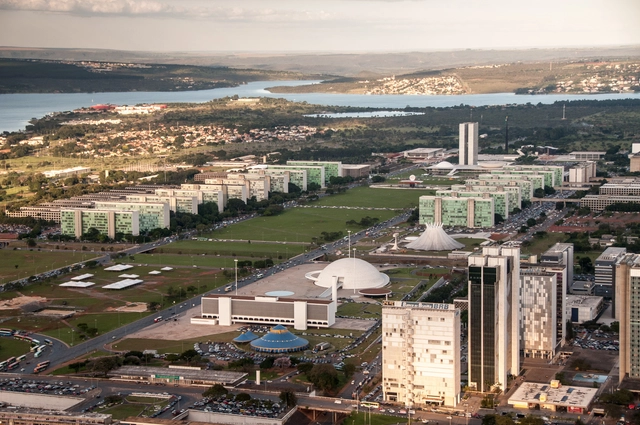
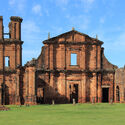
In July of this year, UNESCO designated the Roberto Burle Marx Site as a World Heritage site. As a result, Brazil now has 23 sites and practices inscribed on the World Heritage List, which brings together properties, ensembles, and practices of tangible and intangible value.
According to UNESCO, the 23 listed properties and practices in Brazil can be divided into Cultural Heritage—"composed of monuments, groups of buildings, or sites that have outstanding universal historical, aesthetic, archaeological, scientific, ethnological, or anthropological value"—and Natural Heritage—"outstanding physical, biological, and geological formations, habitats of threatened animal and plant species, and areas of outstanding scientific, conservation, or aesthetic value."
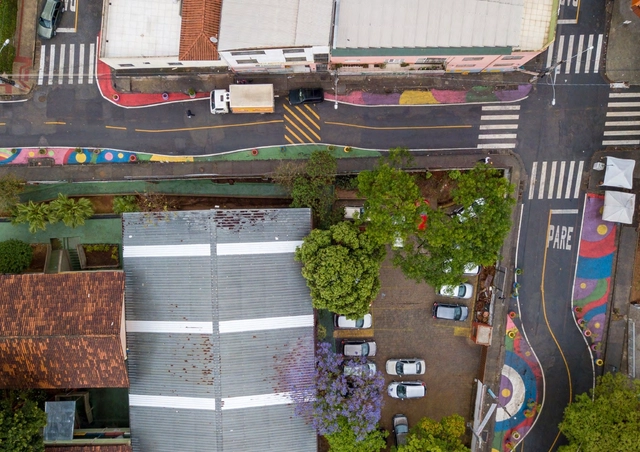
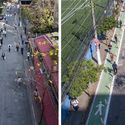
Transforming cities built for cars into environments that prioritize the well-being and mobility of all people can make urban centers more resilient and inclusive. Changing ideas and practices so deeply ingrained in city planning is no trivial task. However, a new report by WRI Brasil, "Complete Streets in Brazil – Promoting a Paradigm Shift", shows that the seeds of change have been sown and are already bearing fruit.
The publication documents the results of four years of work by the National Network for Low-Carbon Mobility, an initiative by WRI Brasil and the National Mayors Front (FNP) that brought together 21 Brazilian cities committed to shifting the paradigm of street and city design.
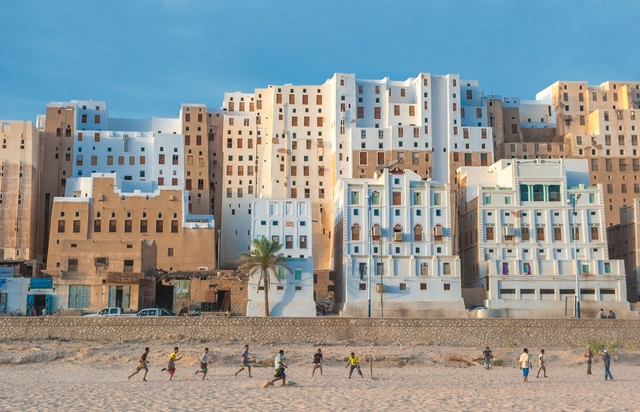
The construction industry's role in the current climate crisis is deeply concerning: spanning material production, construction, and building operations, the sector is one of the largest emitters of greenhouse gases. At the same time, urban populations are growing at historic rates, and when looking at the development of large cities—which are major energy consumers—it seems that reducing the discipline's impact relies on small-scale community and individual initiatives rather than broad political and professional actions.
History shows us various local techniques and materials that have proven sustainable over time through the efficient use of resources that require no heavy industrial processing and eliminate the need for long-distance transportation. In some cases, at the end of their life cycle, materials like adobe and timber can even be returned directly to the environment.
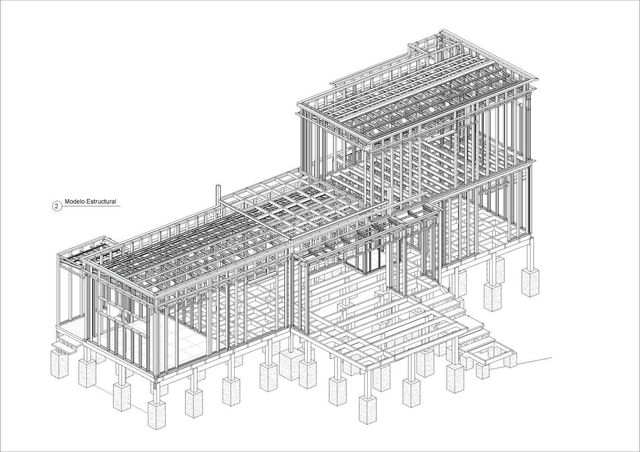
Steel frame is a system composed of galvanized steel profiles, with a thickness between 0.80 mm and 3 mm, cold bent, and assembled as structural frames, with vertical and horizontal studs. To wrap the structural profiles, OSB, cementitious or plasterboard sheets are used, which can be finished and painted internally and externally. Inside the walls, insulating materials can be included, such as mineral, glass wool, or others, to increase the thermal acoustic insulation. In the steel frame system, all the electrical and hydraulic parts are installed before closing the panels, making the process more efficient and without breakage and material waste. Cleanliness of the work, efficiency and speed are key points in this constructive system that is widely spread around the world.
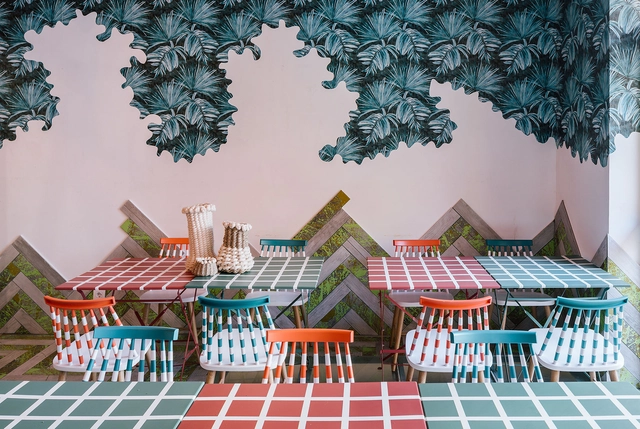
Before stamps and digital printing, wallpaper was a luxury item and a status symbol, as every design had to be hand-painted by artisans. As a symbol of wealth, it emerged to replace tapestries and paintings in 16th-century European homes. In Brazil, for instance, wallpaper only became economically viable in the 1930s, and its widespread popularization was only realized in the 1960s.

On August 17, Brazil celebrated National Heritage Day, 21 days after a protest set fire to the statue of Bandeirante Borba Gato in the southern zone of São Paulo. This contradiction opens up an important discussion: how are we constructing memory in our cities? What are we valuing as our country's heritage?
The term historical and cultural heritage refers to the tangible and intangible creations of a given culture within society. What defines a cultural asset as heritage is its historical and social relevance, which can be linked to collective and individual memory, as it is through these memories that we understand the past. From an architectural perspective, the term heritage is constantly associated with historic buildings that typically embody Catholic religious values or the bourgeois lifestyle of the elite.

“From the problem of locomotion derive all other problems of urbanization.” It was in 1882 that the Spanish urbanist Arturo Soria y Mata made this assertion, and in response to it, created and implemented the concept of the linear city. Based on a functionalist doctrine, this city model abandons traditional structures such as squares and blocks, subordinating the design to circulation paths in its most rational spatial configuration: the straight line.
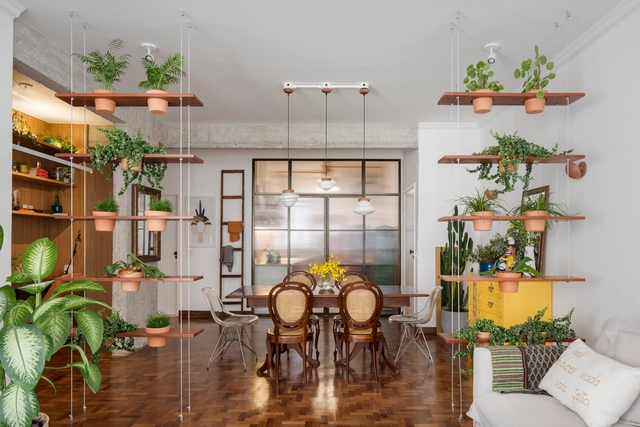
If your goal is to create an indoor forest, you have likely run into the challenge of not knowing where to put the plant you just bought.
The following tips offer creative ways to organize your planters so that lack of space is no longer an obstacle.
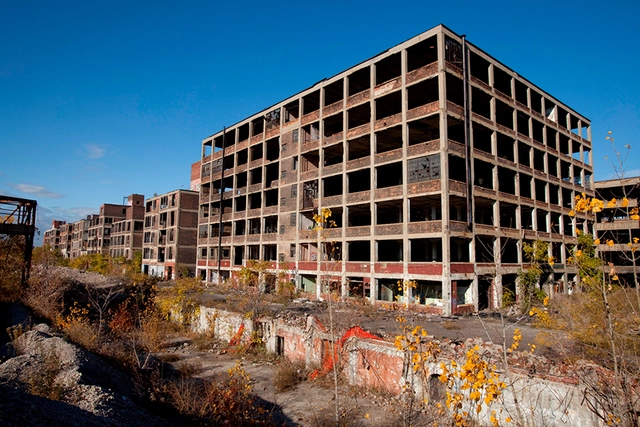
Ruins of once-elegant buildings eloquently illustrate the worst that can happen to a city after the end of an economic cycle. Wealthy families no longer have the resources to maintain their estates, and even middle-class buildings are partially abandoned when their owners, unemployed or struggling, relocate in search of opportunities elsewhere.
Left vacant and unused, physical heritage slowly degrades. Urban history is filled with examples across all eras and continents: Rome at the end of classical antiquity, Venice at the dawn of the modern era, Paraty after the shift in the Gold Route, and Detroit today.
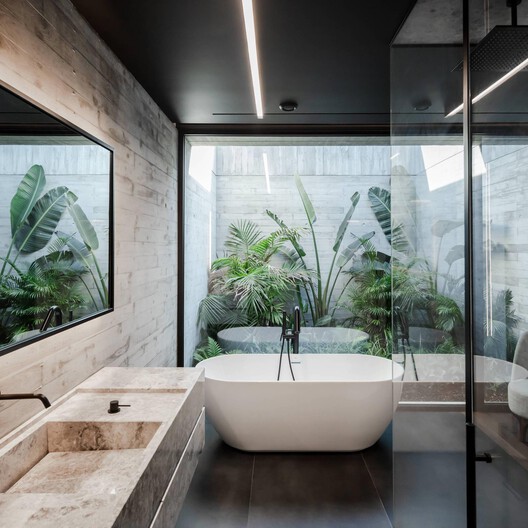
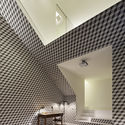
Spending more time at home made many people realize that designing interior spaces goes beyond mere personal "taste"; rather, their environments directly influence our comfort, mood, and quality of life. This perspective has altered how we view the bathroom itself, prompting a search for solutions that liven up this space and rescue it from the standard monotony in which it is typically designed. To that end, we have searched our archives for several examples that break this mold, showcasing spaces that bring more personality to the home and enhance the well-being of their users.
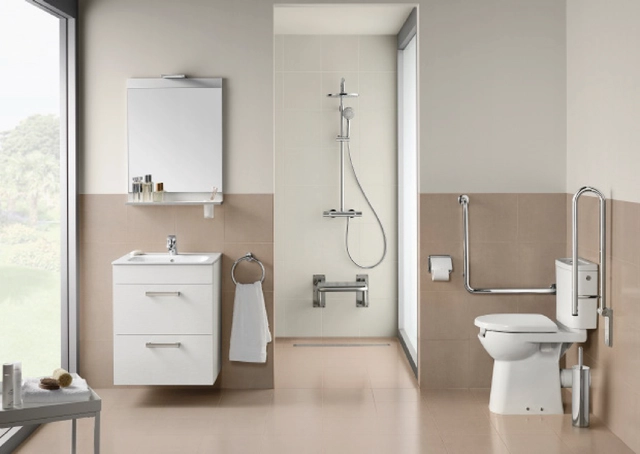
Well-designed environments are essential to reduce the risk of accidents and response times in the event of a fall. For architects, designing safe cities and homes is crucial, especially in light of global demographic trends. Developing an architectural project through thoughtful design and correct product specification is, first and foremost, an act of care and concern for our older relatives and fellow citizens. It is essential to ask, "For whom?" and "What are their needs?" so that, from there, we can think about how to improve their quality of life.
This is a conscious invitation for architecture to play an active role in today's society—a positive shift that delivers both design and quality of life.
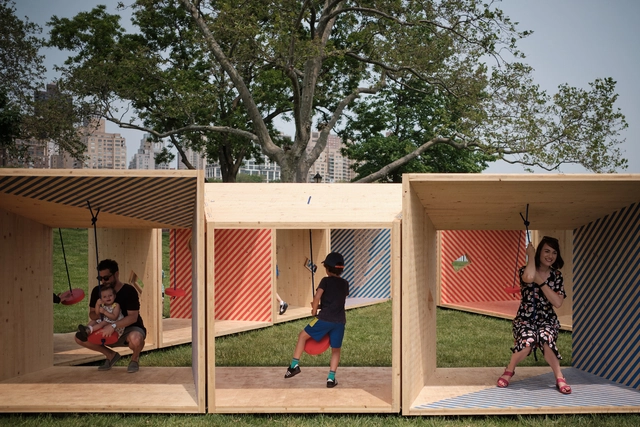
This September, the 4th edition of the Chicago Architecture Biennial opens under the title The Available City—a perfect opportunity to spark discussion on the role of architecture in urban equity.

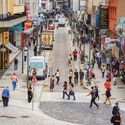
Planning urban mobility goes beyond isolated projects like bike lanes or street restructuring (which, though extremely important, are not enough). A city with high-quality mobility must enable its population to make the necessary trips to carry out their activities efficiently, safely, and pleasantly. However, mobility planning must address the needs of the city's diverse user base.
Expanding pedestrian and bicycle travel is highly desirable for several reasons: health (an active population is healthier); individual financial benefits (active travel is cheaper); and, most importantly, environmental concerns and spatial efficiency. Active modes of transportation contribute to the quality of public space (an area with pedestrians and cyclists is livelier and more pleasant).