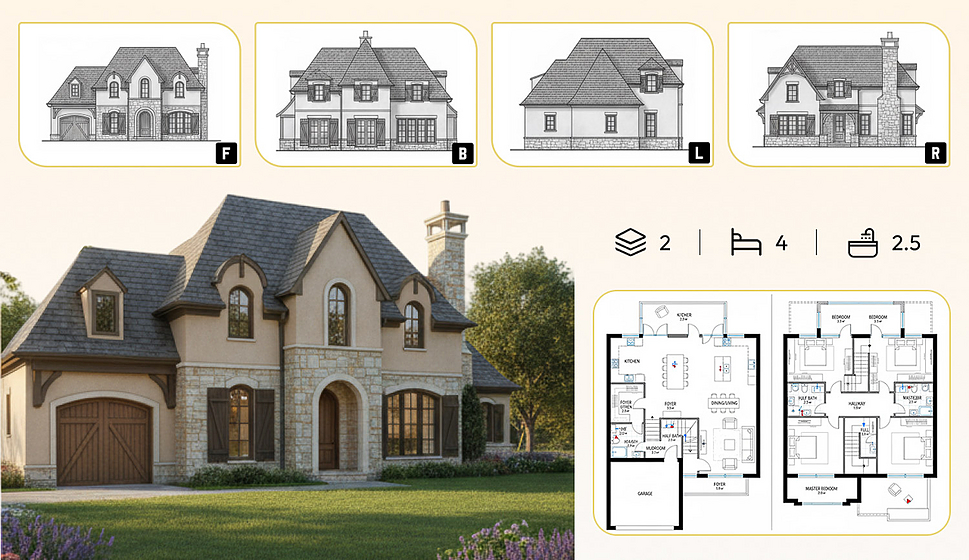
This guide covers a workflow that moves from project parameters to generated floor plans, 3D perspective views, exterior design exploration, and site context visualization, using AI tools in place of preliminary CAD and rendering work.
This guide covers a workflow that moves from project parameters to generated floor plans, 3D perspective views, exterior design exploration, and site context visualization, using AI tools in place of preliminary CAD and rendering work.
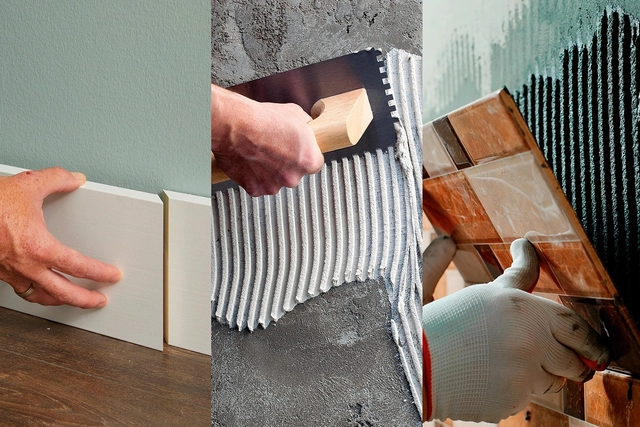
The history of building materials is a journey of innovation and adaptation to environmental demands. In their most rudimentary forms, for example, the earliest adhesives were made from natural sources, such as mixtures of tree resins, lime, and water. Later, cultures like the Egyptians refined these methods, using starch and casein (a milk protein) to bond elements in their structures. This evolution reached a milestone during the Industrial Revolution, when industrialization and the introduction of synthetic compounds laid the groundwork for the advanced products we know today. The production methods of these materials have transformed construction, optimizing processes and driving significant progress toward sustainability.
"Perhaps in other times knowledge was a secret, which held back progress. As knowledge is made public, knowledge advances." - Juan Baixas
This micro-documentary by HOLDER is the result of an initiative dedicated to bringing visibility to contemporary Latin American design through its histories and creations. In this first episode, Juan Baixas offers a first-person account of the creation and development of his Puzzle Chair, a piece that was added to the permanent collection of the Museum of Modern Art (MoMA) in New York in 2015, highlighting its significance in modern design.
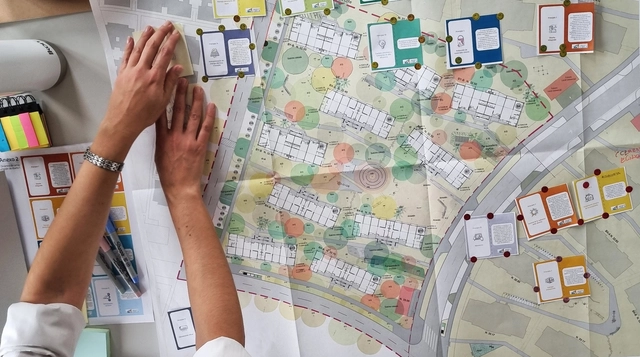
When the Minergie sustainable building standard was established in Switzerland 25 years ago to reduce energy consumption and improve indoor comfort, it was hard to foresee that it would become one of the country's most sought-after certifications. Today, it boasts a significant footprint with over 50,000 certified buildings. It was equally difficult to imagine its future in present-day Latin America: how could a system developed for the specific demands of one nation respond to the needs of another region with such diverse geography and culture?


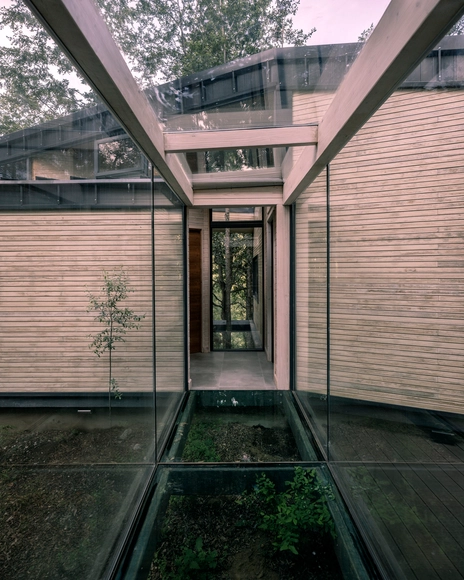
What role do glass surfaces play in connecting contemporary architecture, nature, and the experience of those who inhabit interior spaces? The evolution of the glass envelope has accompanied the development of contemporary architecture, with the transmission of natural light serving as one of its defining qualities. Furthermore, the material's versatility and transparent character blur the boundaries between indoors and outdoors, while evoking a range of sensory and psychological experiences, among other virtues. In its constant search for innovation, Glasstech offers a wide range of glass solutions, providing end-to-end support from initial project design to final installation. To illustrate these diverse applications, we examine Casa Bosque in Chile as a prime example of architecture in harmony with its natural surroundings.
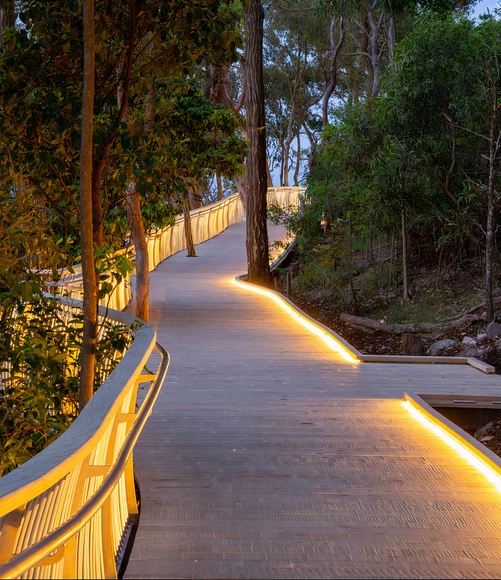
Offering a balance between aesthetics and comfort, designing wooden decks for outdoor spaces such as patios, terraces, walkways, balconies, gardens, or swimming pools represents an excellent alternative for creating outdoor areas for relaxation, entertainment, and recreation. When paired with swimming pools, fountains, or water features, decking in various dimensions, colors, and finishes combines the warmth of wood with the clarity of water, provided it is treated and maintained to maximize durability and optimize long-term performance. Indeed, Leaf Panel's Forta Deck offers a renewable, recyclable, and high-quality solution for outdoor flooring, highlighting the importance of reducing the carbon footprint of building products and leveraging the properties of acetylated wood to improve outdoor performance.
Nicolás Valencia speaks with Venezuelan architect Betina Rincón, research coordinator at re:arc institute, about the work of the Danish philanthropic organization in supporting and funding community-led solutions to address the climate crisis worldwide.
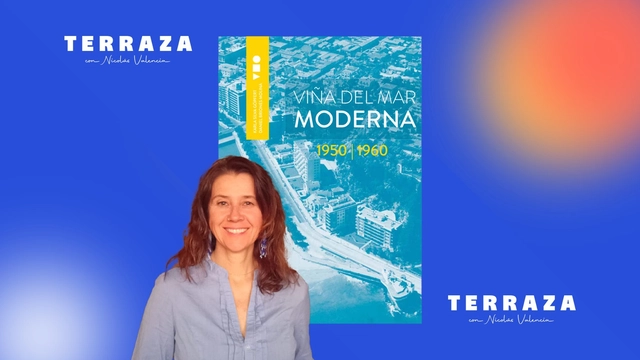
This week on the TERRAZA podcast, Nicolás Valencia talks with Chilean designer Karla Silva about the book Viña del Mar Moderna, published in 2022.
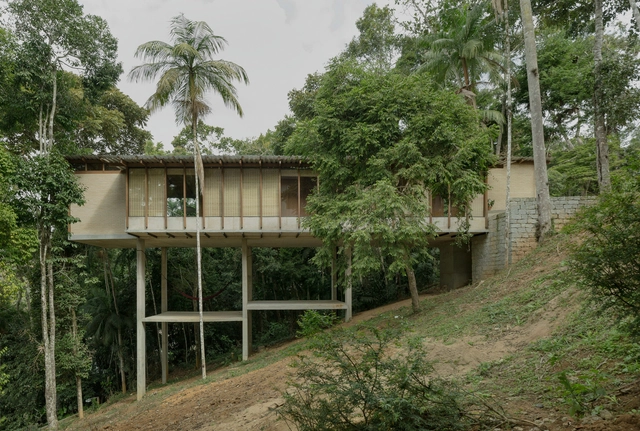
A cada ano, a equipe de Curadoria de Projetos do ArchDaily rememora a vasta gama de obras publicadas ao longo desse período, apresentando retrospectivas que permitem não apenas identificar tendências e variações na produção arquitetônica, mas também reconhecer de que forma impactam a nossa audiência. No ArchDaily Brasil, a seleção anual de melhores casas – que ano após ano, segue permanecendo como nossa categoria de projeto mais popular – representa uma amostra das variadas soluções, estratégias, técnicas e materiais encontrados na arquitetura residencial dos países de língua portuguesa.
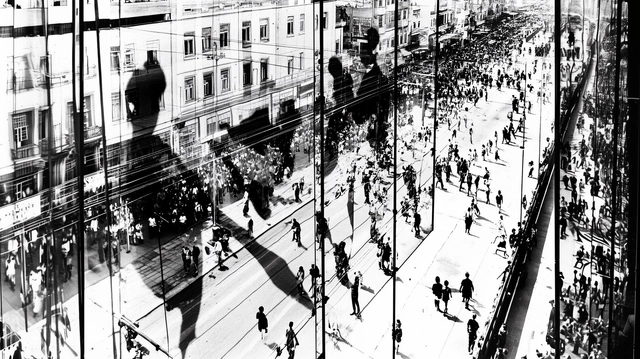
Seeking to reflect on the contemporary city invariably runs up against the limitations imposed by the methods of the Modern Movement. Classical sciences and their deterministic methods, which guided—and still guide—the urban planning of this era, describe world phenomena through strict causal relationships and, consequently, define them by reductive universal laws that exclude contradictions and uncertainties. The frequent result of these perspectives is an idealized, mechanistic world that denies the complex, actual nature of phenomena such as cities.
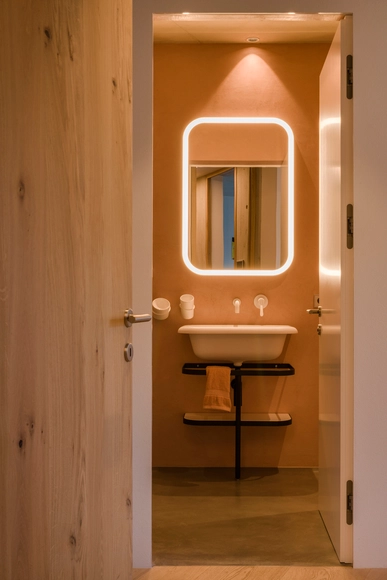
A successful interior design must be paired with a proper lighting design. It is responsible for ensuring that the quantity and wattage of the bulbs are suited to the space based on its dimensions and use.
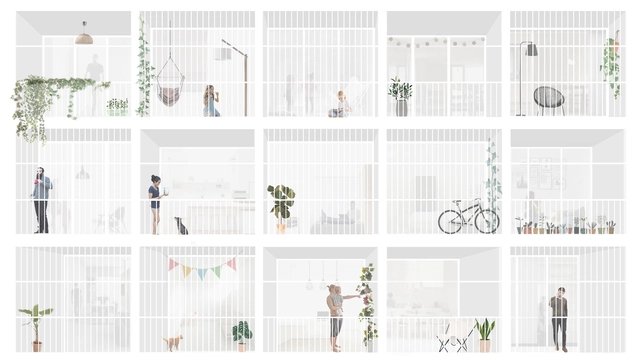
To showcase the valuable output of Argentine universities, for the third consecutive year we launched an open call inviting our Argentine readers to submit their final thesis projects, sharing the work that launched their careers as newly minted architects.
After receiving more than 60 submissions from various Argentine architecture schools and cities, our editorial team selected nine projects, focusing on those that demonstrated critical thinking toward contemporary issues, formal resolution, and representation. The selection not only recognizes those projects that delivered the best possible architecture through simple design suited to their context, program, and users, but also highlights those showing a strong commitment to human scale, mediation, transition, and new ways of approaching urban architecture. This edition's jury was composed of Fabian Dejtiar, Managing Editor of ArchDaily en Español; Mónica Arellano, Editor of ArchDaily México; and Delia Bayona, Editor of ArchDaily Perú.
Read on to explore the selected projects in detail.
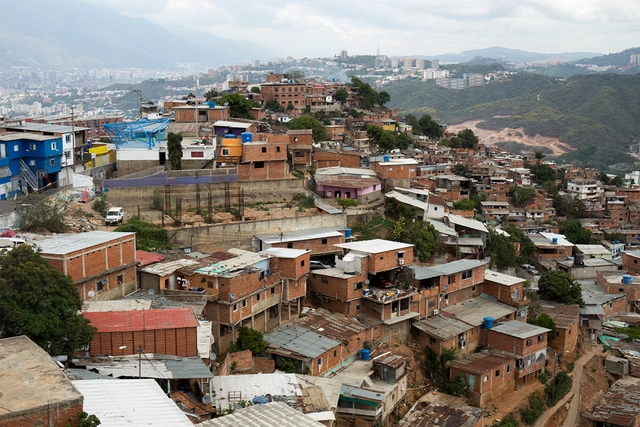
In this installment, as part of the series of articles by Nikos A. Salingaros, David Brain, Andrés M. Duany, Michael W. Mehaffy, and Ernesto Philibert-Petit, we examine the importance of design sequences and generative codes in social housing in Latin America. Explore all previous publications and the new article below.

According to the executive branch's plans, more than 500 schools will be built in Peru this year to close the infrastructure gap affecting the sector. This represents an investment of 30 billion soles, which also serves as an incentive for the construction industry across the country's various regions.

Promoted by the Uruguay River Administrative Commission, organized by the Society of Architects of Uruguay (SAU) and the College of Architects of the Province of Entre Ríos (CAPER) —and sponsored by the Argentine Federation of Architect Associations (FADEA)— the call for entries is now open for the binational preliminary design competition to develop a Control Laboratory for the environmental analysis of the Uruguay River.
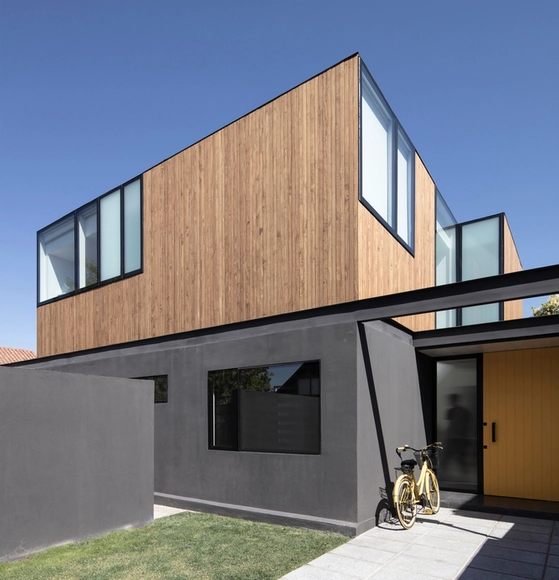
In recent years, wood has gained traction as a renewable, versatile, and aesthetically appealing building material. Its strength, ease of handling, and insulating properties give it advantages that other materials cannot match, making it an increasingly popular choice among designers, architects, and builders. However, while it offers multiple benefits, it is also susceptible to degradation and decay, requiring preservation care to withstand the passage of time and other external threats.
Historically, to address these durability issues, there were two options: applying chemical treatments or using tropical hardwoods. While the former generates harmful toxins, the latter drives deforestation in the context of climate change. Consequently—and driven by an increasing demand for the material—alternative methods have been developed to protect it. One of these is acetylation, a non-toxic process that, in addition to offering high performance, significantly reduces environmental impact.

This second year of the pandemic offered a tremendous opportunity to continue reflecting on and debating the most urgent issues in architecture. To this end, we wanted our readers to actively participate by contributing their experiences and knowledge. Throughout the year, we invited them each month to share their comments and insights on a wide range of topics—from the future of cities, automation, and multidisciplinary design, to green infrastructure, adaptive reuse, migration, equity, and well-being.
After reading and compiling all the submissions received—from construction professionals and students to architecture enthusiasts—it is now time to present the key perspectives. Thank you very much for sharing your opinions!

Dear readers, with your companionship, ArchDaily has journeyed through 2020. Throughout this past year, we have continued our daily mission to report on and share global architecture, growing along the way while earning the recognition of architects and the invaluable support of our readers. 2020 has been an extraordinary year. At a time when we cannot gather or meet in person, we rely on the digital realm to send holiday wishes, sharing warmth and connection through online greeting cards. We have compiled the holiday cards we received this year to share with you, our dear readers. Let’s take a look at these creative designs from architects worldwide as we welcome 2021 together.
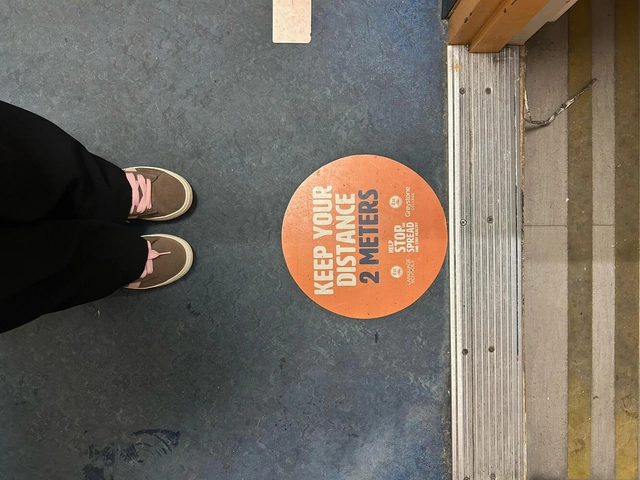
Today we live in a post-pandemic world, where human connections and our awareness of the fragility of existence have been subtly redesigned. More than just habits, it was urban and architectural space itself that learned to breathe differently, striving to accommodate an uncertain era. Today, we walk in the serenity of the "almost normal," yet the scars of that time still whisper through the streets, shapes, and silences—delicate survivors of a recent past that insists on remaining.

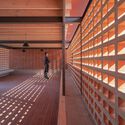
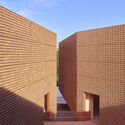
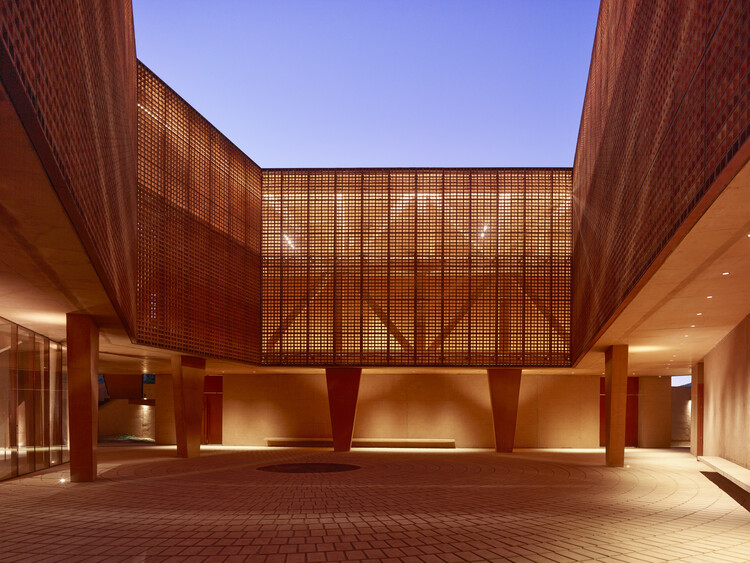
For millennia, clay has been the foundation of walls, facades, and claddings. There is likely no other human-made material with as extensive a history as the brick. Its enduring presence in architecture is explained not only by its technical attributes but also by its social impact, construction efficiency, and deep-seated cultural role in how cities are built.
In Chile, the brick-making tradition has historically shaped residential development, becoming a material associated with stability, permanence, and security for families. Against this backdrop, Cerámica Santiago celebrates 45 years in business, establishing itself as a leading national benchmark in the development of ceramic building products, driven by a vision that recognizes the social role of housing in the country's urban development. Since its inception, the company has sought to integrate traditional ceramic craftsmanship with modern industrial processes, innovative design, and evolving technical demands.
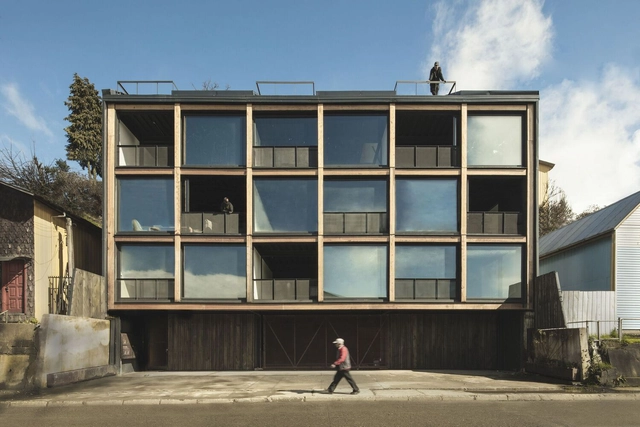
Every regulation is born with a clear intention: to establish a starting point. It is a way of setting a minimum baseline, bringing order to what was perhaps previously assumed implicitly or lacked a common framework. However, like everything involving architecture—and especially our way of living—these frameworks also evolve: they expand, adjust, and become more detailed around new sustainable housing models. This is precisely the case with the new thermal regulations in Chile, which do not emerge from scratch but rather as part of an ongoing process that has steadily integrated new energy efficiency criteria within the General Ordinance of Urbanism and Construction (OGUC).
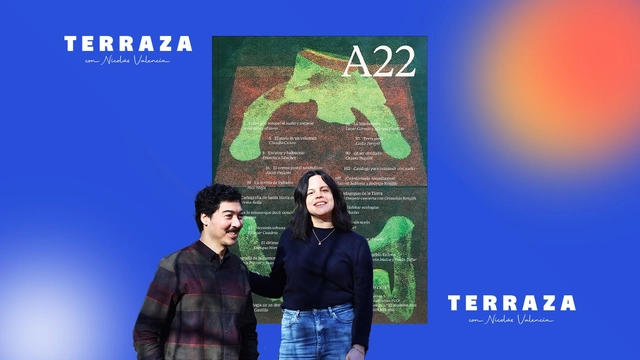
Nicolás Valencia speaks in Lima with Peruvian architects Mariana Jochamowitz and Nicolás Rivera about Revista A of the Pontificia Universidad Católica del Perú and their participation in the 2024 Ibero-American Biennial of Architecture and Urbanism with the workshop "Climax, Fanzine for a Community in Crisis."
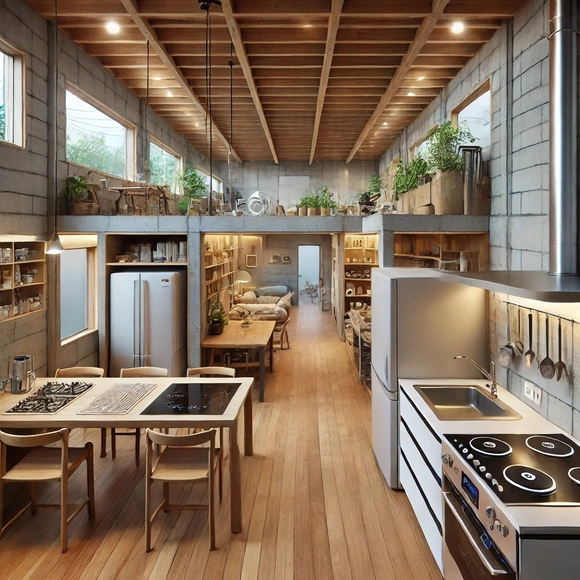
For many households in Latin America, fossil fuel- and biomass-based stoves and heaters, such as natural gas or wood, are an affordable and accessible option. However, these appliances present significant challenges: they are a source of greenhouse gas (GHG) emissions, contribute to indoor air pollution, and highlight the need for policies that promote a cleaner residential energy matrix. These challenges become even more urgent considering that 2024 was the hottest year on record, with a 1.5°C increase over pre-industrial levels driven by record GHG emissions from human activity, thereby underscoring the importance of adopting sustainable solutions across all sectors worldwide, including residential.
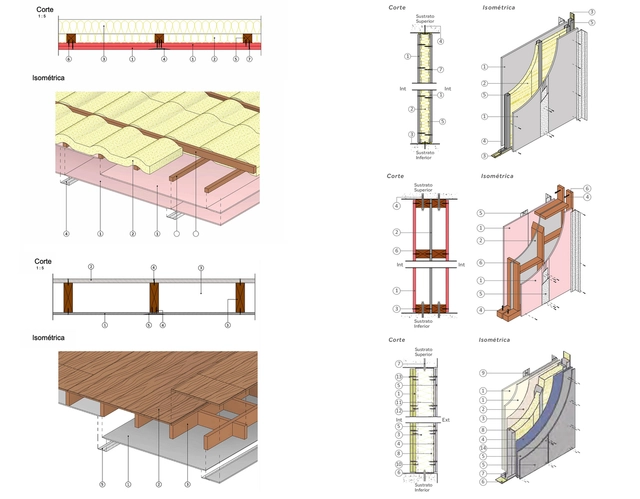
In construction, every task requires specific tools and every need calls for a unique solution. Factors such as building typology, construction requirements, waste generation, execution times, and context directly influence the quality and complexity of the work, making it essential to base specification decisions on these criteria. Traditional methods can hinder this process due to their rigidity and limitations, necessitating more efficient and flexible approaches that adapt to the specific demands of each project. This is especially common in residential, hotel, and hospital projects, where speed and performance are essential. In these cases, lightweight dry-construction solutions—using Volcanita boards or fiber cement over lightweight metal framing—offer an effective, high-performance alternative, enhancing functionality and, consequently, the user experience.
We invite you to participate in ArchDaily en Español's Building of the Year Award. In its sixteenth edition, we give our readers the responsibility of recognizing and rewarding the projects that have had the greatest impact on the profession. By voting, you become part of an unbiased network of jurors recognizing the most relevant projects built in Latin America and Spain over the past year. Only a few days remain before the closing of the nomination stage, which will select the 15 finalists for ArchDaily en Español's 2025 Building of the Year Award.
Registered users can vote for their favorite project once a day. The nomination stage ends on April 1 at 23:59 (GMT-3).