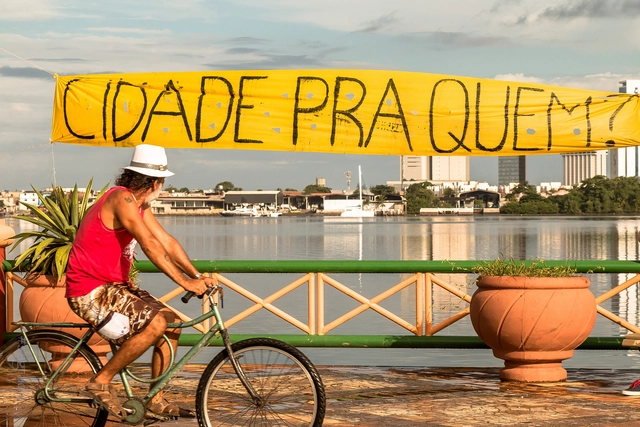
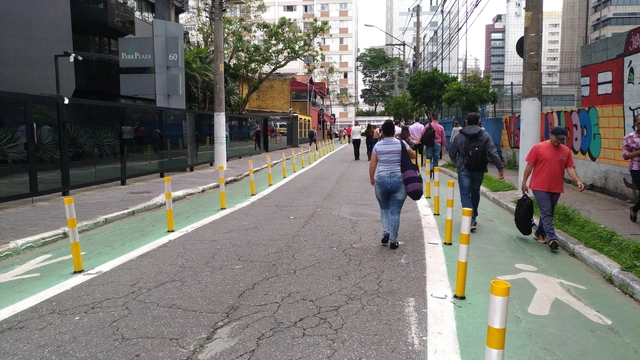
The term ‘right to the city’ was on the lips of participants in the June 2013 protests, which were sparked by public transit fare hikes across several Brazilian states. It was also emblazoned on banners hanging from occupied vacant towers and abandoned buildings by the Ocupe Estelita movement, which has fought since 2008 to preserve the José Estelita Pier in Recife. Abroad, the phrase was splashed across Turkish signs when trees were felled in Istanbul’s Gezi Park to make way for a shopping mall.
But what, after all, does the right to the city actually mean—an expression vehemently invoked by social movements in recent years and one that, in Brazil, gained territoriality following the 2013 mobilizations?


















.jpg?1534952868 "© Sandro Maino + Claudia Torres")
.jpg?1534953051 "© Sandro Maino + Claudia Torres")







.jpg?1535964102&format=webp&width=640&height=580)