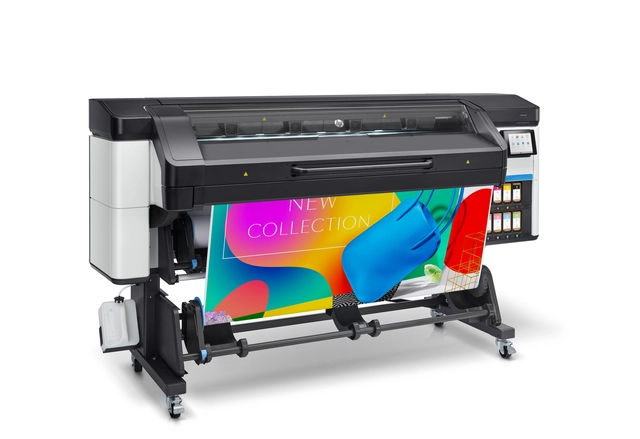
Delivering productivity levels up to 50% higher than previous models, HP introduces its new range of HP Latex large-format printing solutions. The series consists of four devices—the HP Latex 700 and 800, and the HP Latex 700W and 800W—introducing white ink printing to this category for the first time. Print jobs executed by this new series will not only deliver brighter colors and finer details, but will also do so at even faster printing speeds, reaching up to 36 m2 per hour.
With more than 11,000 years of history, brick is one of the oldest building materials. In fact, replacing sun-dried mud blocks, the Romans were the first to experiment with fired clay masses in new structural forms such as arches, vaults, and domes. Although the dimensions and manufacturing methods of this small module have evolved over the years, its components and classic rectangular shape have undergone few changes, especially considering its long history. The reason is simple: with its warmth, versatility, and outstanding structural properties, brick is a timeless material that never goes out of style.
Is there a future for our cities if we do not adopt a sustainable way of life? For some time, urban sustainability has been approached more from the perspective of climate change than from a holistic vision that integrates society and how we live as a community.
What new ways of living are we experiencing amidst today's social, economic, and ecological shifts? We must bring to the table the various reference cases emerging around the world to understand the latest trends in how we inhabit our cities.
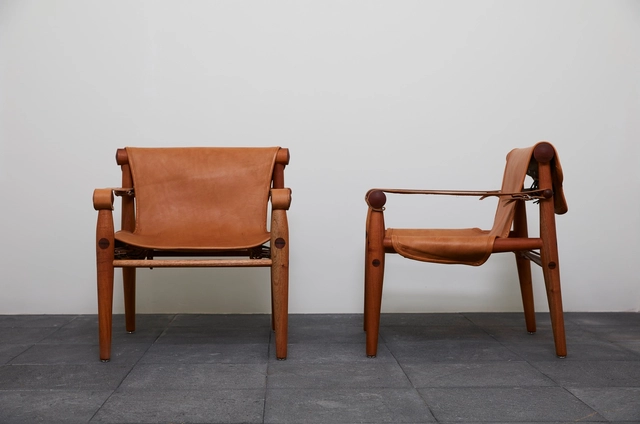
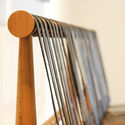
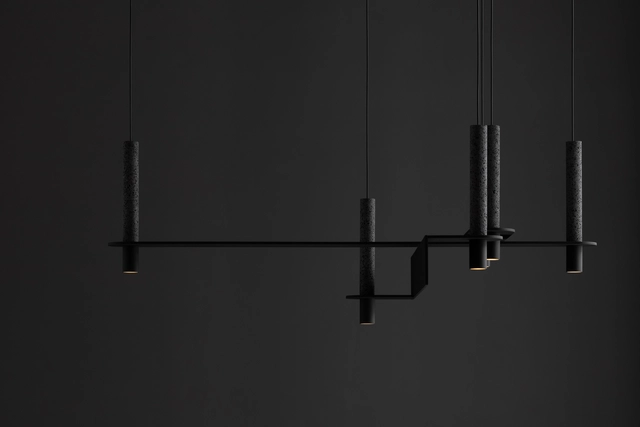
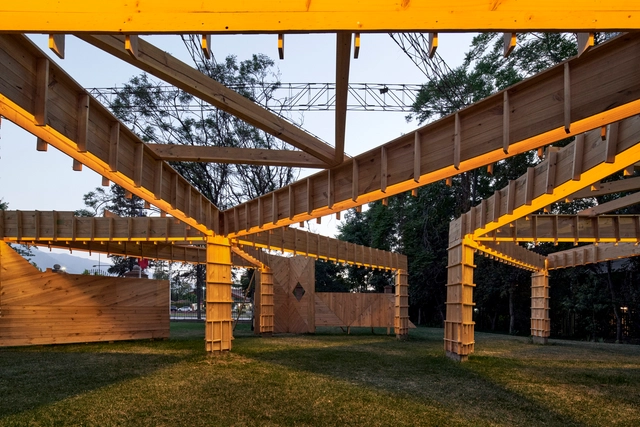
Founded in 2013 and based in Mexico City, David Pompa is a studio comprising designers, engineers, and makers established in Mexico and Austria. David Pompa grew up in both countries and studied product design in London. Over time, the studio has shown a strong interest in traditional materials and techniques, maintaining a commitment to Mexican culture since its inception—a dedication reflected in the creation of aesthetic and accessible design objects. On this occasion, they are presenting a new collection for Milan Design Week 2022 on Via Simone Saint Bon as part of Fuorisalone from June 5 to 12.
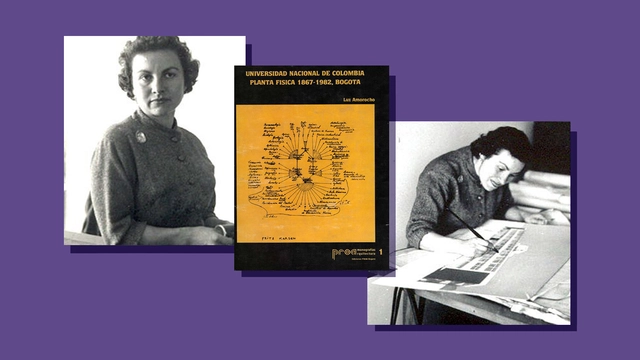
1 and 3. Via Poema del Ángulo Recto. 2. Courtesy of Perspectivas: Revista Científica de la Universidad de Belgrano
As the first female architect to graduate in Colombia, in 1945, María Luz Amorocho Carreño is a prominent figure in the country's architectural field. Throughout her career, she approached the profession from diverse fronts, ranging from teaching and public and private design to writing and criticism, most notably for the journal *Proa*. Over a career spanning more than 40 years, she steadfastly championed her ideals within a shifting context focused on achieving modernity, setting a precedent for future generations of women architects. An analysis of her work and legacy offers a window into the diverse roles of the architect, spanning from drafting and construction to research and project management.
While online stores have existed since the democratization of the internet in the late 20th century, the pandemic has marked a turning point in the evolution of e-commerce. In response to mobility restrictions and lockdowns, businesses of all scales were forced to embrace digital transformation, saving time and, in some cases, reducing costs. Furthermore, as more consumers discover the convenience of home delivery, online shopping is likely to continue growing even in the post-pandemic era.
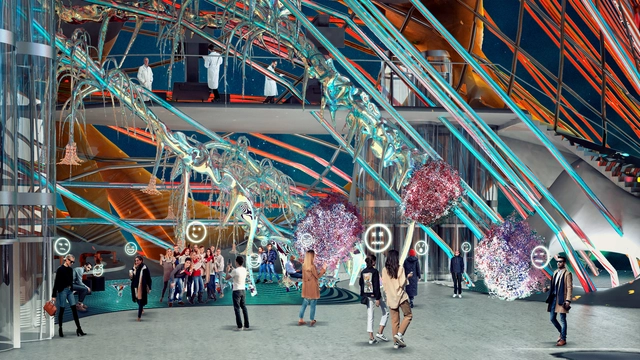
El poder de la Data - Render interior conceptual. . Image Cortesía de Online Lab of Architecture (OLA)
From NFTs and the Metaverse to the productivity benefits of real-time rendering, this year presents a prime opportunity to discuss the latest trends in visualization.
With this in mind, we want to open the debate and hear your thoughts on the following questions: How much can we learn from other related industries such as cinema, video games, and industrial design? How can architecture contribute to and advance the world of visualization?
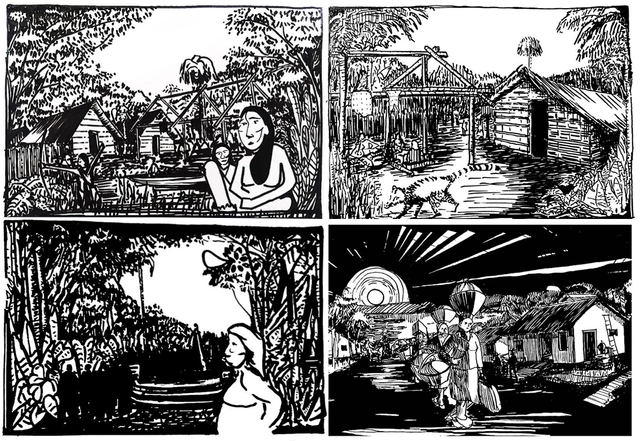
A mano alzada: paisaje y dibujo en la provincia de Misiones. Image Cortesía de Sebastián Galarza
Since the 15th century, the territory of Misiones, Argentina, has witnessed the constant passage and local overlap of a vast number of highly diverse cultures. Indigenous Guaraní, Spanish conquistadors, Jesuit missions, Paulist bandeirantes, people from the Republic of Entre Ríos and later the Province of Corrientes, Paraguayans, Brazilians, and, finally, a sweeping influx of European immigrants fleeing the world wars make up some of the layers of its immeasurable cultural fabric.
https://www.archdaily.com/1131931/freehand-landscape-and-drawing-united-in-sketches-of-misiones-argentinaElías Barczuk Pasamán y Sebastián Galarza
via Wikipedia user: HalloweenHJB. Licensed under CC BY-SA 3.0. Image author: HalloweenHJB
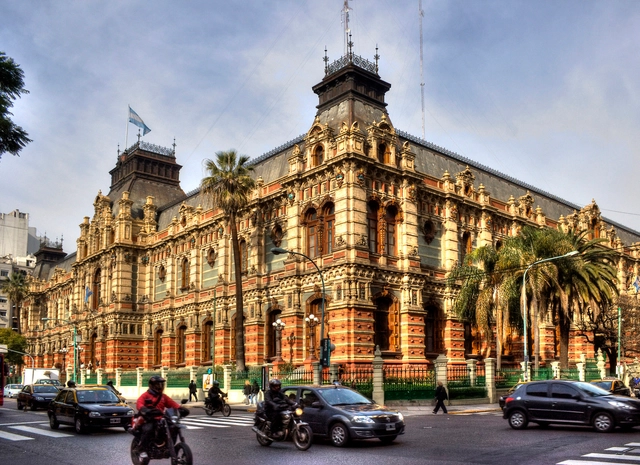
On the path toward poverty reduction, economic growth, and environmental sustainability, both water and sanitation measures play a fundamental role, demonstrating the importance of access to a resource like water in people's lives. To mark World Water Day, celebrated every March 22, we present the Palacio de Aguas Corrientes (Water Company Palace) in Buenos Aires—one of the greatest creations of the 19th-century European foundry industry outside Europe, combining art and engineering in a unique Argentine work declared a National Historic Monument in 1989.
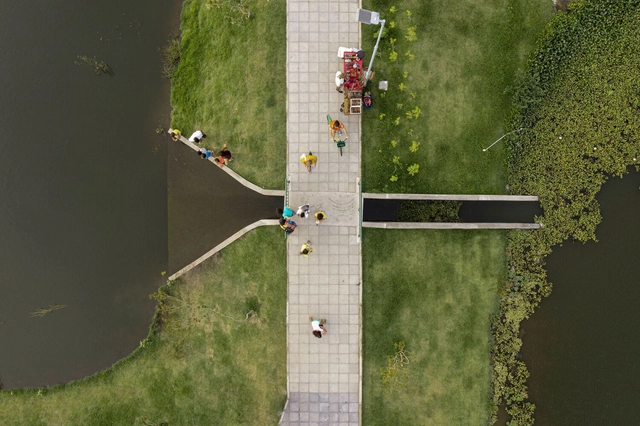
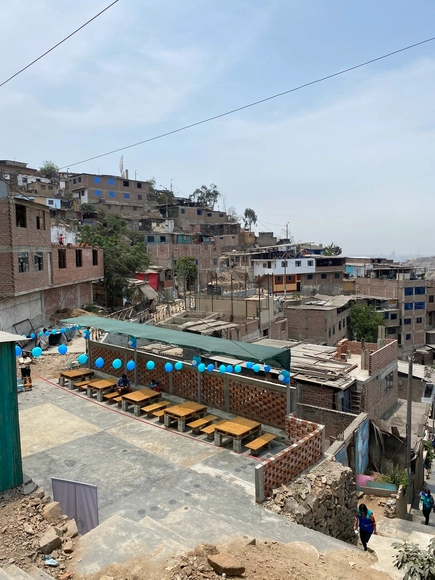
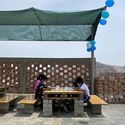
DIT Project: "Building a Space for Children." Image via Equipo Proyecto DIT (Gian Franco Pedreschi Rubio, Sergio Iván Puch Olivos, Jhordano Jesús Alfredo Zabanick Uriol)
In Peru, communal kitchens (ollas comunes) are self-managed neighborhood initiatives located in vulnerable areas. Driven by the food and educational insecurity triggered by the pandemic, these spaces have assumed a vital role in child development, transforming themselves into neighborhood schools. Within this context, "DIT: Building a Space for Children" emerged—a project selected for the XII Ibero-American Biennial of Architecture and Urbanism. Through this initiative, architects Gian Franco Pedreschi, Sergio Iván Puch, and Jhordano Zabanick, together with the community of the AA.HH. Horacio Zevallos, intervened in the public space adjacent to a communal kitchen in the Rímac district, improving the residents' quality of life.
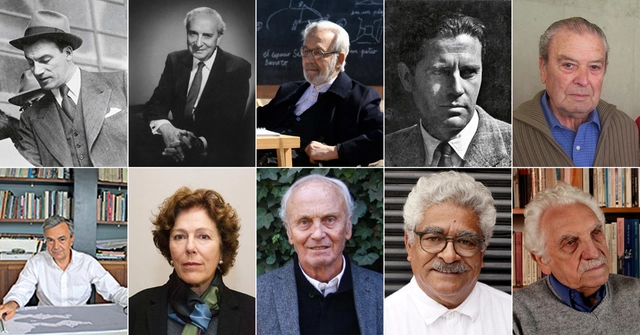
The National Architecture Award of Chile is presented by the Colegio de Arquitectos (Architects Association) to recognize "a lifetime dedicated to the service of architecture," according to the organization. First awarded in 1969, the inaugural recipient was Juan Martínez, architect of landmark projects such as the Law School at the University of Chile and the Votive Temple of Maipú.
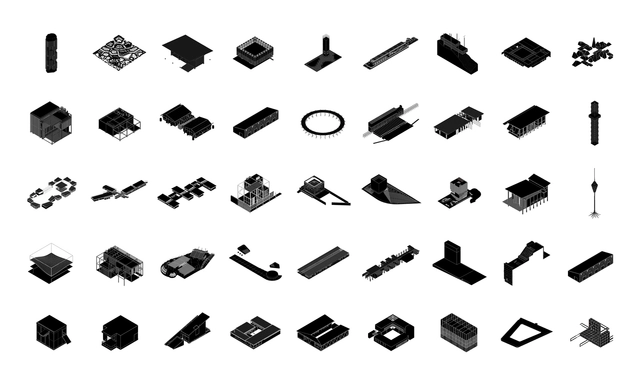
El colectivito - Cincuenta concursos. Image Cortesía de El colectivito
El colectivito came into being about five years ago. Lacking both a name and a defined shape, it brought together, in an almost casual way, a group of students interested in critically reflecting on architecture and territory. Its name ironically references the historical moment of its birth: it views itself as just one of countless architectural collectives, adopting a diminutive suffix to reflect its awareness of its own budding development. Today, it serves as a meeting space where architects and architecture students from the province of Misiones, Argentina, share and discuss interests and concerns regarding the architectural culture of the unique region they inhabit.
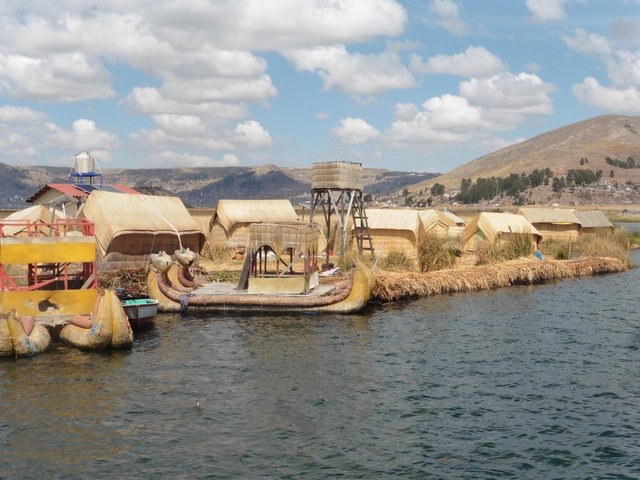
Islas de los Uros en el lago Titicaca. Image Cortesía de Leyda Aza Medina
The growing focus on sustainable architecture drives architects to explore alternative sustainable construction materials that can be implemented in new buildings. The research “Totora as a Thermal Insulation Material: Properties and Potential” was published by architect Leyda Aza Medina as a master's thesis in 2016 and won the ADUS 2021 academic practice award. The study offers a sustainable alternative, utilizing the renewable resource of totora reeds to develop thermal insulation for buildings in the Peruvian highlands.
While walking through the exhibition of the reconstruction in the gardens and galleries of the Centro Cultural Las Condes in 2022, he explains in detail the innovative and unique construction aspects of this demolished work. The house was originally designed by Fabio Cruz Prieto, architect and founding master of the School of Architecture and Design at the Pontificia Universidad Católica de Valparaíso.
Many of us agree with Roman Mars of 99% Invisible when he says that "we tend to not notice well-designed things"—yet many also agree that design is often perceived as being for only a select few. Consequently, we must ask ourselves what is truly democratic when it comes to design, and from there, help define and contribute our vision toward a more just society.
From the perspective of design and architecture, we can approach the democratization of design from various angles—from incorporating design into everyday needs to designing inclusively. At the core of it all lies the search for solutions that improve accessibility and livability in our daily lives.
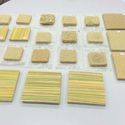
The construction industry is one of the largest producers of pollutants and waste globally in its daily operations. To put this into perspective, in the mid-1990s in Great Britain, construction processes generated nearly 10 million tons of post-industrial waste. Approximately a decade ago, over 3.5 billion new bricks were used annually, while around 2.5 billion were demolished; of that total, only about 140 million were reused, with the rest sent to landfills.
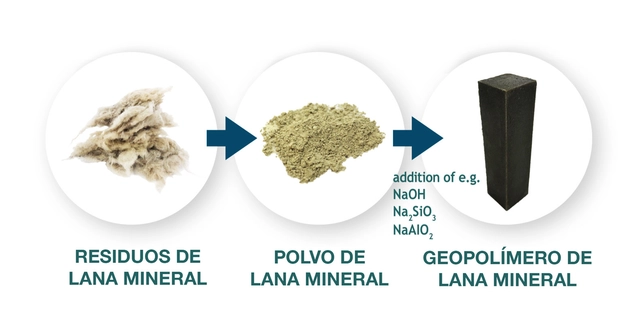
When addressing the recycling process of construction materials, several obstacles stand in the way of achieving a comprehensive and effective outcome. First, careless demolition can make the process highly complex, as materials destined for different recycling streams are often mixed together. Furthermore, not all materials can be recycled or processed efficiently, as many still require costly or overly complex processes. However, the construction industry—a major contributor to waste production and greenhouse gas emissions—has also developed multiple new technologies to improve its practices. This is where the WOOL2LOOP project comes in, aiming to resolve one of the greatest challenges in applying a circular approach to construction and demolition waste.
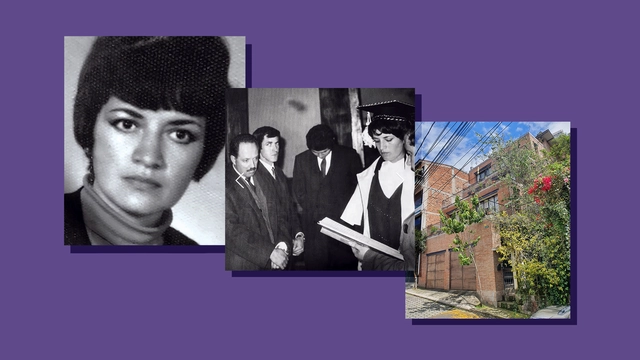
Born in Quito in 1947, Guadalupe Ibarra settled in Cuenca during her adolescence due to her father's military career. It was there that she decided to study architecture, enrolling at the University of Cuenca in 1963. An outstanding student, Ibarra earned her degree in 1970, becoming the first Ecuadorian woman to graduate as an architect in the country.
https://www.archdaily.com/1132176/guadalupe-ibarra-the-first-female-ecuadorian-architectVerónica Rosero & María José Freire
On February 8, at Torre Glorieta Cibeles and as part of Mexico City Art Week, MASA Inc. presented an exhibition showcasing pieces by Manuel Bañó, Hollie Bowden, Frida Escobedo, Héctor Esrawe, Mario García Torres, Adeline de Monseignat, Marrow, Brian Thoreen, Joe Sweeney, ROOMS Studio, EWE Studio, and VISSIO.
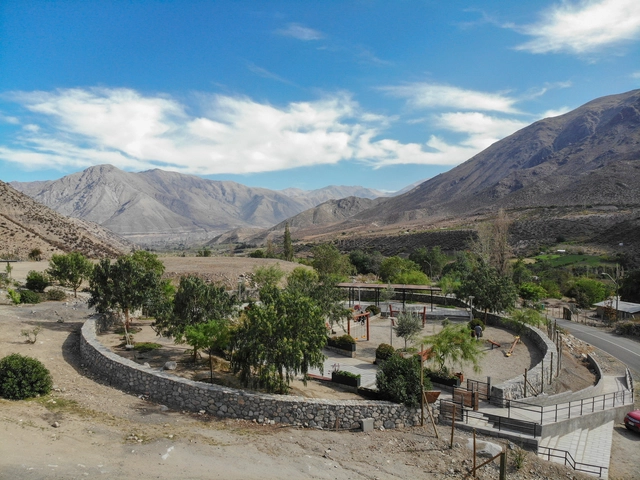
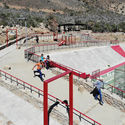
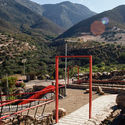
Gathering spaces in rural areas play an important role in improving the quality of life for local communities. In April 2022, Fundación Mi Parque launched the book “Rural Public Spaces: Community, Architecture, and Landscape” as both a contribution and a guide for a design discipline that seeks to highlight and address the need for meeting spaces in rural environments. The book is the culmination of five years of fieldwork, during which 37 community spaces were built, benefiting more than 26,000 residents in the Choapa Province of Chile's Coquimbo Region.
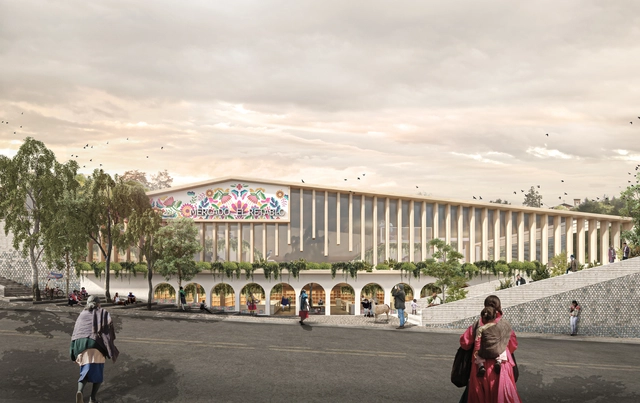
“Mercado Retablo” is the winning proposal of the II Semilla Competition organized by MURU, presenting a new design for the Playa Grau Municipal Market, located in the city of Ayacucho. Architects Santiago Nieto Valladares and Lucía Uribe Osores explain how “the market proposes quality public spaces that establish it as a gathering place, moving beyond a mere site for transit and commerce to host and foster social interaction.”
The historical memory and research project "Clásicos Mexicanos"—which recovers the work of key figures in mid-20th-century Mexican design by manufacturing some of their most iconic pieces—once again opens its doors to celebrate the work of Armando Franco (b. 1921), a key figure in the Mexican architecture and design scene.
https://www.archdaily.com/1132268/clasicos-mexicanos-presents-armando-franco-and-his-cofran-collectionArchDaily Team
Libro “Ideas de Hábitat. Arquitectura en Perú 2010-2020”. Image Cortesía de Arcadia Mediática
The bookstore and publishing house Arcadia Mediática, alongside the architecture, design, and construction magazine Arkinka, began 2022 with the launch of their first joint editorial project, “Ideas de Hábitat. Arquitectura en Perú 2010-2020”. Through built projects of varying scales and territories represented by more than four generations of architects, the book aims to showcase the finest works of contemporary architecture in Peru over the last decade.







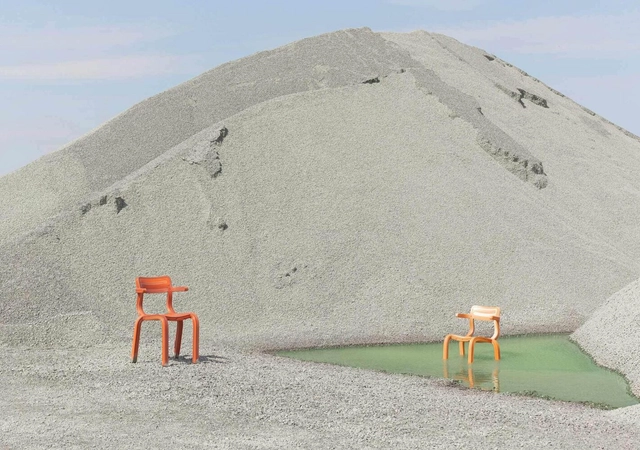
”(2).jpg?1644348981&format=webp&width=640&height=580)
”(1).jpg?1644349308 "Brian Thoreen, “Red Ribbon Circle (2022).” Image © Alejandro Ramírez")
”(3).jpg?1644349027 "Manuel Bañó, “OBJ-02 (2022).” Image © Alejandro Ramírez")

”.jpg?1644348676 "Frida Escobedo, “Creek Bench (2021).” Image © Alejandro Ramírez")
”(2).jpg?1644348981)