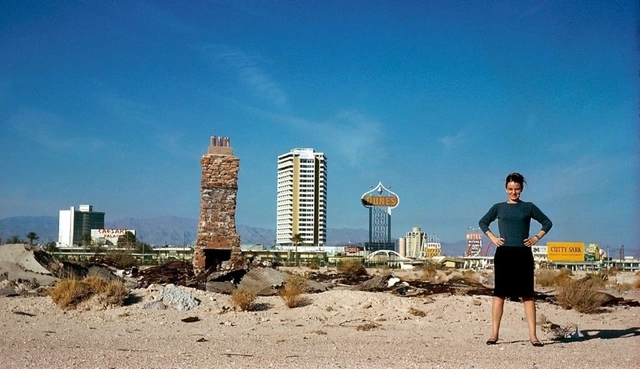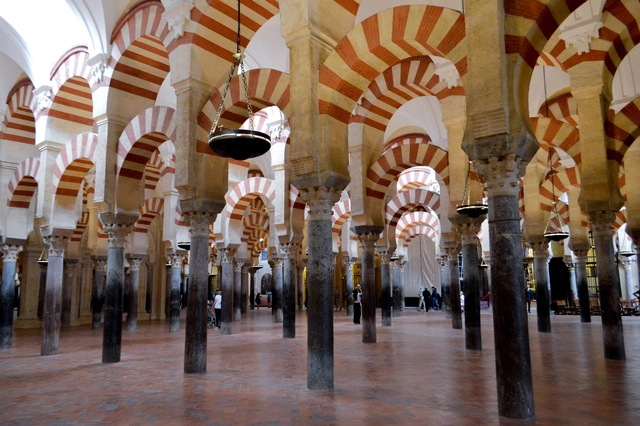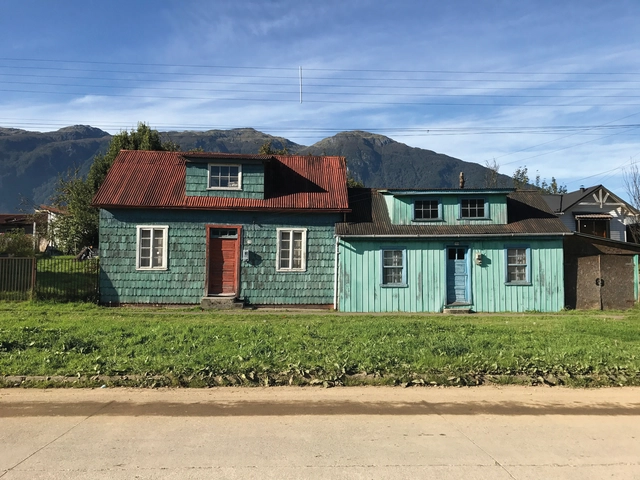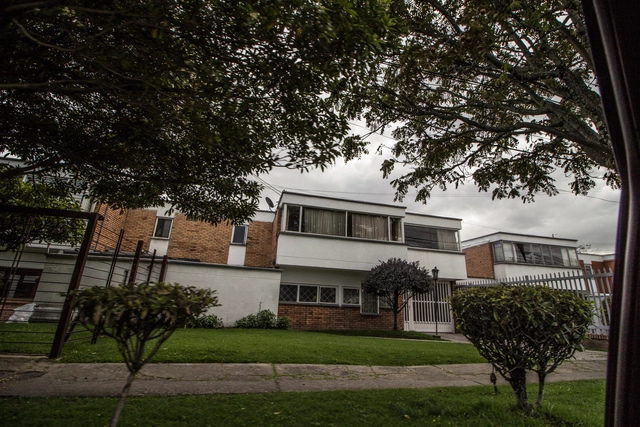
Walking the streets of Bogotá, one is inevitably captivated by the mix of artistic currents across every block. The diverse constructions reflecting history, the passage of time, and the survival of houses and buildings in the face of the city's imminent spatial shifts create a sort of architectural palimpsest—where some structures are repurposed and spaces are renovated, yet the imprint of history endures.
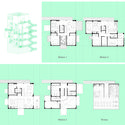
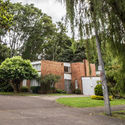
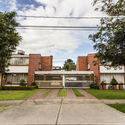
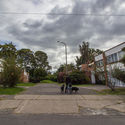
Indeed, the Niza Antigua neighborhood was one of the districts declared a cultural heritage site. Designed by architect Willy Drews in the 1960s, its location—at the time far from Bogotá's financial and commercial center—prompted a series of shifts in the lifestyles of its residents, while the absence of fences and the proximity between houses fostered a strong sense of community among neighbors.


.jpg?1545014447&format=webp&width=640&height=580)