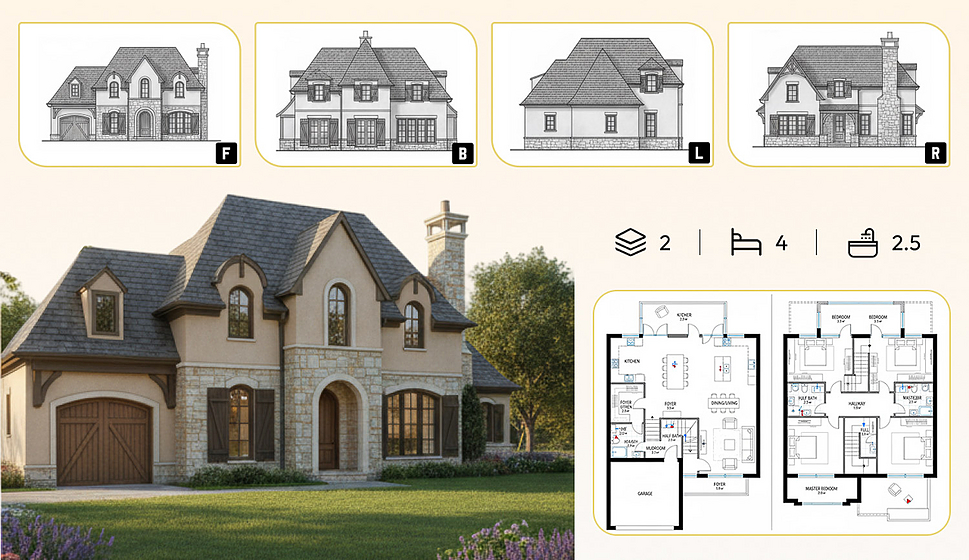
This guide covers a workflow that moves from project parameters to generated floor plans, 3D perspective views, exterior design exploration, and site context visualization, using AI tools in place of preliminary CAD and rendering work.
This guide covers a workflow that moves from project parameters to generated floor plans, 3D perspective views, exterior design exploration, and site context visualization, using AI tools in place of preliminary CAD and rendering work.
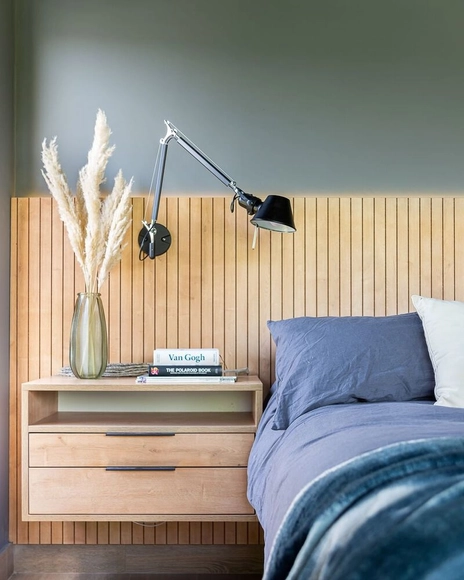
There are various ways to accentuate and breathe life into a space, from adding furniture or a decorative piece to painting a wall a bold color. Yet, when it comes to elevating an interior simply, quickly, and with added texture, depth, and warmth, a grooved wood-look finish emerges as a compelling, cutting-edge solution. Indeed, it has established itself as a major trend in contemporary furniture and interior wall design, even taking center stage at the renowned Salone del Mobile Milano 2022.
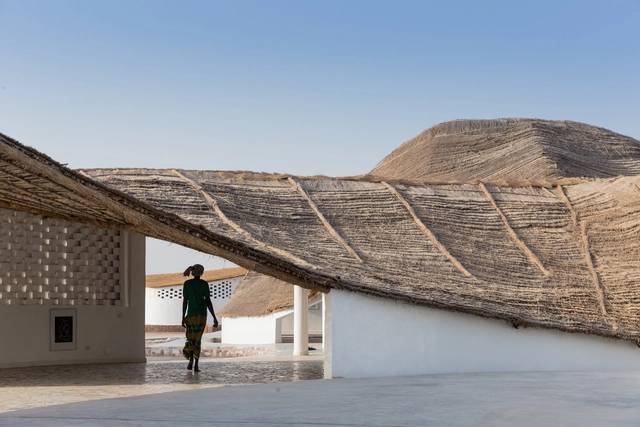
The FIFA World Cup is one of the world's largest events, bringing together fans of all nationalities. Having previously been hosted across various continents, this year's tournament will take place in Qatar, a country on the Arabian Peninsula with a population of about 2.7 million people, the majority of whom are Muslim. Alongside the host nation, 31 other countries will compete for the title of world champion.
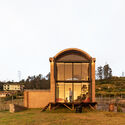
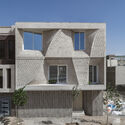
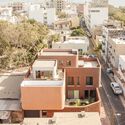
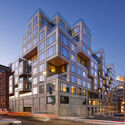
Beyond its status as a sporting event, the World Cup is also an opportunity to observe, learn about, and experience other cultures—especially for the host country. Divided into eight different groups, the first to play, from Groups A and B, will be Qatar, Ecuador, England, Iran, Senegal, the Netherlands, the United States, and Wales. Below, explore some examples of architecture from these countries.

Founded in 2013 in São Paulo, this young transdisciplinary practice focuses on architecture, urbanism, and fine arts. Influenced by visual arts, music, theater, and everyday urban life, the firm translates these lived experiences into projects across diverse scales, briefs, and contexts.
Named after a term with multiple meanings in Portuguese—in architecture, *vão* represents the void or span between structural elements, a space to be occupied and activated by social, political, artistic, and various other interactions—the firm was founded by Anna Juni, Enk te Winkel, and Gustavo Delonero. Throughout its nearly ten-year history, it has maintained a small team, alongside occasional collaborations with friends and colleagues on specific projects.
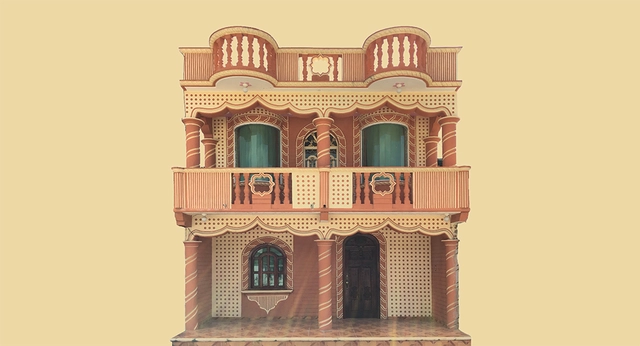
I remember clearly when I began to question the types of images and architecture we consumed and debated at university, contrasting them with the actual built environment of the city I live in (CDMX). This is a type of architecture that seeks to delineate certain biased, curated aesthetic principles, disseminated through academia, digital platforms, magazines, books, and real estate developers, among others.
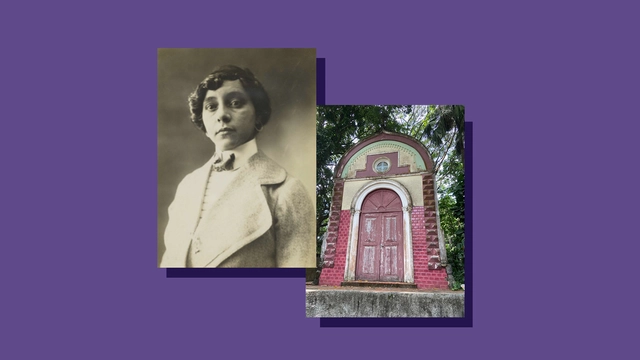
For decades, the history of Brazilian architecture has crowned male figures as its primary representatives. In recent years, however, we have seen a growing body of work dedicated to identifying female figures in this field. “Where are the women in the history of architecture in Brazil?” was, and still is, one of the questions most frequently encountered by architectural and urban historians. Often, the answer points to Lina Bo Bardi and Carmen Portinho—fundamental references, to be sure, but we might still wonder: how many other figures built their careers in this field?

Ever since Meta CEO Mark Zuckerberg renamed his company and announced a larger investment in the so-called “metaverse,” searches for the term have surged considerably. And while it is not a new concept, the technological topics surrounding the subject have exploded in recent years.
Cryptocurrencies, NFTs, and the overall creation of a virtual economy help illustrate how the metaverse is cementing its place in our daily lives. Yet, the opportunities extend far beyond financial shifts: the metaverse is also proving to be an important space for engineers and architects alike.
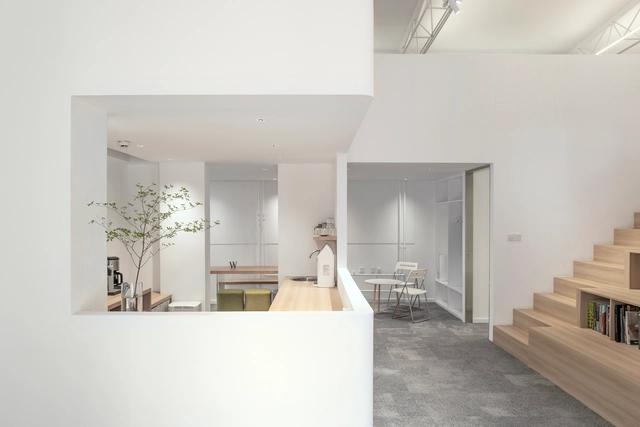
weico is a high-profile, emerging design practice founded by a group of highly experienced architects. Its scope of work encompasses architectural design, interior design, urban planning, project programming, and engineering consultancy, with a particular focus on the cross-disciplinary integration of design with technology, industry, economics, and the humanities. Led by principal architect Sun Wei (former partner of HENN China), weico, within less than a year of its inception, has secured and undertaken projects including the T3 Headquarters, Hengli International Headquarters, Hongqi High-End Customization Center, and the Phase II consultancy for the Hong Kong University of Science and Technology (Guangzhou). It has also been shortlisted for the CGN Scientific Research Base and the Bay Area University projects, garnering significant attention within the domestic industry.
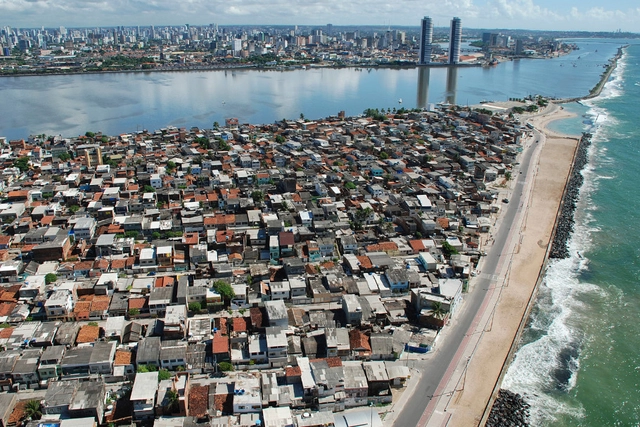
An increasing number of people live in urban areas. UN-Habitat's World Cities Report 2022 reveals that this share rose from 25% in 1950 to over 50% in 2020, with projections indicating it will reach 58% over the next five decades. The survey also indicates that by 2070, the number of municipalities in low-income countries will increase by 76%, while in high- and lower-middle-income nations, this growth will hover around 20%. Furthermore, the study notes that this scenario highlights the urgent need for cities to be designed and managed so that future growth does not overwhelm existing infrastructure, open spaces, and services—which would lead to unsustainable sprawl.
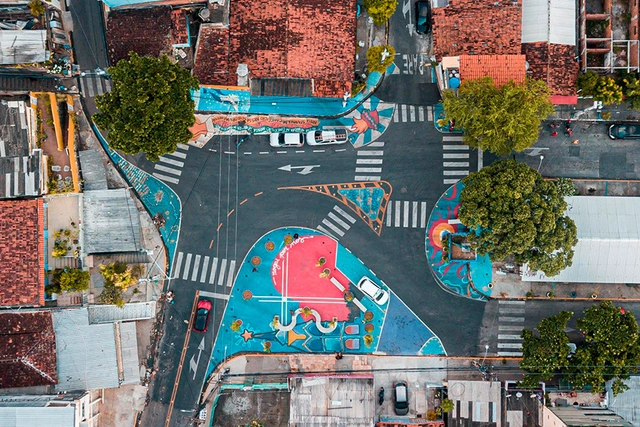
Active design and speed reduction have been transforming cities that adopt this urban planning strategy into safer, higher-quality spaces for people to walk, cycle, practice outdoor sports, and enjoy themselves.
By designing infrastructure that encourages residents of all ages to lead healthier lives, changing how they move around and experience public spaces, active cities positively impact the physical and mental health of the population, increase the appeal of these places and their economic vitality, and reduce environmental and noise pollution.
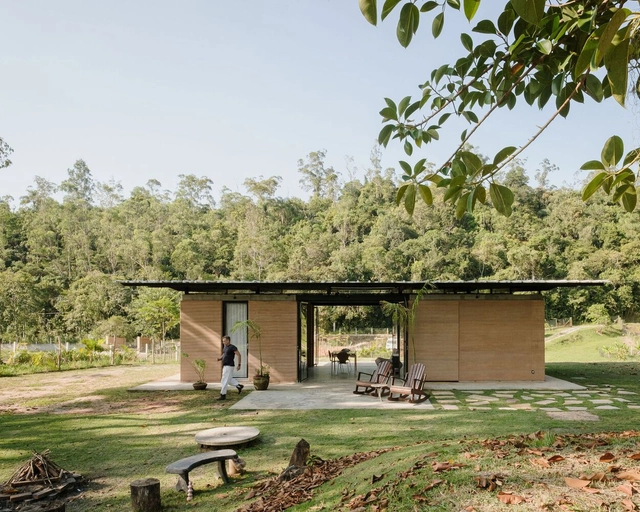
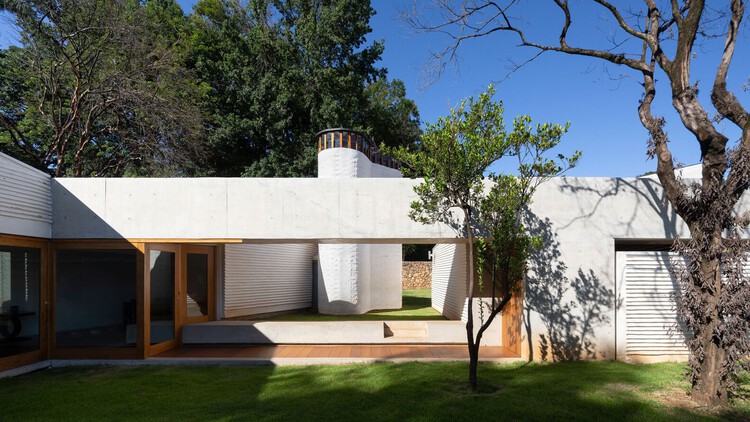
As another year comes to a close, the ArchDaily team gathers the highlights of architecture in a series of retrospectives reflecting on the content featured over the past twelve months. As part of this effort, our curation team turns its attention to one of the most popular categories among our readers, residential architecture, selecting the projects that represent the best of a vast global architectural production, as seen through the eyes of our audience.

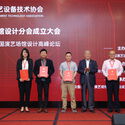
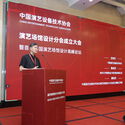
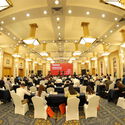
On August 28, the Inaugural Assembly of the Performing Arts Venue Design Branch of the China Association of Performing Arts Equipment Technology and the First China Performing Arts Venue Design Summit Forum were held in Beijing. Co-organized by the Architectural Design and Research Institute of Tsinghua University Co., Ltd. (THAD), the newly established branch is dedicated to fostering the integration of the cultural tourism, performing arts, and architectural design industries. By driving scientific planning, optimizing theater technology, and expanding multifunctional capabilities, the branch aims to enhance the design, construction, and operational quality of performing arts venues across China, contributing to the industry's advancement.
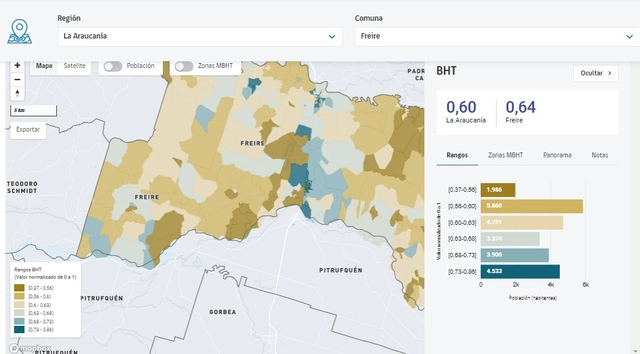
The decentralization process currently underway in Chile represents one of the major social and structural transformations of the political system in a country historically characterized by a highly centralized culture. In May 2021, with the democratic election of Regional Governors, Chile took a major step toward this goal; true decentralization, after all, occurs when decision-making capacity is transferred to local territories, redistributing power from the central government to the regions.
To support a successful decentralization process and strengthen regional governments, the Territorial Human Well-Being Matrix (MBHT) was developed. Designed by the Center for Territorial Intelligence at the Universidad Adolfo Ibáñez Design Lab (CIT.UAI.CL), the initiative is part of the “National Program for Strengthening Regional Capacities” carried out by the Undersecretariat of Regional and Administrative Development (Subdere).
This tool equips decision-making bodies with enhanced capabilities, allowing them to compare different areas, identify patterns, challenges, and opportunities to effectively implement solutions, and pinpoint the gaps and imbalances that need to be addressed.
It is well known that Australia's eucalyptus forests burn periodically. This is how the eucalyptus ensures its reproduction, as its woody fruits, known as gumnuts, feature an insulating layer that breaks open under the intense heat of a fire. Once opened, the seeds blanket the scorched soil, initiating the process of forest regeneration. Australian architect Glenn Murcutt has created a body of work deeply rooted in the country's landscape. He has designed houses engineered to withstand these frequent fires, incorporating elements that contain the flames and minimize damage. In short, these buildings are constructed from highly non-combustible materials and equipped with massive water reservoirs and a "soaking system" that allows the structure and its surroundings to survive a wildfire.
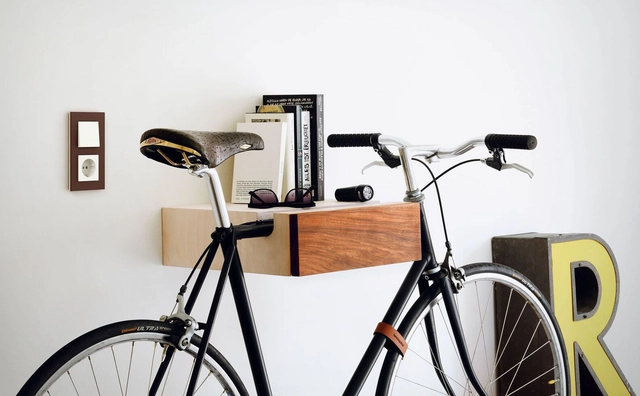
Turning a space's lights on or off is a routine part of daily life. This almost automatic action is made possible by a switch, a device designed to divert or interrupt the flow of electrical current. Given its essential role in everyday life, how can we combine a switch's functionality with aesthetic appeal?
Just as current design trends integrate exposed installations and services into interior design strategies, the new range of light switches combines functionality with an aesthetic diversity tailored to the personality of each space. Adapting to different styles relies on a combination of three factors: the choice of materials, colors, and formats. Below, we look at the available options using the GIRA catalog as a guide.

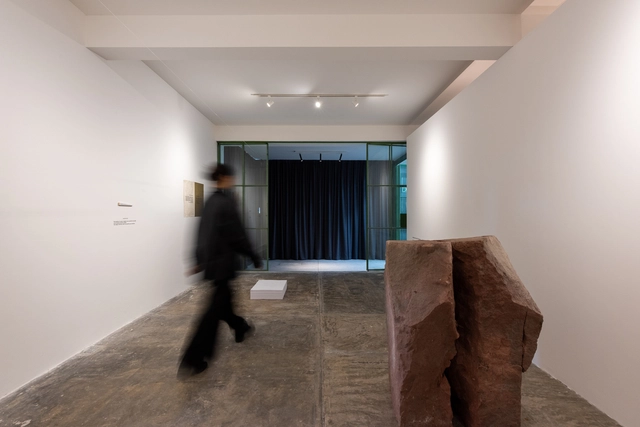
As part of the cultural agenda of LIGA, Espacio para arquitectura in Mexico City, the work of a Cuban architecture office is presented for the first time: Infraestudio. The studio, composed of Anadis González and Fernando Martirena, addresses various conflicts and challenges in their daily practice, including job precarity in a context where private architectural practice is illegal. Despite this obstacle, they have managed to develop a provocative body of built work, intertwining it with proposals linked to artistic practices.
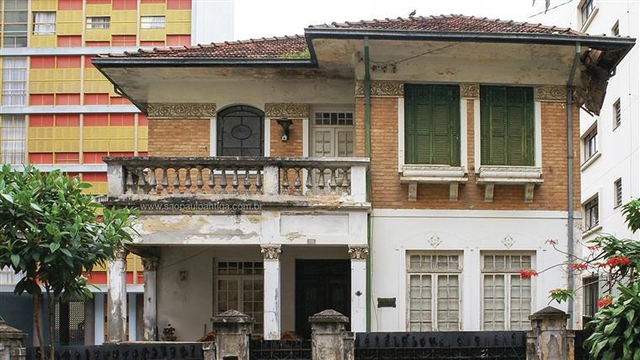
On June 7, 2022, the podcast A Mulher da Casa Abandonada was released, telling the true story of a Brazilian aristocrat who fled trial in the United States in the 2000s. The show sparked widespread public fascination over the nearly two months during which the episodes were released. Among the elements that shape the narrative, the house and the neighborhood became key supporting characters in both the story and its reception, illustrating and laying bare how our society—and its territory—are shaped by structural racism.
“Domingos Libro” is presented by Carmelo of Enorme Studio, where he delves into forgotten architectural publications, books, and architectural magazines from the 60s, 70s, and 80s, which harbor the most fascinating backstories.
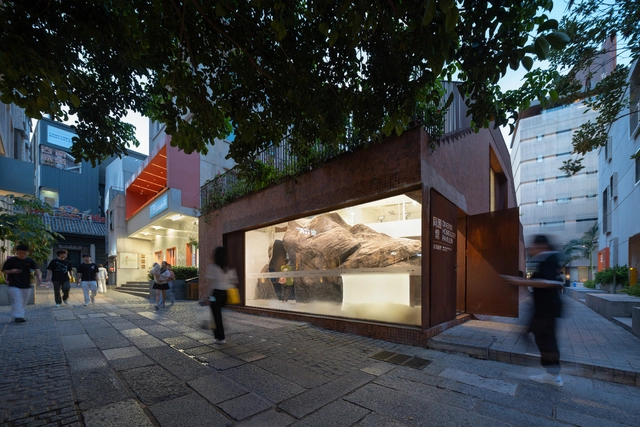
Project Positioning: Urban Renewal, Bay Area Cultural Landmark, Cultural Services for an Ancient Town's Historical Community
Nantou Ancient City is located in the rapidly developing Nanshan District of Shenzhen. Situated on the eastern bank of the Pearl River Estuary, its history dates back nearly 1,700 years to the establishment of Dongguan County in 331 AD (the sixth year of the Xianhe era in the Eastern Jin Dynasty) [1]. With Shenzhen’s reform and opening up, the area has not only preserved the spatial layout of its historical village settlement but has also integrated industrial development and high-density housing, evolving into Shenzhen’s most unique “urban village” (chengzhongcun). In 2019, with the official launch of the Nantou Ancient City Protection and Utilization Project, two core questions emerged: how to unearth Nantou's historical context, and how to address the contemporary challenges of urban renewal through innovative design? These questions became the starting point for our team, Diameter Narrative Design (DND), in curating and designing the visitor experience for the “Shared Origins Museum Group” (Tongyuan Guanqun). Nantou's history dates back to 110 BC, when the Han government established the Panyu salt office here to oversee salt production along the eastern shore of the Pearl River Estuary. During the Eastern Jin Dynasty, the seats of both Dongguan County and Bao'an County were set in the Nantou area, extending Dongguan's jurisdiction from the eastern bank of the estuary to what is now eastern Guangdong. Subsequently, successive imperial dynasties established political, economic, and military administrative organs in Nantou. Consequently, Nantou is not only a witness to the shared roots of Shenzhen and Hong Kong but has also directly experienced the historical evolution of the Greater Bay Area. From its inception, the Nantou project aimed to become a cultural landmark for the Greater Bay Area, with the “Shared Origins Museum Group” serving as both a physical manifestation of Nantou's historical value and a hub for community public cultural services.
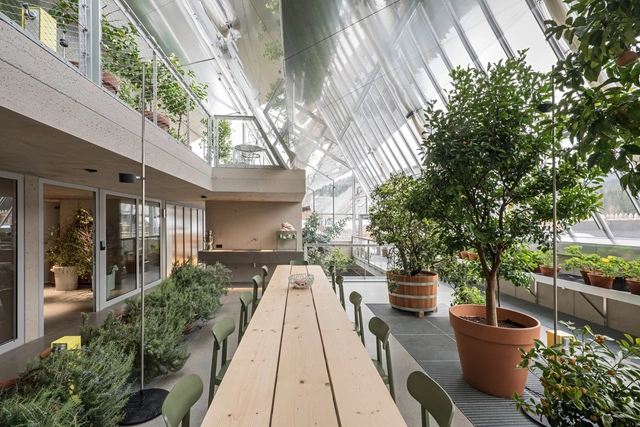
Applying neuroscience to architecture, specifically within the realm of neurogastronomy, provides a unique understanding of the intersection between human sensory domains and the built environment. It seeks to understand brain function in relation to eating, which has traditionally been viewed as a process limited to the mouth and stomach. Ultimately, it is the brain that eats. Accordingly, this article aims to consolidate scientific concepts related to neurogastronomy applied to architecture, examining the dining experience and architectural spaces, with a particular focus on active aging.
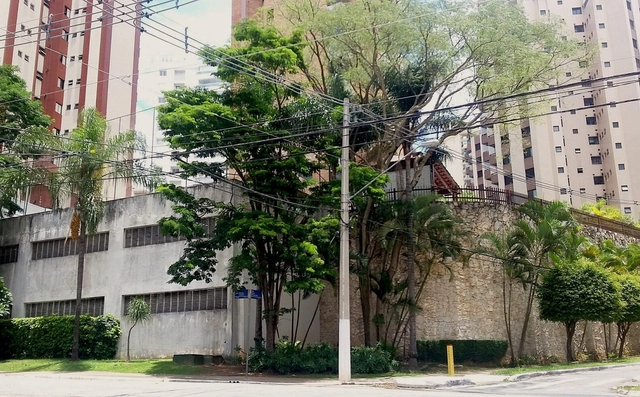
I was intrigued to read on UOL that Silicon Valley billionaires plan to build a perfect city from scratch in California. But what, after all, actually makes a perfect city?
According to the article, the city would feature high-quality public services, walkability, lush greenery, and safety, along with housing at various price points and sizes, all integrated with shops, schools, and restaurants.
In addition, the city would offer high-paying jobs for its residents, while local schools would train people from the area to work in local businesses.
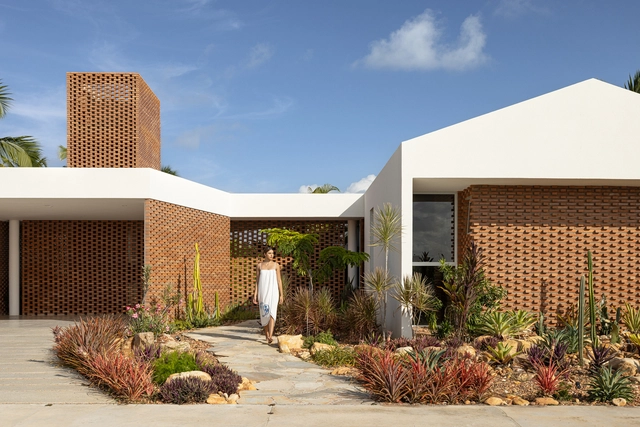
One of the key themes of the past year was reclaiming the connection between humans and nature—or rather, recognizing that we are not separate from it. Strategies such as biophilia, biomimicry, and approaches drawing from vernacular and ancestral techniques show that incorporating natural elements into architecture is no longer just a compositional choice, but a practice that directly influences behavioral and health outcomes. Consequently, landscape design goes beyond mere aesthetics, turning yards, gardens, and outdoor spaces into functional and therapeutic extensions of the home.
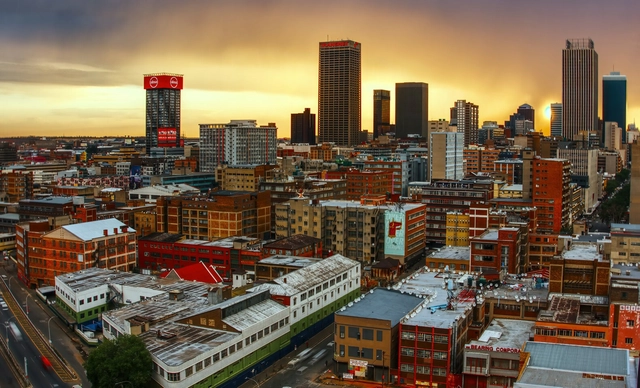
A quick scan of Africa's 100 largest cities yields few surprises. Most are located in the continent's wealthiest nations. The majority serve as national or regional/state capitals. At least half feature river or sea ports. Many have had railway stations for decades and, more recently, airports and highway connections. A large number host universities. All have Wikipedia profiles, many of which span several pages.
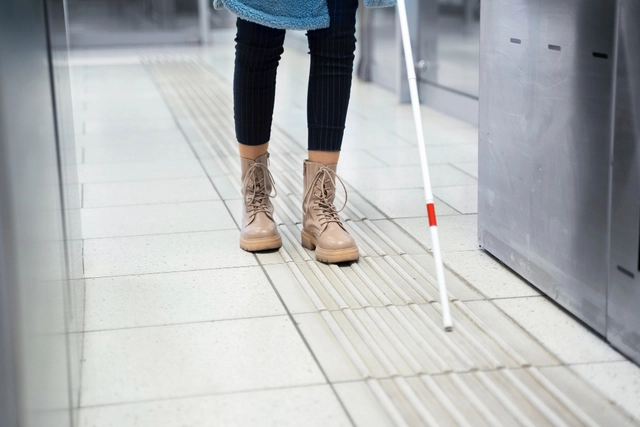
Although people with disabilities represent nearly 15% of the global population, and more than half of them live in urban areas, our cities rarely meet their needs. Most are designed from the perspective of non-disabled people traveling by private transport (such as cars and motorcycles), rather than those who walk, cycle, or use public transportation.
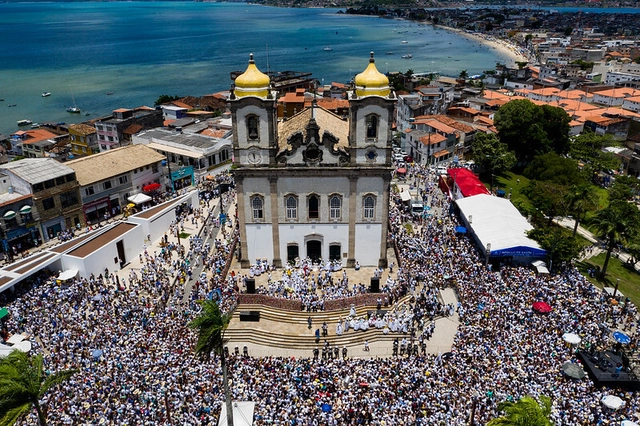
In Brazil, popular festivals share a deep spatial, historical, and symbolic connection with urban public spaces, providing a unique experience of collective occupation, appropriation, and reimagining of these sites during their occurrence. These events not only utilize urban spaces in ways that differ from their daily routines, but they also constitute the cultural and social landscape of cities, offering alternative ways of perceiving them. By appropriating the streets—in their full potential and broadest sense—these festivities imbue them with new uses, which often transcend and subvert their everyday functions.