It is well known that mass tourism causes significant inconveniences for local residents, benefits large corporations at the expense of small entrepreneurs, and can strip away the very character that makes a place attractive. Yet, one must also admit that tourism generates jobs, increases income, stimulates new businesses, and improves urban quality in many respects—through urban revitalization, infrastructure improvements, and the construction of cultural facilities, for example.
For several years, Lisbon has been experiencing a tourism boom that embodies both of these aspects. The city has undoubtedly changed. Urban rehabilitation projects have breathed new life into dilapidated areas, revitalizing public spaces and investing in the restoration and retrofitting of buildings that, in many cases, would otherwise have been condemned to ruin. New cultural facilities have been built, such as the Museum of Art, Architecture and Technology - MAAT, designed by British architect Amanda Levete, and the new National Coach Museum by Paulo Mendes da Rocha, in collaboration with the firms MMBB arquitetos and Bak Gordon Arquitetos.
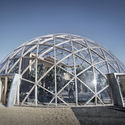
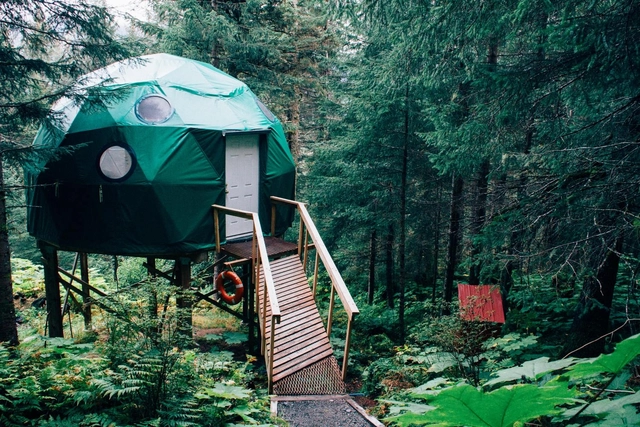
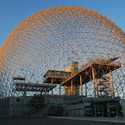
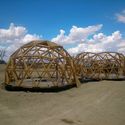
It is highly unlikely that you made it through architecture school without seeing or even helping to build a geodesic dome. These structures are defined by a mesh composed of a network of polygons—usually steel, wood, or bamboo triangles—that, when materialized in three dimensions, form spaces. By connecting the edges (struts) and rendering the structure three-dimensional, this model achieves strength and structural lightness through the uniform distribution of its dead load to the ground. From a technical and structural standpoint, this dome is composed of a series of similar struts that form a hemispherical surface based on triangles. Within this complex composition, strength and lightness are achieved through the uniform distribution of forces.
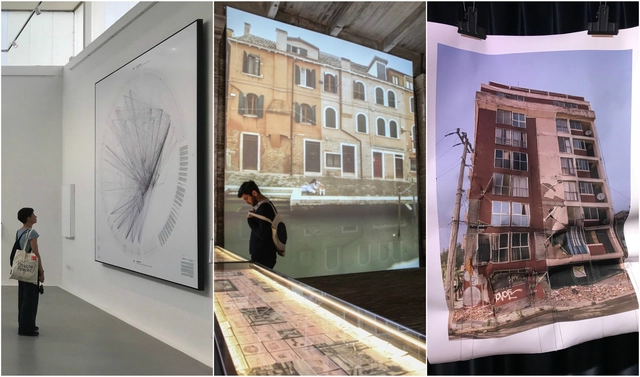
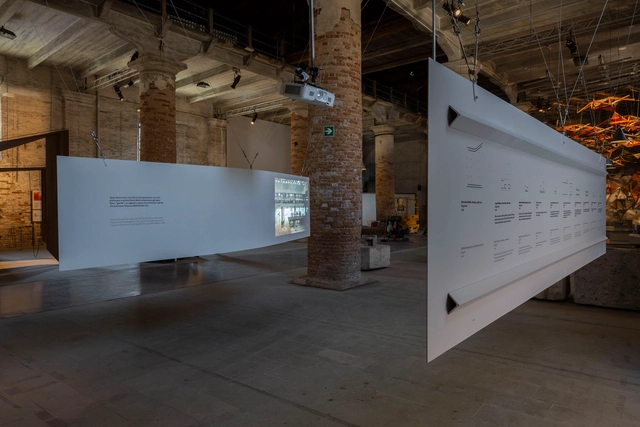
This edition of the International Architecture Exhibition of the Venice Biennale has been the most active and representative yet for Mexican architecture. This biennale brings together the largest number of Mexican participants across various fronts and collaborative projects. The Mexican Pavilion, “Echoes of a Land”—located in the Sale d'Armi of the Arsenale—presents an approach to architecture that goes beyond form and programmatic function, associating it instead with geography, culture, and identity.
https://www.archdaily.com/1114143/mexicos-presence-at-the-16th-international-architecture-exhibition-of-the-venice-biennalePabellón de México
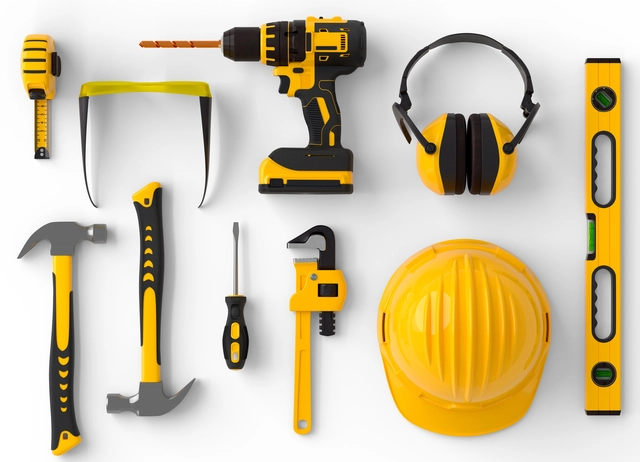
Construction is complex. Anyone who has been on a construction site understands this. It is not just about having the right attitude and knowing how to lead a team of skilled craftspeople, masons, and specialists, but also about providing—or at least understanding—the right tools for them to perform each task in the best possible way.
While the construction knowledge gained during your university studies might be minimal until you have a few projects under your belt, learning to recognize the tools available on the market will not only help you save costs, but also speed up construction and reduce physical effort—delivering significant advantages.
Here, we present an overview of the different equipment, tools, and machinery most commonly used in architectural construction.
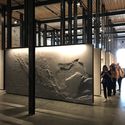
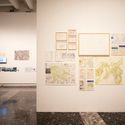
As part of our coverage of the 2018 Venice Biennale, we present the participation of the São Paulo-based firm GrupoSP: an installation titled "unnamed spaces" that is part of the FREESPACE exhibition. Below, the architects describe their contribution in their own words.
"Unnamed spaces" [espaços sem nome] was a term that professor and artist Flávio Motta [1] used to describe the free, generous, and open spaces of radical architecture that accommodated the unpredictability of life. They can also refer to the open spaces or clearings within our city.
Today, August 17, is National Historical Heritage Day, a date that honors the efforts to preserve assets of cultural, historical, and artistic significance across Brazil. This date coincides with the birth of historian and journalist Rodrigo Mello Franco de Andrade, who played a crucial role in founding the National Institute of Historic and Artistic Heritage (IPHAN). Established in 1937, IPHAN is the agency responsible for promoting and organizing the preservation of Brazil's National Cultural Heritage, aiming to “protect and promote the country's cultural assets, ensuring their endurance and enjoyment for present and future generations.” [1]
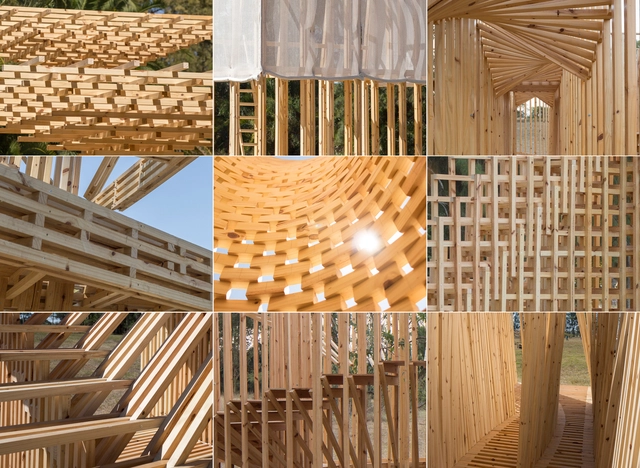
In early March, students, architects, and designers from Argentina gathered to bring their ideas to life in the second edition of Hello WoodArgentina, an international experience brought by local partners TACADI and MANDARiNA.
For this edition, the chosen theme for 2018 was "CON-TEXT"—a context we consciously build, where balance is achieved through the interaction of each of its parts, and what each part contributes is unique.
Discover the projects built in this edition below.
From the Fundación Arquia Blog, architect María Álvarez García presents an article on the controversial revival of garden cities in England's urban planning, which is depopulating city centers—proposals that lead to an inevitable segregation of uses that is neither sustainable nor conducive to social and economic development.
https://www.archdaily.com/1114243/garden-cities-of-tomorrowMaría Álvarez García
It is time to say goodbye to 2018 and look back at everything we have achieved. What captured our interest? What surprised us? What made an impact?
After presenting the best architecture of 2018, we decided to round up and highlight some of the Argentine projects that generated the most engagement on our social networks. Goodbye 2018, hello 2019.
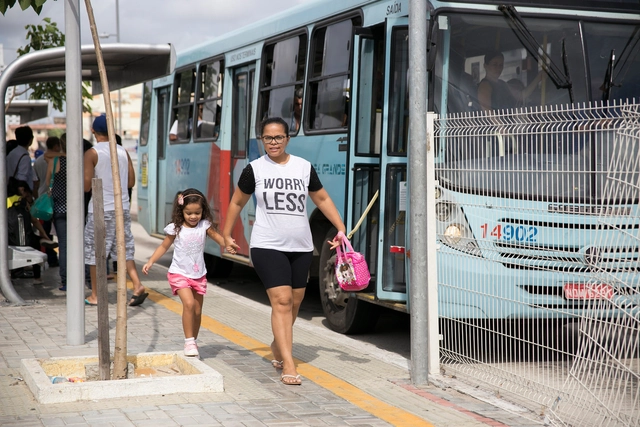
O planejamento urbano deve incluir também projetos e ações pensadas em mães e filhos. Foto: Mariana Gil/WRI Brasil. Image Cortesia de Via TheCityFix Brasil
Women represent the majority on the streets and in public transit. Travel patterns and transport mode usage vary significantly by gender, largely because women still disproportionately shoulder domestic responsibilities, many of which involve caring for children. While gender issues remain overlooked in urban planning, the access of women with children to the city is a topic in even greater need of attention. Through the testimonies of several mothers, the everyday consequences of failures in urban planning and mobility on mothers and children become glaringly clear.
São Paulo. Image via Visualhunt.com. CC0 1.0 Universal (CC0 1.0) Public Domain Dedication
In June, the Federal Government released the publication Urbanized Areas of Brazil 2015, produced by the Brazilian Institute of Geography and Statistics (IBGE) using images from the RapidEye satellite captured between 2011 and 2014. The mapping shows that the largest urbanized areas in the country are São Paulo, Rio de Janeiro, Brasília, Curitiba, and Goiânia. Together, these five urban agglomerations cover more than 2,500 km².
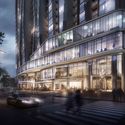
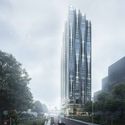
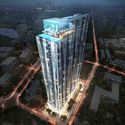
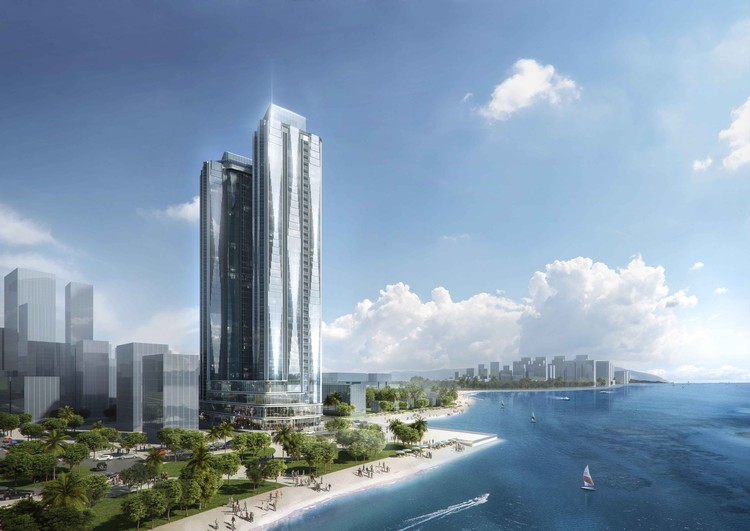
Aedas has unveiled its design for Alacarte Halong Bay Condotel, a new development in Vietnam's renowned coastal destination. Famous for its thousands of towering limestone karsts, Ha Long Bay is a UNESCO World Heritage Site. Occupying a prime beachfront plot, the Alacarte Condotel is designed to offer unobstructed views of this spectacular natural heritage.
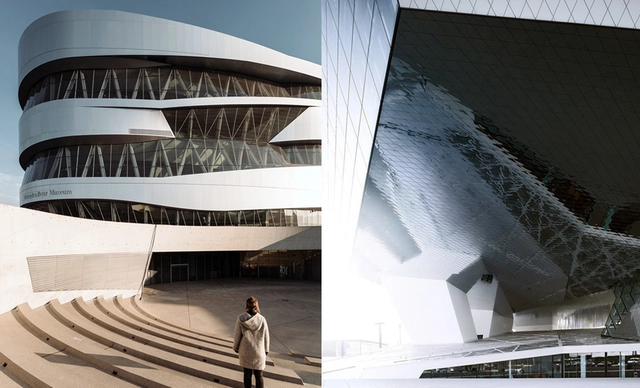
Architect Rafael Pina, from the ARKRIT Collective, presents an article comparing two prestigious German automotive brands and their effort to project, also through architecture, an image of modernity and power. These museums belong to a lineage of spectacular architecture, seeking to inspire admiration and surprise through showmanship across various dimensions: formal, technological, and financial.
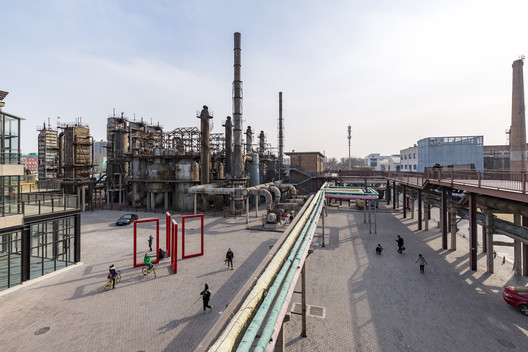
The American Planning Association (APA) recently announced that Sasaki’s 2006 Vision Plan for Beijing's 798 Art District has been honored with the organization's highest accolade, the Pierre L’Enfant International Planning Excellence Award. Today, the 798 Art District in Beijing is a thriving, mixed-use district that welcomes over three million visitors annually, earning a reputation as the city's third most popular destination after the Forbidden City and the Great Wall. The district's success has set a benchmark for the adaptive reuse of historic buildings and is internationally recognized as a model for industrial regeneration.
https://www.archdaily.com/1113953/sasakis-vision-plan-for-beijings-798-art-district-wins-apa-international-award-for-excellence-honoring-years-of-impactJoanna Wong
Marked by refinement and purity of design, Portuguese architecture historically maintains a sharp relationship between the built object and the territory in which it is situated.
Names like Álvaro Siza Vieira, Eduardo Souto de Moura, and Fernando Távora remain the primary references when considering Portuguese architectural production. However, beyond these great masters, a group of young firms established over the last ten years has demonstrated strength and relevance in shaping this new output. In this landscape, new attributes are emphasized: an aesthetic and constructive sensibility rooted in modern minimalism—yet questioned and renewed in accordance with contemporary social and philosophical parameters; the merging of hybrid fields, from art and product design to architecture and urbanism; and an increasingly collaborative process based on collective ideas.
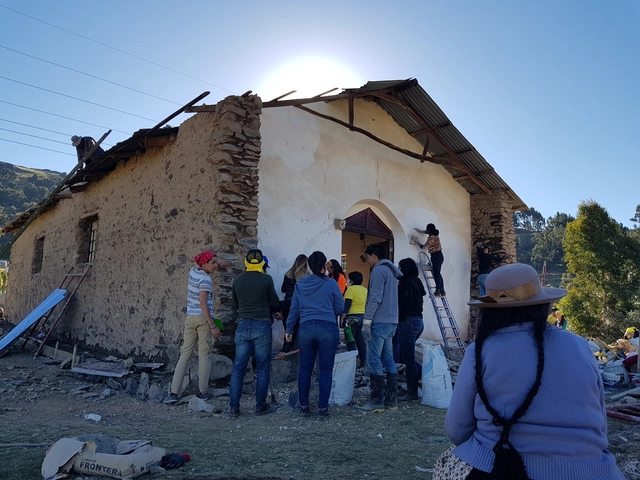
On the occasion of the recent edition of the Latin American Social Workshop in Chucuito, Peru —XV TSL Puno—, ArchDaily en Español and the Latin American Coordinator of Architecture Students (CLEA) invited all participating students to reflect on their personal experience in a recent call for articles. The text, originally titled "Construyendo Lazos" (Building Bonds) by Indira Fernández and Diana Hernández—members of the Puma Workshop led by Lucio Torres and students at the Universidad Veracruzana in Mexico—was selected as the winner of this open call.
Indira and Diana focus on the challenge that the TSL has faced in recent years: it is no longer merely a construction workshop, but also a platform for future architects to practice different methodologies of citizen participation and integration during the design process, while simultaneously discussing the challenges and threats facing so-called social architecture.
Being part of a team dedicated to understanding emotions, traditions, and cultures is deeply rewarding, but it also prompts you to question the ultimate purpose of practicing architecture. What could we expect from a social workshop in a country other than our own, Mexico? What can be learned from a community located 3,870 meters above sea level? What can we, as students, contribute?
Few neighborhoods possess a collection of modern residential architecture of such high caliber as Higienópolis. Works by Vilanova Artigas, Artacho Jurado, and Rino Levi, among many other prominent architects, coexist with historic mansions along its tree-lined streets. The planned subdivision was the first in São Paulo to feature gas lighting, street trees, streetcar lines, and water and sewage networks. Furthermore, because it is located mostly on higher ground, it did not suffer from flooding and was less prone to diseases such as yellow fever, typhus, and malaria. Originally settled by São Paulo's aristocracy, the neighborhood remains highly valued and sought-after today. Particularly between the 1940s and 1950s, numerous plots were developed with modern buildings characterized by outstanding design, construction quality, and generous spaces.
The illustrations were developed by Fabrizio Lenci, architect, illustrator, and partner at Vapor 324, for the newspaper *A quadra*, based on a selection curated by André Scarpa. Below, discover a brief history of each of the illustrated buildings:
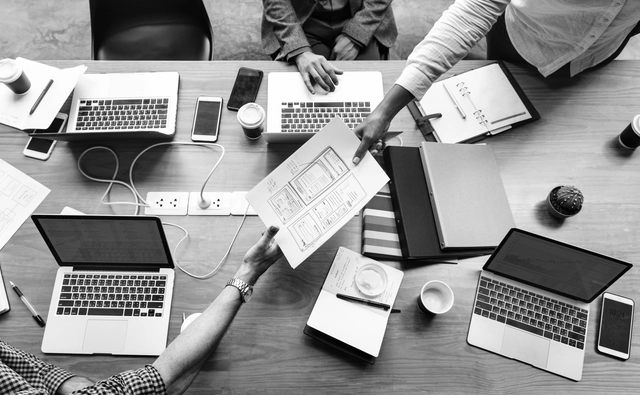
Whether you are collaborating on a project with peers, entering a design competition, starting a new firm with a friend, or simply entering the workforce: regardless of your current academic or professional stage, sooner or later you will have to face the collaborative reality inherent to our discipline.
Teamwork offers many positive facets and learning opportunities that working alone simply cannot match. However, if not managed properly, it can lead to awkward moments, heated arguments, fractured friendships, and other risks, both major and minor. Therefore, whether you are working with your best friend, your partner, a studio classmate, or an office colleague, there are certain guidelines you should always keep in mind.
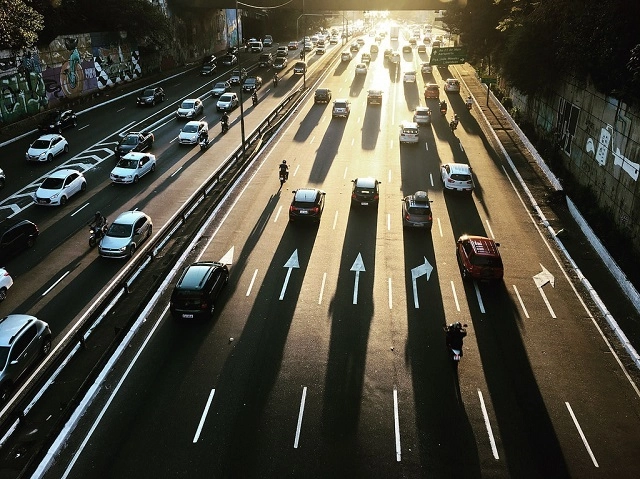
São Paulo is one of the Brazilian cities that have established fees for on-demand transport services. Photo: Arnaud Matar/Flickr
As ride-hailing services like Uber continue to gain popularity and draw attention for their impact on traffic congestion and other urban ills, cities around the world, from Washington, D.C., to São Paulo, are moving toward the inevitable next step: targeted fees.
This comes as no surprise. Recent research shows that these services are contributing to declining public transit ridership and an increase in private vehicles on the streets. However, new taxes and fees should do more than just raise revenue. They have the potential to make cities more livable and transport more sustainable. If ride-hailing services are taxed, this revenue must be allocated carefully, in ways that improve urban mobility as a whole.
https://www.archdaily.com/1113948/some-cities-are-taxing-ride-hailing-apps-is-this-a-good-thingBen Welle, Guillermo Petzhold e Francisco Pasqual
Earlier this year, the full list of nominees for the 2018 Oscars—selected by the Academy of Motion Picture Arts and Sciences—was announced, and anticipation is building to see which films will take home the top honors in this edition.
0-VOID is an inflatable pavilion developed as part of the third-year Architectural Design studio taught by BASE studio (Bárbara Barreda + Felipe Sepúlveda) at the School of Architecture and Art of the Universidad del Desarrollo in Santiago, Chile. The pavilion synthesizes and embodies the themes explored throughout the semester, centered on the potential inherent in pneumatic systems for formulating unconventional geometric, material, and spatial responses.
Its design was developed through an iterative process between 1:1 material exploration and digital tools, informed by a series of preceding exercises conducted by the students during the semester.
https://www.archdaily.com/1114025/invertebrate-pavilion-challenges-the-notion-of-structural-resistance-associated-with-rigidityArchDaily Team
The strong influence of Le Corbusier's work and philosophy on Spanish architect Josep Lluís Sert established him as a key figure in local architectural history, sparking one of Spain's first rationalist movements. In 2013, thirty years after Sert's passing, filmmaker Pablo Bujosa Rodríguez released the documentary Josep Lluís Sert: un sueño nómada, which Radio Televisión Española is now making available to the public on its program Imprescindibles.
This documentary traces the life and career of one of the leading figures and benchmarks of 20th-century Spanish architecture—a tireless champion of the Modern Movement who advocated for a functional architecture integrated with other visual arts, such as painting and sculpture.
https://www.archdaily.com/1114030/a-nomadic-dream-relive-the-legacy-of-josep-lluis-sert-in-this-online-documentaryJavier García Librero
Designed by Ángel Arroyo Aguilar, the Muelle del Cochayuyo project was selected as one of the 10 winners in the Thesis Projects category of the 2018 Concurso Arquitectura Caliente (CAC 2018), a Chilean competition organized by Grupo Arquitectura Caliente and funded by the Ministry of Cultures, Arts, and Heritage.
My intention was never to reinvent the wheel, but rather to bring it to this remote place.
It has been 453 days since I arrived on these shores, where I was initially not welcome, seeking to immerse myself in the traditions and ways of inhabiting unfamiliar territories. I discovered incredible people and landscapes steeped in craft, and I set out to change the constraints under which the local inhabitants lived.
Bogotá is well-known for its diverse public markets, which not only host the sale of meat, grains, fruits, and vegetables, but also serve as spatial representations of Colombian culture.
These traditional establishments have grown alongside the city's population, undergoing significant spatial transformations over time. For locals, they remain the essential place for grocery shopping, while for tourists, they are major attractions offering a sensory exploration of Colombia's diverse flavors, aromas, and textures.

._Via_Arquivo_Arq.jpg?1540388028 "Conjunto Nacional / David Libeskind. Image © Revista Acrópole n° 238 (CC BY-NC-ND 4.0). Via Arquivo Arq")