
March Session: MARCH 20, 21, 22, 23, AND 24, 2018 (FROM 2:00 PM TO 6:30 PM)
March Session: MARCH 20, 21, 22, 23, AND 24, 2018 (FROM 2:00 PM TO 6:30 PM)

Established in 2009, the postgraduate program at Escola da Cidade offers lato sensu courses organized around the broad, overarching theme: “Civilization America: A Perspective Through Architecture.”
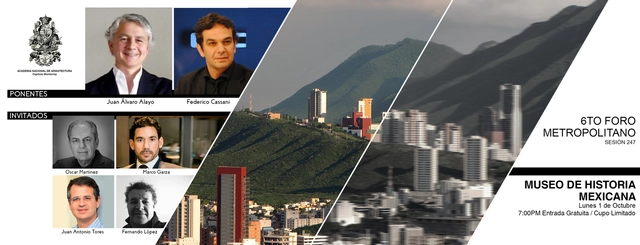

The IABsp will host two debates as part of the programming for the curatorial competition for the 12th International Architecture Biennial of São Paulo. These debates aim to raise concerns and pose provocations that may be reflected in the proposals. The first, "Context: Brazil, Today," will be held on June 23rd and focuses on the national landscape.

The IABsp will host two debates as part of the programming for the curatorial competition for the 12th International Architecture Biennial of São Paulo. These debates aim to raise concerns and pose provocations that may be reflected in the proposals. The second, "Criticism and Curatorship," will take place on June 30.
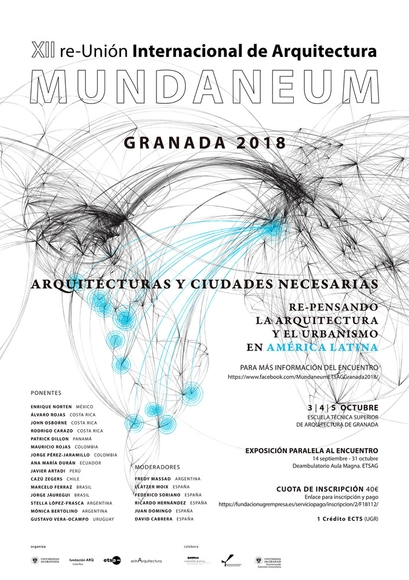
The Mundaneum XII_re_UNIÓN International Architecture: Necessary Architectures and Cities: re_THINKING Architecture and Urbanism in Latin America will take place at the Escuela Técnica Superior de Arquitectura de Granada (ETSAG), Spain, on October 3, 4, and 5, 2018, to celebrate the twentieth anniversary of the re_UNIÓN's founding (1998-2018).

The Morelia Arq Forum is the most important international event in Michoacán for the dissemination of architecture, industrial design, and urbanism, aimed at students and professionals in the field.

An architecture forum for students, architects, and the general public. This event offers the opportunity to explore the work and experiences of some of the country's most prominent architects. Additionally, attendees will have the chance to build professional connections through networking with leading figures in local and national architecture.
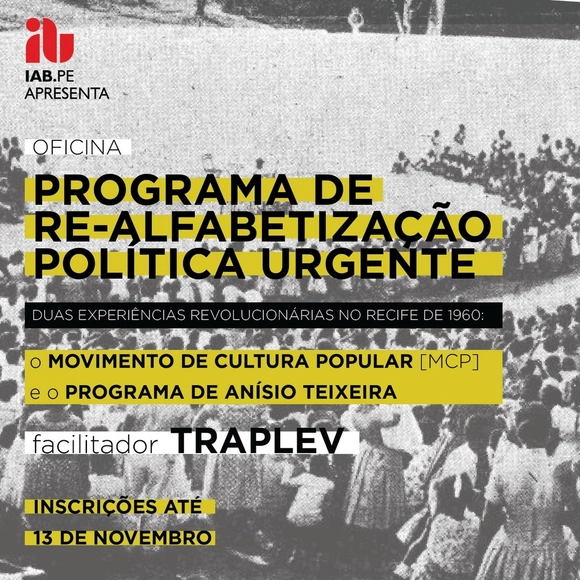
The Political Re-literacy and Critical Education Program is an extension of artist Traplev’s "pedagogical cushions" project. Beyond providing a didactic tool, the program focuses on educational activities to foster discussions on themes addressed in the cushions, specifically those related to progressive programs and social justice movements in Brazil.

The 2018-01 International Architecture Seminar, "Travel as Discovery," features three lectures open to the public. Guest speakers include French architect Caroline Manique and British historian Tim Benton, both of whom have extensive individual and collaborative research on topics such as Le Corbusier, Art Deco, and architectural theory.
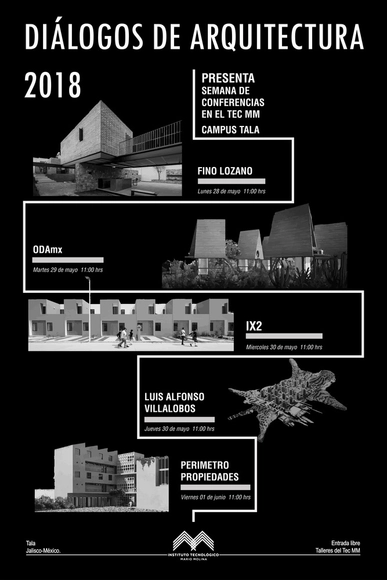
Architecture Dialogues.
Architectural thought and positions, as well as those of related disciplines, must reach diverse latitudes, just as they move from media platforms to mobile devices. It is essential to hear in person from emerging or established figures who define positions on architectural practice or the role of art in their work.

This talk explores how earth-based materials and participatory design practices can help create spaces that foster memory, connection and belonging.

A meeting space for architecture, culture, and innovation.

Please join us for the opening Dean's Lecture Series keynote presented by Kjetil Trædal Thorsen, Founding Partner, Snøhetta Design.

In 2026, the annual Paul Mellon Lecture will be given by architect and urban conservationist Brinda Somaya. Drawing on decades of experience, she will explore the idea that architecture is not just about buildings and aesthetics but also about people, politics and social responsibility.

Summer School 2026
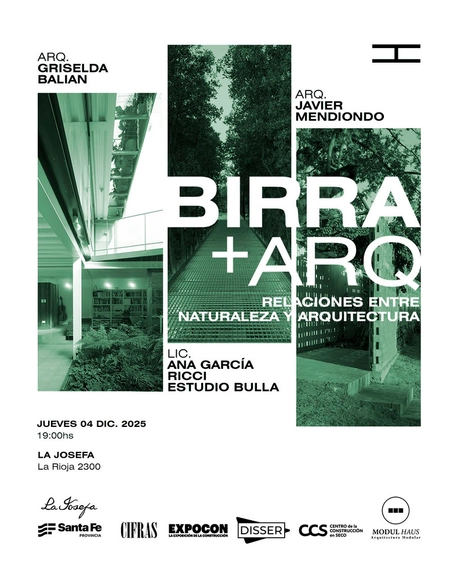
Grupo Hache is an independent organization of friends, students, and young architects committed to the architectural activity of our city, engaging in fields such as teaching, design, research, and dissemination, among others.

King Mongkut's University of Technology Thonburi – School of Architecture and Design (KMUTT SoA+D) is pleased to announce its Design Professional Talk Series: The Light of Architecture. This semester's series features distinguished speakers from around the world, sharing diverse perspectives and international viewpoints at the forefront of contemporary architecture and architectural lighting.